
What Happens to a Junco Bag After Two Years
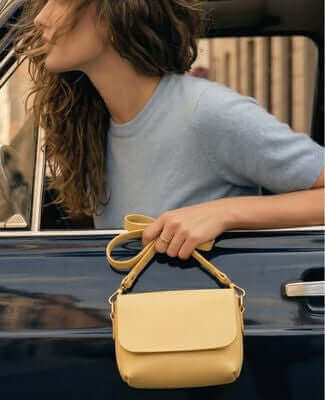
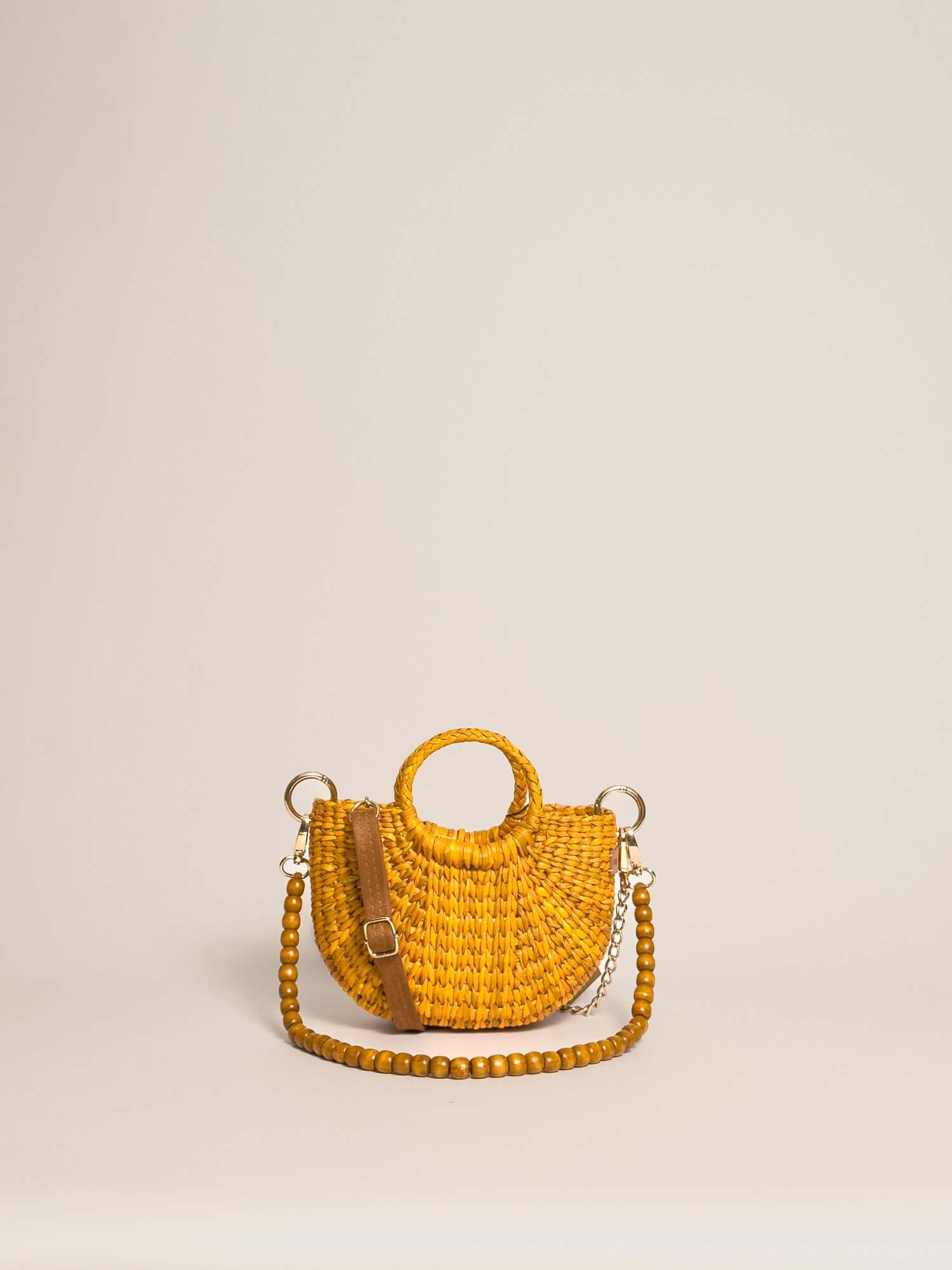
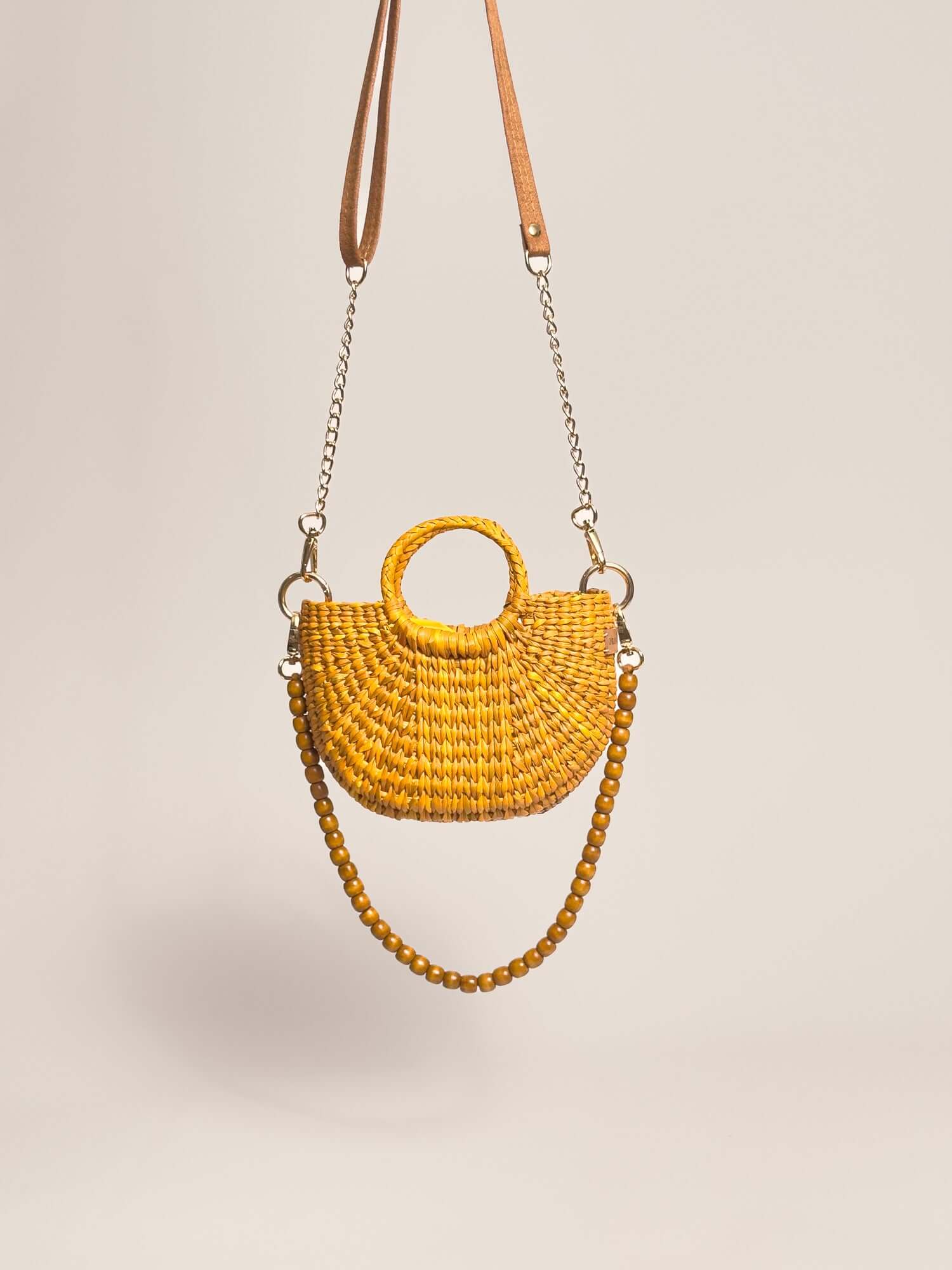
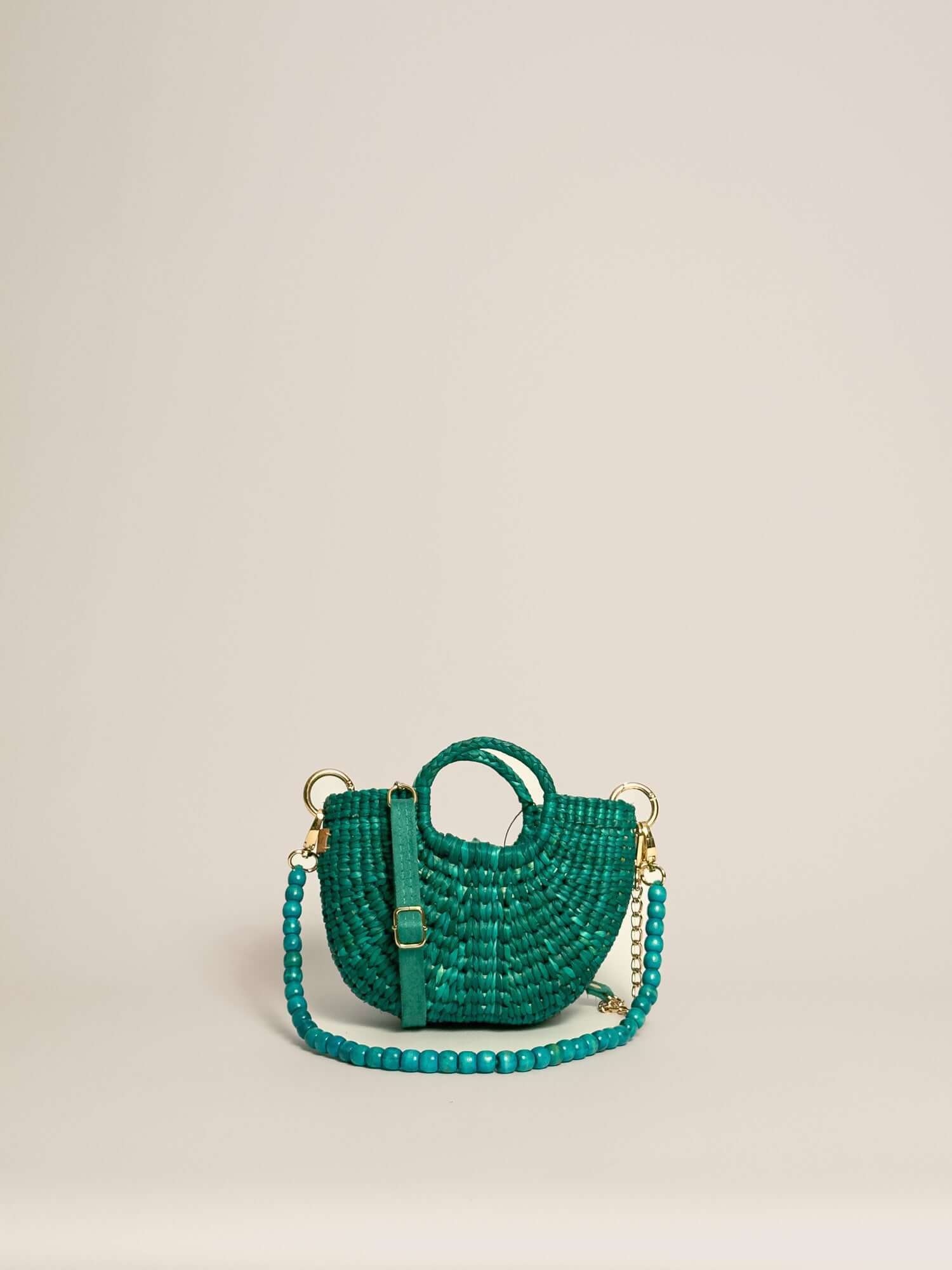
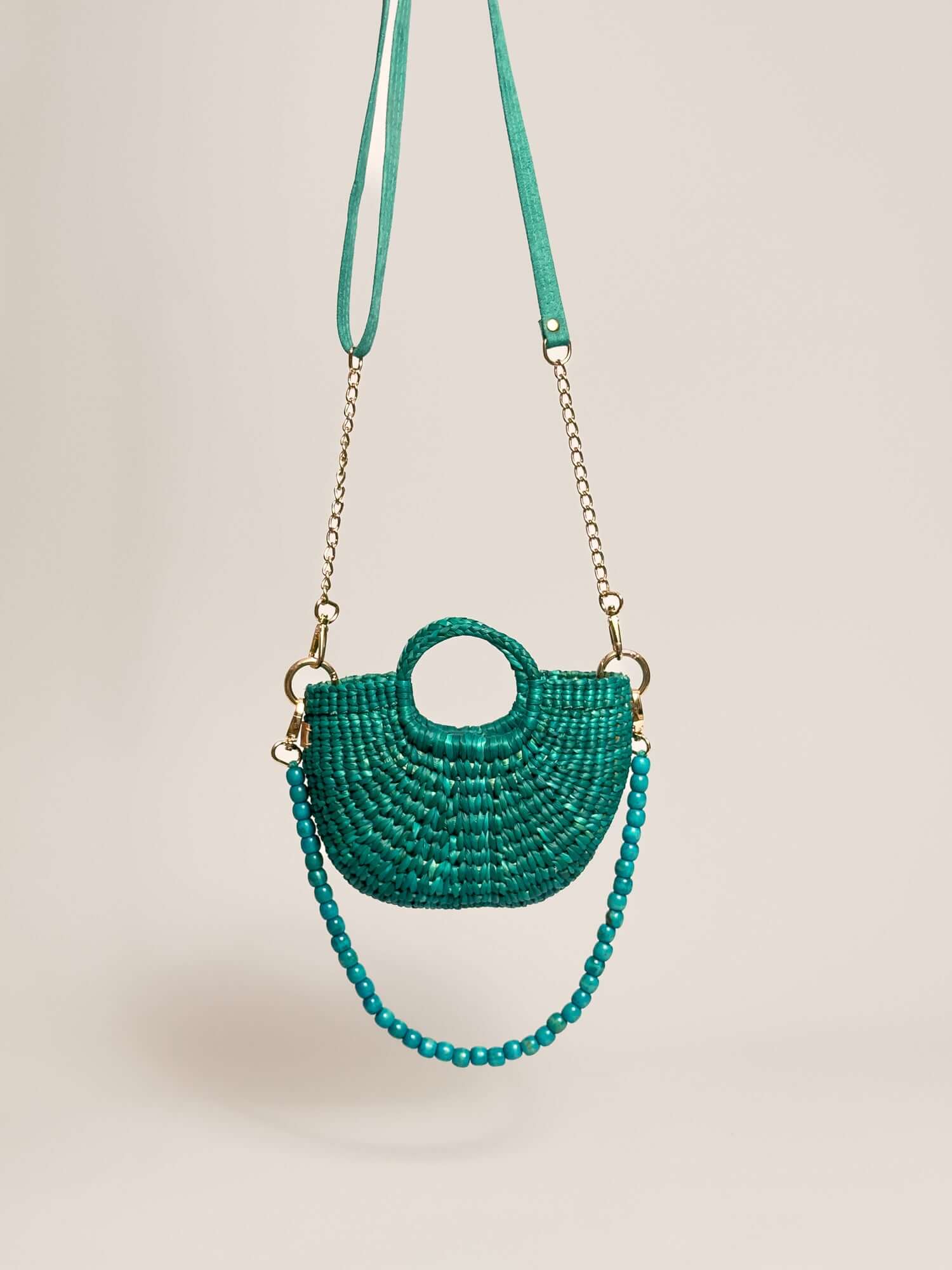
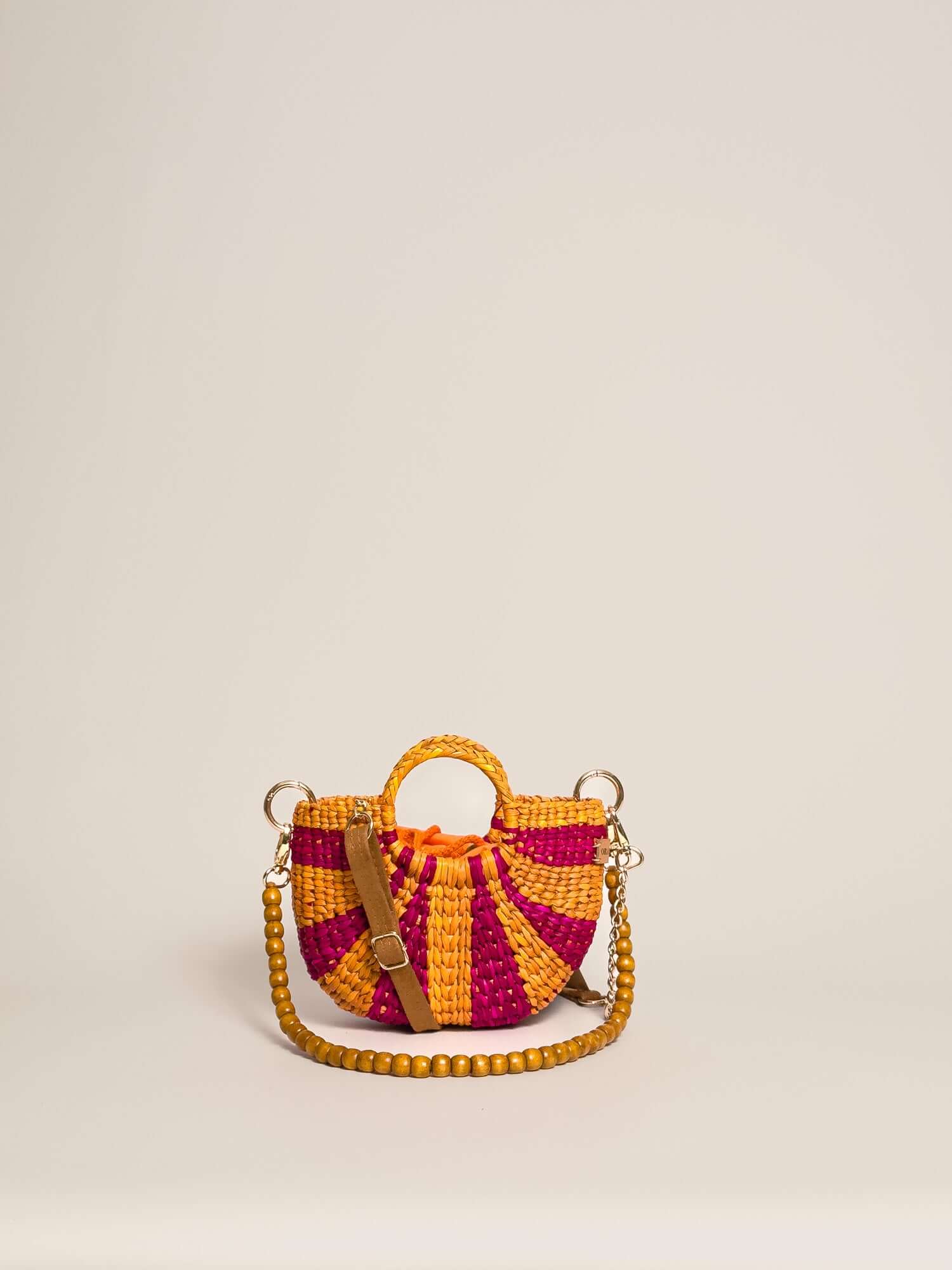
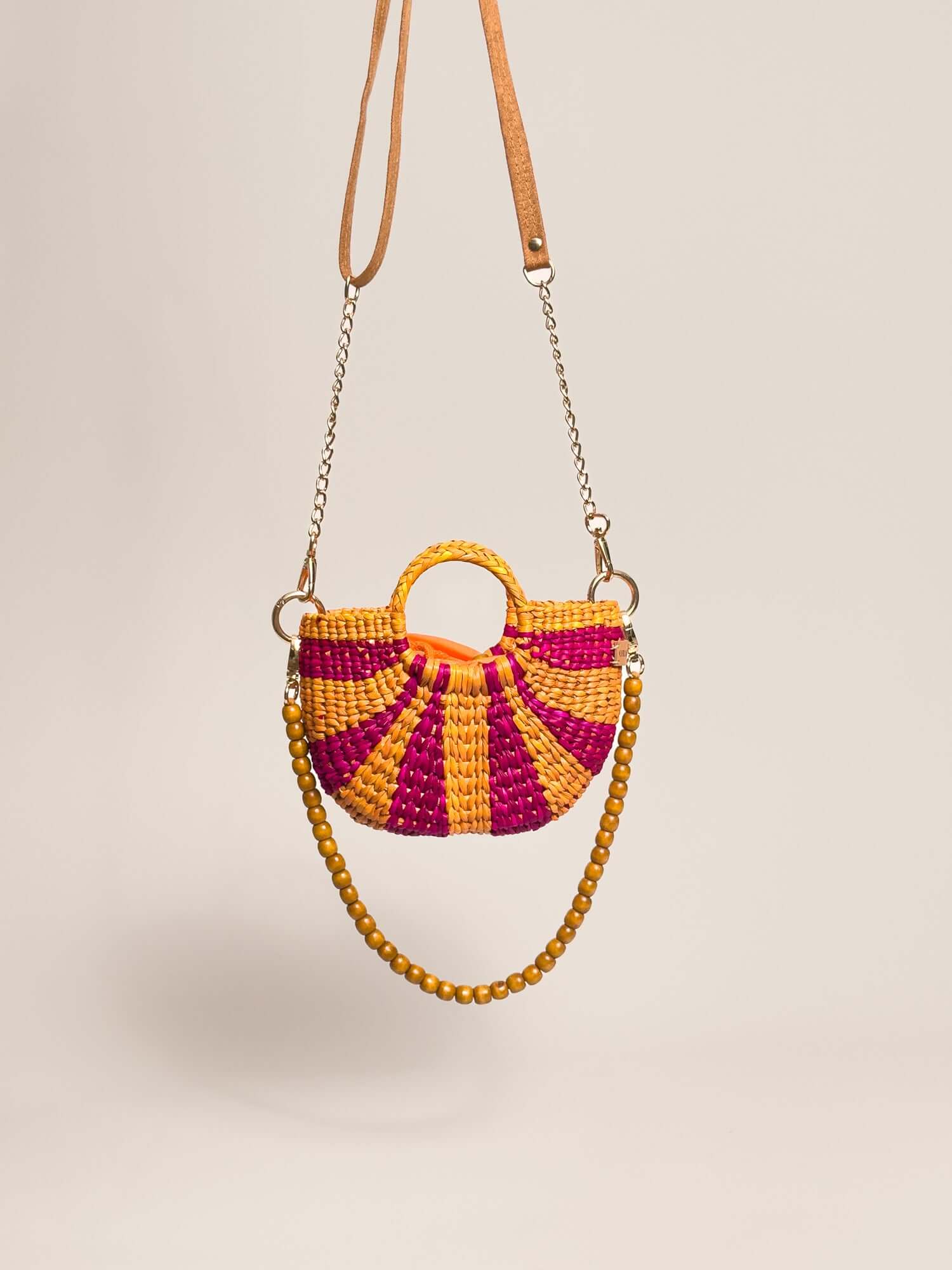
Two years ago this bag was bright — the dye fresh, the weave tight and uniform. Now the weave has settled into itself. The faux suede strap has softened at the grip. The chain is the same chain — unchanged, unbothered. It has been carried to markets and dinners and airports. It has been rained on once. It has spent months in a wardrobe and months in daily rotation.
This is what happened.

How does a junco reed bag hold up after two years of regular use?
Better than most people expect when they first buy one. The common assumption is that natural fibre bags are delicate — beautiful but fragile, destined for a season of careful use before they lose their shape or their colour or their structure. Junco does not behave this way.
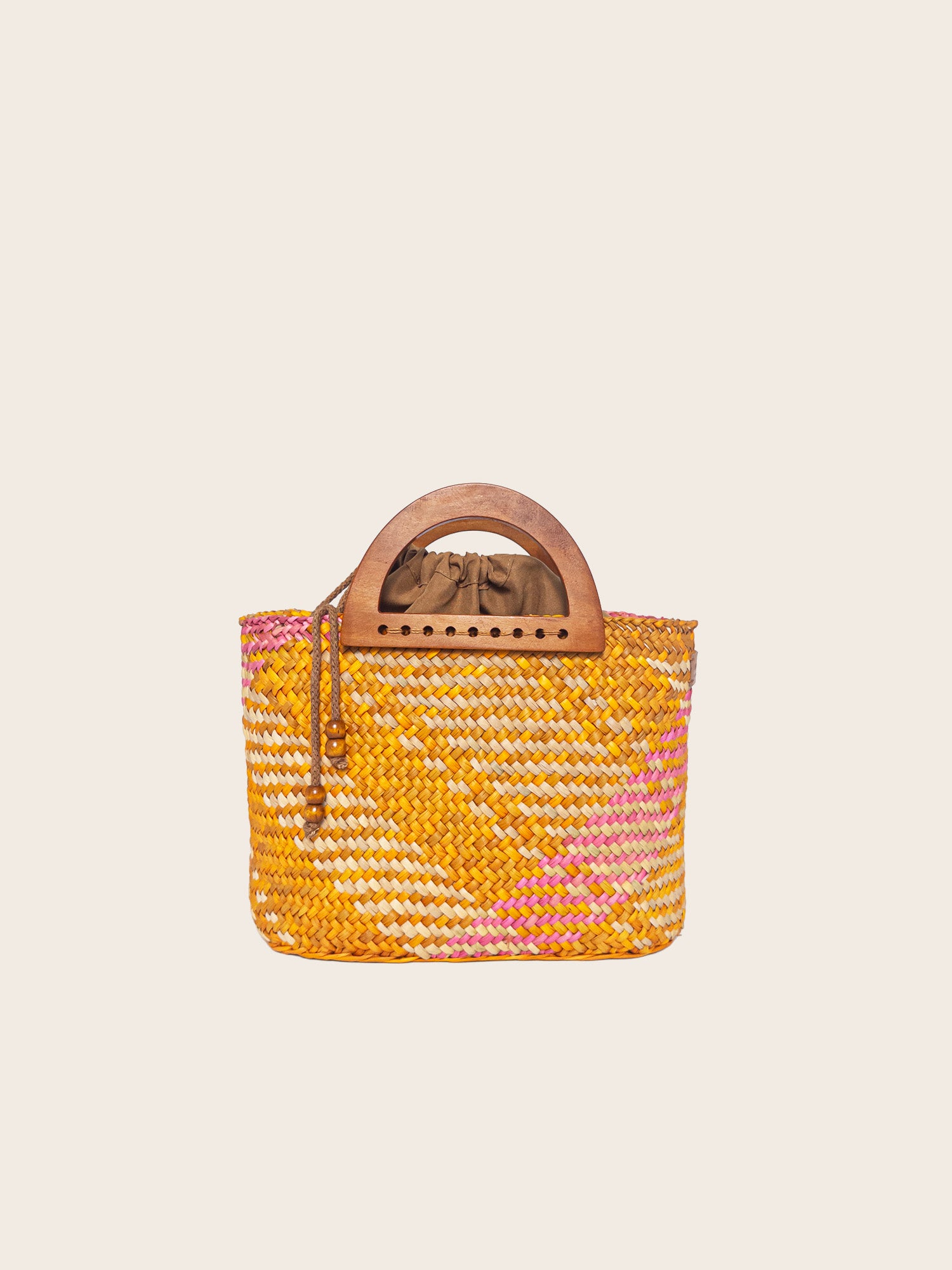
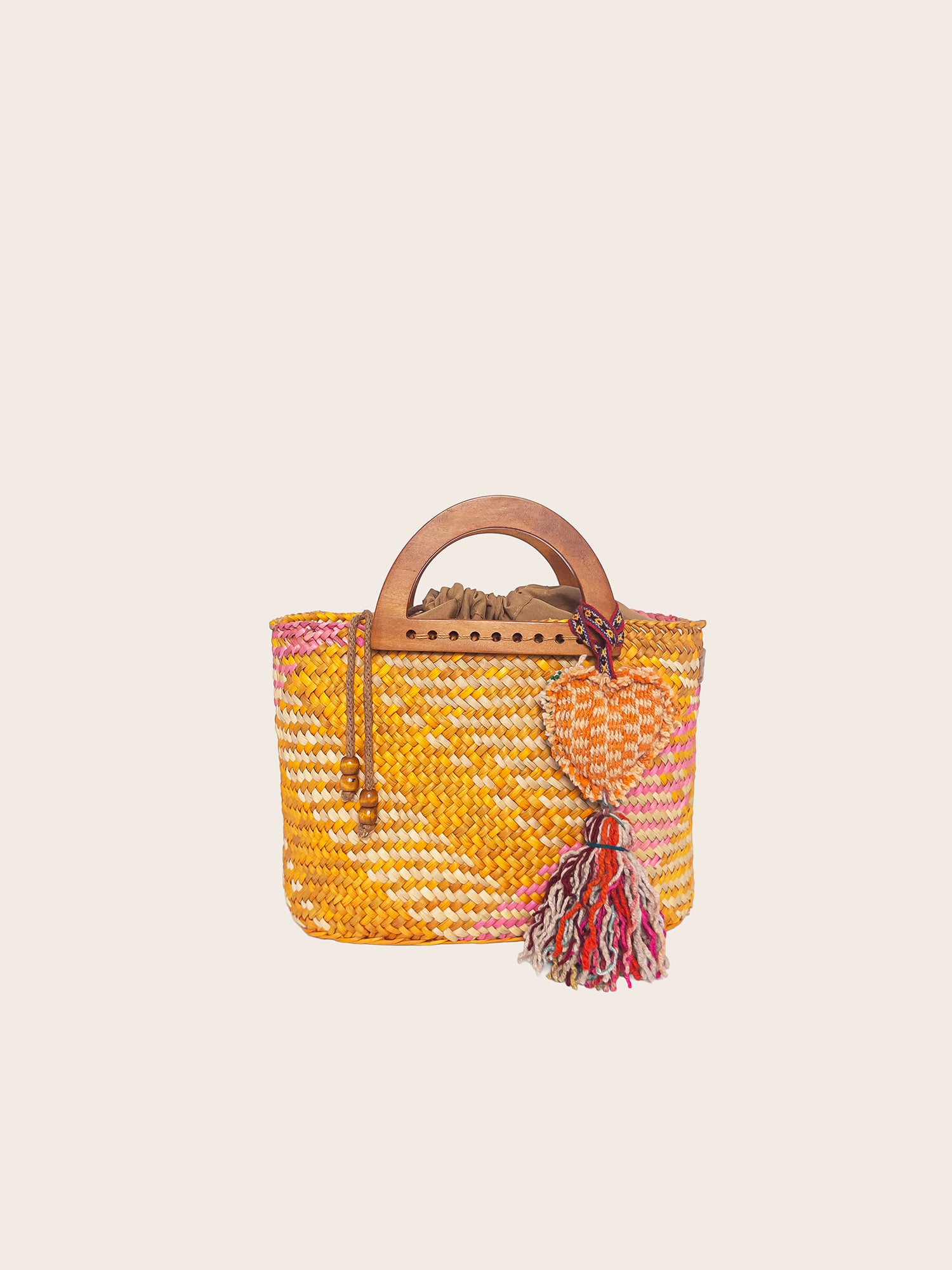
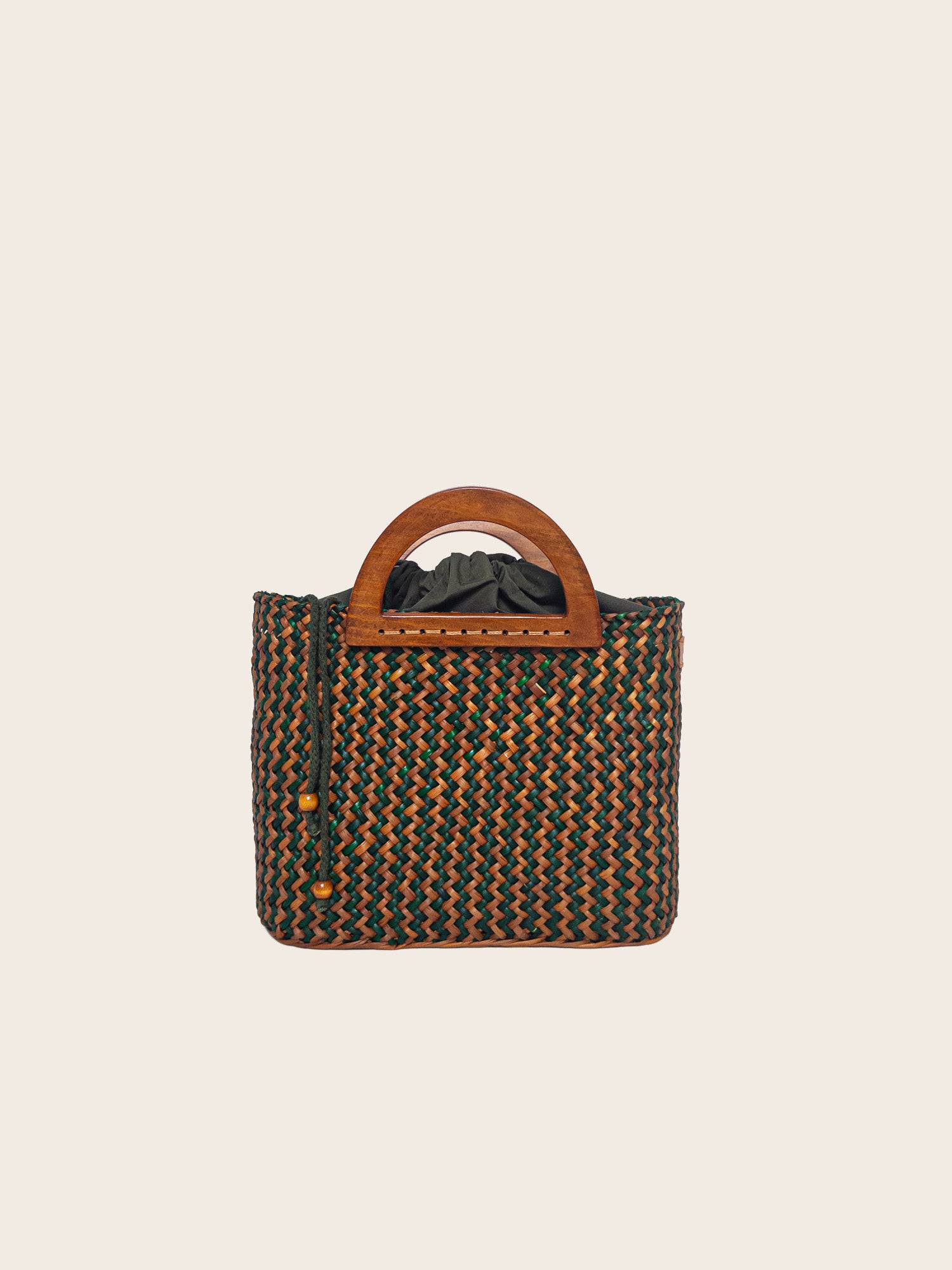
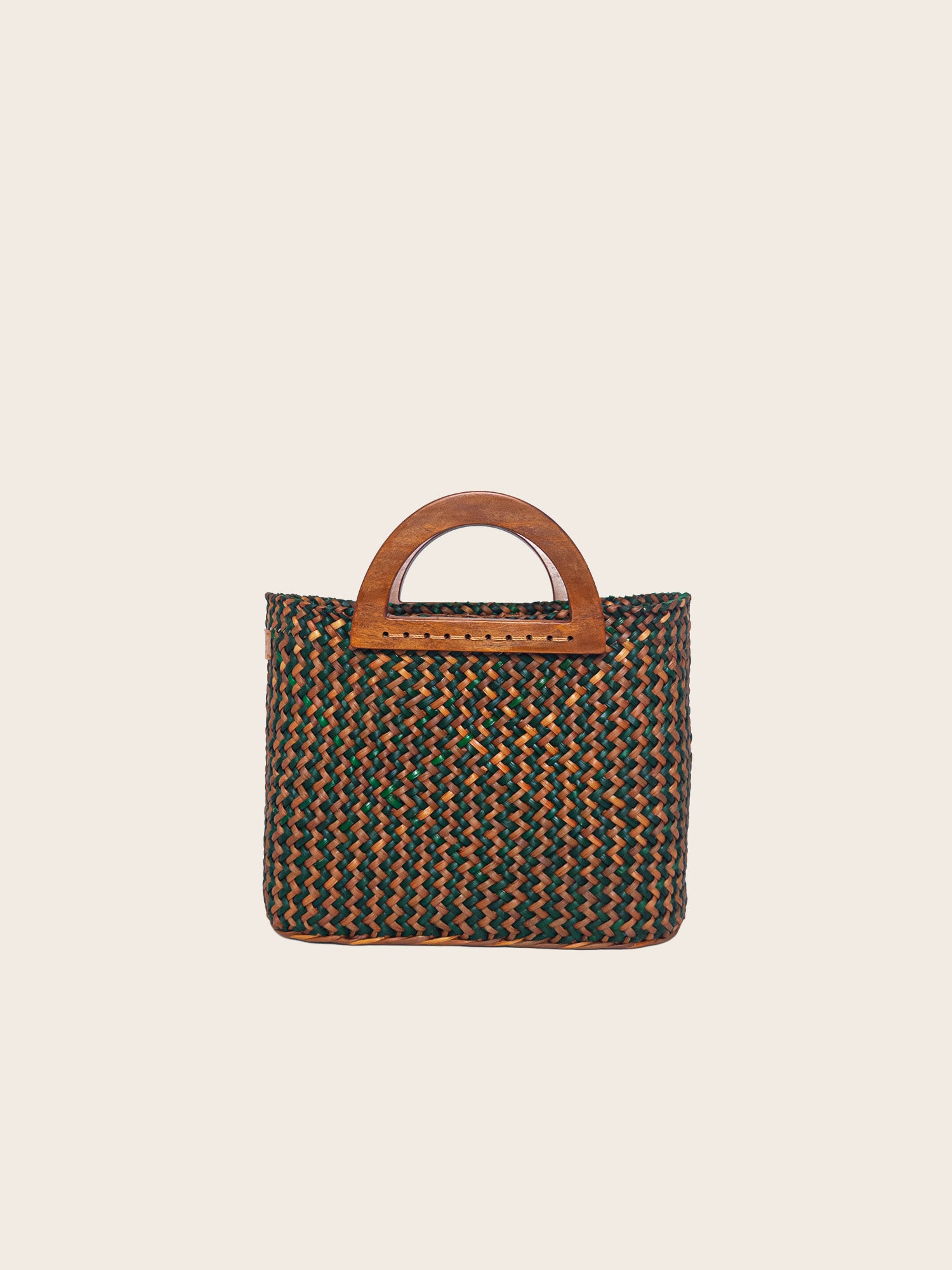
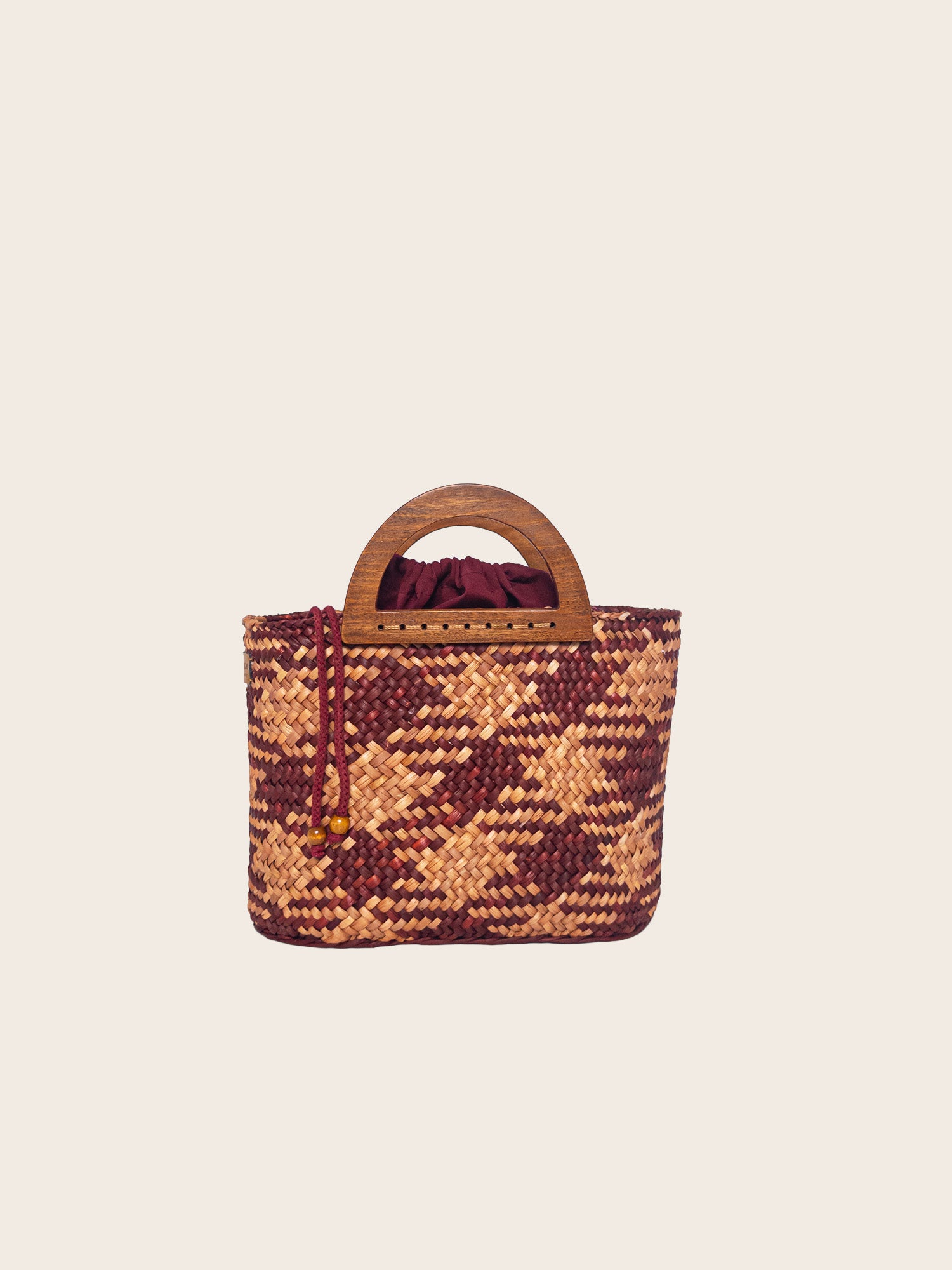
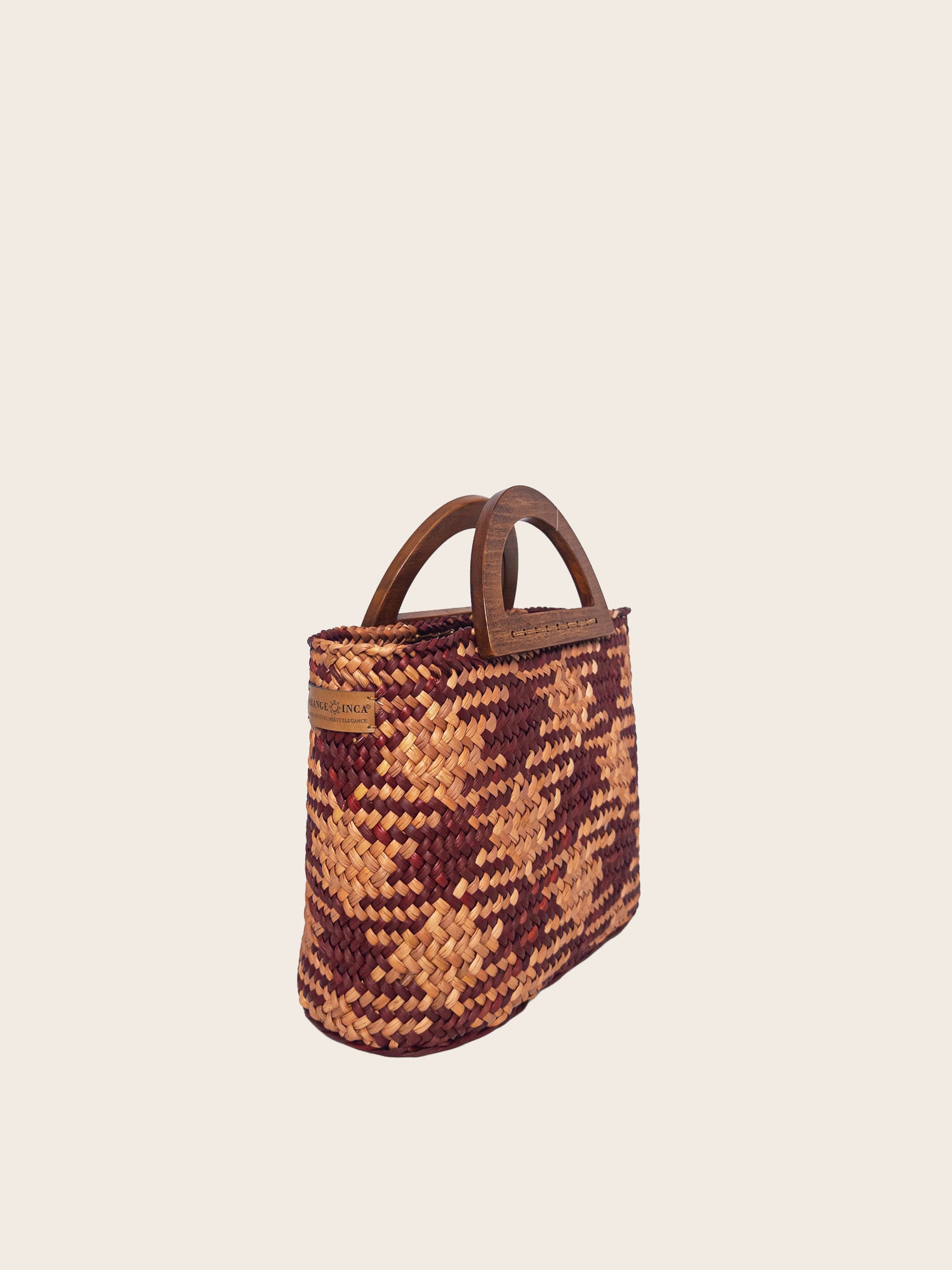
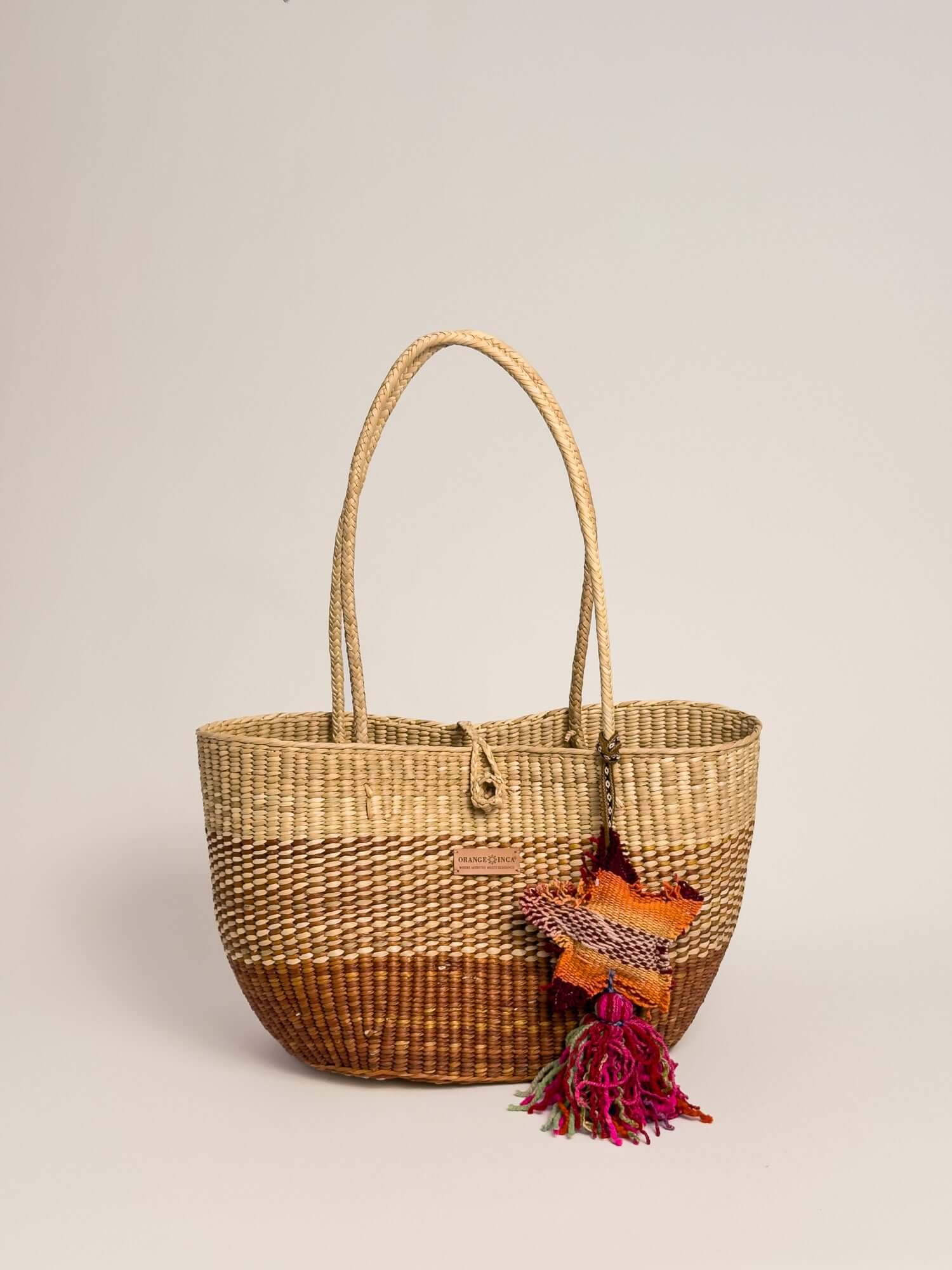
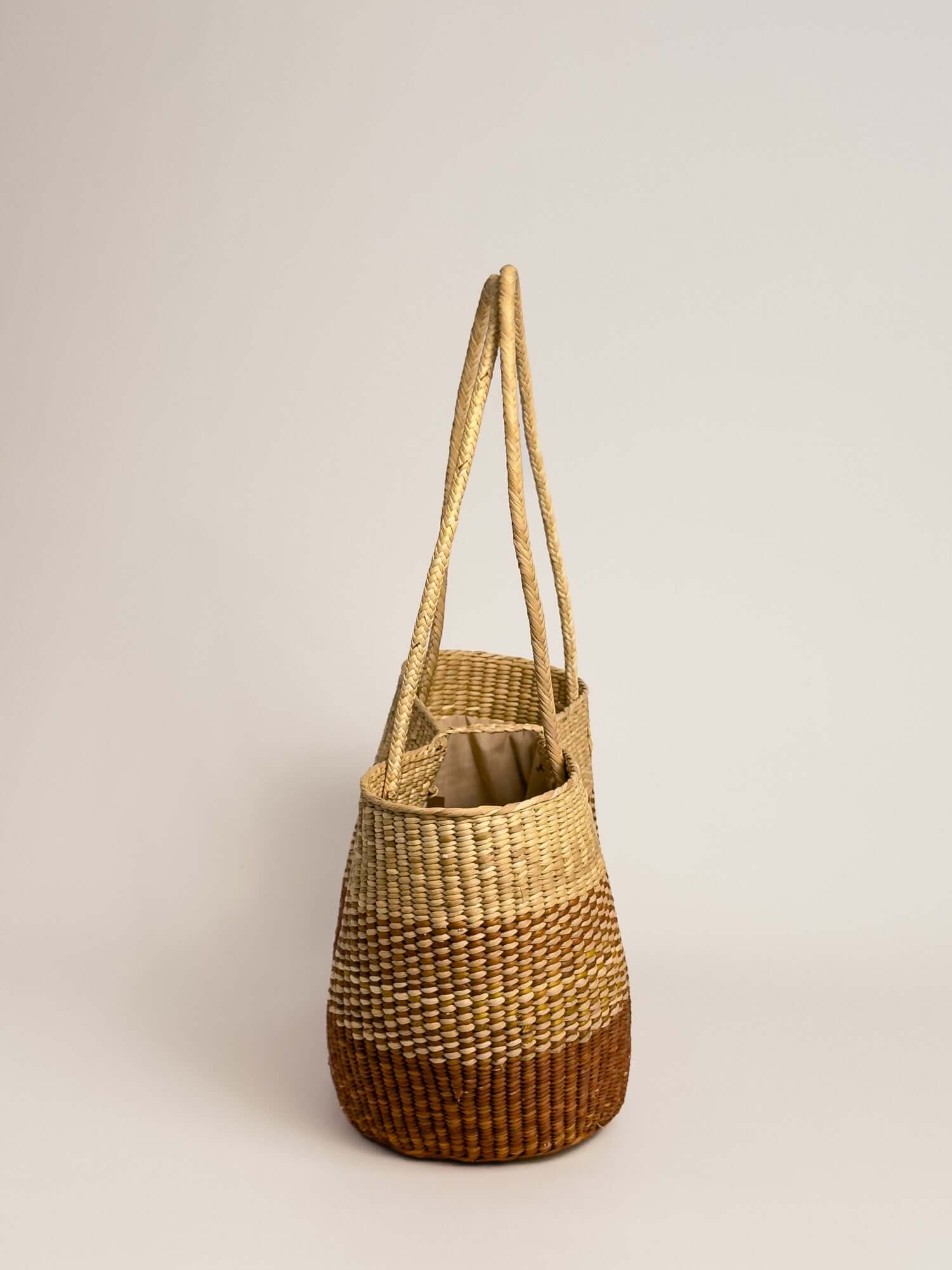
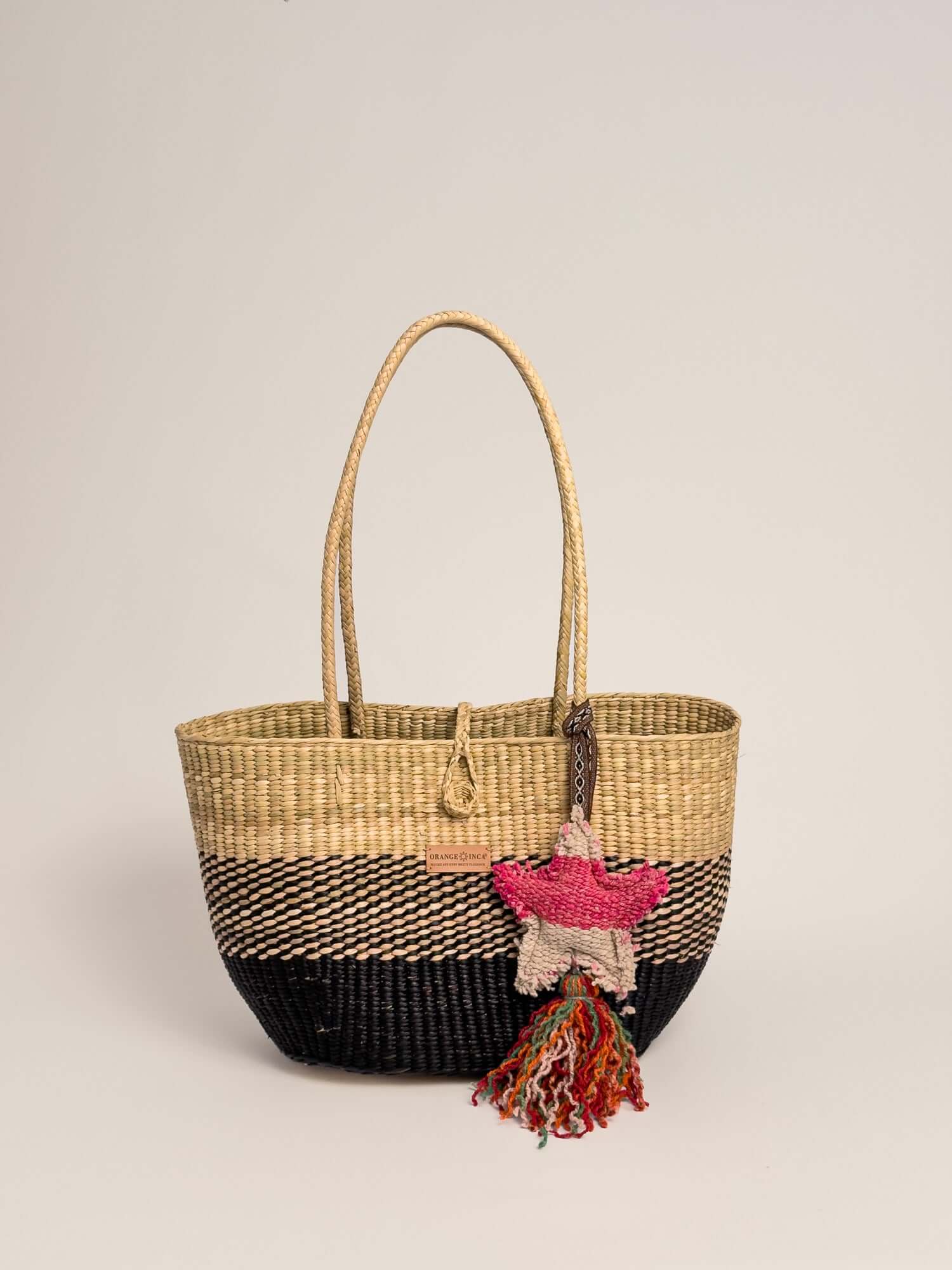
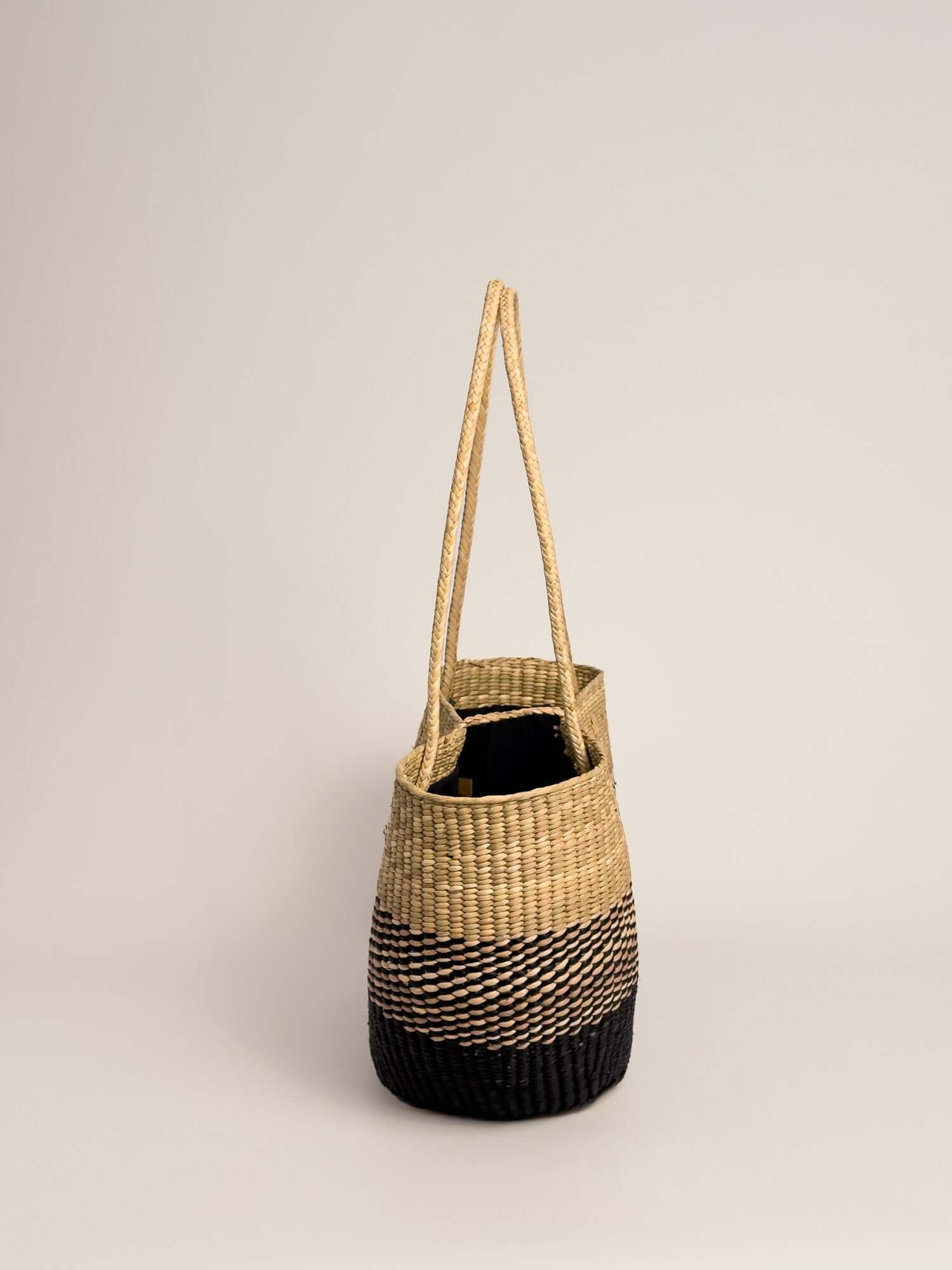
Junco (Juncus genus) is a reed harvested from the coastal wetlands of Peru, where it grows densely and fast in the salt marshes near the sea. The weavers Orange Inca works with are based in communities north and south of Lima, and some in the city itself — people who have worked with this material for generations, not as a craft curiosity, but as a working one. The bags they produce are made to be used. The weave is tight. The structure is held by the tension of the interlacing rather than by glue or stiffener. It is this construction — without hidden reinforcement — that turns out to be junco's durability advantage. There is nothing to delaminate.
After two years of regular use, a junco bag does not fall apart. It settles. The fibres compress slightly underfoot of the bag where it is placed on hard surfaces. The weave relaxes in the areas that flex most — the shoulder area beneath the strap, where the bag folds slightly with the weight of its contents. These are signs of a material adapting to its use. They are not damage.
The faux suede strap softens slightly at the grip with regular use, though it keeps its colour — faux suede holds its tone rather than darkening the way smooth leather does. The chain hardware is the same as the day the bag arrived. The stitching holds.
Is junco stronger than raffia? What actually makes the difference?
Yes — and the difference is structural, not just material. Raffia is a leaf fibre, cut from the fronds of the raffia palm in thin strips. It is fine, lightweight, and workable, but it carries the fragility of its origin: thin strips of dried leaf, layered and pressed into weave. Over time, raffia fibres can crack, split at their edges, and shed. In humid conditions, some raffia weaves stiffen and then relax unevenly. The surface can feel rough after heavy use.
Junco is a round-stemmed reed. Its cross-section gives it a different kind of tensile strength — less like paper and more like a thin cane. It bends under pressure without splitting. It handles friction better. When a junco bag is placed on a stone surface, dropped, or jostled in transit, the fibres absorb the impact rather than fracturing.
The Junco vs Raffia article covers this in detail, including the differences in weave structure and how each ages in different climates. The short version: raffia bags are beautiful and many of them are well made, but junco holds up differently under sustained, everyday use. Over two years, that difference becomes visible.
Does a junco bag develop a patina — does it look better or worse with age?
The character develops. The colour, used carefully, stays.
Junco bags are dyed — the colour is hand-applied, not inherent to the reed. This means the bag you buy is the bag you keep, colour-wise, as long as it is not subjected to sustained, intense UV exposure. Everyday use — being carried, handled, moved through light and shade — does not materially affect the dye. A bag used regularly for two years, stored sensibly, and kept out of prolonged direct sun holds its colour well.
What does change is the surface texture and the way the weave carries light. A new junco bag has a more uniform sheen across the whole surface. An older bag that has been carried regularly develops a softness and slight variation in the way the fibres catch light — areas that have flexed slightly look very marginally different from areas that have stayed rigid. It is subtle. It reads as character rather than wear.
The risk to colour is sustained, concentrated sun. A bag left on a beach towel in direct midday sun for hours, repeatedly, will gradually fade. The same is true of almost any dyed natural fibre. If you are drying a bag after it has been wet, indirect light or open shade is better than direct sun.
The bags that look the best after two years are the ones that have been used rather than stored — the weave is settled, the faux suede is worn in, the whole thing has a quality of having been somewhere. A bag that has spent two years in a wardrobe looks almost exactly as it did when it arrived. Both are correct. Only one has a story.
What happens if a junco bag gets wet?
This is the question most people ask before they buy, and the honest answer is: less than you fear.
Junco is a water plant. It grows in wetlands, marsh edges, and coastal plains. Its natural environment is not dry. It does not react to moisture the way paper or card would. A light rain, a splash, a damp surface — none of these will damage a junco bag.
What you want to avoid is sustained soaking. Leaving a junco bag in standing water, or thoroughly drenching it and then packing it into a closed bag to dry slowly in the dark, can cause the fibres to soften unevenly or develop a slight smell as they dry. If a bag gets properly wet, shake off the excess water, reshape it by hand while it is still damp, and allow it to dry in open air — indirect light or shade rather than direct midday sun, since drying a dyed natural fibre in concentrated UV for an extended period can affect the colour over time.
Pat the faux suede strap dry rather than rubbing it. Allow it to air-dry naturally — it does not need conditioning after getting wet. The chain and hardware are not affected by moisture.
Can you reshape a junco bag if it loses its form?
Yes — and this is one of junco's more useful properties.
If a bag has been packed too heavily for too long, or stored in a compressed state, or simply lost a little of its original structure from extended use, it can be reshaped. Dampen the areas that have lost their form slightly with water — a damp cloth applied to the outside of the weave, or a light mist — then reshape the bag by hand and allow it to dry with the shape held in position. A rolled towel or a few loosely crumpled pieces of tissue paper inside the bag will hold the structure while it dries.
This works because the junco fibres are slightly elastic when wet and firm when dry. The same property that allowed the weaver to work with them by hand allows you to coax them back after the fact.
It does not work for structural damage — a broken base board or split seam — but for shape recovery after normal use, it is reliable.
How do you care for a junco bag to make it last?
The care routine is simple because junco does not need much.
Store it with shape. A junco bag that is stored flat or compressed will slowly lose its structure over months. Keep it upright with its shape supported — a bag insert, a folded cloth, or loosely crumpled tissue. Do not stack heavy things on top of it.
Keep it dry during long storage. For periods of non-use longer than a few weeks, a breathable dust bag is better than a sealed plastic bag. Junco needs air movement.
Clean the surface gently. Dust and light marks can be removed with a soft dry brush. For a mark that won't lift dry, a barely damp cloth applied lightly to the area, followed by air drying, is usually enough. Do not scrub. Do not soak. Do not apply any chemical cleaner to the weave.
Touch up sharp scrapes with a fine-tip permanent marker. The one thing that can catch you out is a hard impact against a sharp edge — a table corner, a door frame, the zip of another bag. When this happens, the dye on a few fibres can be scraped away, leaving a small patch of natural reed showing through. It is not damage to the structure of the bag, just to the surface colour of those fibres. The fix is simple: a fine-tip permanent marker in a shade close to the bag's colour, applied carefully to the exposed area. It blends in well because the reed itself takes the ink readily. Keep a marker in a matching shade if your bag is a colour you love and use heavily.
Keep the faux suede strap away from heavy moisture. The strap handles normal use and light dampness well. For any grime, brush it gently with a soft brush and spot clean with a damp cloth. Do not apply liquid conditioner or polish to the strap — it will change the texture permanently.
Use it. This is not a bag that improves in a wardrobe. The junco settles, the faux suede softens at the grip, the whole thing develops more character with each season it is carried. The bags that look the best after two years are the ones that have been used the most.

Two years in, a junco bag does not look new. It looks right — the way a well-made thing looks when it has been carried rather than collected. The colour holds. The faux suede is worn in at the grip. The weave has found its settled form. Nothing about it suggests it is finished.
That is the point.
Further Reading
- Junco Reed: The Peruvian Material Behind Every Orange Inca Bag — the full material story, from the coastal wetlands of Peru to the weavers north and south of Lima
- Are Raffia Bags Durable? Junco vs Raffia, and What Actually Lasts — what actually separates junco from other natural fibre bags
- How to Care for Your Junco Reed Bag — cleaning, reshaping, storage, and the permanent marker trick
Shop the junco collection:
Junco Crossbody & Shoulder Bags · Junco Tote Bags · The Fiesta Mini

Leave a comment
This site is protected by hCaptcha and the hCaptcha Privacy Policy and Terms of Service apply.