


Five Ways to Style a Frazada in Your Home (And Why Every Piece Is a One-Off)
The rooms that hold your attention aren't the ones that look assembled in an afternoon. They're the ones that feel gathered — a rug from somewhere far away, a textile that used to be something else, objects that carry weight beyond their function. Interior designers in 2026 have a name for this: found luxury. The shift from perfect and curated to lived-in and layered. Objects with a previous life.
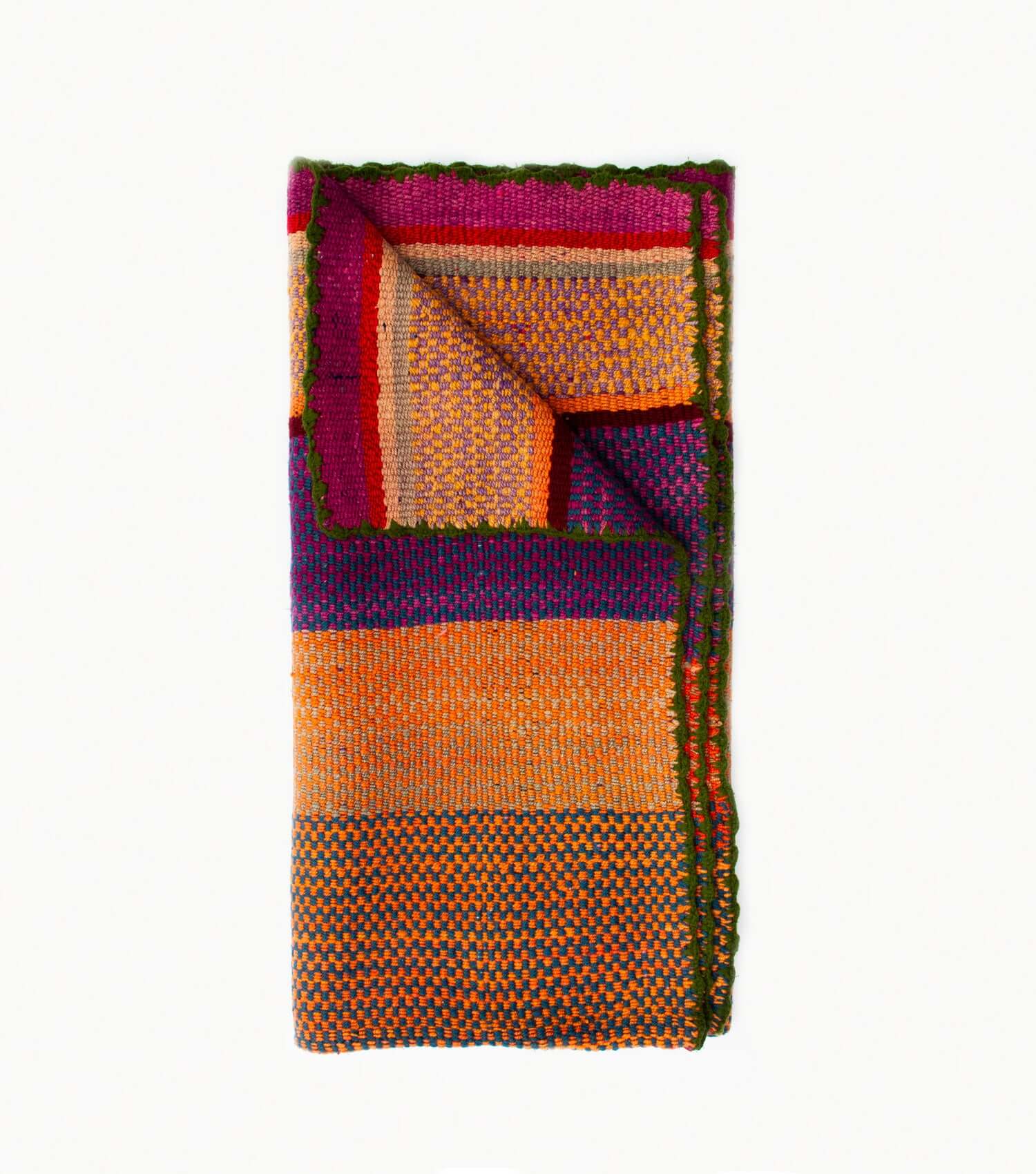
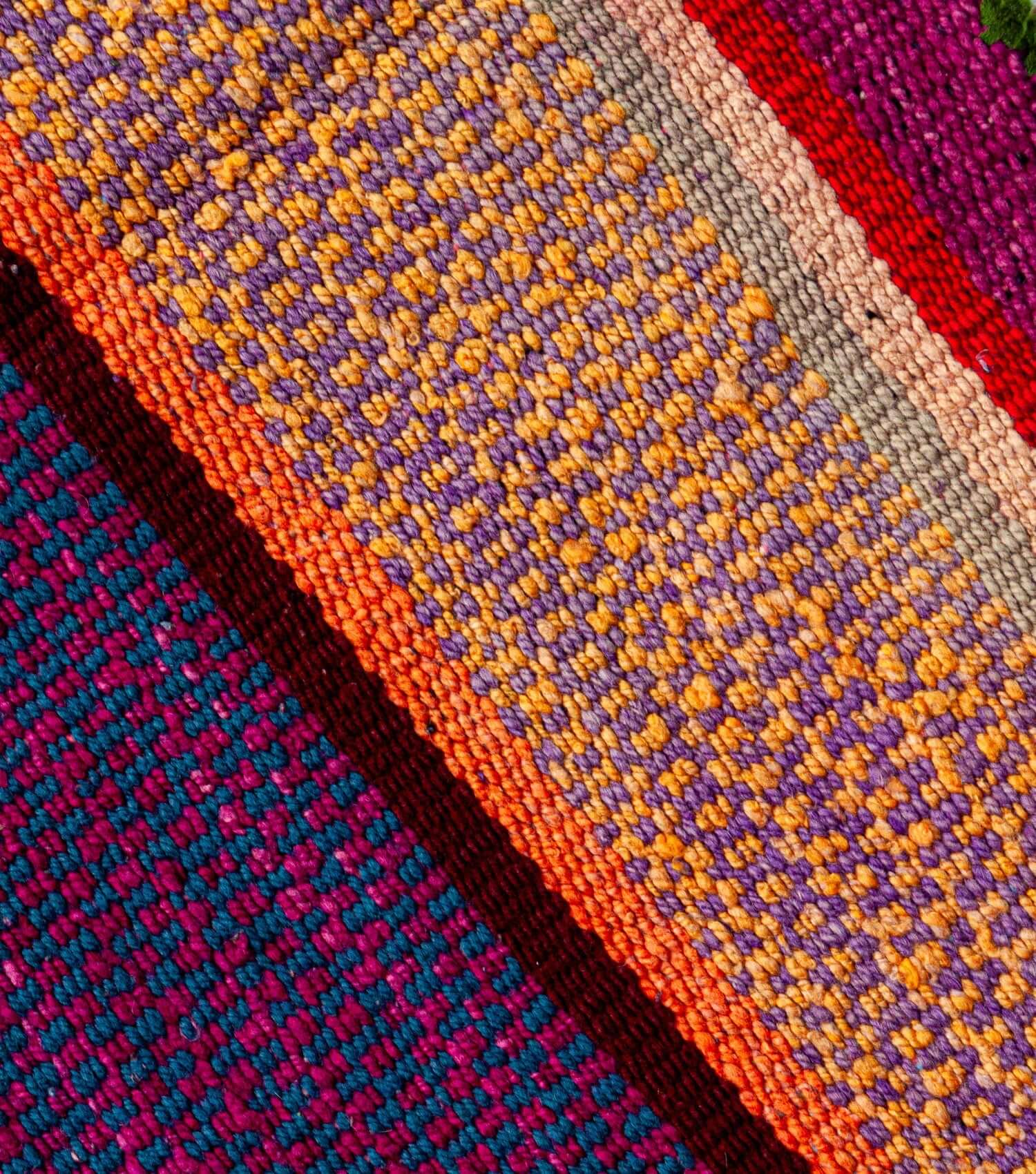
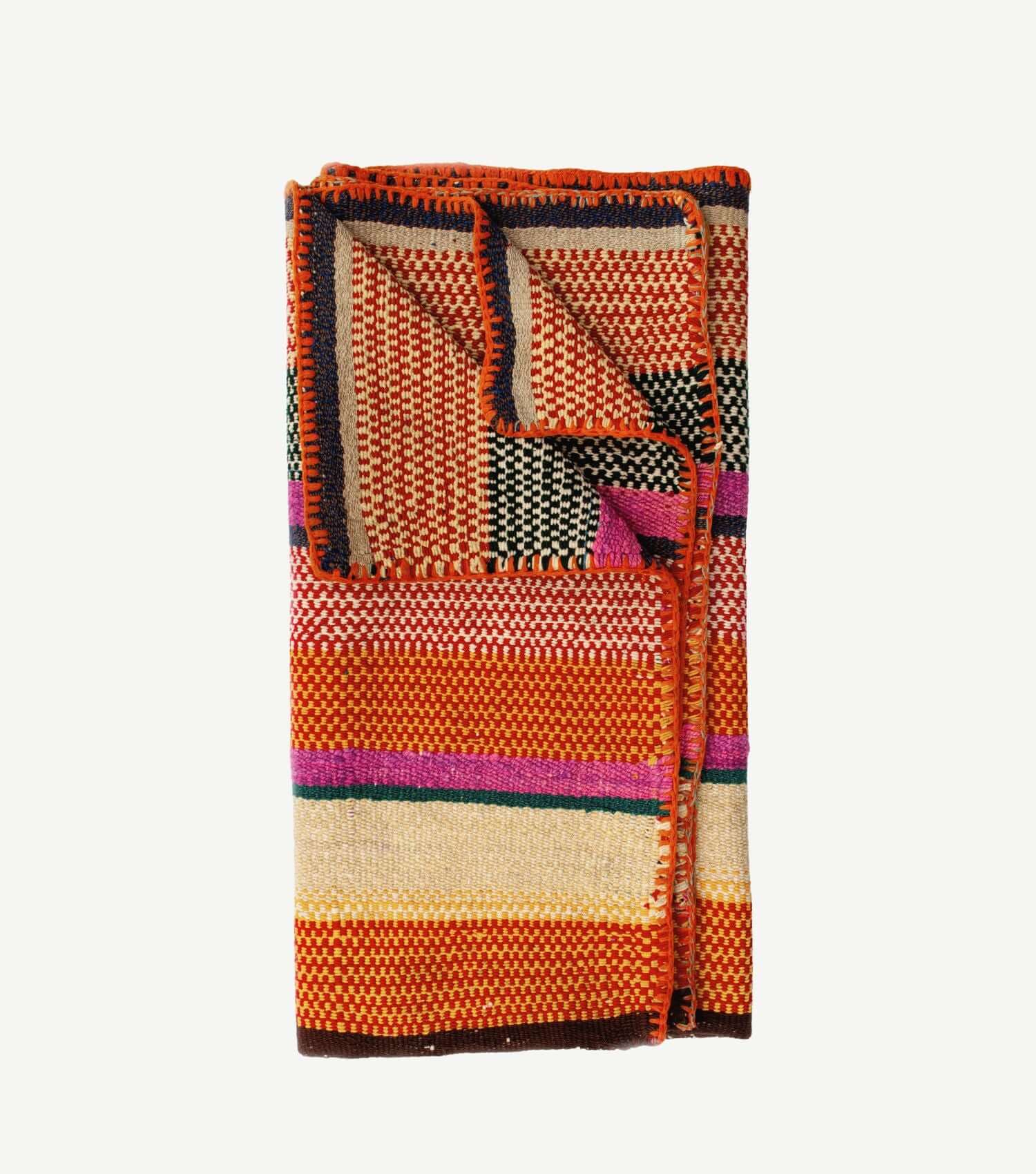
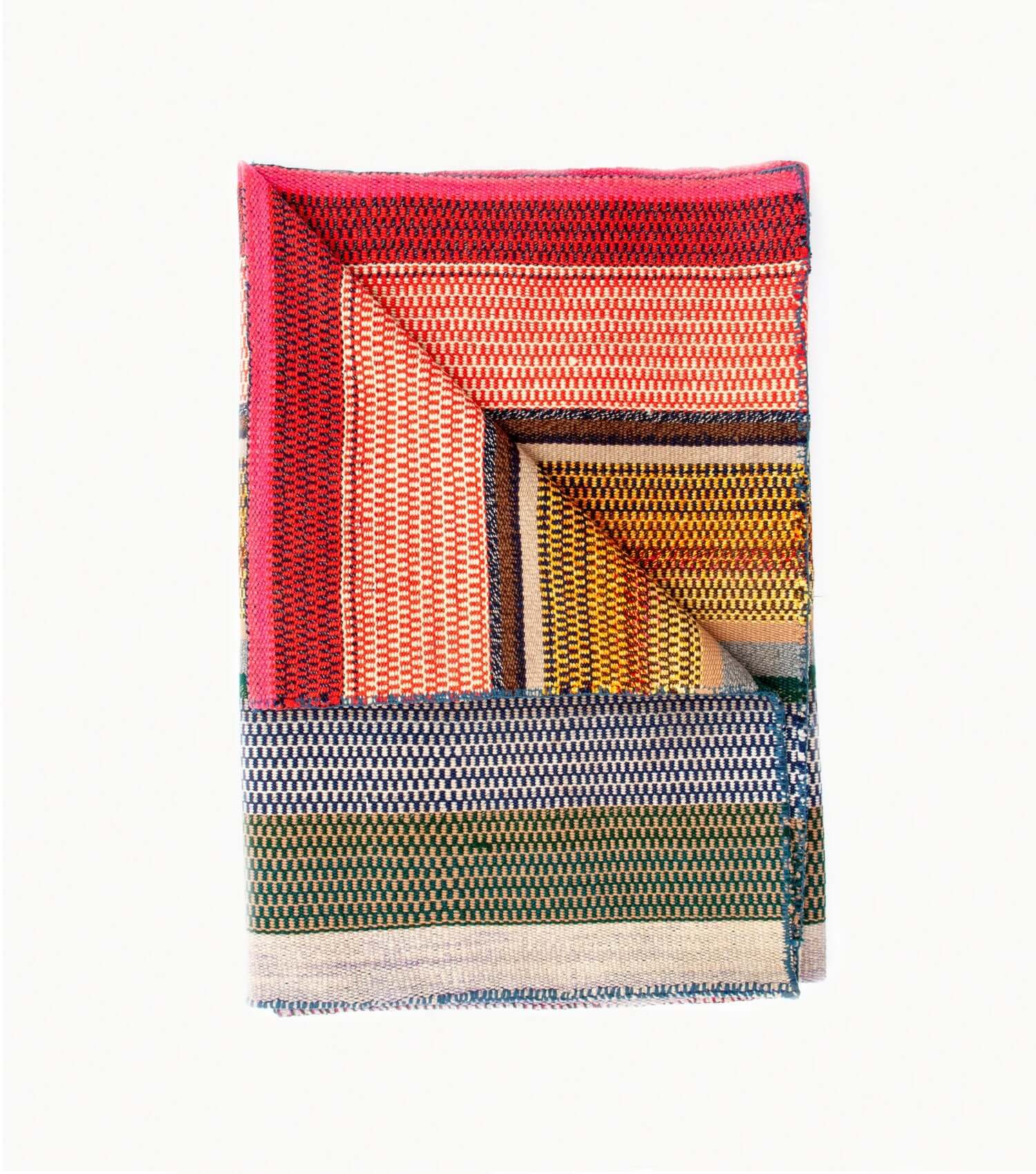
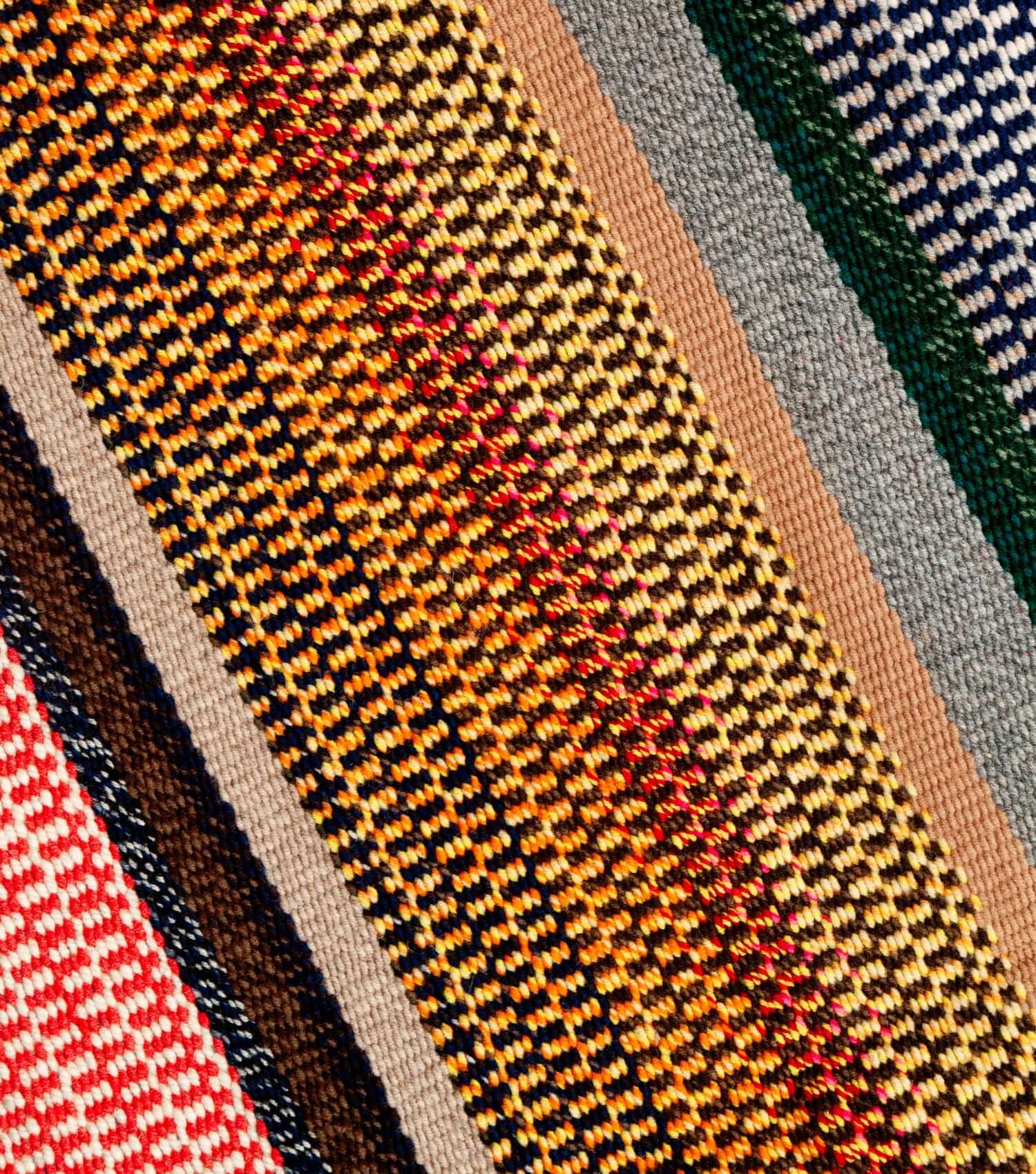
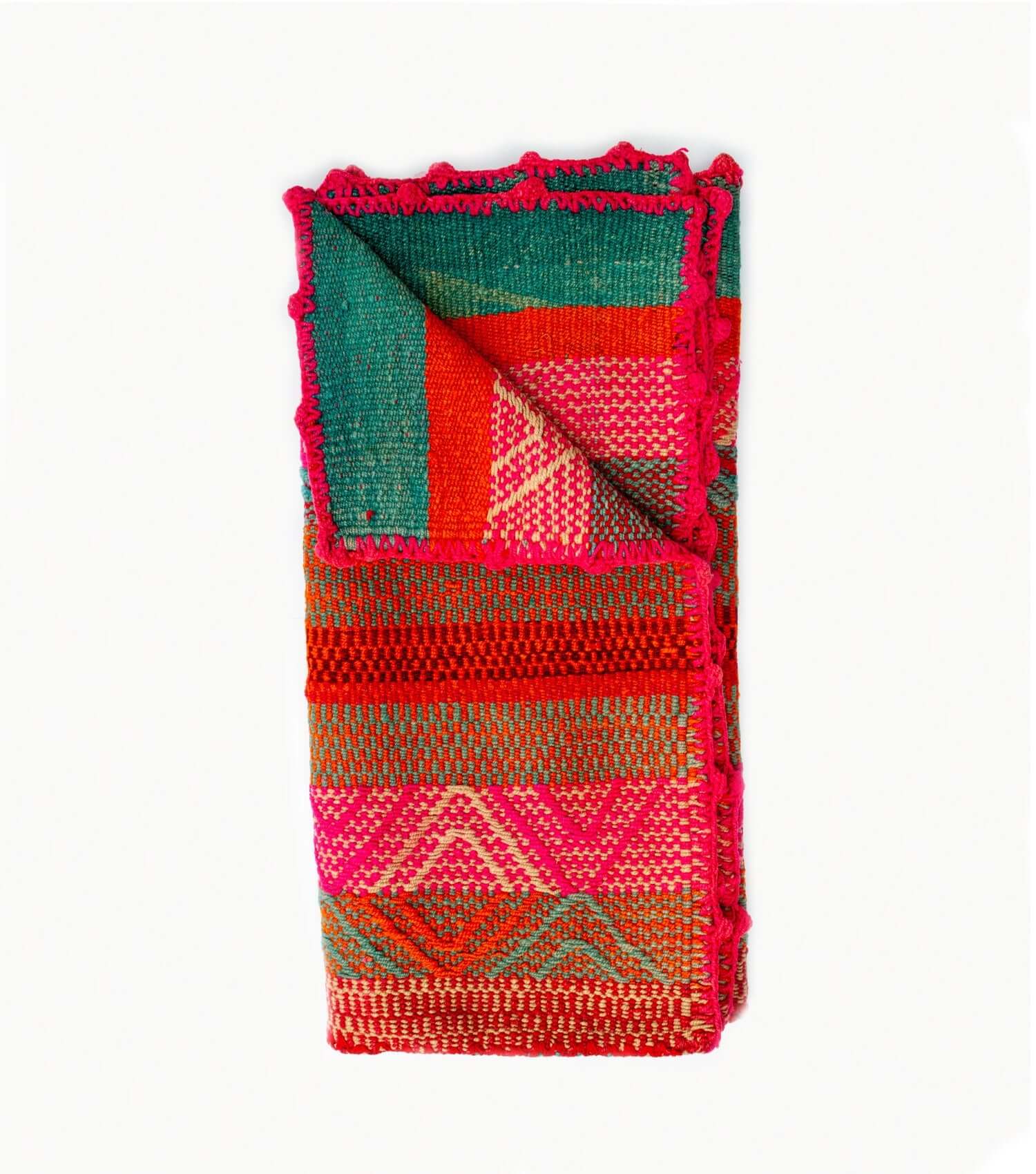
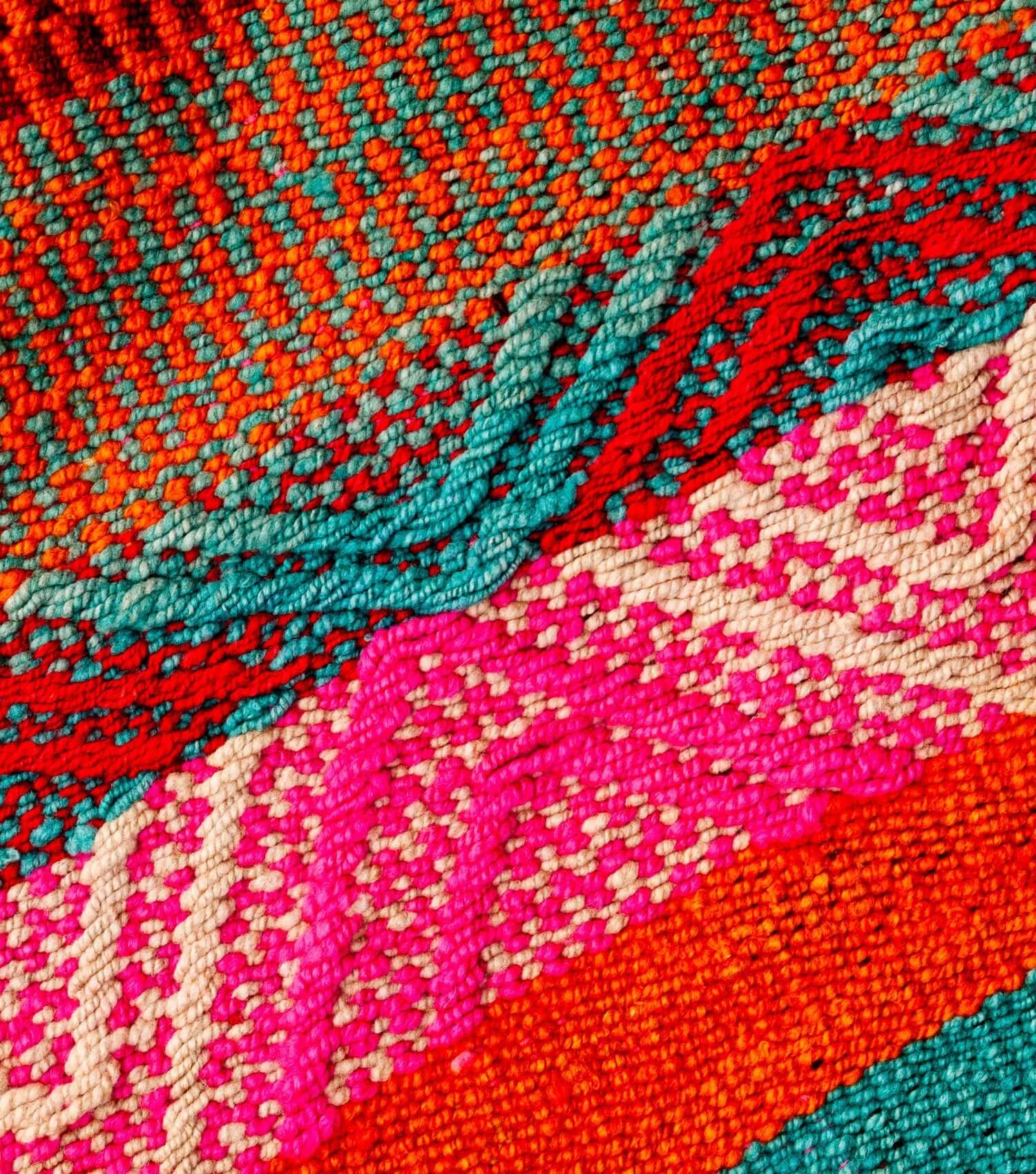
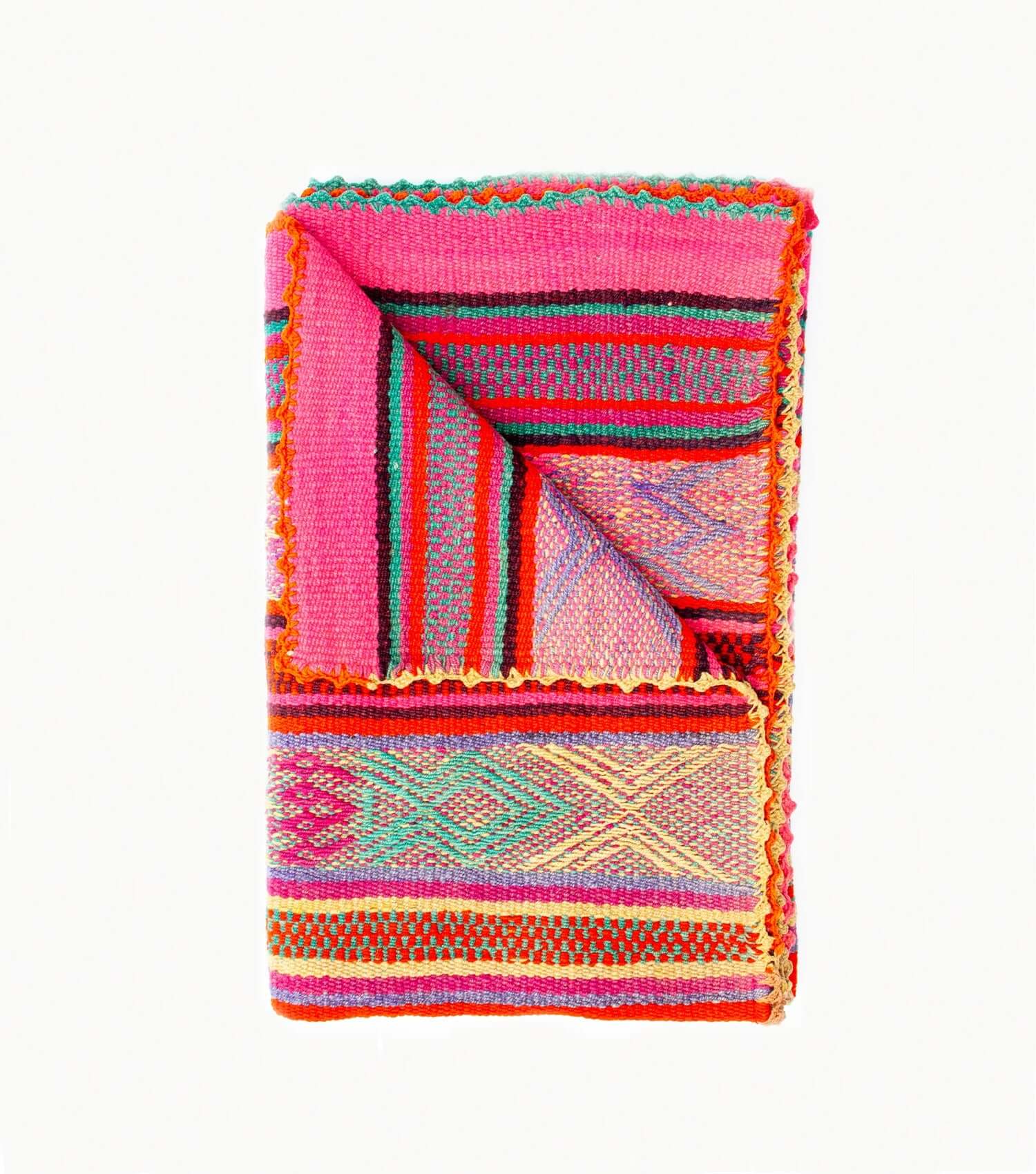
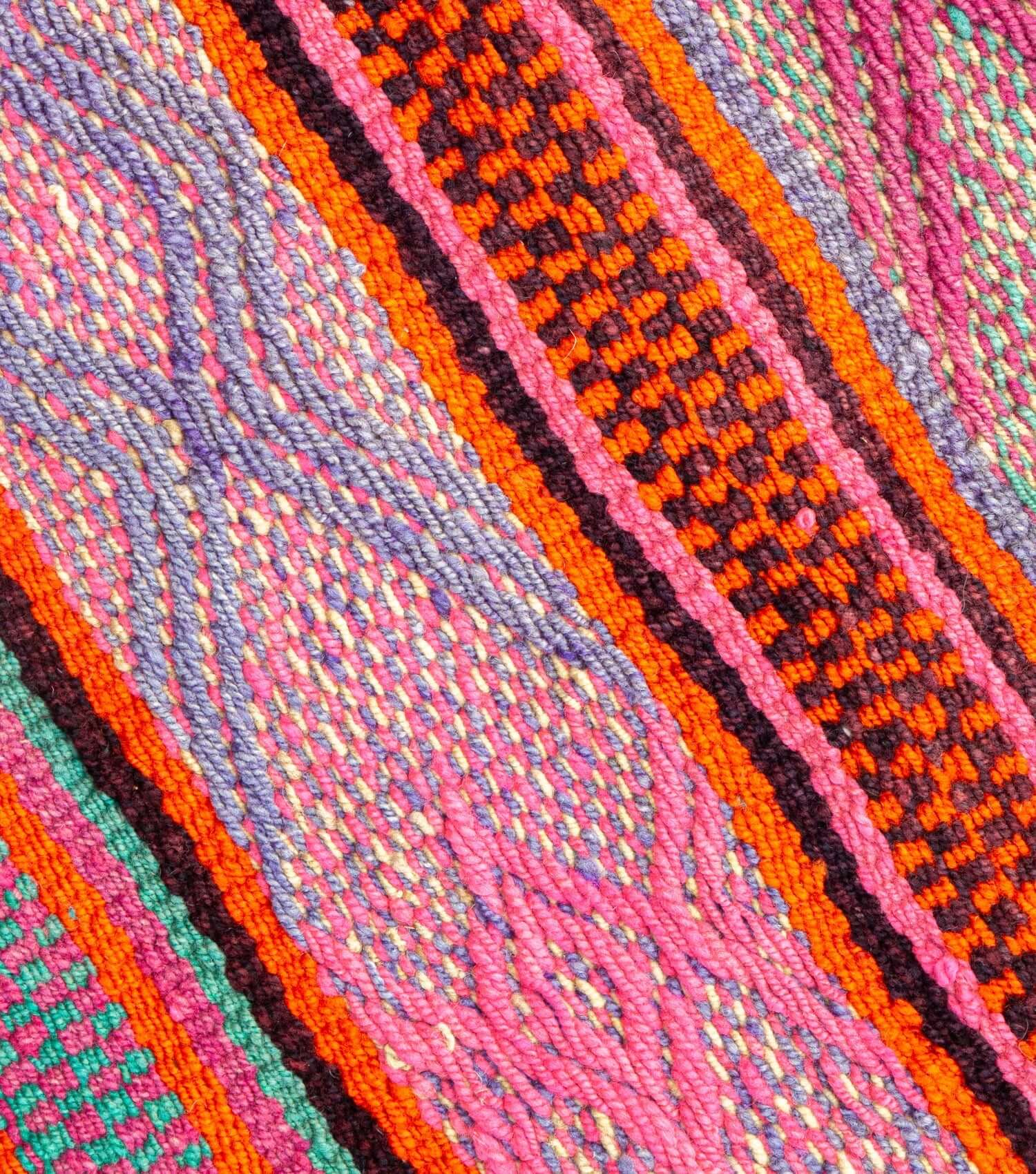
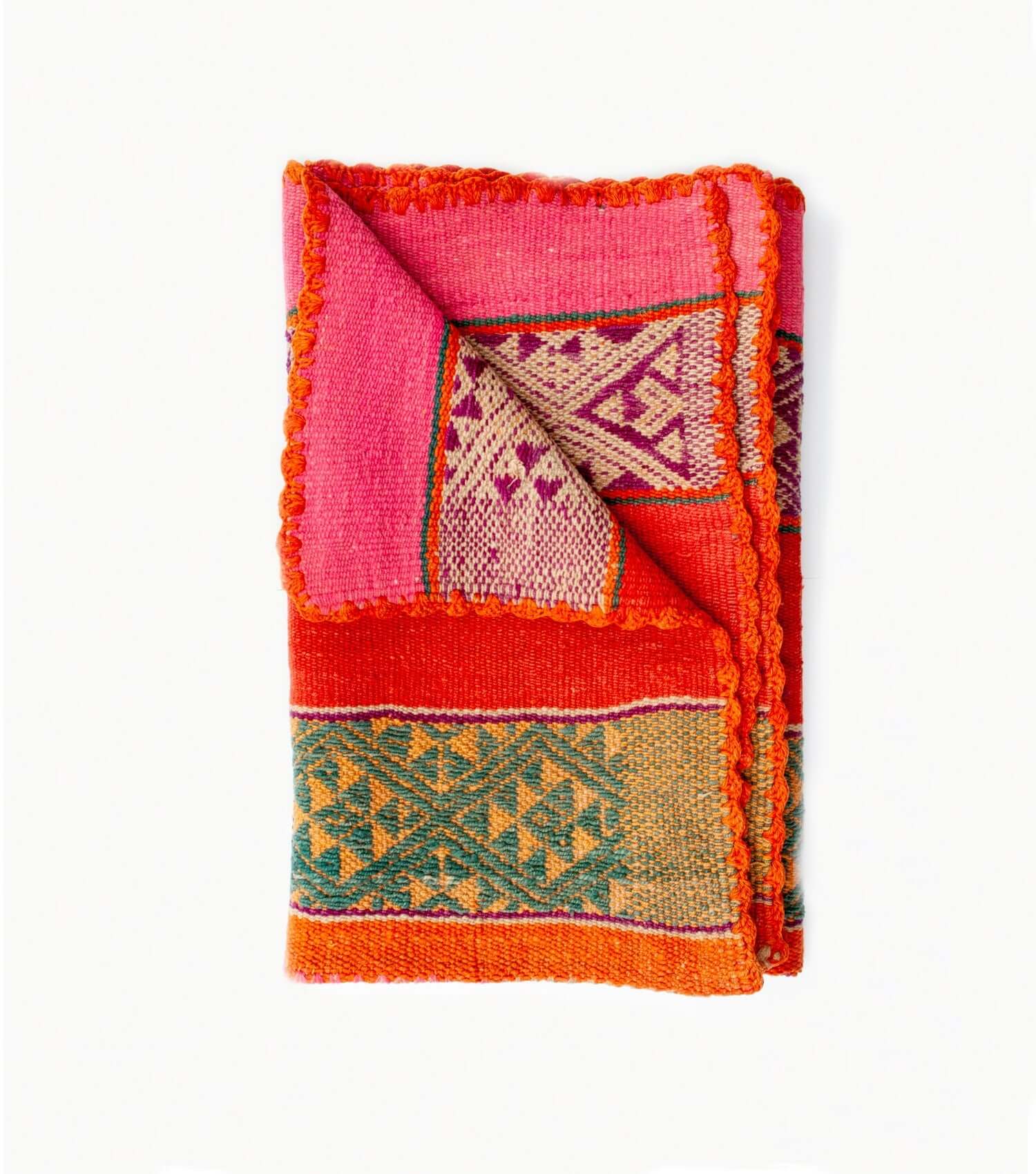
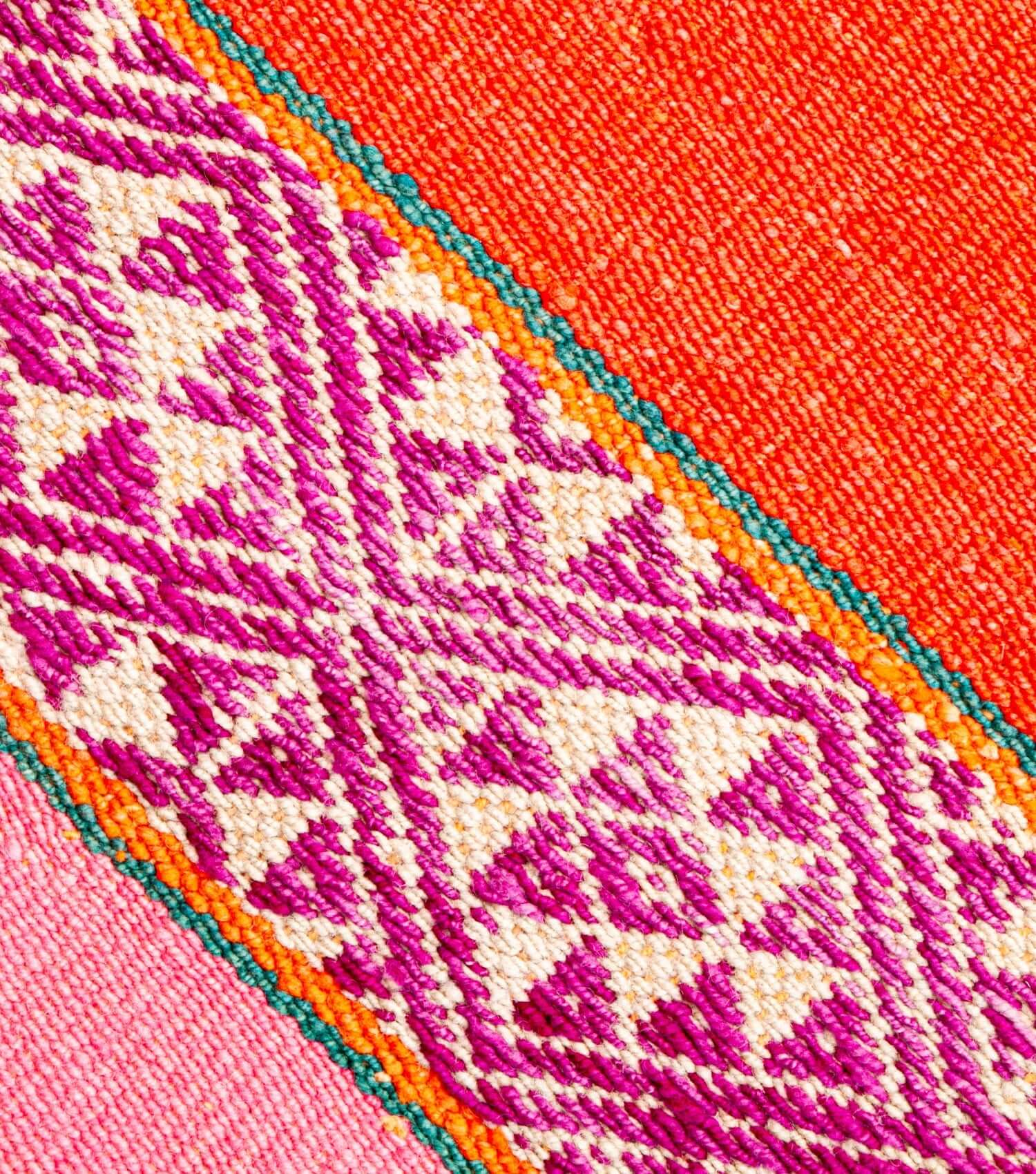
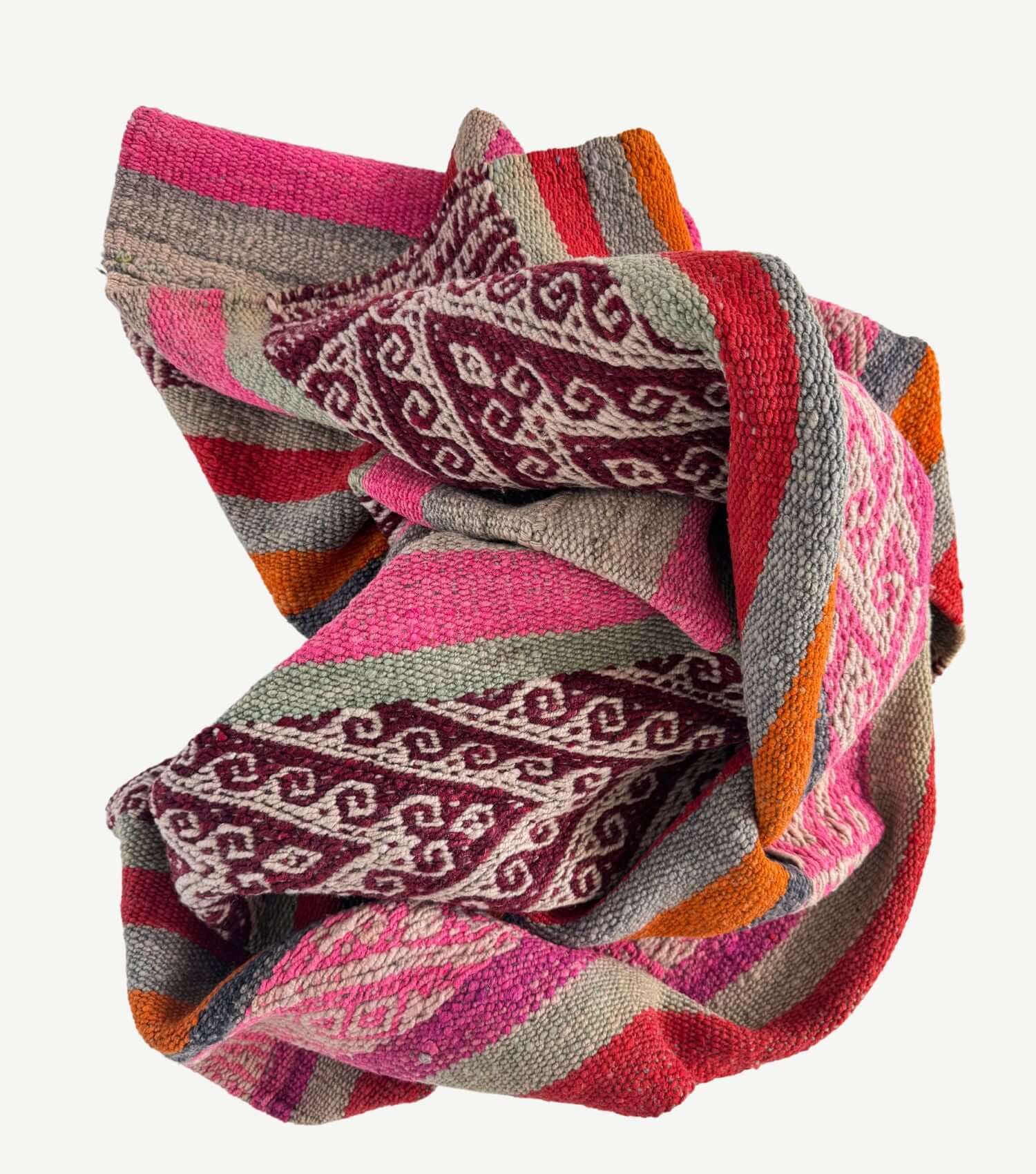
A frazada fits that kind of room exactly. Handwoven on a backstrap loom in the Andes — a loom anchored to a fixed point, the tension held by the weaver's body — each piece is the width of one person's reach. The pattern is carried in memory, not set by a machine. The colour comes from what was available in that region, in that season: cochineal, walnut husk, local minerals. The piece was used in a family home before it arrived here.
There is no reorder. When this frazada is gone, that specific combination of colour, pattern, and hand will not exist again. Here are five ways to use one — and one you probably haven't thought of — each with the practical detail you actually need.

1. On the Floor, as a Rug
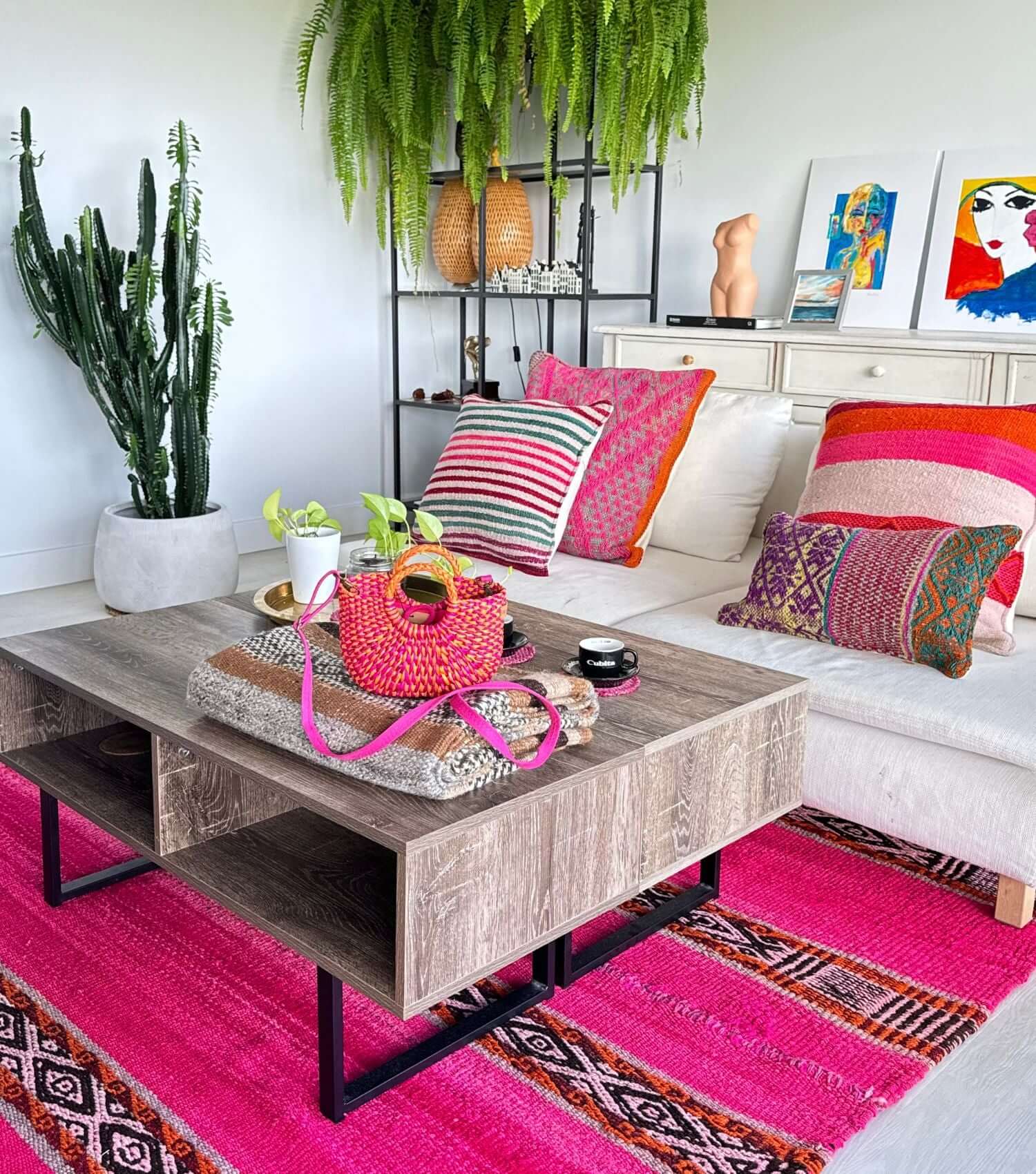
A frazada laid flat is a rug in everything except name. The structure is already there — woven flat, not knitted or looped, which means it sits on the floor without gathering or bunching. The surface holds its shape under foot traffic better than most throws, and the natural wool pile (tight as it is) develops a worn-in quality over time that only improves the look.
The practical notes: use a non-slip mat underneath. This protects the piece from friction wear against a hard floor and keeps it in place — especially important if you're placing it on polished timber or tile. Rubber-backed mats work, but a natural felt pad is kinder to the weave over years.
On sizing: an 180 x 120 cm frazada suits a reading corner or a small coffee table where the sofa sits close to the table's edge. For a proper room anchor — the kind that sits under the front legs of a sofa and all four legs of a coffee table — look for 180 x 150 cm or larger. When in doubt, go bigger: a proportionally generous rug is almost always the better choice.
On layering: a frazada over a jute or sisal base rug is one of 2026's most-cited interior looks — what Homes & Gardens calls "folk flatweave" layering. Leave a border of at least 15–20 cm on each side so the base rug reads as intentional, not accidental.
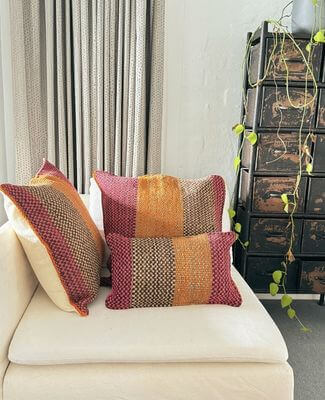
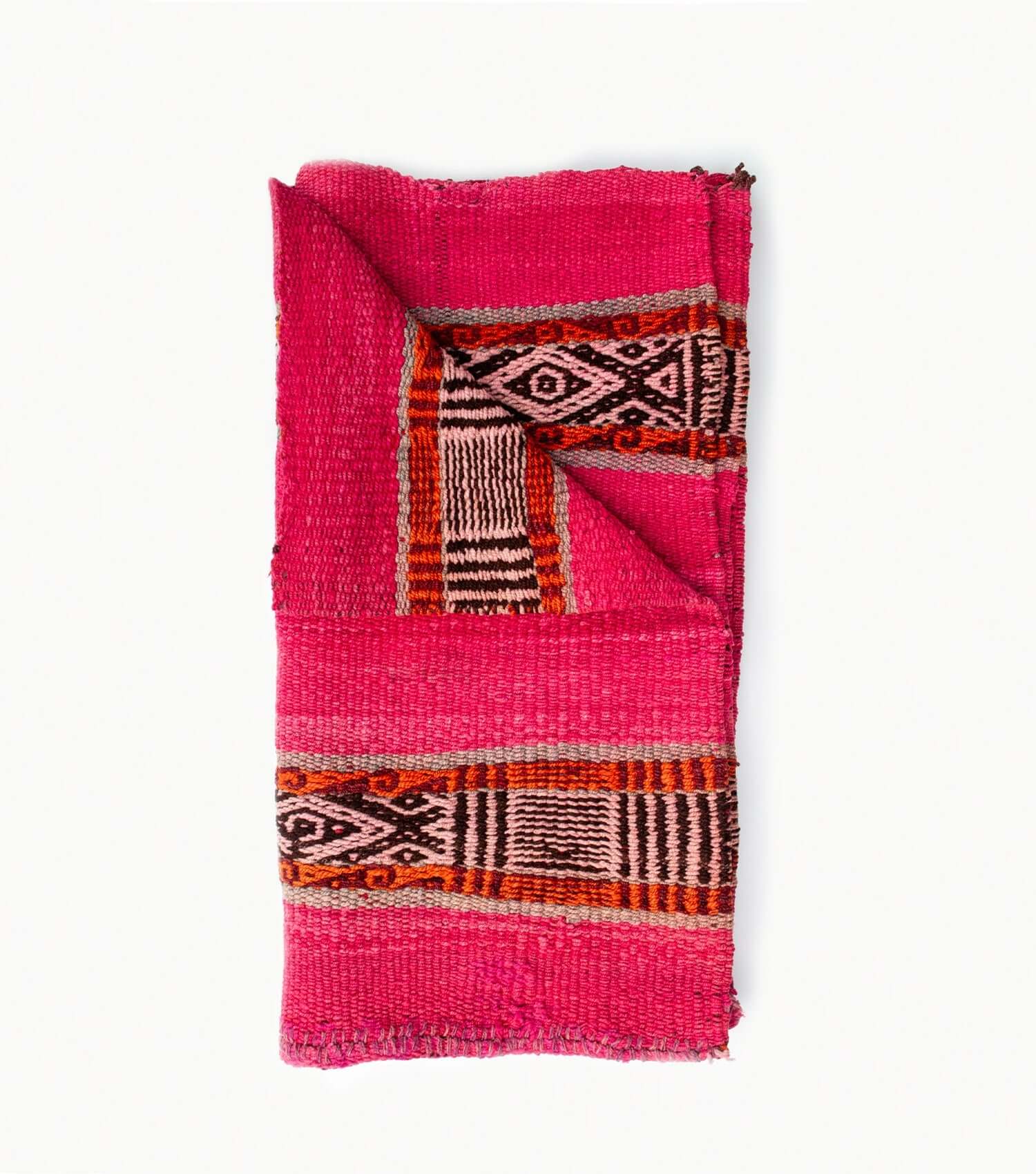
On colour: a frazada's geometric pattern — rows of diamonds, chevrons, stepped lines — does the visual work in a room. The furniture around it should be quieter. A linen sofa, a natural timber table, a plain-weave cushion that pulls a single tone from the frazada's palette. The pattern leads; the rest follows.
Care on the floor: vacuum on a low setting, moving across the weft rather than along it. Spot-clean with a damp cloth and pH-neutral wool soap. Rotate the piece every few months so foot traffic doesn't wear a single line into the weave.

2. On the Sofa, as a Throw
The most familiar use — and the one most often done without care. A frazada draped well over a sofa has a different quality from a mass-produced throw: the weight is there, the texture reads from across a room, and the pattern holds its detail rather than softening into decoration.
How to drape it: diagonally across one corner of the sofa works best — one end on the seat, the trailing end loose over the armrest. Let it be slightly artless. A too-precise fold is the thing to avoid: a frazada should look like someone was just using it, not like it was arranged for a photo.
On pairing with your sofa colour:
- Dark sofa (charcoal, navy, slate): a frazada in warm tones — rust, terracotta, ochre, cream with earth-red stripes — creates the contrast that makes both pieces visible.
- Warm neutral sofa (camel, oatmeal, sand): a frazada in cooler or deeper tones (burgundy with navy, teal with cream) adds depth without competing.
- Olive or sage sofa: a frazada in warm reds and golds will sit beautifully against the green undertone — this is a pairing that reads as collected rather than matched.
The rule is contrast in value or temperature, not necessarily in pattern. Most frazada patterns are self-contained enough that they don't need the sofa to "go with" them. They go with almost anything, as long as the sofa isn't fighting for attention.

3. On the Wall, as Art
Apartment Therapy's 2026 State of Home Design report — compiled from interviews with 140 interior designers — named vintage textiles the most sought-after secondhand item in interiors this year. One designer's description: "tapestries are texture, story, and artistry on the walls." The specific endorsement that appeared in the report: hanging a throw blanket or woven rug on the wall, exactly as you would hang a painting.
A frazada is exactly this. The challenge is doing it without damaging the piece.
Three methods, in order of permanence:
Dowel rod through a fabric sleeve (best for long-term display): Sew or iron-glue a 3 cm fabric sleeve along the top back edge of the frazada. Slide a timber or metal dowel through the sleeve, then hang the dowel on two nails or hooks. The weight is distributed evenly along the entire top edge rather than pulling at specific points — this is the method used by textile museums for displaying fragile or antique pieces. The frazada can be removed and re-hung without damage.
Curtain rod and clip rings (best for easy rehang): Curtain clips with small clamps attach along the top edge, then hook onto a curtain rod. Works well if you want to be able to take the piece down and use it, then re-hang. The clips may leave very minor impressions on the edge weave over time — position them carefully, avoiding the tassels or fringe.
Velcro strip (best for renters): Iron-on velcro along the top back edge of the frazada, paired with adhesive velcro strip on the wall. Holds well for a normal frazada weight and causes no damage to the wall. Limitation: extended use can distort the top edge of the weave under the velcro pressure. Better for occasional or rotating display than a permanent installation.
What to put around it: a frazada on a wall works best against a plain, light surface — warm white, plaster, pale sage. It doesn't need frames, shelves, or other objects to keep it company. One well-hung piece fills a wall the way a large painting does, and the texture reads far better in person than any print.

4. On the Bed, as a Layer
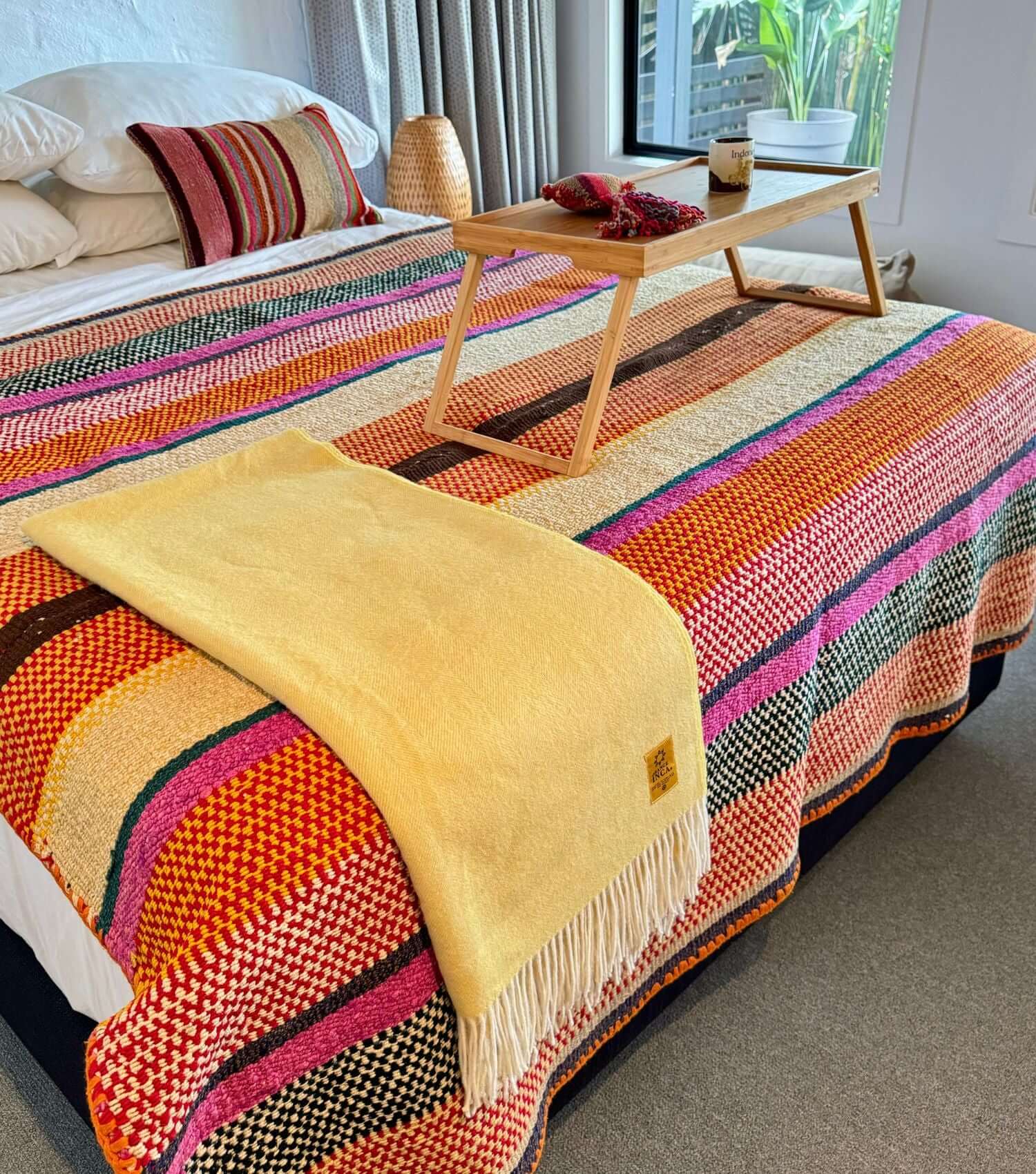
Folded across the foot of a bed, a frazada does two things simultaneously: adds warmth without adding weight (the open weave is warmer than it looks), and gives the bed the layered quality that makes a room look considered rather than assembled. Interior design language for this is "the collected bedroom" — the bed that looks like it developed over time rather than arrived from a showroom floor.
What to pair with: neutral bedlinen works best — white, cream, pale stripe, or washed linen in natural tones. A frazada with colour and pattern against plain white bedding is the contrast that makes both things visible. If your bedlinen already carries pattern, choose a frazada in more tonal colourways — something in earthy or muted tones that reads as warmth and texture rather than competing pattern.
On width: most frazadas fall between 110 and 160 cm wide. A standard queen bed is approximately 153 cm. If the frazada is narrower, it reads as a deliberate throw across the centre of the bed rather than a full-width layer — this is fine, as long as it's centred intentionally. A full-width frazada laid folded at the foot (showing one or two folds rather than laying flat) sits closer to the "hotel linen" look if that's what you're after.

5. Outside — Beach, Garden, Deck
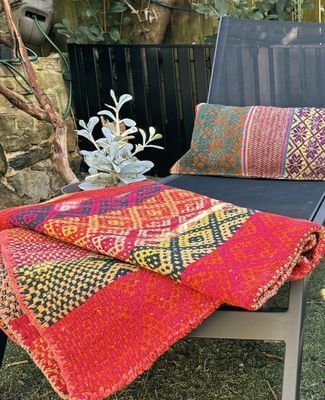
The use case almost nobody covers. Laid flat on the sand at the beach, spread across a garden lawn, or draped over an outdoor chair on the deck — the frazada works in all of these, and the reason is the fibre.
Natural wool breathes and wicks moisture away from the body. It doesn't generate static against natural fabric furniture. In cool months it holds warmth; against a coastal breeze, it keeps the chill off without being heavy. For a beach picnic or a day in the garden, it performs better than most synthetic outdoor blankets.
The colours, specifically, come into their own in natural light. The deep reds, pinks, ochres, and earthy oranges that can feel strong in a low-light interior read exactly as they were intended when the sun is on them. These colours were formulated for the Andean highlands — made to hold vibrancy in high-altitude sun. Under Australian coastal or garden light, they do the same thing.
On a beach setting: lay the frazada flat on the sand above the tide line. Add what you'd bring to a good meal anywhere — a board with fruit and bread, something cold to drink, simple glasses. The frazada becomes the table and the picnic blanket at once. Its scale (roughly 2 × 2 metres) gives you enough room to sit on it properly, not perch at the edges.
Practical note: if the piece has been on damp sand or dewy grass, air-dry completely before folding it away. Never fold or store a frazada while damp — wool holds moisture and can develop mildew if packed away wet. Lay it flat over a chair or on a railing in the sun for an hour, and it will be fine.

And One You Probably Haven't Thought Of: On the Table
Most tablecloths are forgettable. They exist to protect the surface and set a colour — and once the food arrives, nobody looks at them again. A frazada on a table is different.
The flat weave is what makes it practical. A frazada is woven flat rather than knitted or looped, which means it lies smooth against a table without bunching or gathering. The same structural quality that makes it a good rug makes it a good tablecloth: it stays where you put it, and it takes the weight of things placed on it without shifting.
But the reason to do it is what happens to the pattern. When the whole piece is laid flat at table height, you can see the full design at once — every row of diamonds, every stepped motif, the full width and length of the weave. Most of the time a frazada is folded or draped and the pattern appears in section. On a table, you see the whole thing. It reads like a map of itself.
On what to pair with it: plain ceramic plates in cream or off-white. Beige or natural linen napkins — nothing patterned that competes. Clear or crystal glasses, simple stainless cutlery, a glass water jug. Whatever is seasonal in the centre: a bowl of heirloom tomatoes, a board of sourdough, a loose bunch of flowers from the market. These things add life; the frazada adds the character.
On sizing: a 180 × 150 cm frazada drapes well over a round table for four. A 180 × 120 cm suits a narrower table or a two-person setting. The piece drapes over the edges on all sides — this is part of the look, not a problem to solve.
After lunch: shake it out, spot-clean any drips with a damp cloth and pH-neutral wool soap. It takes a table's wear well.

A Note on Care
Spot-clean where possible. A frazada is never washed at home, by hand or by machine. Spot clean a spill with cold water and a little pH-neutral wool soap, and once a year take it to a specialist dry cleaner. The full guide is here: How to Care for Your Frazada. Do not iron.
For pieces used as rugs: rotate every two to three months so foot traffic doesn't wear a channel into the weft along a single line.
Why No Two Are the Same
The backstrap loom the frazada was woven on is anchored to a fixed point — a post, a tree, a doorframe — with the other end wrapped around the weaver's waist. The tension is held by the weaver's body. The width of the piece is literally the width of one person's reach. There is no machine setting it, no repeat programmed in: the pattern is memorised and carried in the hands. The colour comes from what was locally available when the piece was made — not from a standardised dye bath.
This is why the frazada you have is the only one that will ever exist exactly like this. The weaver who made it is not producing an identical one. The dye lot, the specific colour combination, the particular density of the weave — all of it is a single event.
When this piece is gone, it is gone. That is not a sales phrase. It is a structural fact about how these things are made.
For the full story of where frazadas come from, how they are woven, and what the patterns mean, read From Andean Blanket to Everyday Object: The Frazada Story.
Browse the current collection: Frazada Rugs & Blankets · Frazada Cushions · The Collector's Home.



Leave a comment
This site is protected by hCaptcha and the hCaptcha Privacy Policy and Terms of Service apply.