





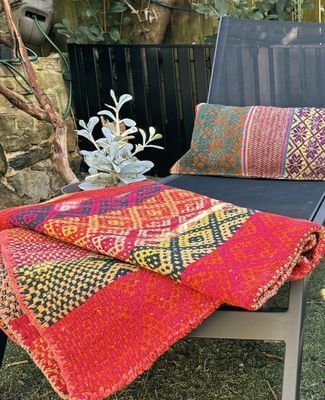
How to Care for Your Baby Alpaca Shawl (and Why It Only Gets Better)

The first time you wash it, there's a moment of hesitation. It feels too good to risk. Softer than cashmere, lighter than you expect something this warm to be. You've had it for a week and it already feels like something you've owned for years.
Here's what you need to know: baby alpaca doesn't just survive careful washing. It rewards it. The fibres are naturally round and smooth, which means they don't felt, don't pill the way wool does, and don't thin out with time. A shawl that's been hand-washed gently fifty times looks better than one that's been avoided.
The goal isn't to protect it from use. The goal is to know what you're doing so you can wear it without thinking.
How often does it actually need washing?
Less often than you think. Baby alpaca doesn't trap odour the way synthetic fibres do, and it doesn't need washing after every wear. Most people find that airing the shawl out — hanging it flat somewhere with airflow for a few hours after wearing — is enough between washes.
A good rule: wash it when it feels like it needs it. After a full day of wear, or after it's been close to perfume, cooking smells, or perspiration. Not as a routine.
The options: dry cleaning or hand washing
When it comes to washing baby alpaca, you have two good options: dry cleaning and hand washing. Both work. Dry cleaning is the safest choice — especially for the first wash, or if you're uncertain. A professional dry cleaner who handles delicate knitwear will know how to treat it. If you'd rather wash it at home, hand washing is perfectly fine as long as you follow the steps below.
One thing that isn't fine: the machine. What actually happens when you machine wash baby alpaca — even on a delicate cycle — is that the agitation causes the fibres to felt. They lock together, the weave tightens, the piece shrinks, and the surface goes from soft and slightly napped to dense and matted. It won't recover. It's not a dramatic disaster that happens in one wash cycle, but it is irreversible, and it can happen faster than you'd expect. The cool wash, gentle-spin settings help, but they don't solve the fundamental problem, which is movement. Baby alpaca needs to sit still in the water, not tumble through it.
Hand washing — the method that works

Fill a clean basin or sink with cool water. Not cold, not warm — cool. The temperature consistency matters more than anything else; sudden changes (cold soak, warm rinse) cause felting. Add a small amount of gentle wool wash or baby shampoo. Products without enzymes or bleaching agents are best.
Submerge the shawl and let it soak for a few minutes. Don't agitate, don't scrub. If there's a specific spot, press it gently between your fingers — never rub. The less you move the fibres against each other, the better.
Drain the basin and press the water out of the shawl by gently pushing it toward the drain. Don't wring, don't twist, don't lift it while it's waterlogged — baby alpaca is heavy when wet and the weight can distort the shape. Refill with cool water at the same temperature and press through again until the water runs clear.
That's it. Simple, and slower than it sounds.
What to avoid
Two things that actually damage baby alpaca:
Hot or warm water. This causes the fibres to felt — to mat together and shrink irreversibly. The damage is permanent. Cool water only, and keep the rinse water the same temperature as the wash.
Wringing or twisting. The shawl will stretch and lose its shape. Press, don't squeeze.
Drying flat

After pressing out the excess water, lay the shawl flat on a clean, dry towel. Roll the towel up with the shawl inside it and press gently to pull out more moisture. Then unroll and move the shawl to a fresh dry towel or a flat mesh drying rack.
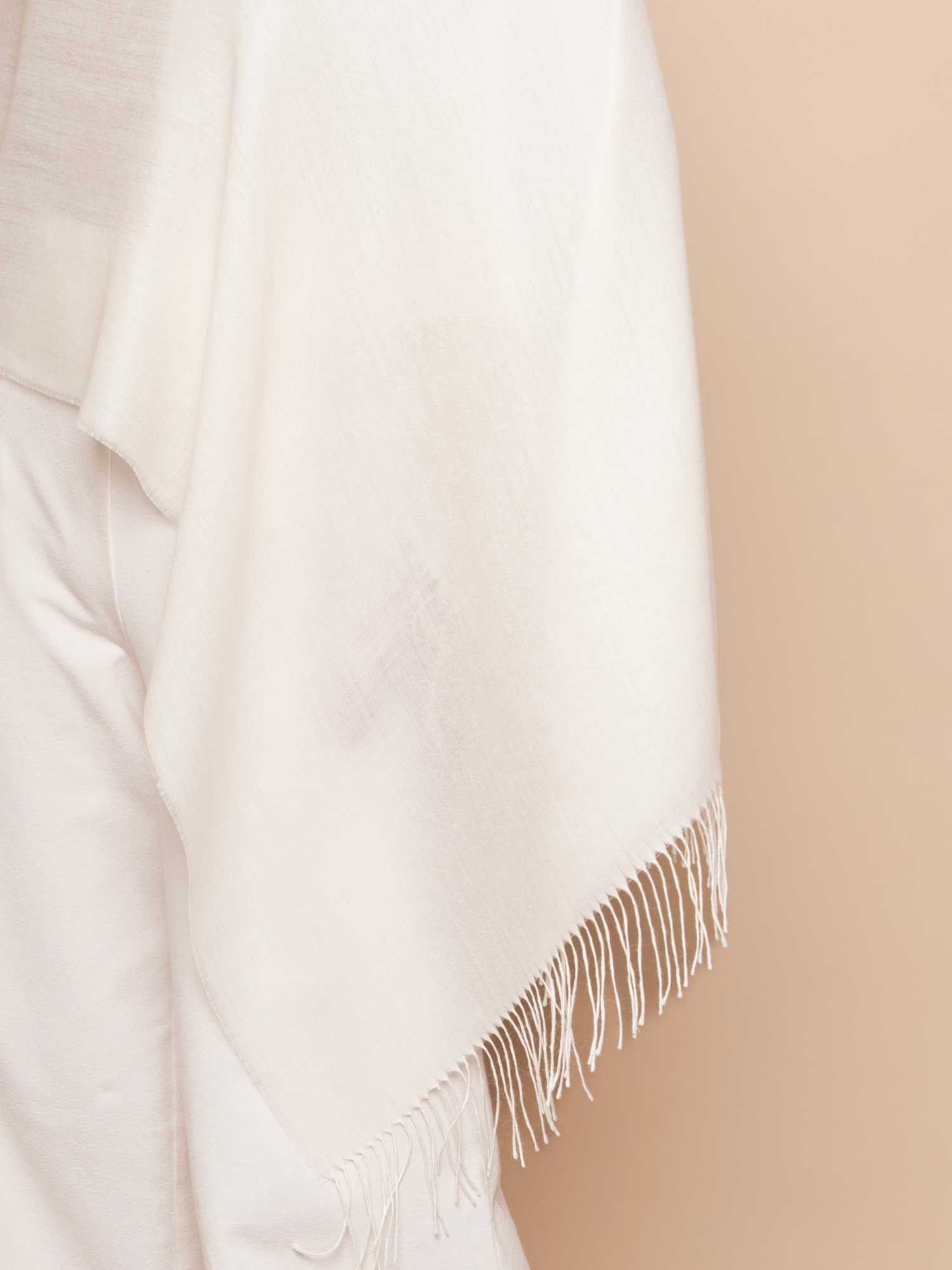
Reshape it while it's damp — this is the moment when the shawl is most cooperative. Gently pull the fringe straight, ease the corners back into place. Then leave it. Somewhere with airflow but away from direct sun or heat. A clothes rack in a cool room, not a radiator, not a sunny windowsill.
It can take a day to dry fully. This is not a problem. Rushing it with heat is.
How to store it so it stays good

Fold it rather than hang it. Hanging a heavy knit or woven piece on a peg puts strain on one point of the fabric; over time it stretches. Fold it loosely and store it flat.
If you're storing it for the season, a cotton bag or pillowcase is better than a sealed plastic bag — baby alpaca needs some airflow. Add a cedar block or lavender sachet nearby; moths are drawn to natural fibres, and baby alpaca is exactly what they're looking for.
If a small area of pilling does develop with wear — usually at points of friction, like under a bag strap — a fabric comb or cashmere comb used lightly will take care of it. This is normal and doesn't indicate anything is wrong with the quality.
Why it gets better

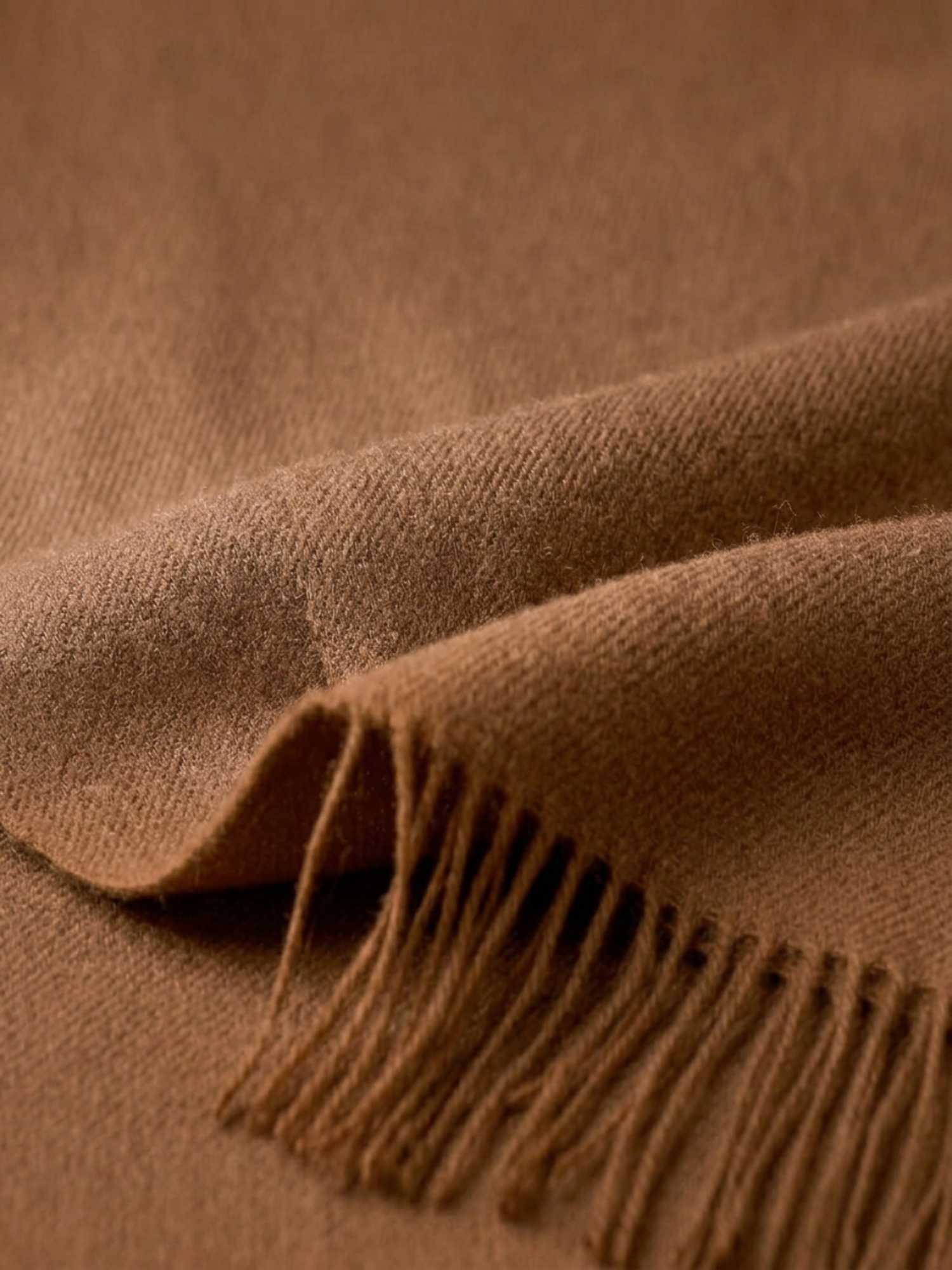
The thing about baby alpaca that takes people by surprise is that it doesn't wear out the way other fibres do. It softens. The fibres are naturally fine — finer than adult alpaca, and in a different category from regular wool entirely — and gentle use and washing encourages that softness rather than diminishing it.
A shawl that's been worn and washed with care for two winters looks more beautiful than a new one. The colour settles. The hand deepens. It becomes the kind of thing that gets noticed — not because it looks new, but because it looks right.
That's not marketing. It's just what happens to baby alpaca when you treat it well.
For a deeper look at what makes baby alpaca different from other fibres, including how it's harvested and why the first shearing matters, read The Ultimate Guide to Baby Alpaca Wool.
The quick-reference care instructions for all our alpaca pieces are also on the baby alpaca care page.





Leave a comment
This site is protected by hCaptcha and the hCaptcha Privacy Policy and Terms of Service apply.