
Are Raffia Bags Durable? Junco vs Raffia, and What Actually Lasts
Yes — raffia is reasonably durable for a leaf fibre. But it is not the most durable woven bag material, and the bags still going strong after several years usually aren't raffia at all.
A well-made raffia bag will hold its shape through a season or two of regular use. What it tends to do after that is fray at the edges, split along the grain of the fibre, and soften out of structure. This is not poor manufacturing. It is what a dried palm leaf does when it is handled every day.
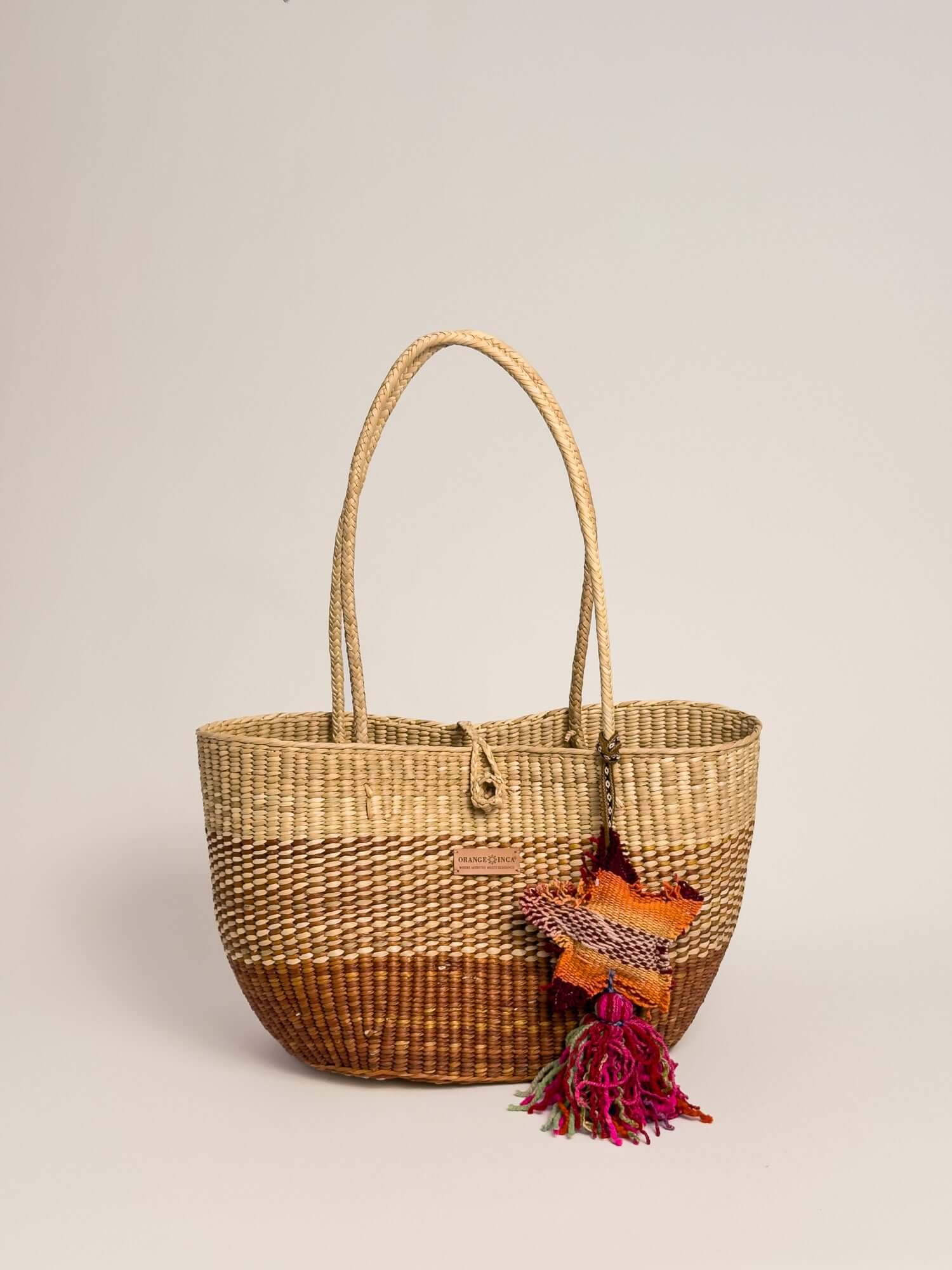
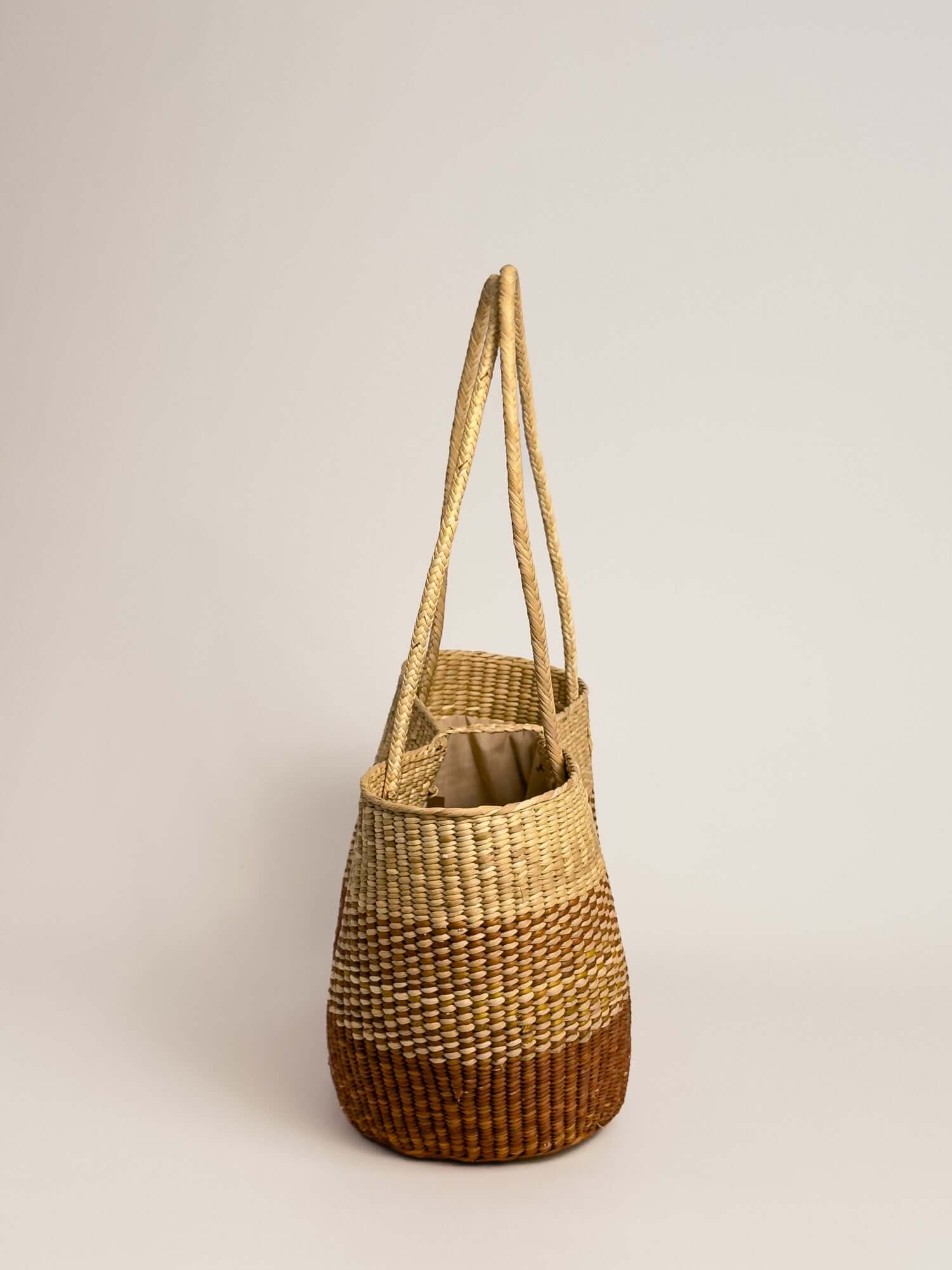
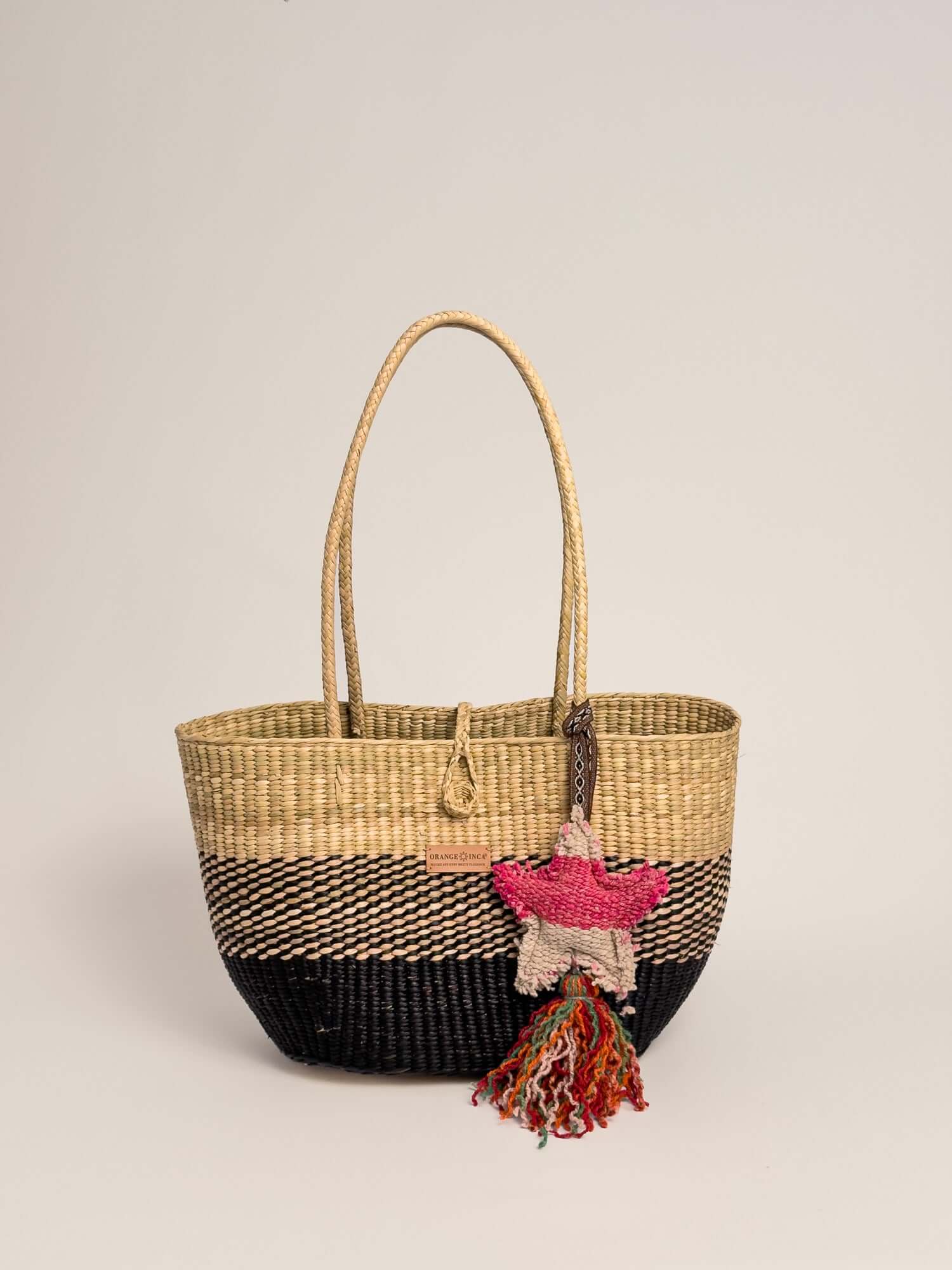
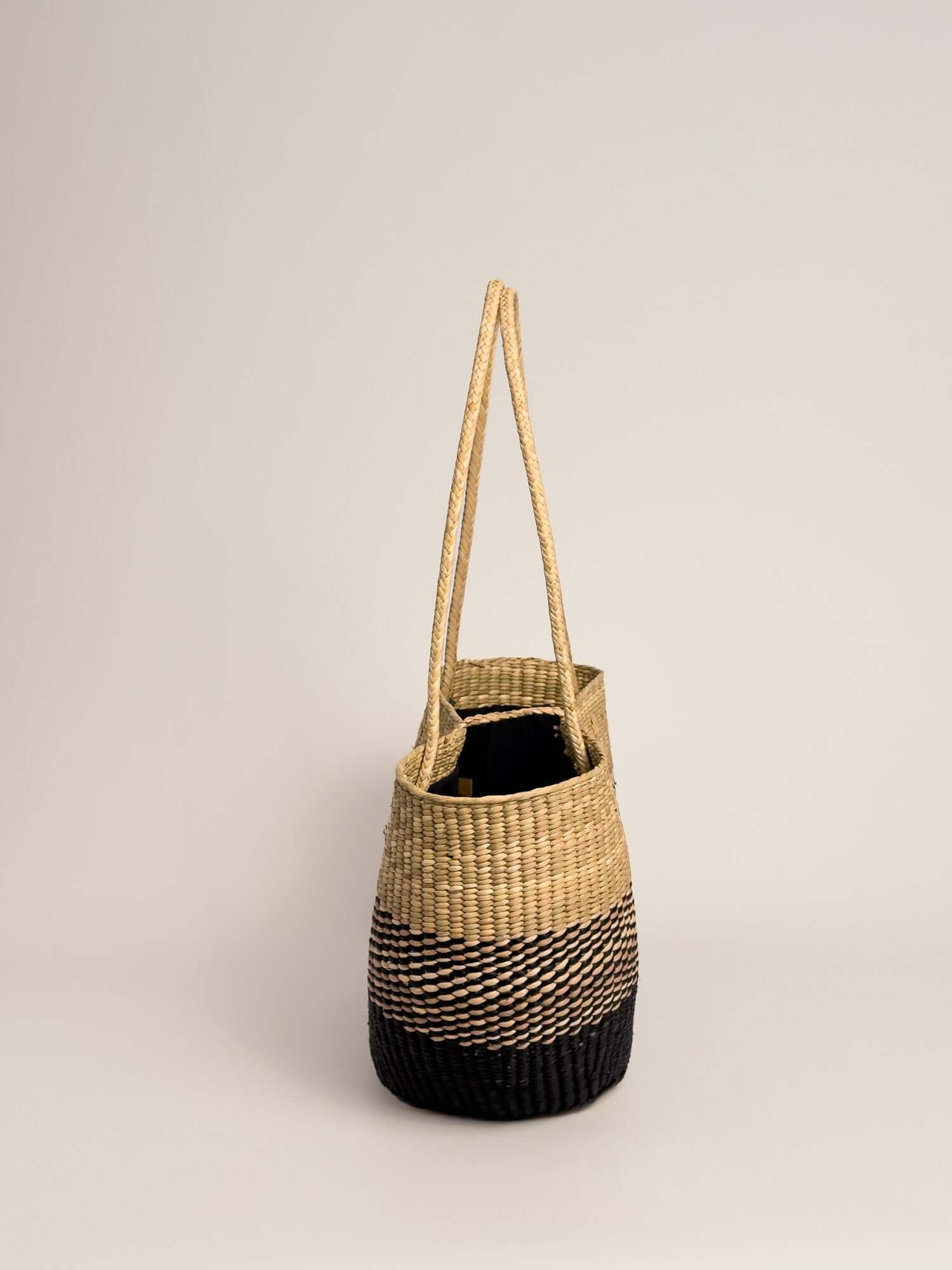
Junco behaves differently, and the reason is structural. Junco is a round-stemmed reed harvested from the coastal wetlands of northern Peru — closer in cross-section to a thin cane than to a strip of leaf. It bends under pressure instead of splitting. After two years of regular carrying, a junco bag does not fray. It settles.
That distinction is the whole subject of this article.

Are raffia bags durable?
Raffia is durable enough for seasonal use and not much beyond it. The fibre has genuine strengths: it is flexible, it resists snapping when pulled, and the natural plant resins in the leaf give it mild water resistance. Those qualities are why raffia has been woven into hats and baskets for centuries.
The weakness is in the fibre's structure. Raffia is cut from the frond of the raffia palm in thin flat strips, then dried. A flat dried strip has an edge, and edges are where wear starts. Under daily handling the strips abrade against one another, the edges lift, and the weave begins to shed. Sun accelerates it. So does being overloaded, because a flat fibre stretches rather than resisting.
So the honest answer is: raffia will not fall apart on you in the first year, and a good one will look fine for two. Whether it looks fine at four depends far more on how often you actually carry it than on how much you paid.
How long do raffia bags last?
With regular use — several times a week — expect one to two seasons before visible fraying at the corners and along the top edge, and roughly two to three years before the bag has lost enough structure that it reads as worn rather than characterful. Used occasionally and stored well, a raffia bag can last considerably longer, because most of the damage comes from handling rather than time.
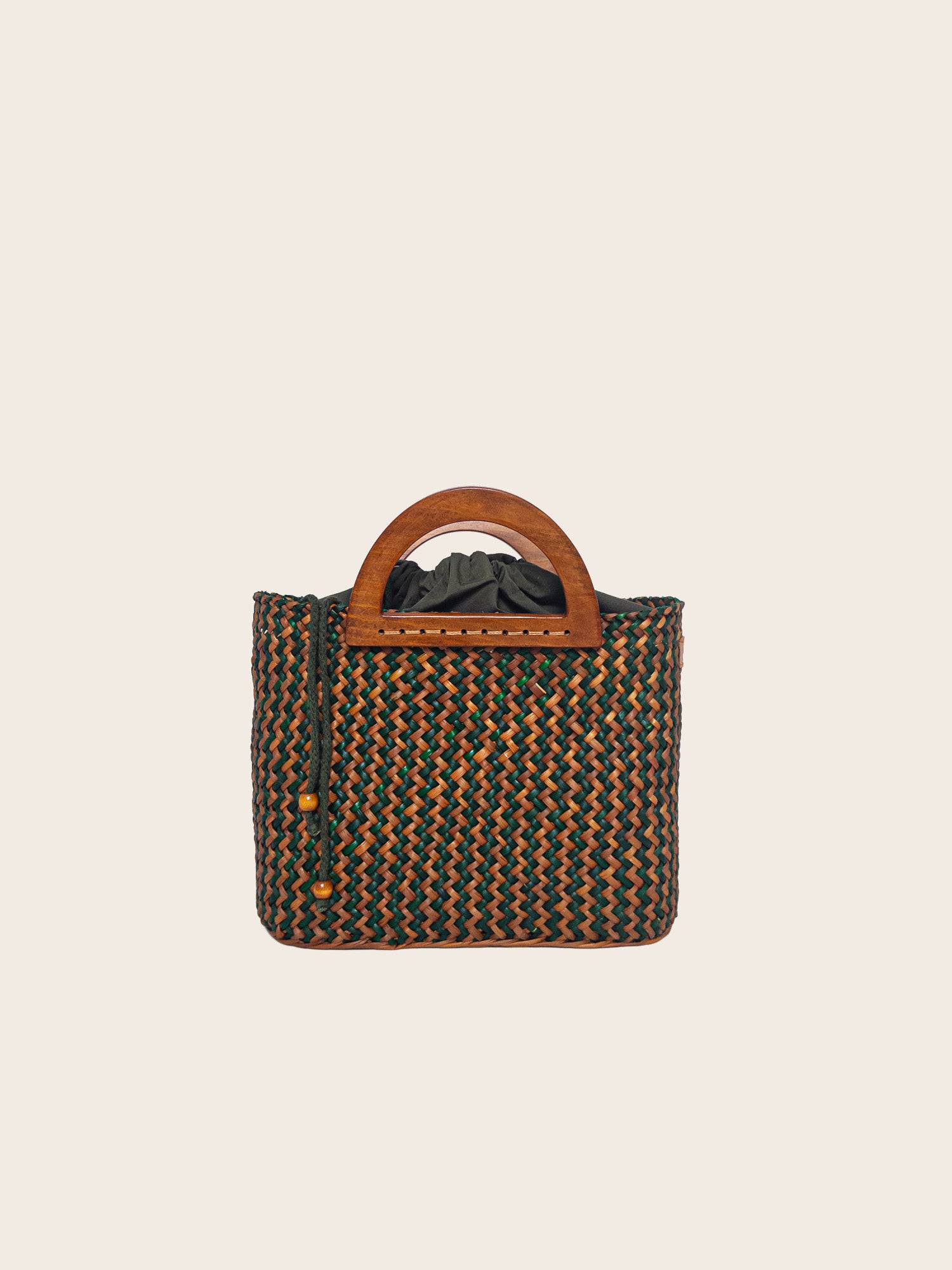
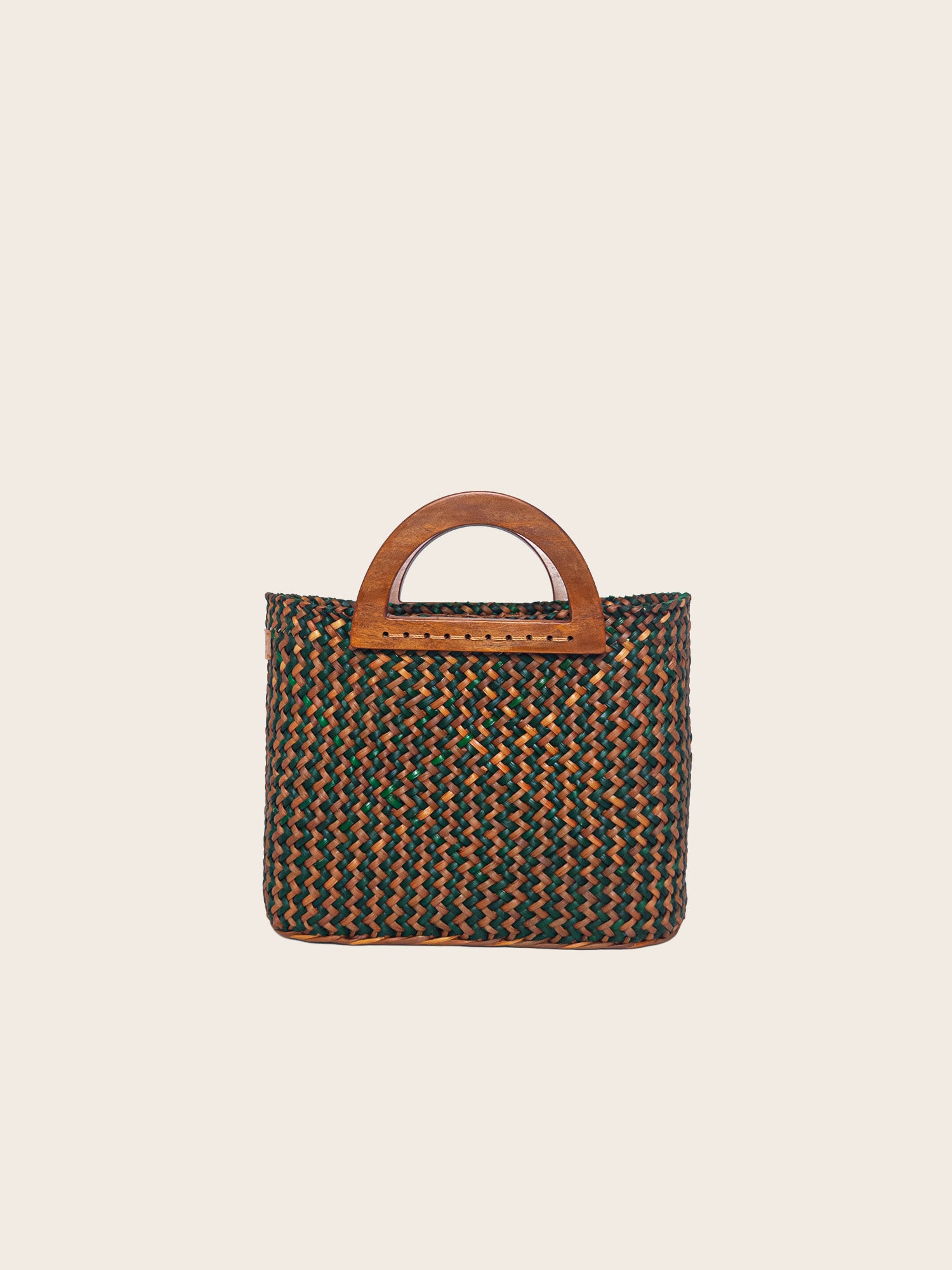
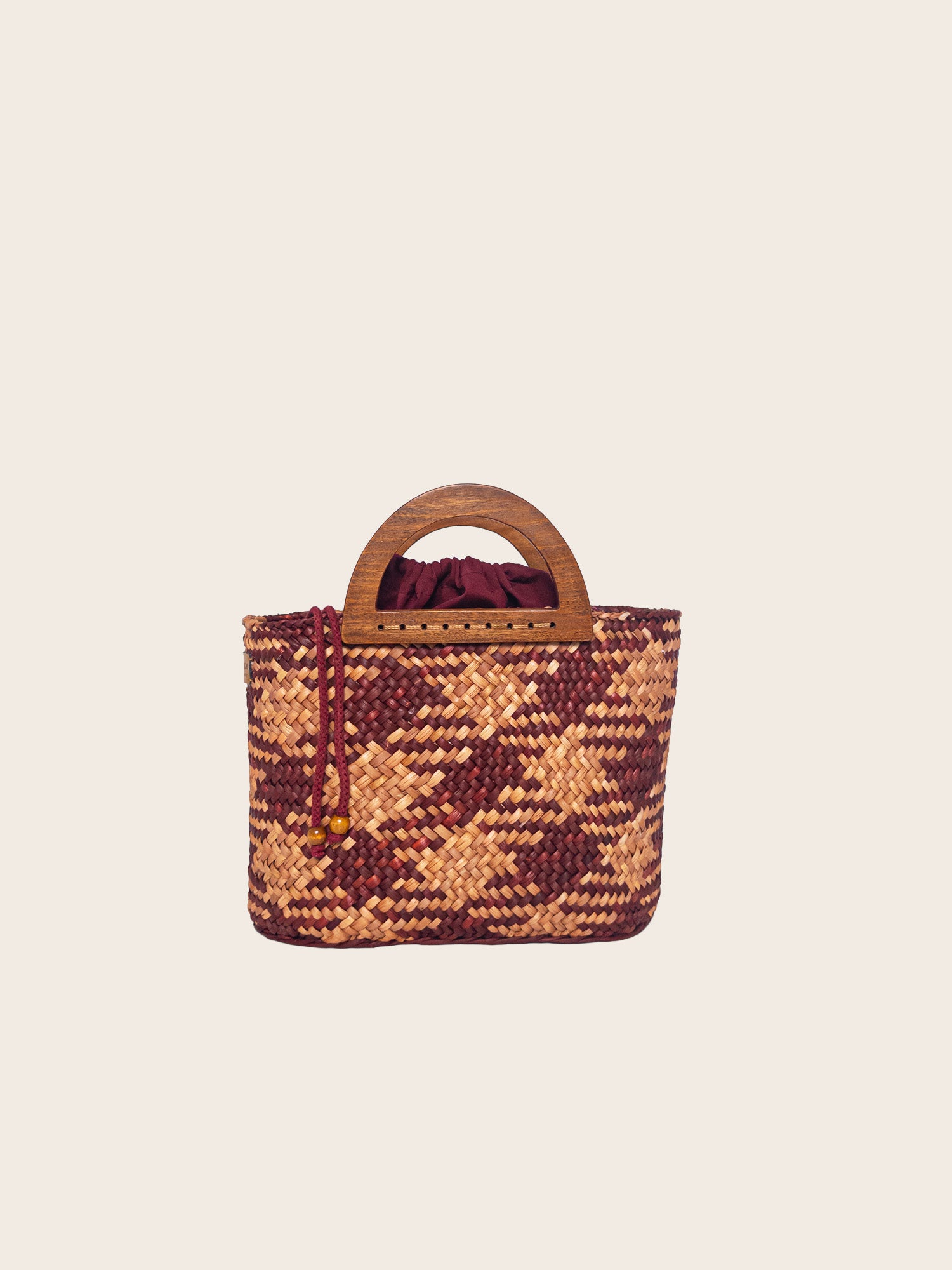
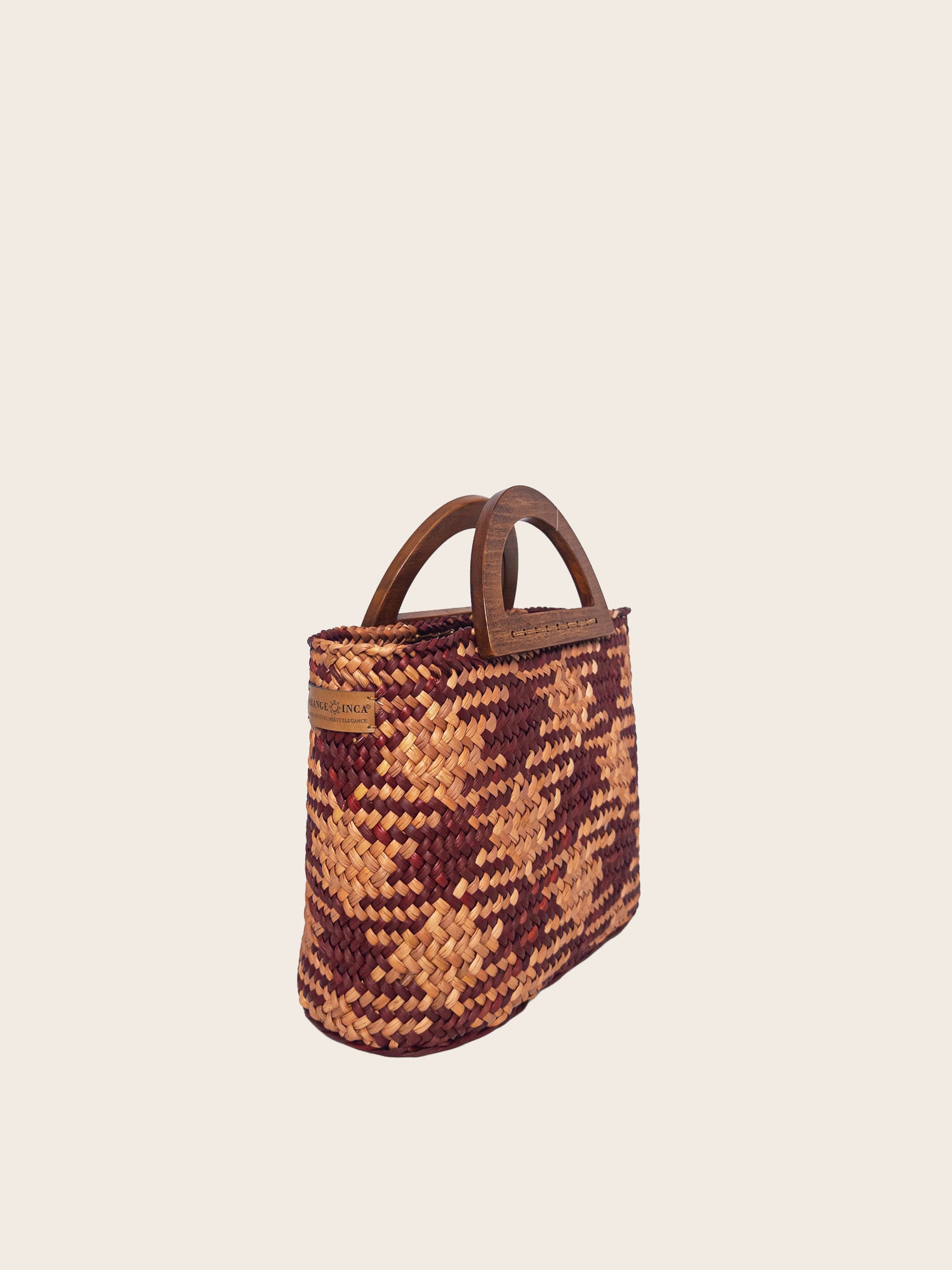
For comparison, we have documented what a junco bag looks like after two years of genuine daily-rotation use: the weave compresses slightly where it flexes, the faux suede strap softens at the grip, and the hardware and stitching are unchanged. The colour holds. Nothing has frayed. The full two-year account is here.
What is raffia made of?
Raffia comes from the leaves of the raffia palm, Raphia farinifera, which grows mainly in Madagascar and across tropical Africa. The long fronds are stripped into narrow fibres, dried, and often dyed before being woven or crocheted.
It is a leaf fibre — and that single fact explains most of its behaviour. Leaf fibres are fine, light and easy to manipulate, which is why raffia suits crochet-style bags and packable hats. They are also thin and layered, which is why they eventually split.
What is junco reed?
Junco (Juncus genus) is a reed that grows in the salt marshes and wetlands of Peru's northern coast. It is not a palm, not a grass, and not a straw. It grows as a tall, round, hollow stem, and it is harvested, dried, cleaned and dyed before being woven by hand.
Peruvian artisans have worked with junco for generations — not as a decorative craft but as a practical one. Junco baskets were market baskets and storage baskets: working objects expected to survive being loaded, dropped and carried daily. The material was chosen because it lasted.
Junco vs raffia — what actually makes the difference?
The difference is cross-section. Raffia is a flat strip; junco is a round stem. A flat strip under repeated flexing wants to delaminate along its length. A round stem under the same flexing bends and returns.

Three practical consequences follow:
- Friction. Set a bag down on stone, slide it across a table, knock it against a door frame — junco fibres absorb the impact where raffia fibres fracture and lift.
- Structure without stiffener. A tight junco weave holds its shape through the tension of the interlacing alone. There is no glue, board or hidden reinforcement, which means there is nothing to delaminate later.
- Moisture. Junco is a wetland plant. Light rain and damp surfaces do nothing to it. It can even be reshaped by dampening the weave and letting it dry in the new position — a repair option raffia does not really offer.
None of this makes raffia a bad material. It makes it a different one, suited to lighter, softer, more seasonal pieces.
What is the difference between straw and raffia?
"Straw" is a category, not a material. It is the word shoppers use for any pale woven bag, and it covers raffia, seagrass, toquilla palm, paper cord, wheat straw and — occasionally, wrongly — junco.
Raffia is one specific fibre within that category. So the useful question is never "straw or raffia" but "which fibre, specifically" — because a seagrass bag, a paper-cord bag and a junco bag age nothing like one another, and all three get sold as straw.
Is raffia better than straw?
Raffia is generally better than the cheapest things sold as straw — particularly paper cord, which is exactly what it sounds like and which degrades quickly once damp. Against wheat straw, raffia is more flexible and less brittle.
Against a reed like junco or a fine palm like toquilla, raffia is the softer and shorter-lived option. Toquilla — the fibre used in Panama hats, and in our Audrey — is finer and more pliable again, woven tightly enough that light passes through it.
What's the difference between raffia and jute?
Jute is a bast fibre, taken from the stem of the Corchorus plant rather than from a leaf. It is coarser, hairier and considerably stiffer than raffia, which is why it is used for sacking, rope and rugs more often than for bags.
Jute is strong in tension — it makes excellent rope — but it is rough against clothing, it sheds fine fibres, and it holds dye poorly compared with raffia or junco. In a handbag, jute usually appears as a woven base or a trim rather than as the whole body.
Is raffia an expensive material?
Raffia is inexpensive as a raw material. It grows abundantly, harvests quickly and requires no industrial processing.
What costs money in a raffia bag is the weaving. A hand-crocheted raffia bag represents many hours of skilled work, and that is what you are paying for — the labour, not the leaf. This is worth knowing when comparing two raffia bags at very different prices: the fibre is the same, so the difference is the hours, the tension of the weave, and the quality of the hardware and lining.
Why junco holds its colour
Junco fibres are denser and smoother than raffia, so they take natural dye more evenly and hold it longer. The colour is absorbed into the fibre rather than sitting on a flat surface that can abrade away.
Peru helps here too. The range of dye plants, roots and minerals available to weavers there is unusually wide, which is why the junco palette runs from deep burgundy and navy through to warm neutrals and full festival brights without needing synthetic colour.
The practical result: a junco bag carried regularly for two years, stored sensibly and kept out of prolonged direct sun, holds its colour. The thing that fades a dyed natural fibre is sustained, concentrated UV — a bag left on a beach towel in midday sun, repeatedly. Everyday light and shade does not do it.

Does hand weaving make a bag last longer?
Yes, and measurably so — because tension is the variable that matters most and only a person can control it continuously.
A hand weaver adjusts the tension of every fibre as the bag takes shape, tightening where the structure needs to hold and easing where it needs to flex. Machine-woven bags apply uniform tension to a material that is not uniform, which is why they can feel fragile even when the fibre itself is good.
Our junco bags are woven entirely by hand by artisans in communities north and south of Lima, using techniques passed down through families. The weave is what turns a strong fibre into a strong bag.

A material that grows where it's needed
Junco grows in the wetland ecosystems of northern Peru and regenerates after each harvest, so the same communities return to the same stands year after year. Working with it has always been part of how weavers in the region earn a living — the techniques are inherited, the skill is real, and each bag represents a direct relationship between a maker and a material their family has worked with for generations.
Why we chose junco
After years of collecting woven bags from many parts of the world, nothing matched what was coming out of Peru — the strength, the colour retention, and the standard of the weaving.
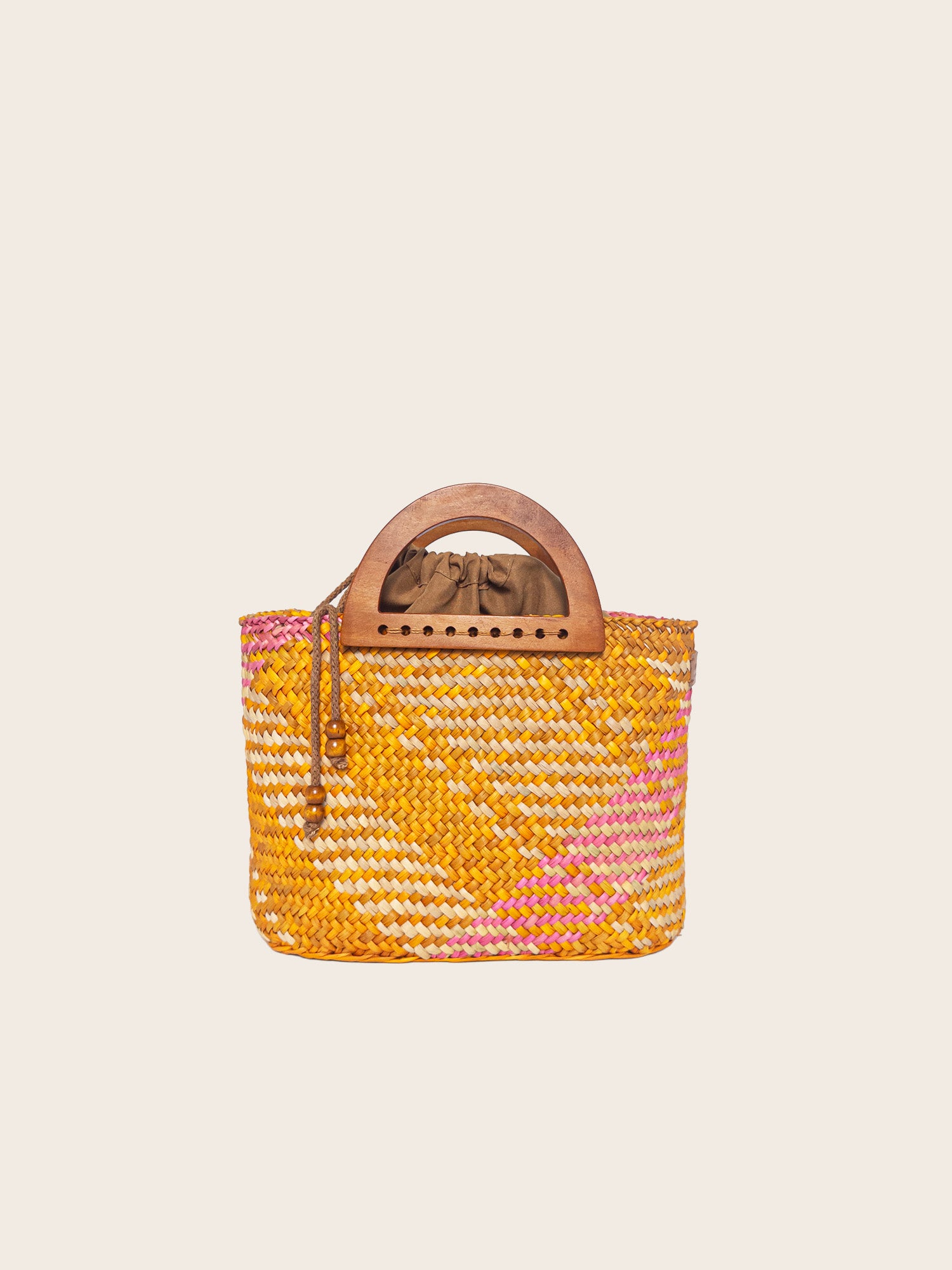
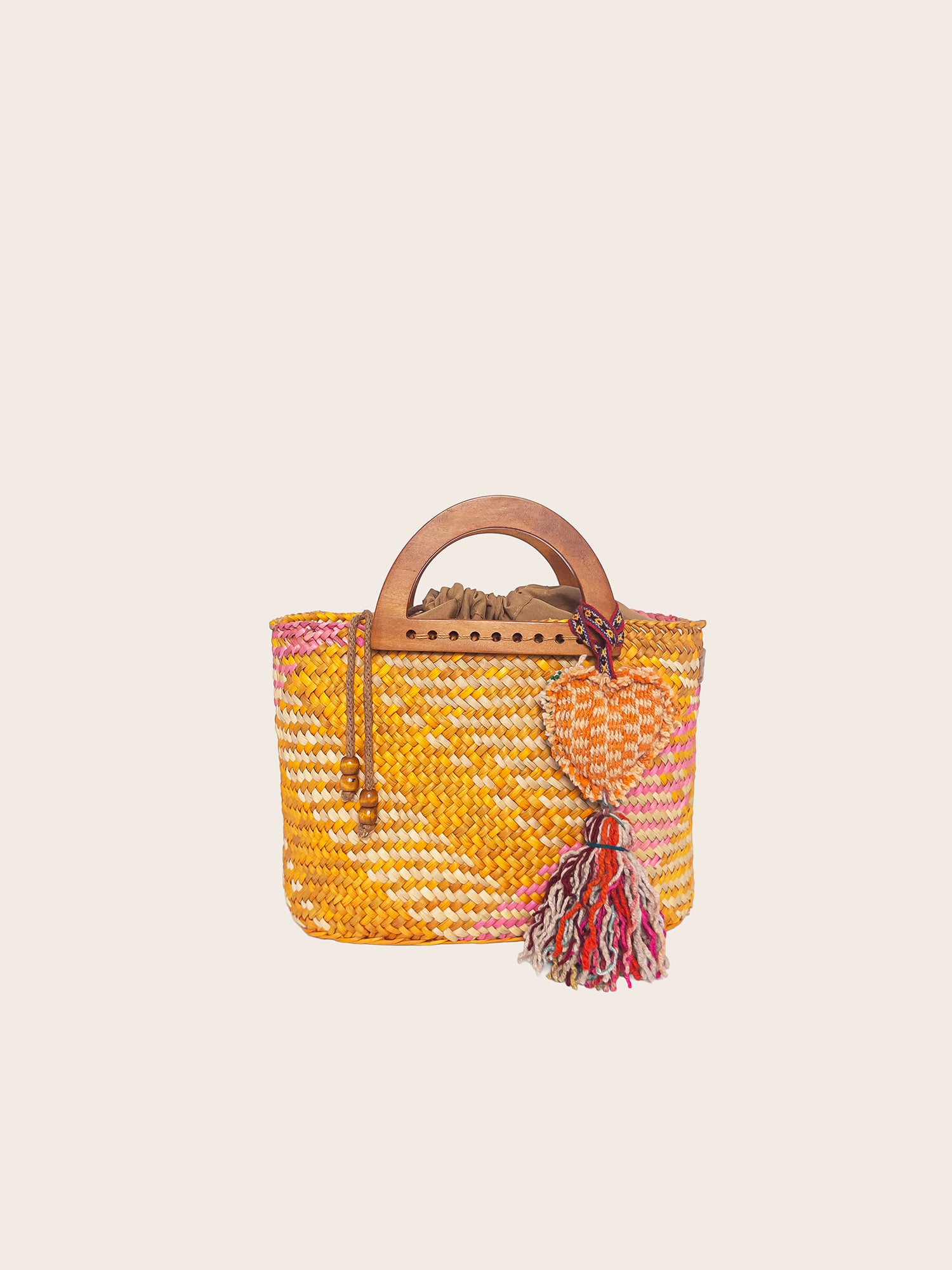
Junco let us make bags that are light enough to carry every day, strong enough to still be in rotation years later, vibrant through natural dye, and hand-woven throughout. It also let us design around traditional technique rather than against it: drawstring closures, faux leather straps, proportions worked out for real use.

The bag that ages well
A well-made junco bag does not deteriorate so much as develop. The fibres soften slightly, the structure adapts to how you carry it, the colour stays. It stops looking new and starts looking like yours.
Two years in, that is exactly the point.
Further reading
- Junco Reed: The Peruvian Material Behind Every Orange Inca Bag — the full material story, from the coastal wetlands to the weavers north and south of Lima
- What Happens to a Junco Bag After Two Years — wear, colour, water, reshaping and care, documented
- How to Wear a Woven Bag All Year Round — why a woven bag is not a summer-only proposition
- The Bag That Started It All: The Story Behind the Playa
- The Story Behind Our Gran Fiesta
- A Leather Crossbody Bag That Gets Better With Age — the same instinct, in leather
Shop the junco collection:
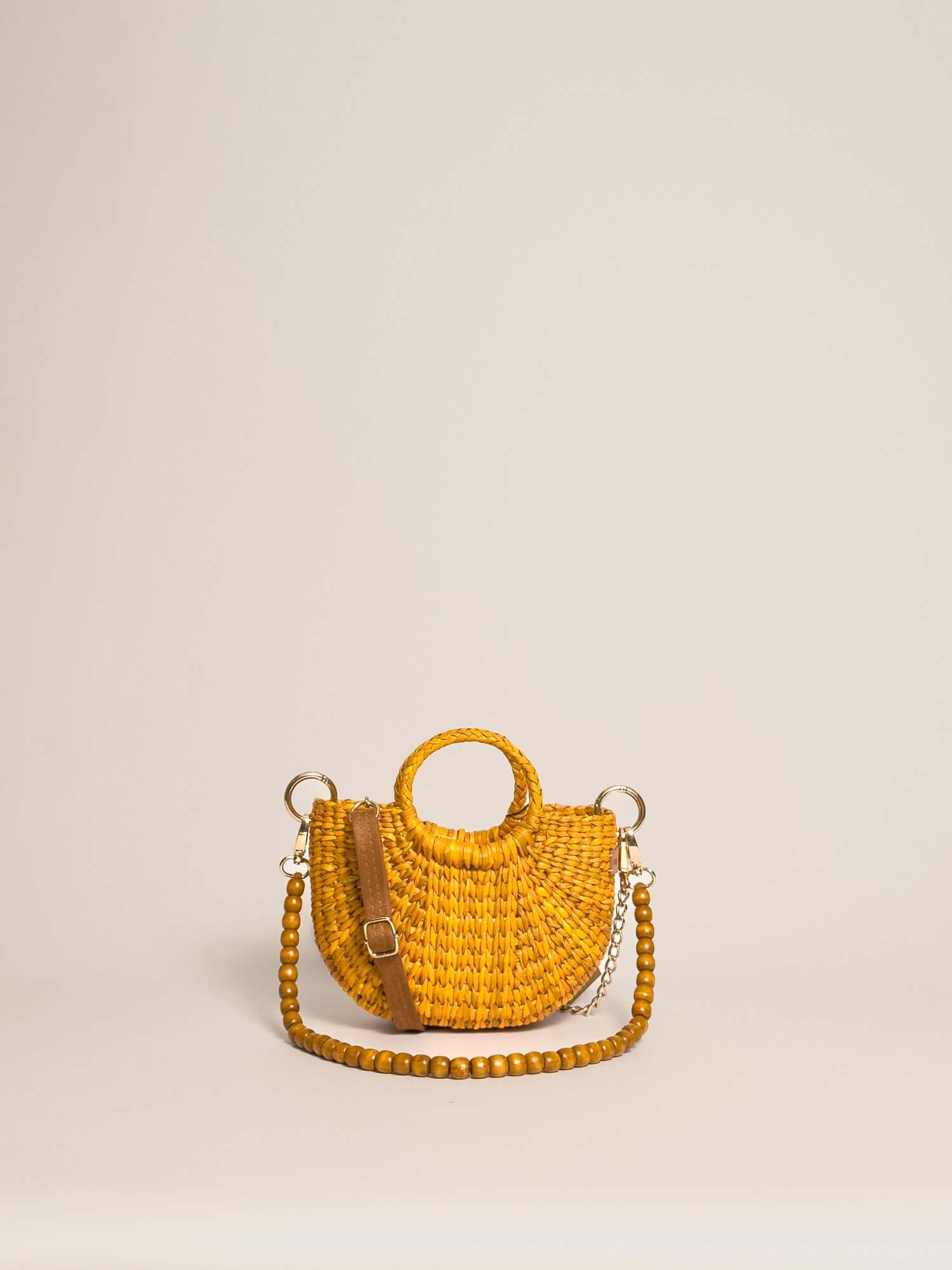
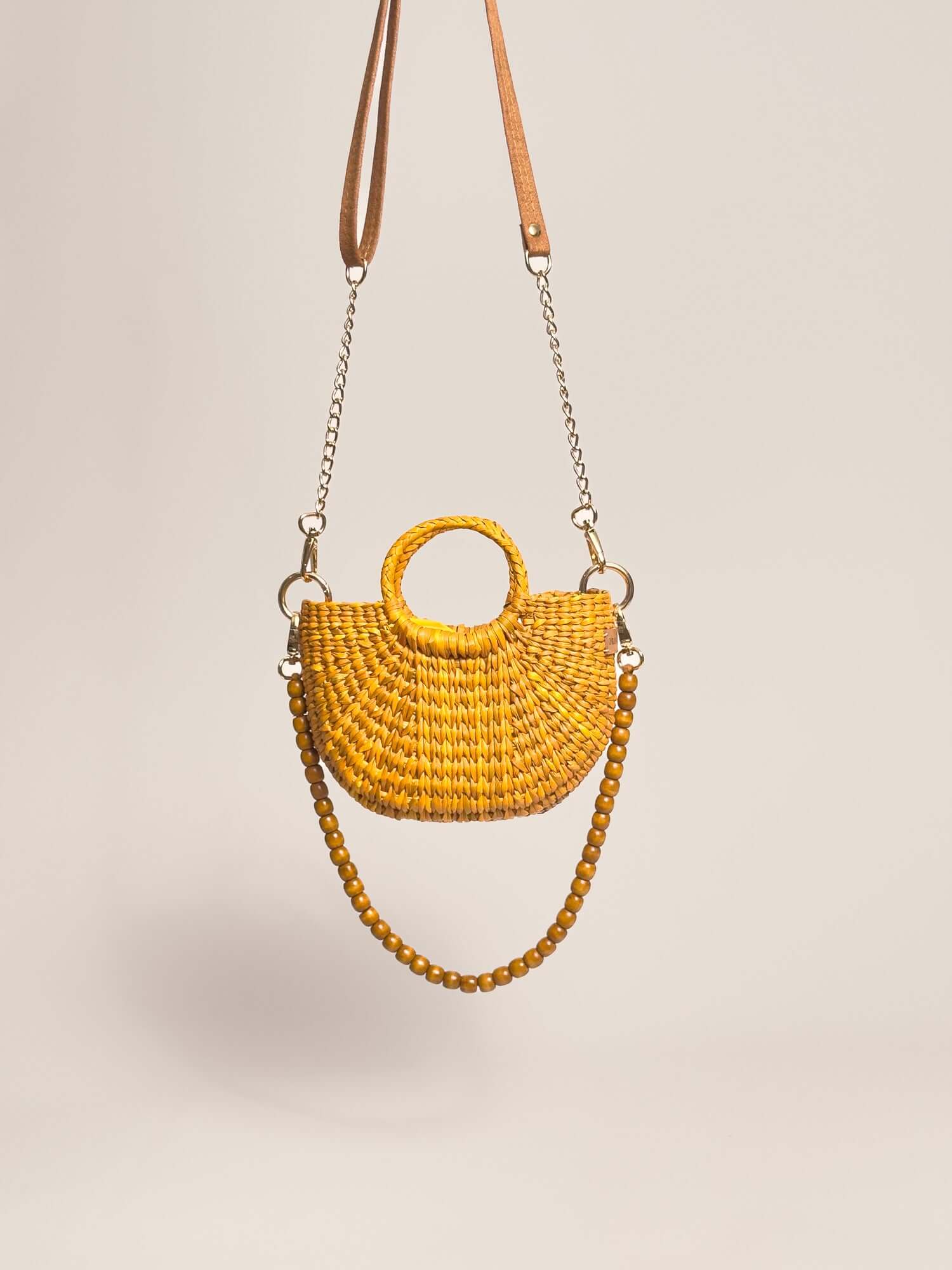
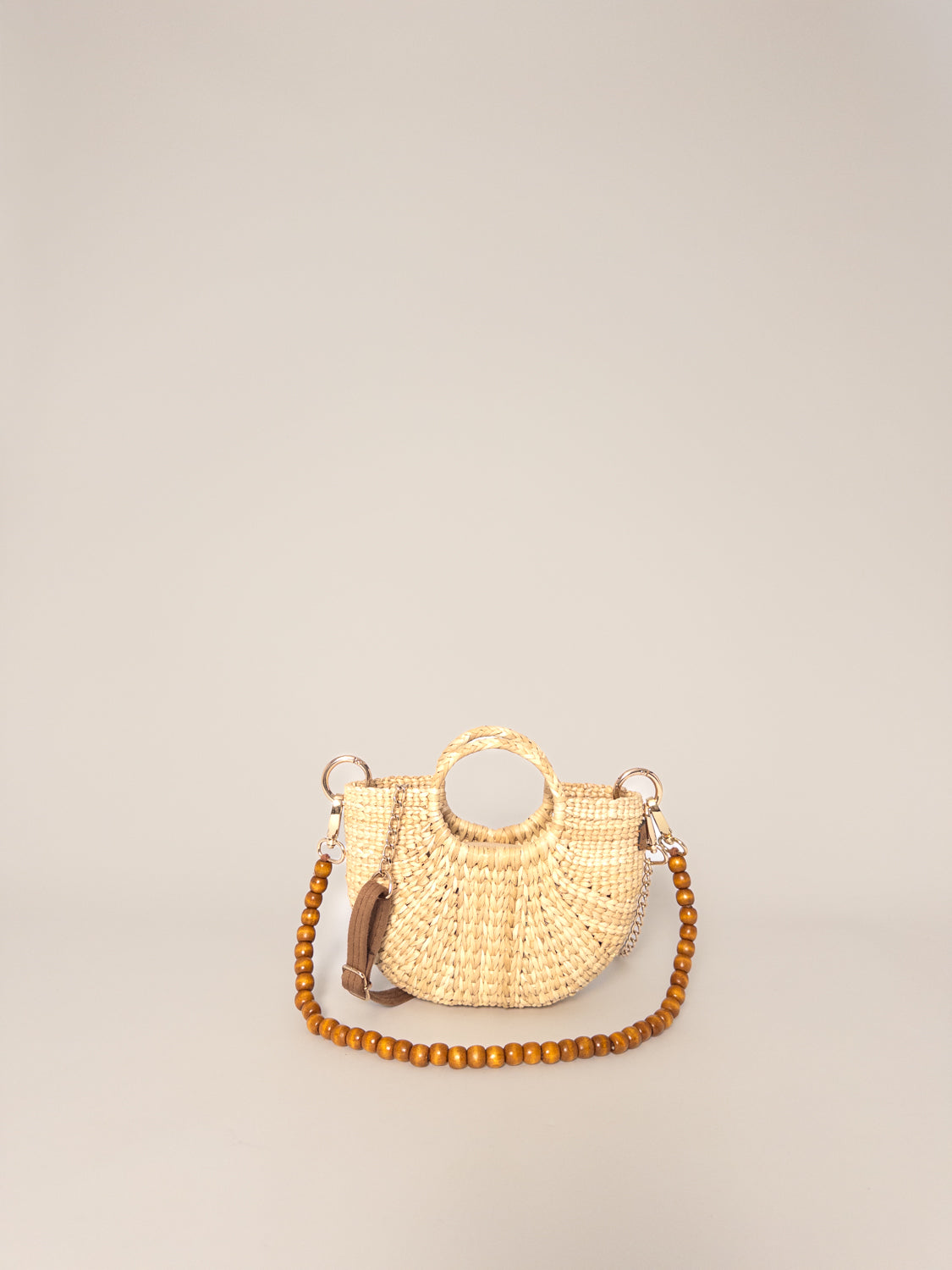
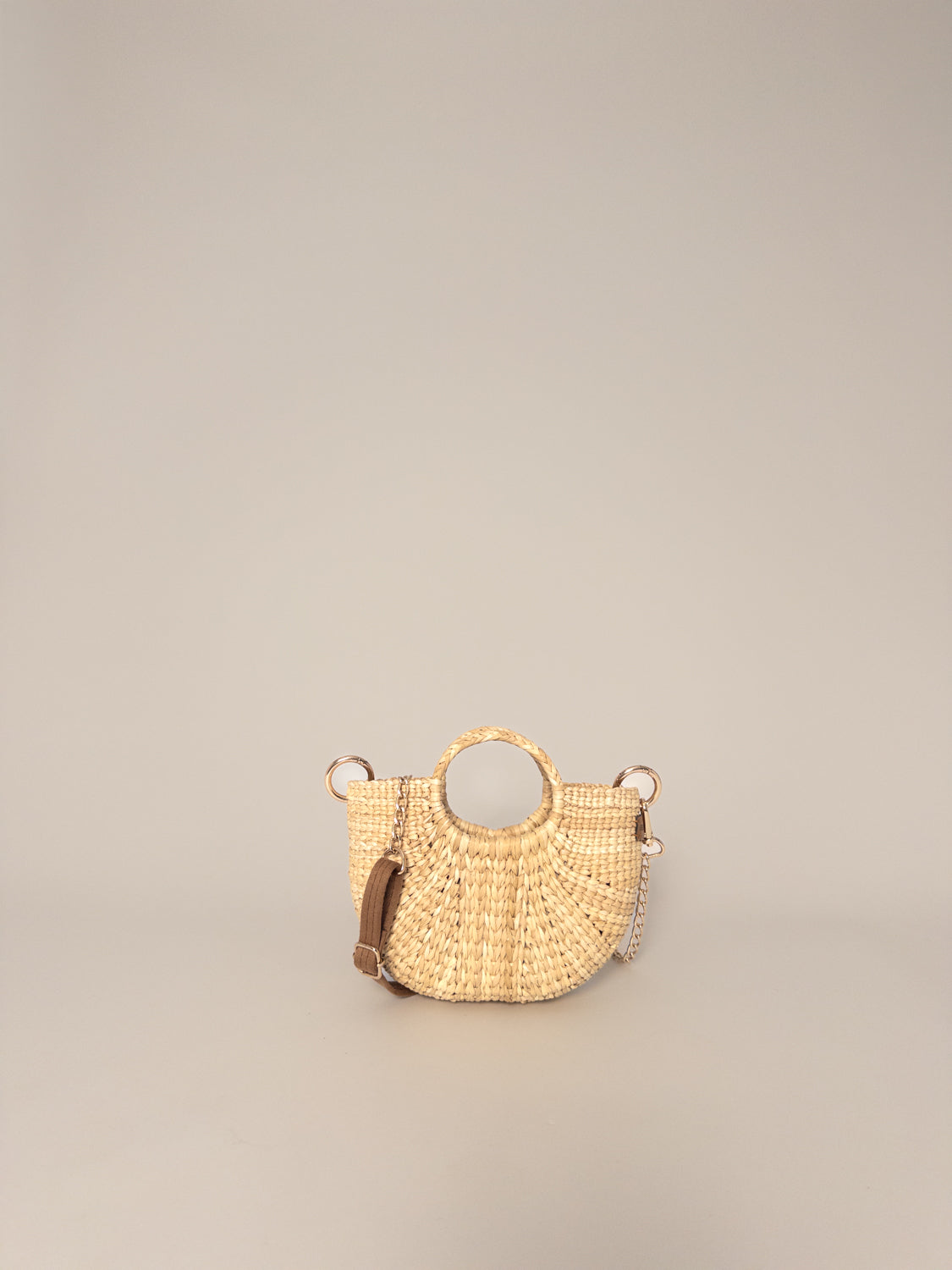
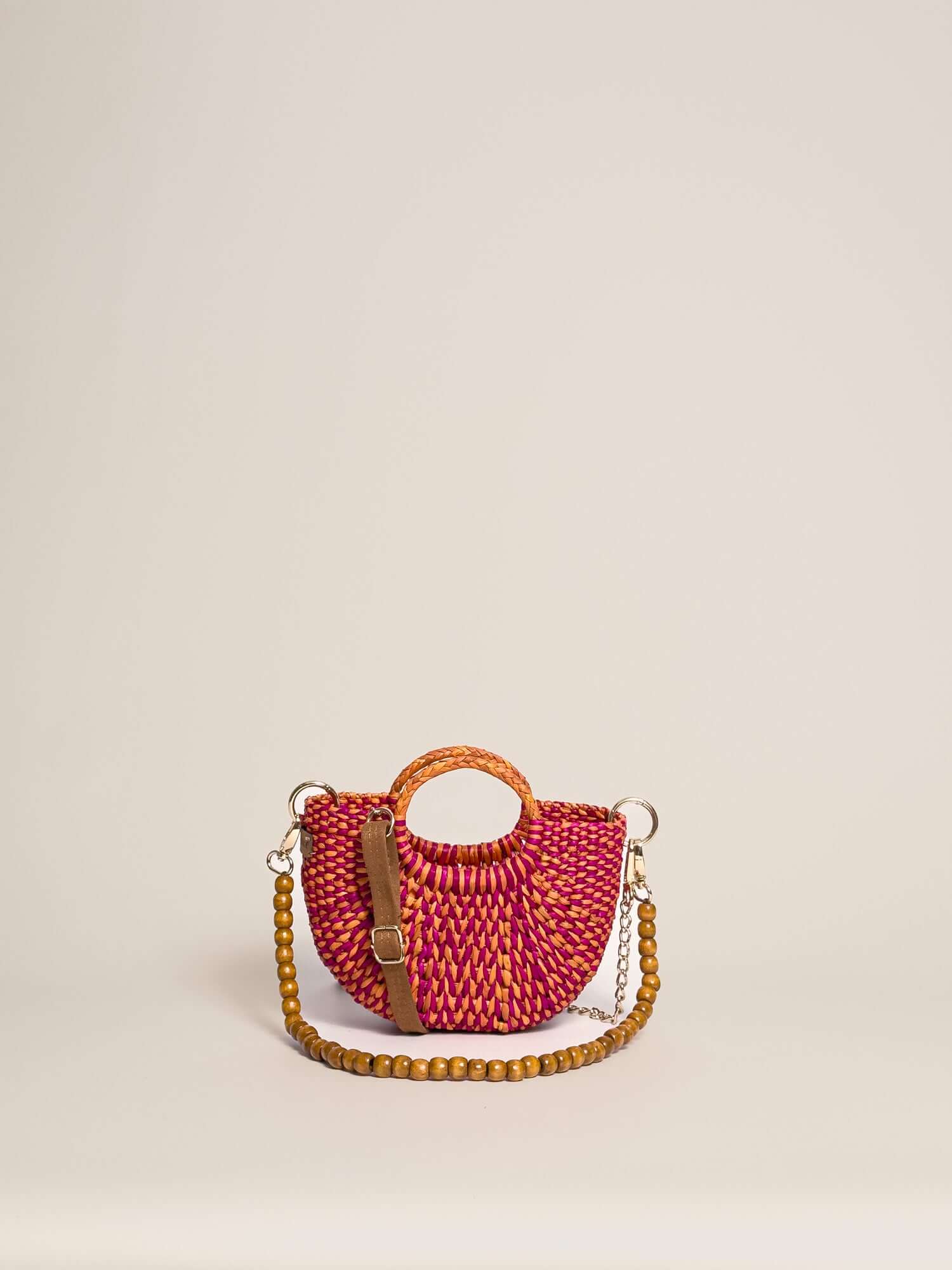
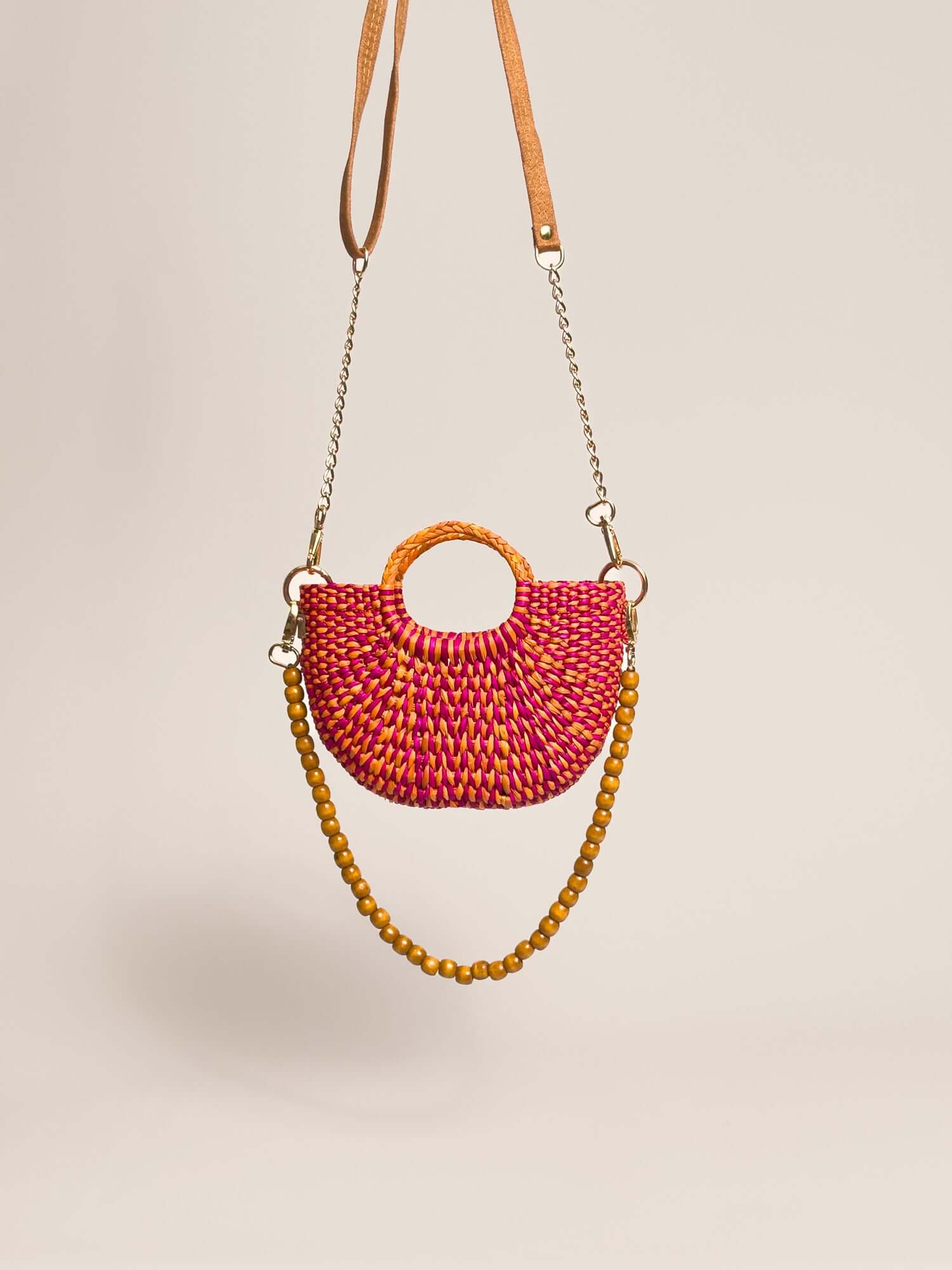
Junco Crossbody & Shoulder Bags · Junco Tote Bags · The Fiesta Mini · Junco Clutches

Leave a comment
This site is protected by hCaptcha and the hCaptcha Privacy Policy and Terms of Service apply.