
How to Wear a Woven Bag All Year Round
It tends to start in January. A bright junco bag, a linen dress, somewhere with salt air. The bag earns its keep immediately — it's the kind of piece that makes a summer outfit look considered without any effort.
The mistake is putting it away in March.

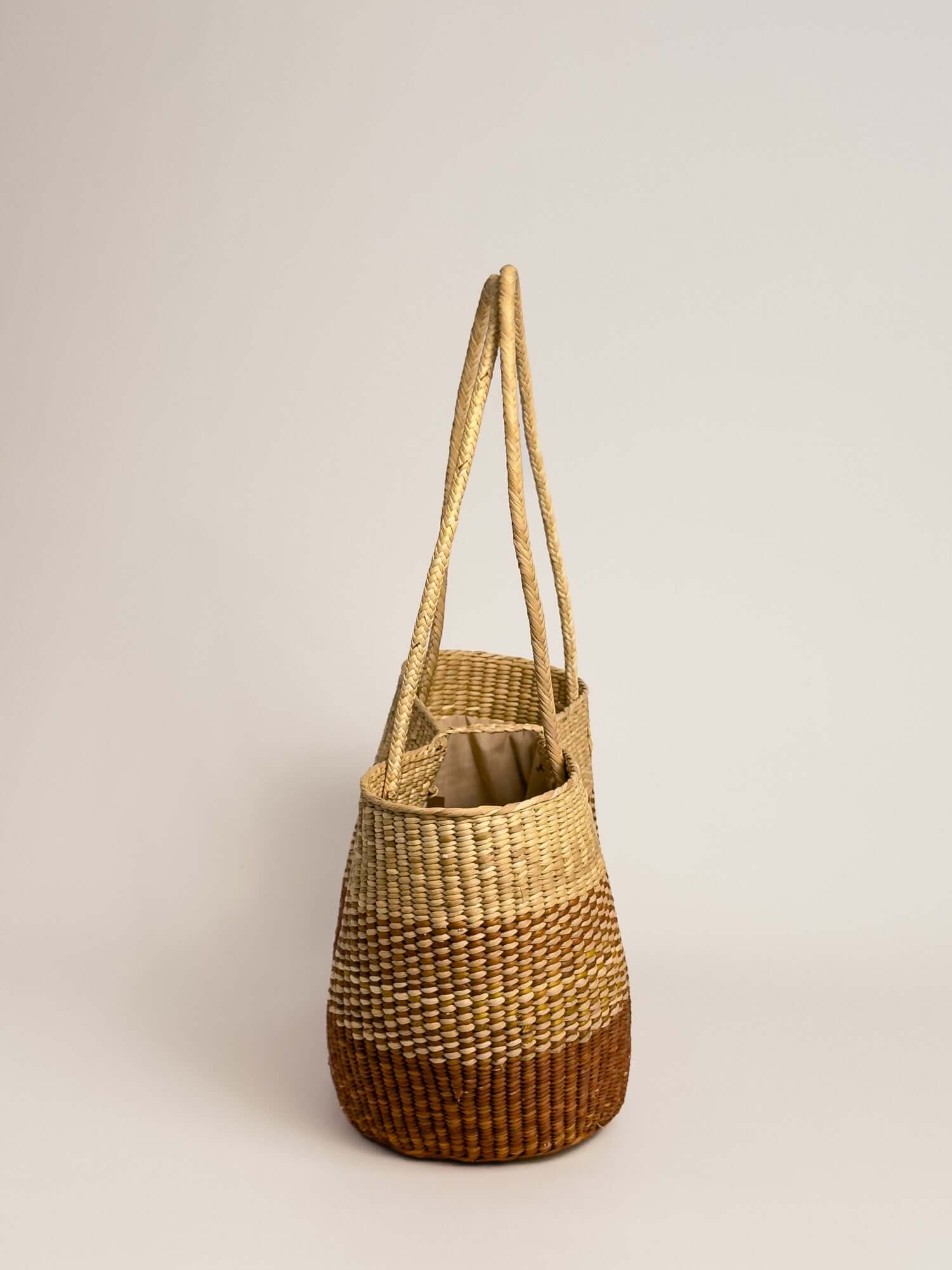
A junco reed bag is not seasonal by material. It's seasonal by habit — by the fact that we first reach for it in warm weather and then file it mentally under summer things. But the material itself has no opinion about the calendar. Dense, structured, a little rough to the touch. These are not the qualities of a bag that only works at the beach.
What shifts is how you carry it. Here's how that looks through the year.
Autumn
This is, genuinely, where a woven bag looks its best.
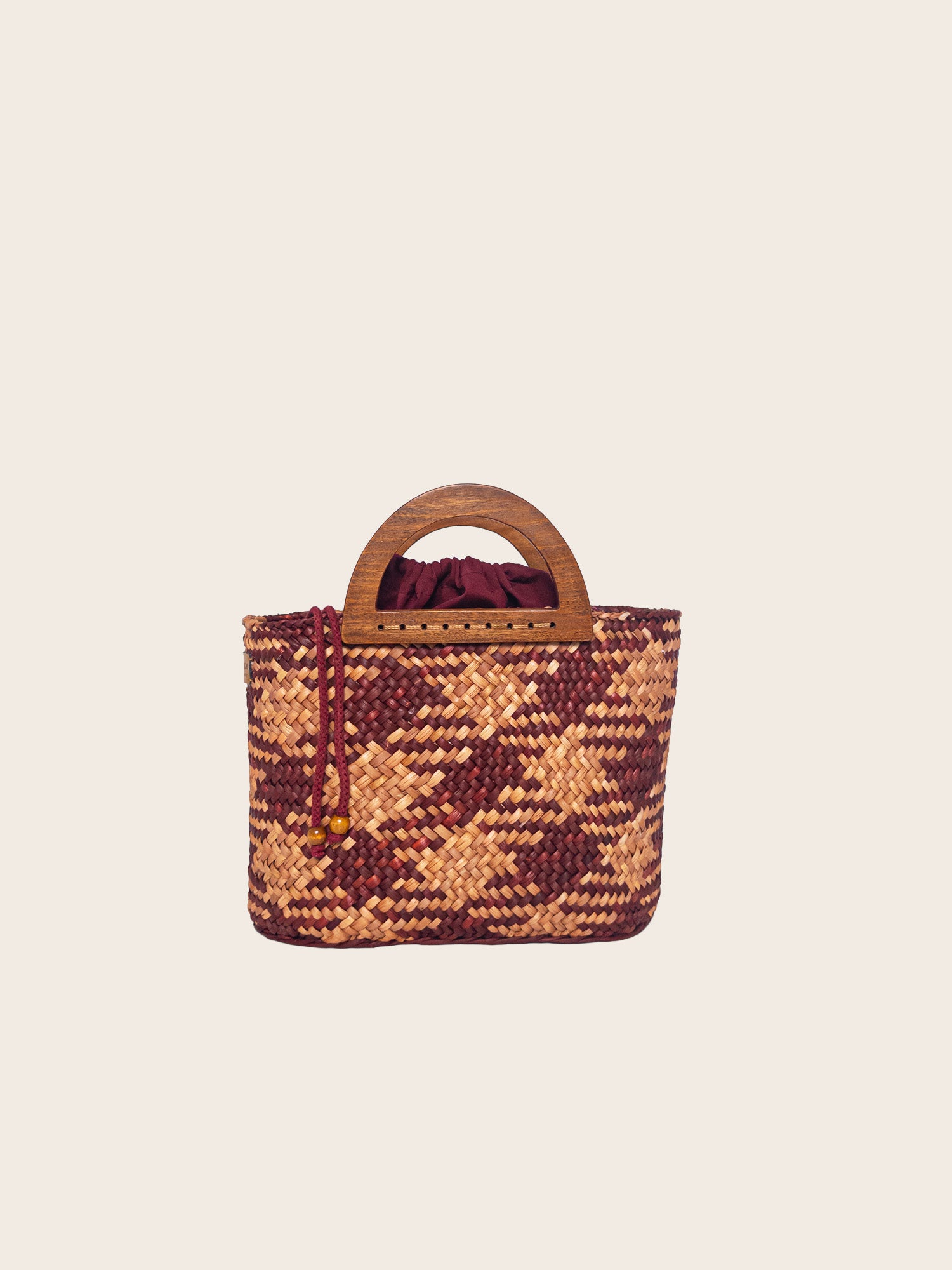
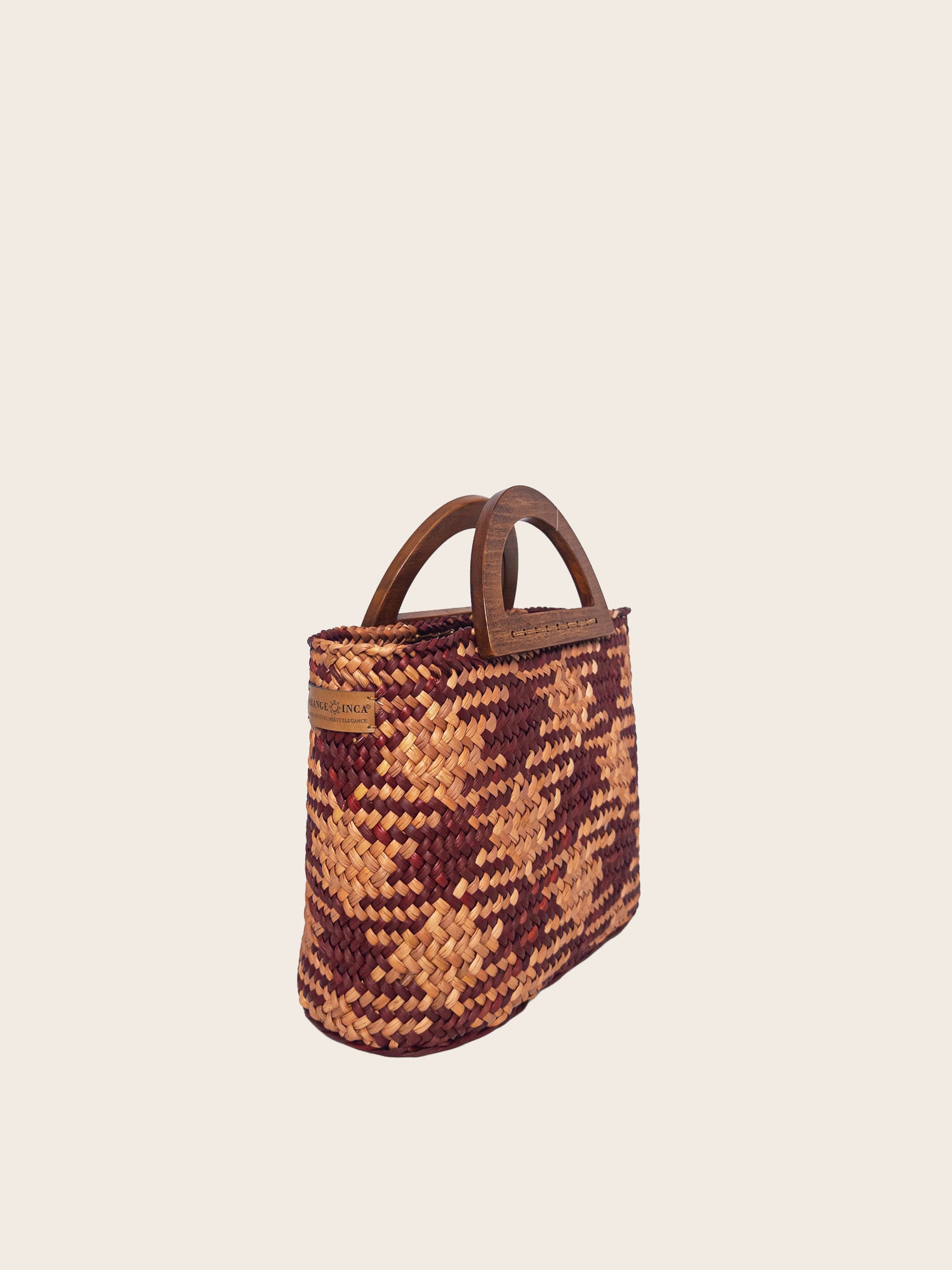
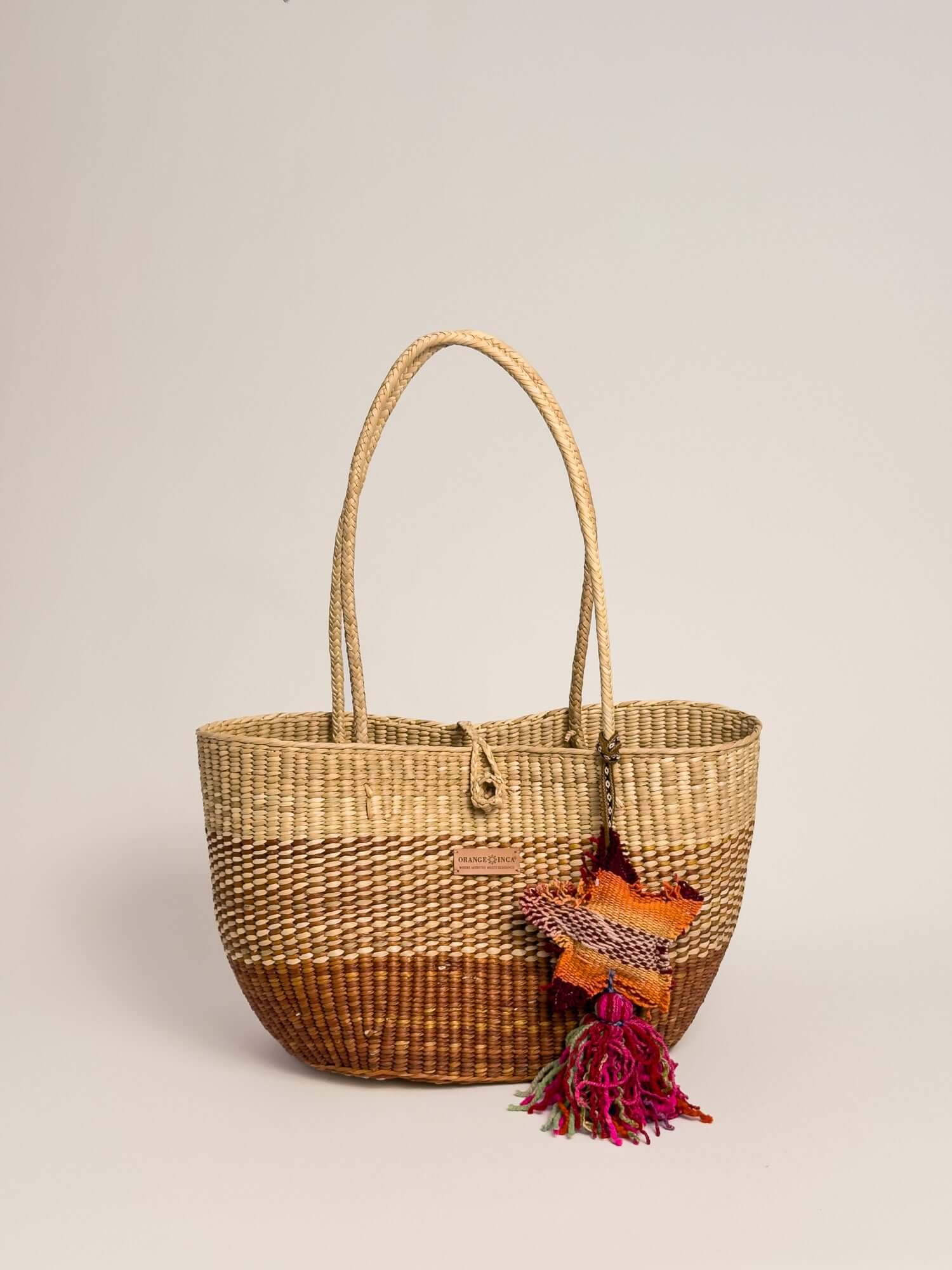
Earthy junco colourways — burnt sienna, olive, ochre, natural tan — sit alongside autumn textures in a way that's almost too easy. Heavy linen, a caramel-coloured knit, a long coat in oat or camel. The bag stops being a summer statement and starts reading as a considered choice — the kind of thing that makes an autumn outfit feel resolved rather than assembled.
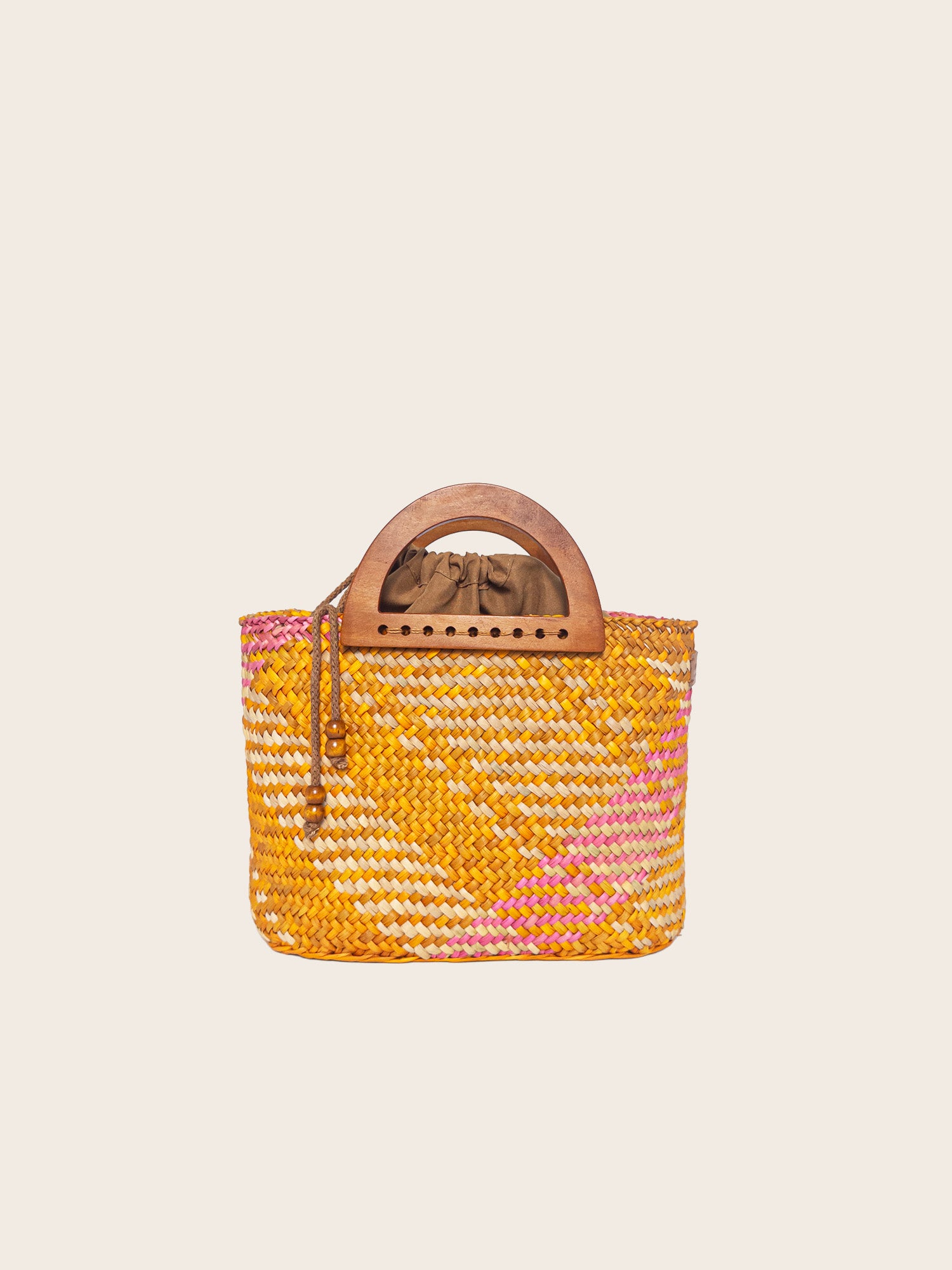
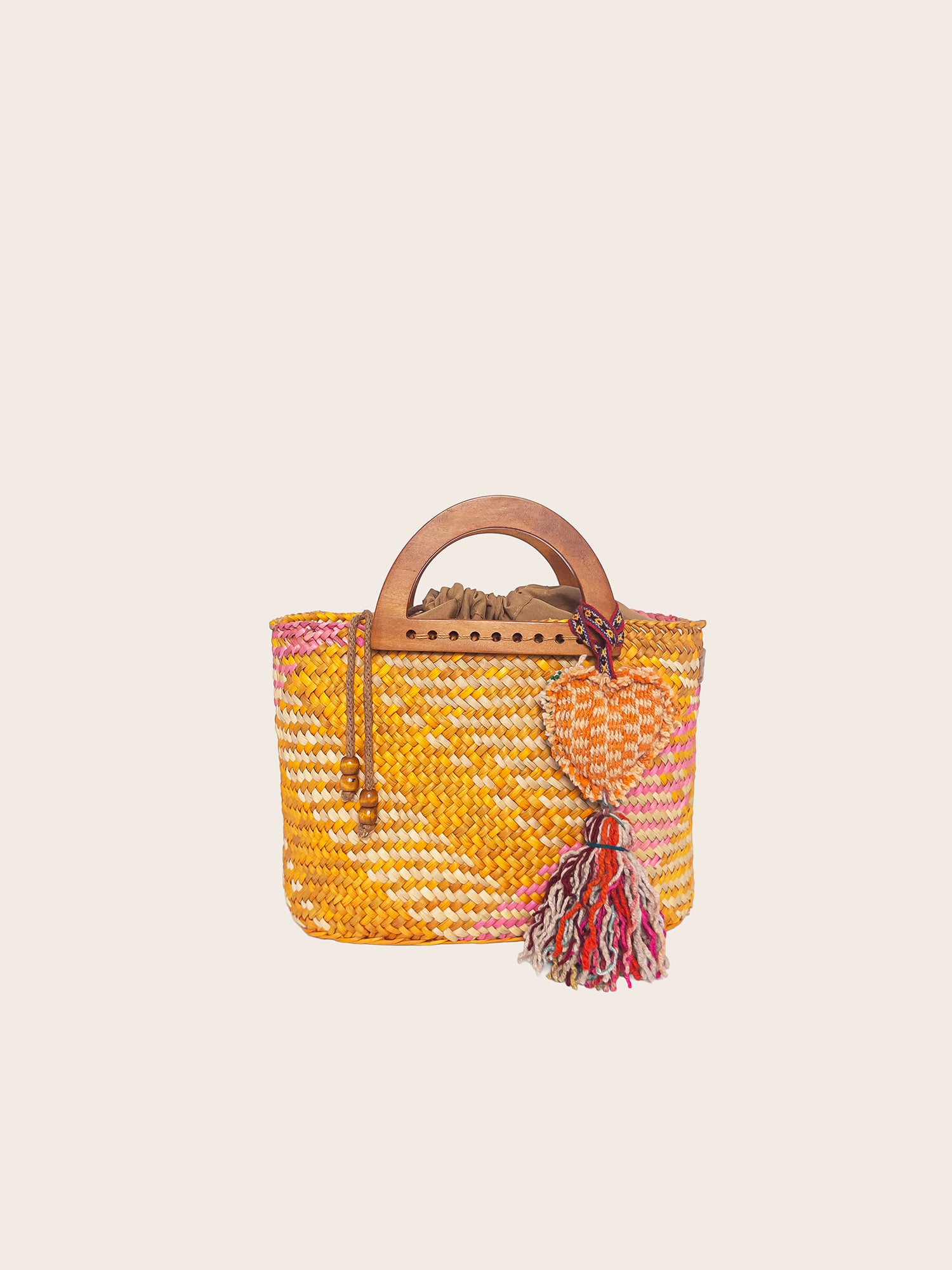
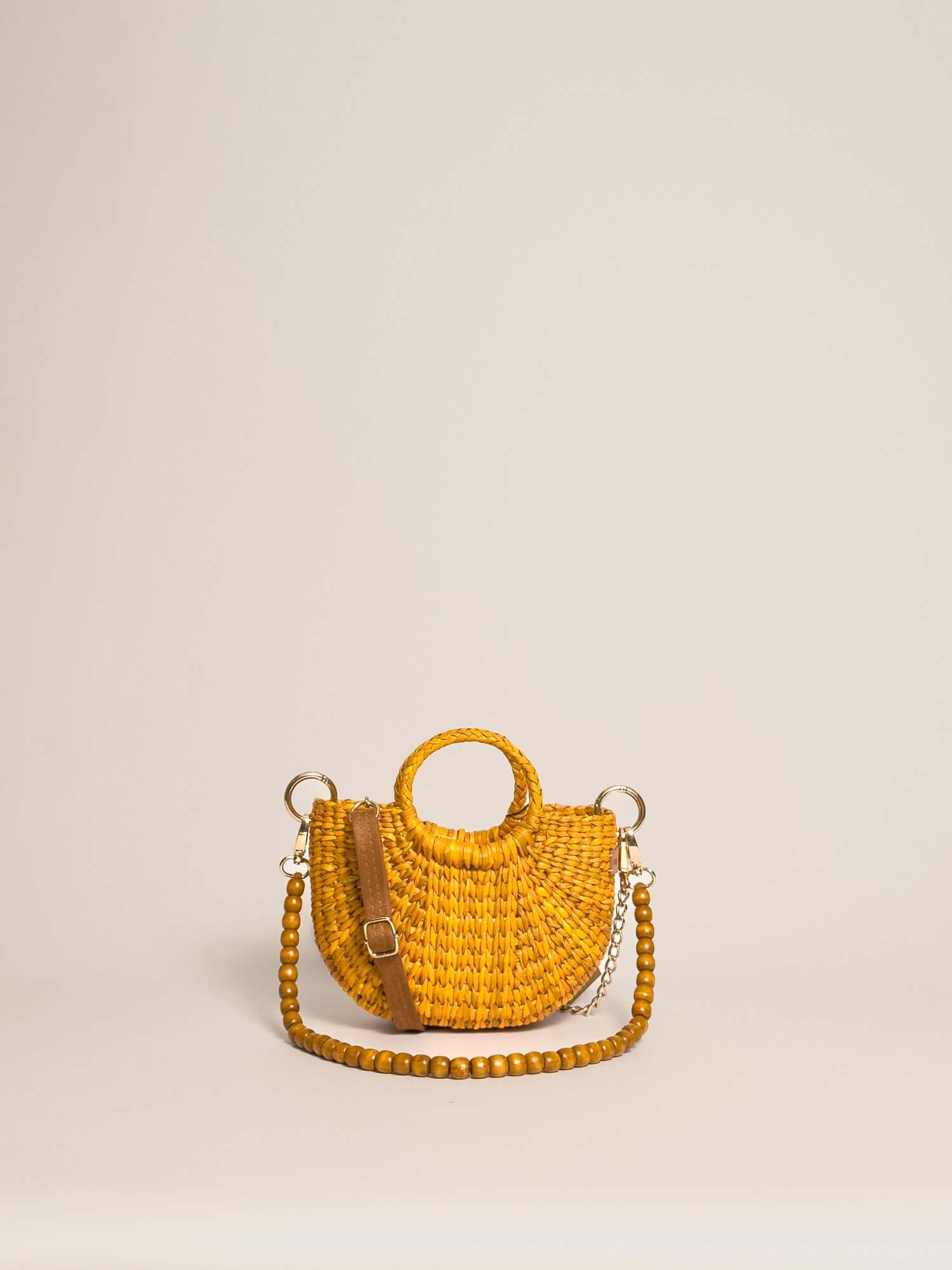
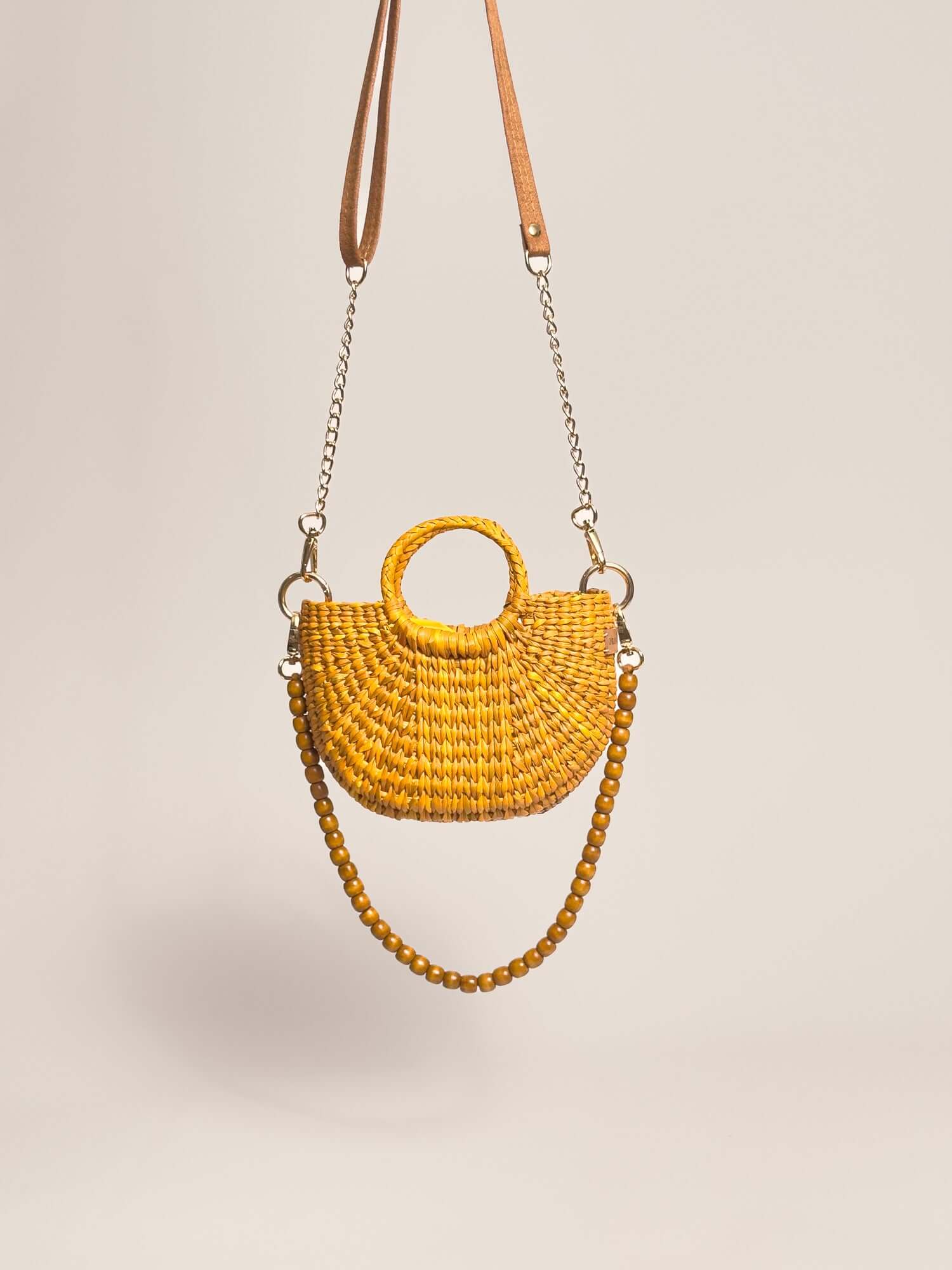
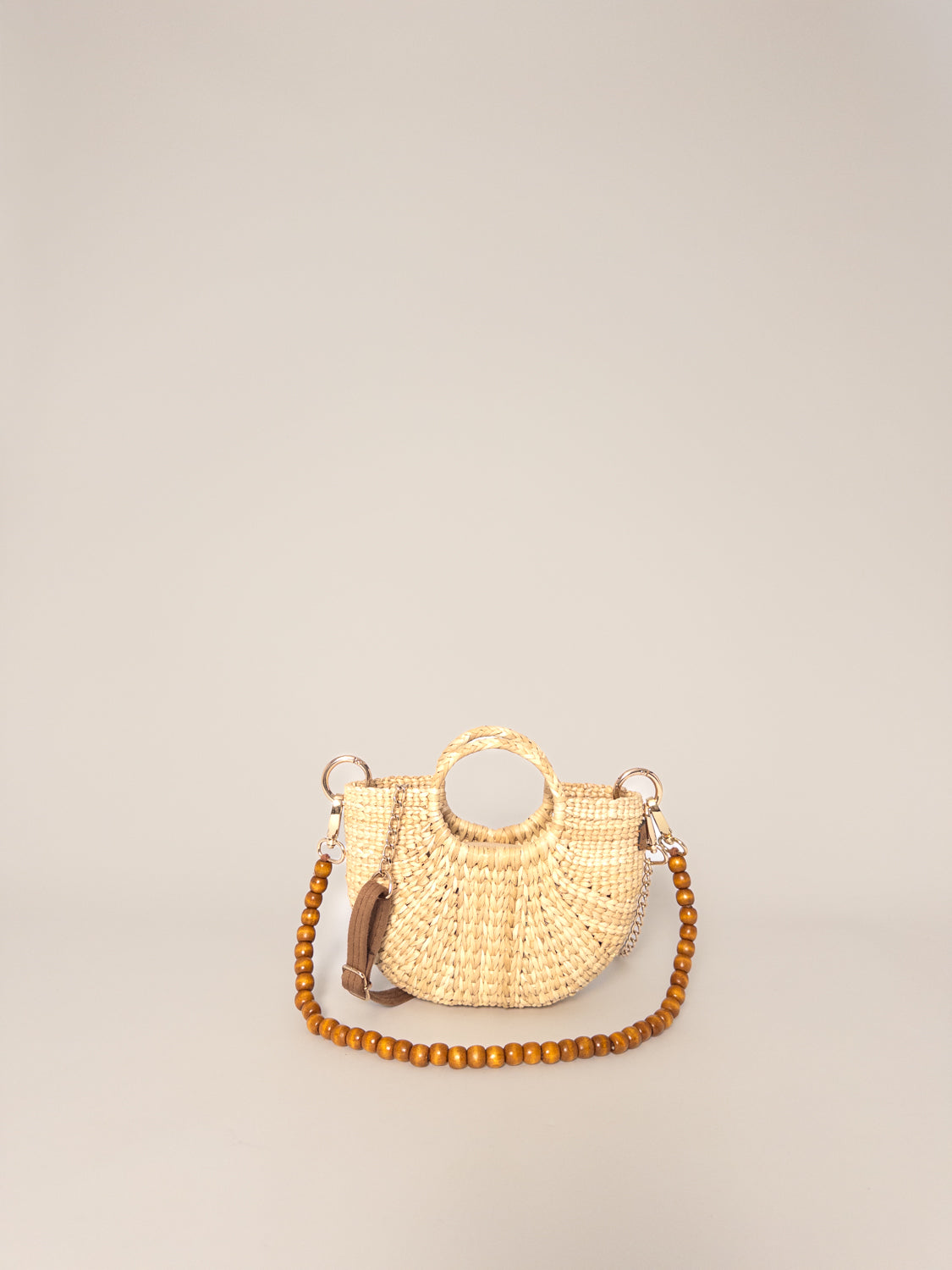
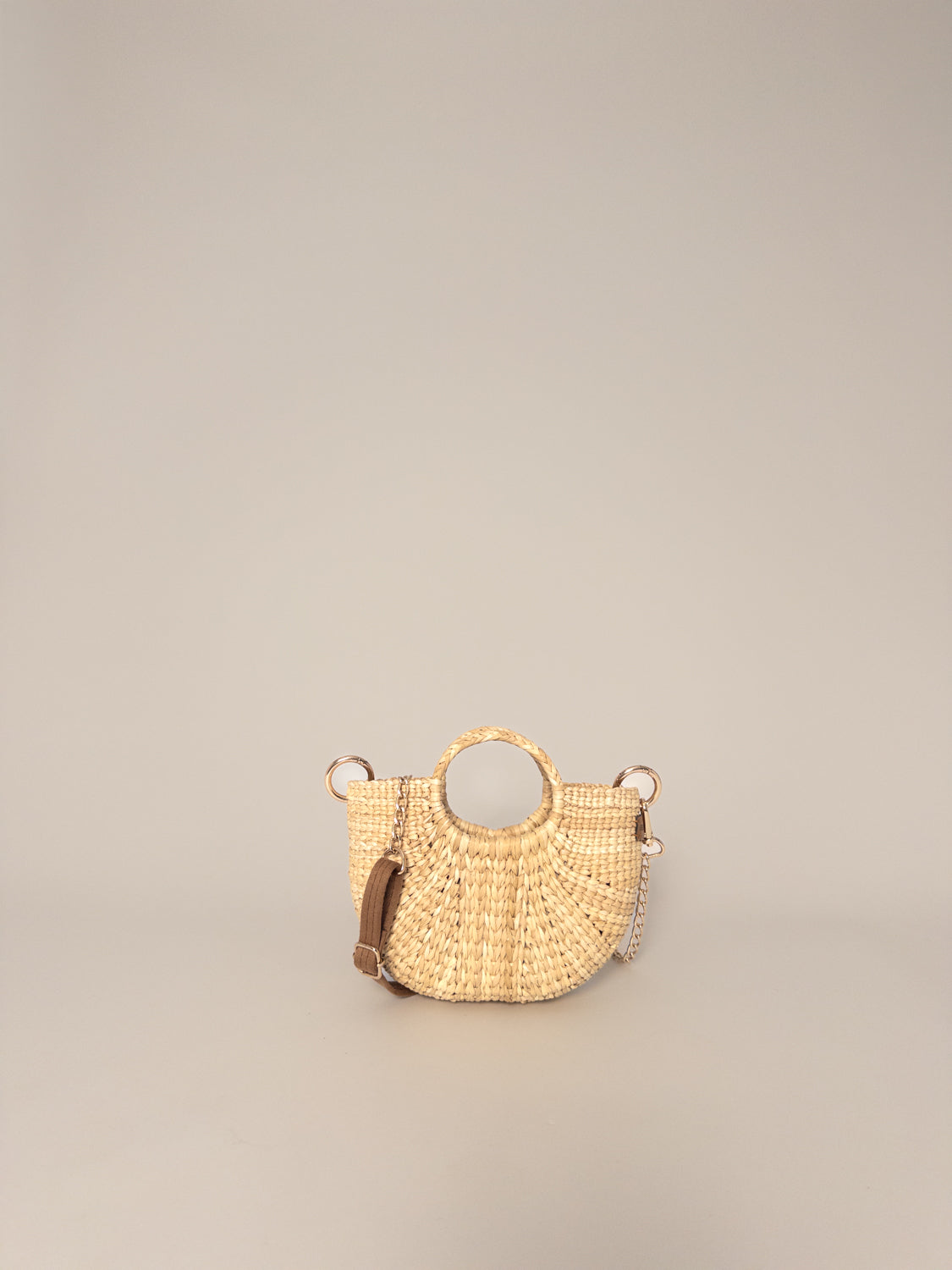
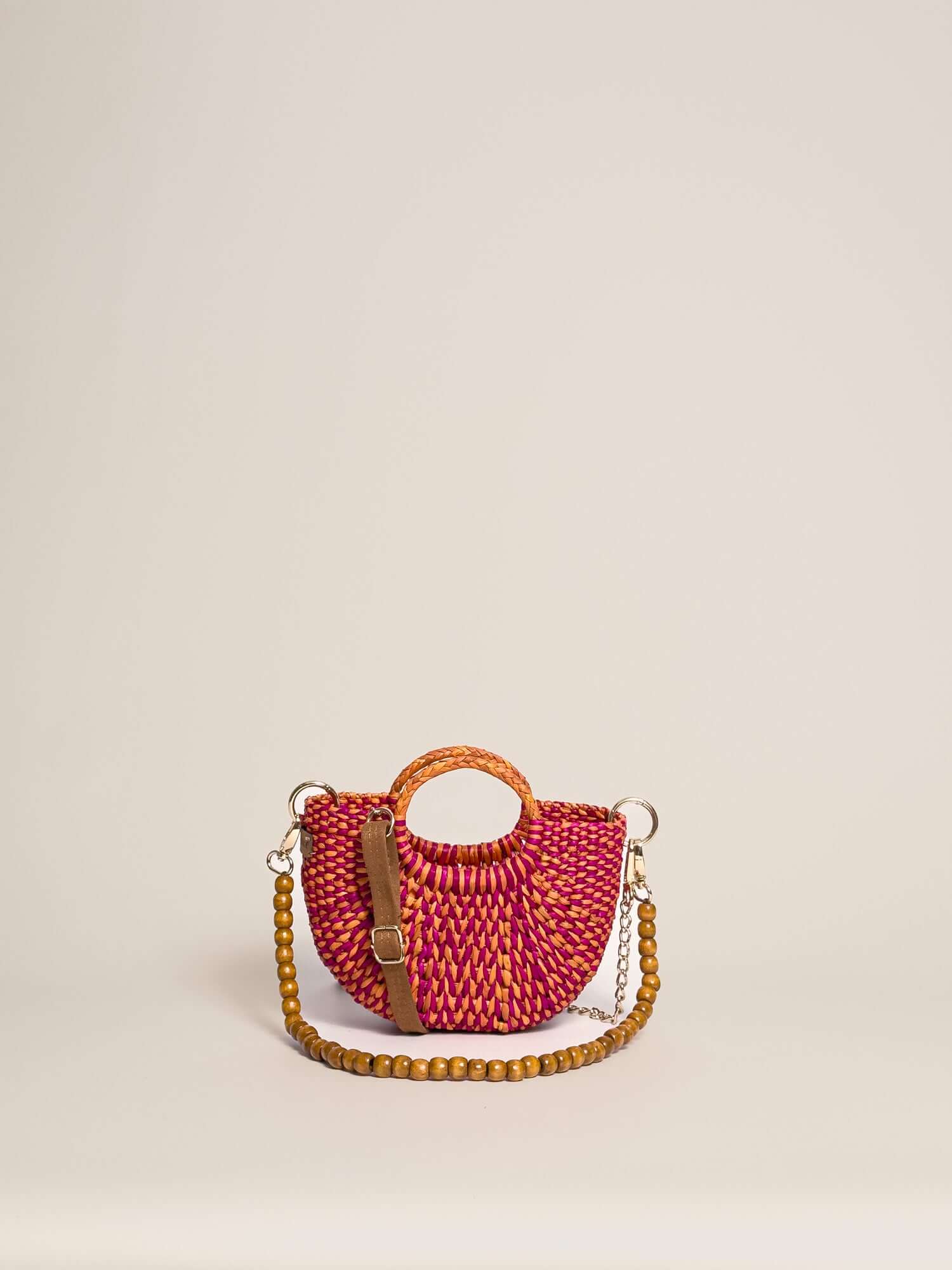
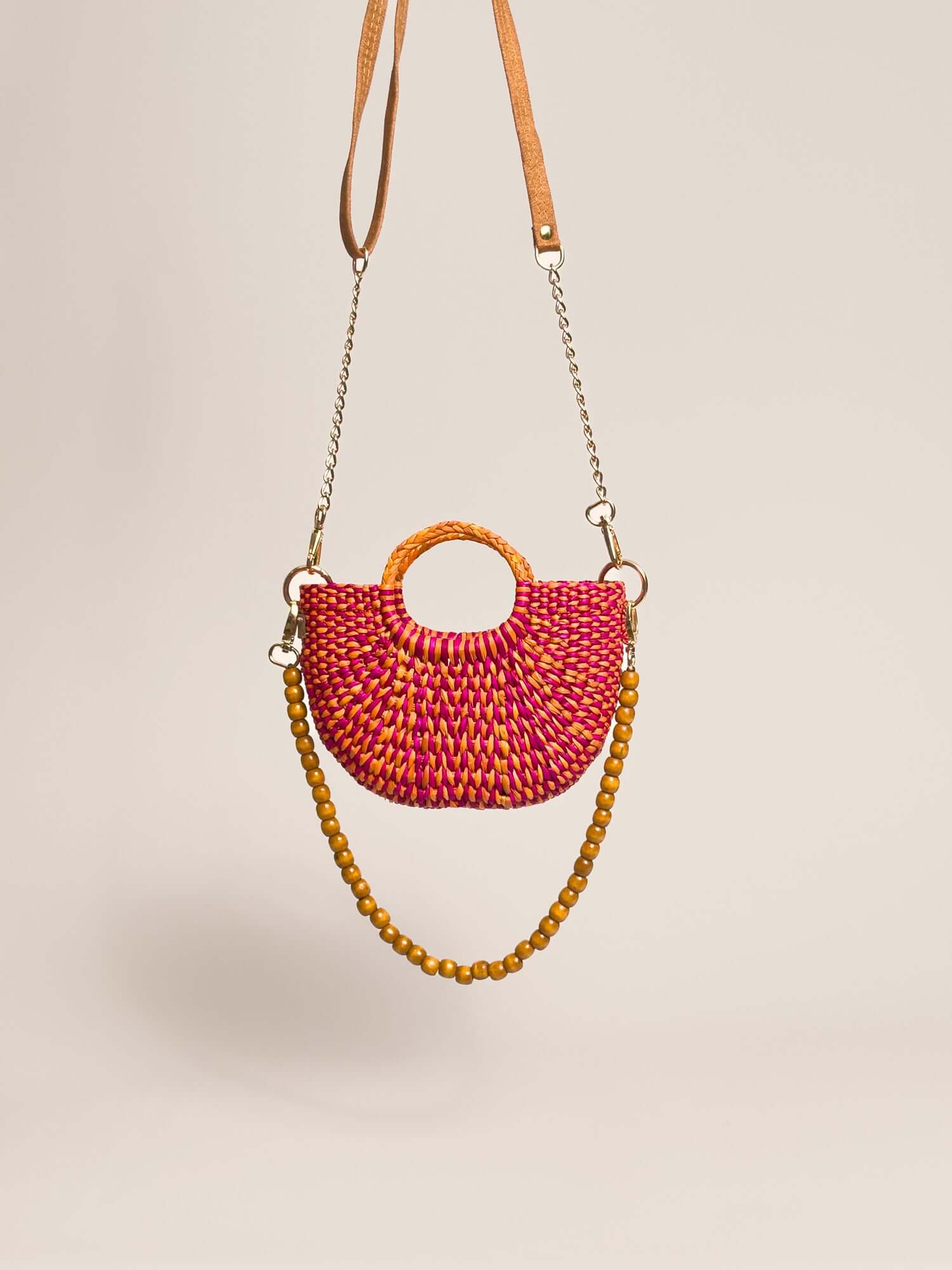
The Fiesta Mini works well here in its warmer colourways. Small enough to carry into a gallery, a café, a Saturday morning in the city. The shape and scale don't change; the conversation around it does.
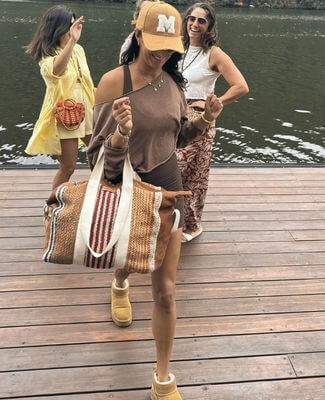
The Gran Fiesta goes in the other direction — it's big enough to do serious work in this season. Farmers' market, weekend away, a long day that starts with coffee and ends with dinner. The kind of bag you put things in rather than just carry.


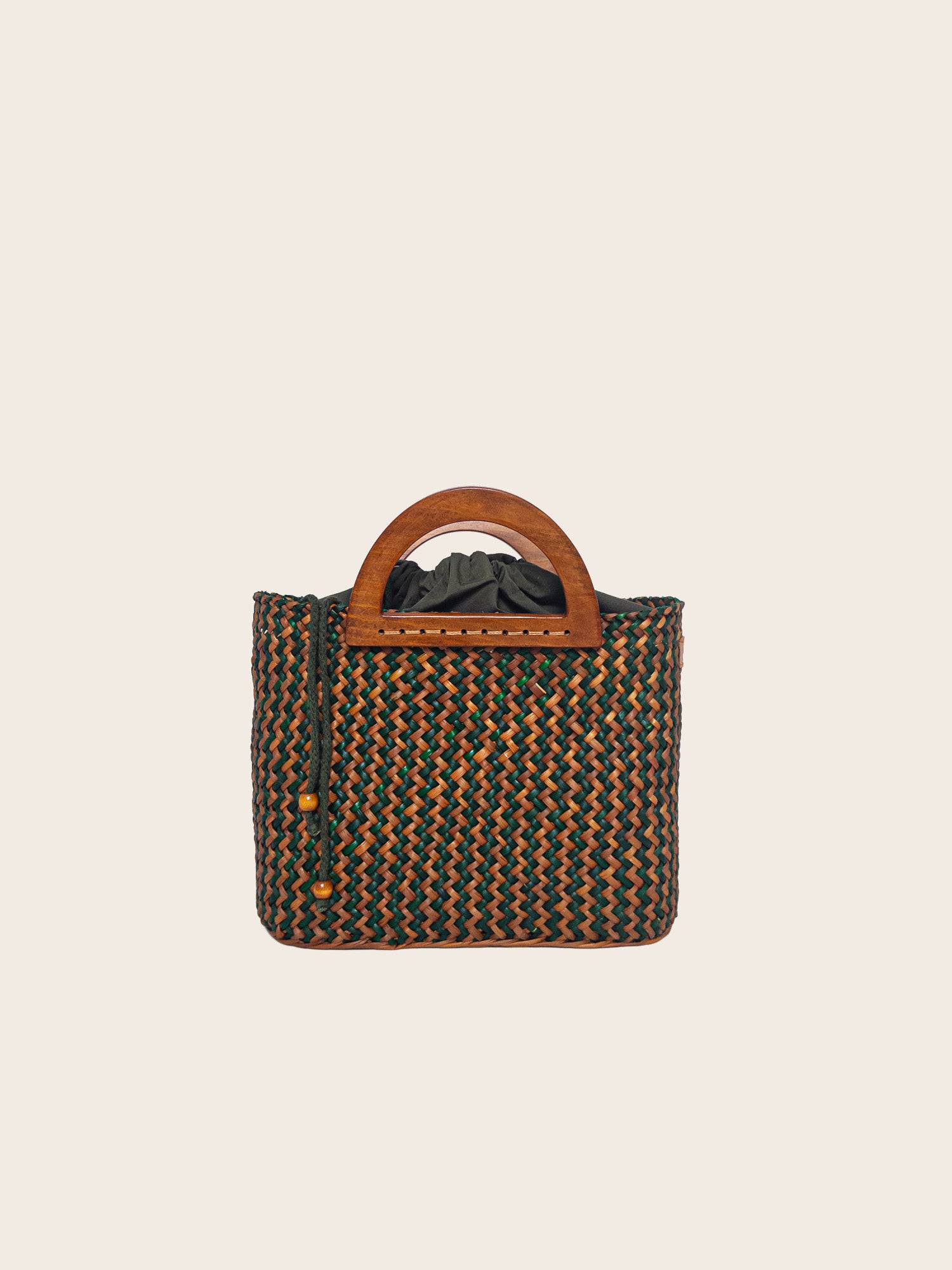
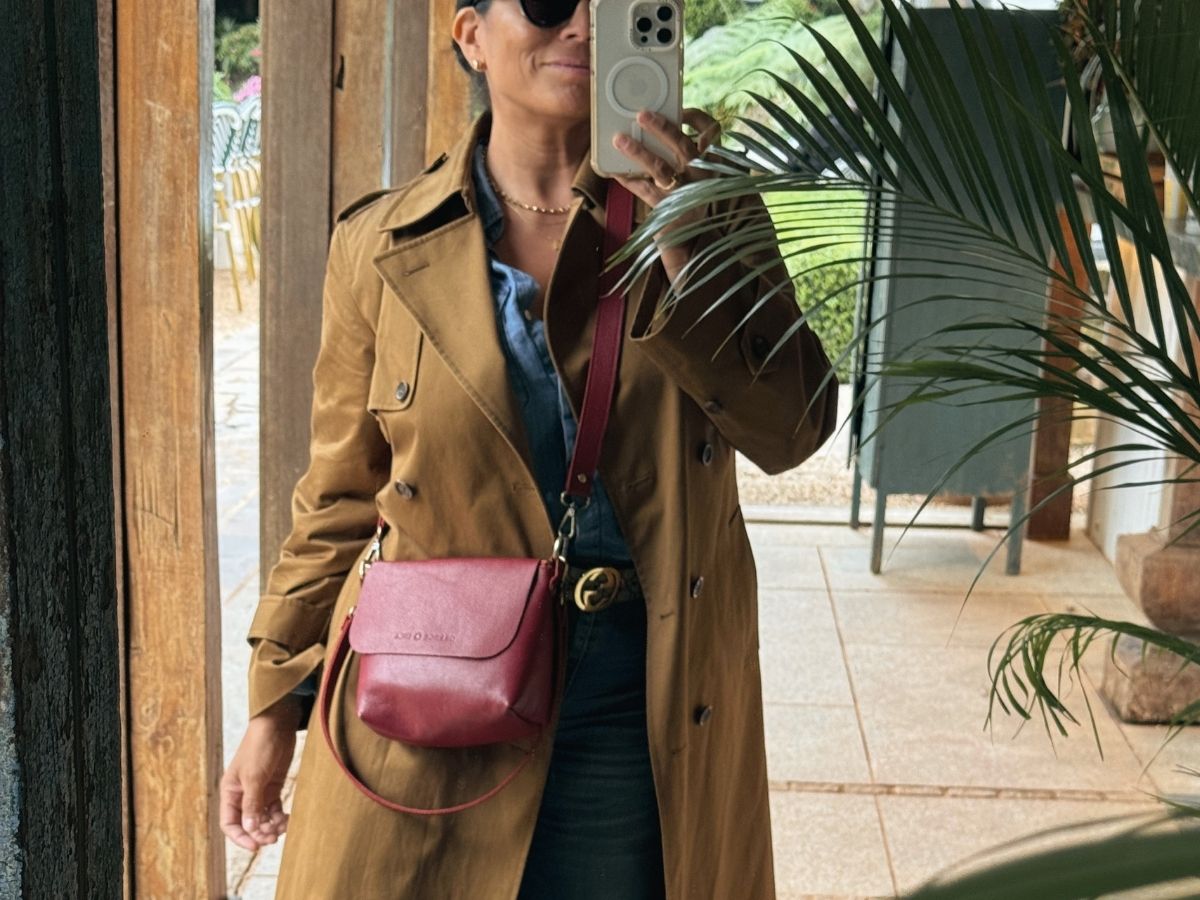
Pairing notes for autumn: warm junco tones against rust, terracotta, or forest green; the bag with a linen-blend blazer over something simple; dark denim, ankle boots, and a tote that has seen a few seasons. The combination reads unhurried and specific, which is the right note for autumn.
Winter
Here the bag asks you to think slightly harder — and rewards it.
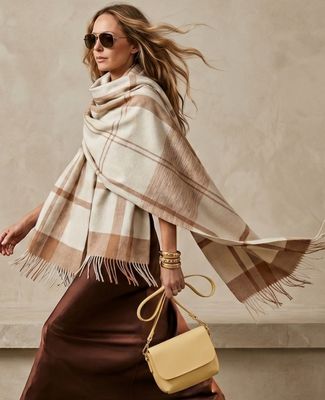
The move is contrast. A woven bag in winter reads as a deliberate choice, not a default. Against the heavy fabrics of the season — wool coats, chunky knits, thick scarves — the texture of junco becomes interesting rather than obvious. It's not soft. It doesn't pretend to be. That solidity is exactly what makes it work next to a coat.
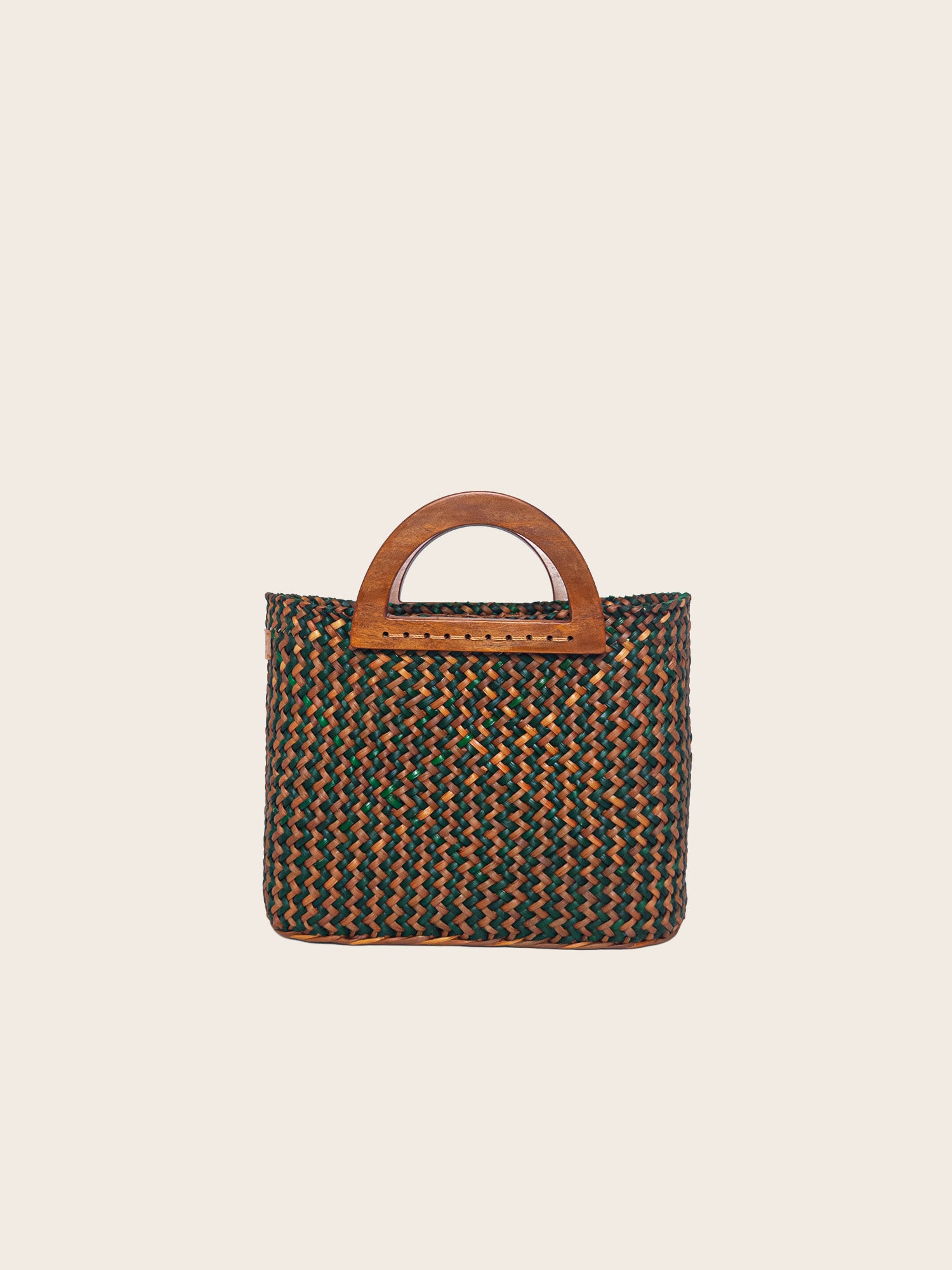
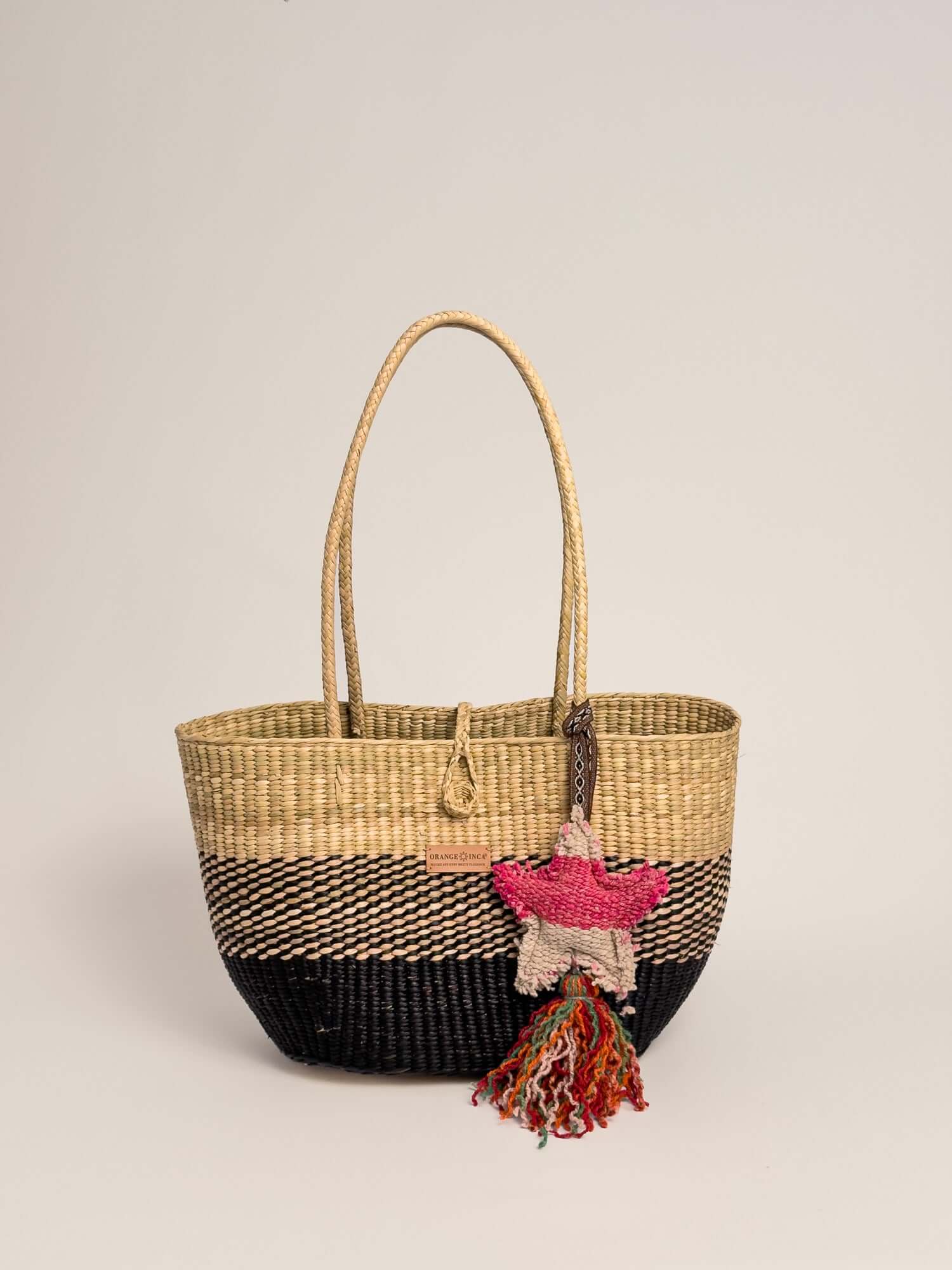
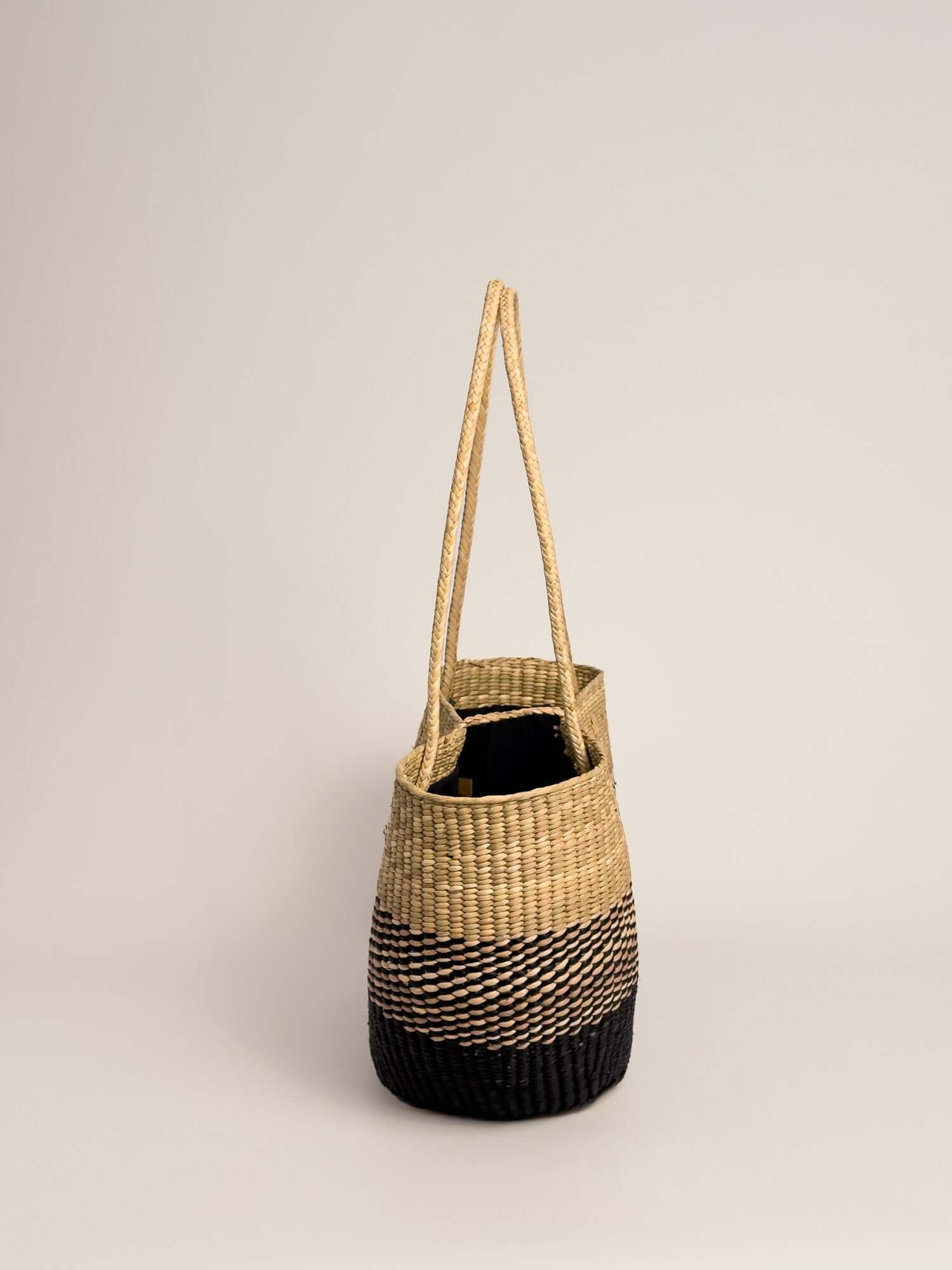
Colourways to lean into in winter: the deepest greens, the truest blacks, any of the rich earthy neutrals. These read warmer against dark fabrics than a bright summer colour would.
The Fiesta Mini is the practical winter carry — compact enough to tuck under a coat arm, structured enough to hold its shape. It goes from the office to dinner without needing to be swapped. The Marrakesh Clutch has a similar logic for evenings: the natural material against fine fabric is a good combination, dressed up simply by being held rather than carried.
One combination that works particularly well: a deep olive junco bag, a cream-coloured wool coat, something simple and dark underneath. The bag is the warmest note in the palette and it does that job quietly.
Spring
The transition is easier than expected.
As the layers come off and the fabrics lighten, a woven bag stays the same bag it has always been. Florals, soft prints, linen returning — junco sits naturally against all of it. It's not competing for attention; it's anchoring the outfit.

Spring is where the brighter colourways — terracotta, cobalt, warm pink — start to feel available again. The Playa Tote in one of these with something simple and white is the easiest spring combination there is.

For the transition weeks when the weather is still undecided: the Gran Fiesta in an earthy neutral handles the gap between winter and full spring without looking like it's reaching for a season that hasn't arrived yet.
Summer
And then there's this — the original context, the one everyone already knows.
The bright junco colourways in full sun, a linen dress, nothing complicated. The Gran Fiesta as a beach bag that is structurally too interesting to look like a beach bag. The Playa at a coastal market where the material looks like it belongs to the geography.

This is where the bag tends to be discovered, and there's nothing wrong with that. The Fiesta Mini in a bright colourway on a warm day is the combination that earns its place and then hangs around quietly in the wardrobe doing useful work for the rest of the year.

A note on colour
The single most useful variable across all four seasons is which colourway you choose.
A junco bag in turquoise or coral reads coastal and warm-weather, full stop. A junco bag in ochre, deep olive, or sienna can go almost anywhere. If the goal is a bag that works all year, start with a colourway that doesn't belong to one season. The richer, earthier end of the palette is the most versatile — and happens to be where the material's natural colour sits before the dye is applied.
The bright colourways are not wrong. They're specific. Buy the colour you'll actually reach for — just understand what it's telling the season before you put it away in March.
The part that doesn't change
There is one true thing across all of this: a well-made woven bag is not a warm-weather accessory that tolerates the cold. It is a bag that happens to photograph beautifully in summer.
The junco reed holds its shape through every season. The natural dyes don't fade when the light flattens. The bag that gets a little more worn over the years looks better for it — not worse.
Carry it through to the other side of winter. It will still be there when the linen comes back out.
For more on what makes junco reed different from raffia or straw — and why that matters for a bag built to last — read Junco Reed: The Peruvian Material Behind Every Orange Inca Bag.
Browse the junco bag collection.

Leave a comment
This site is protected by hCaptcha and the hCaptcha Privacy Policy and Terms of Service apply.