





How to Care for Your Frazada Rug
Most rugs just need cleaning. A frazada needs a little more understanding than that.
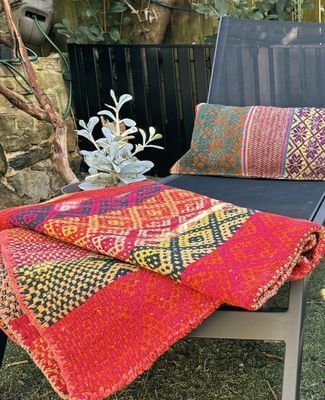
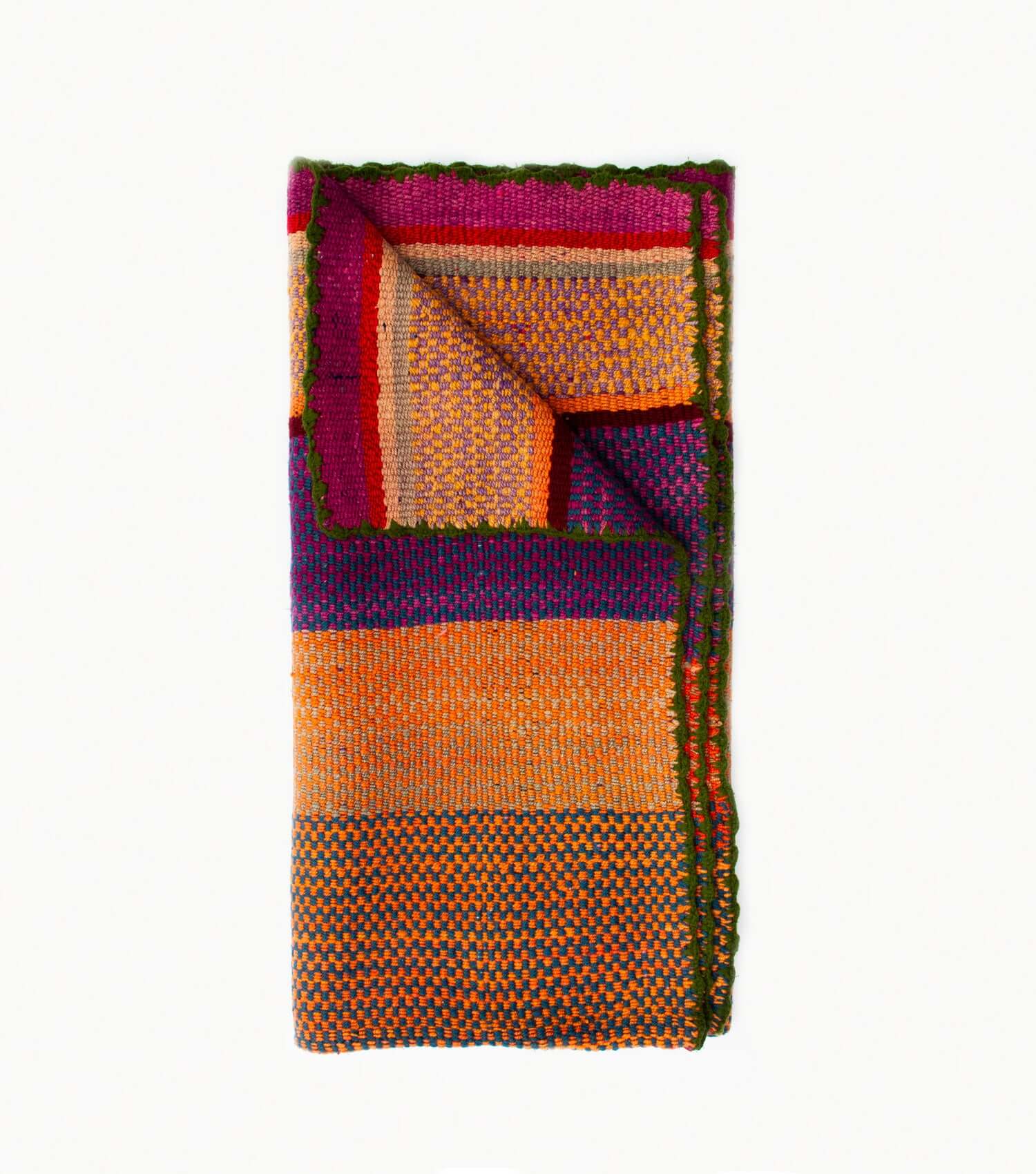
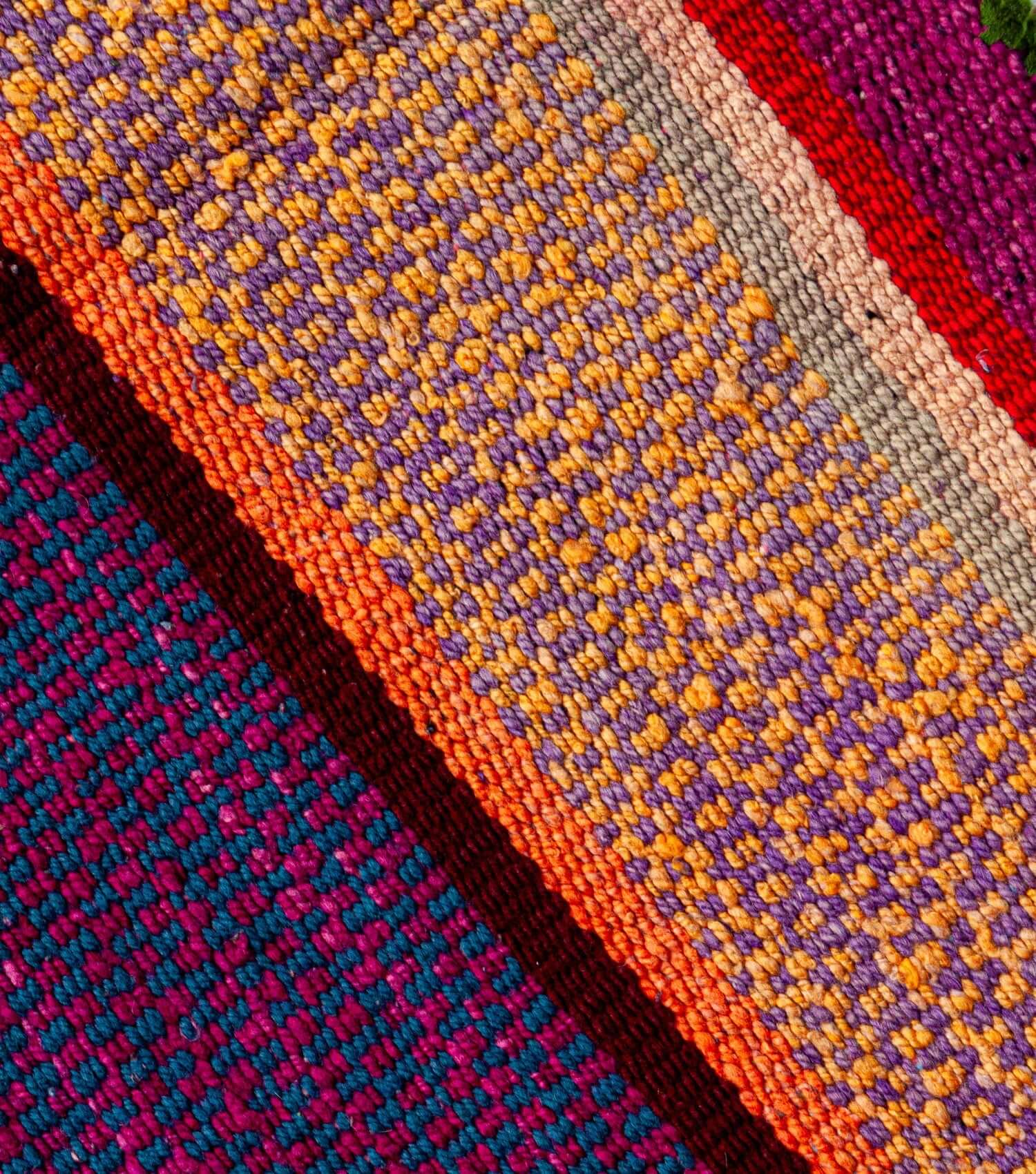
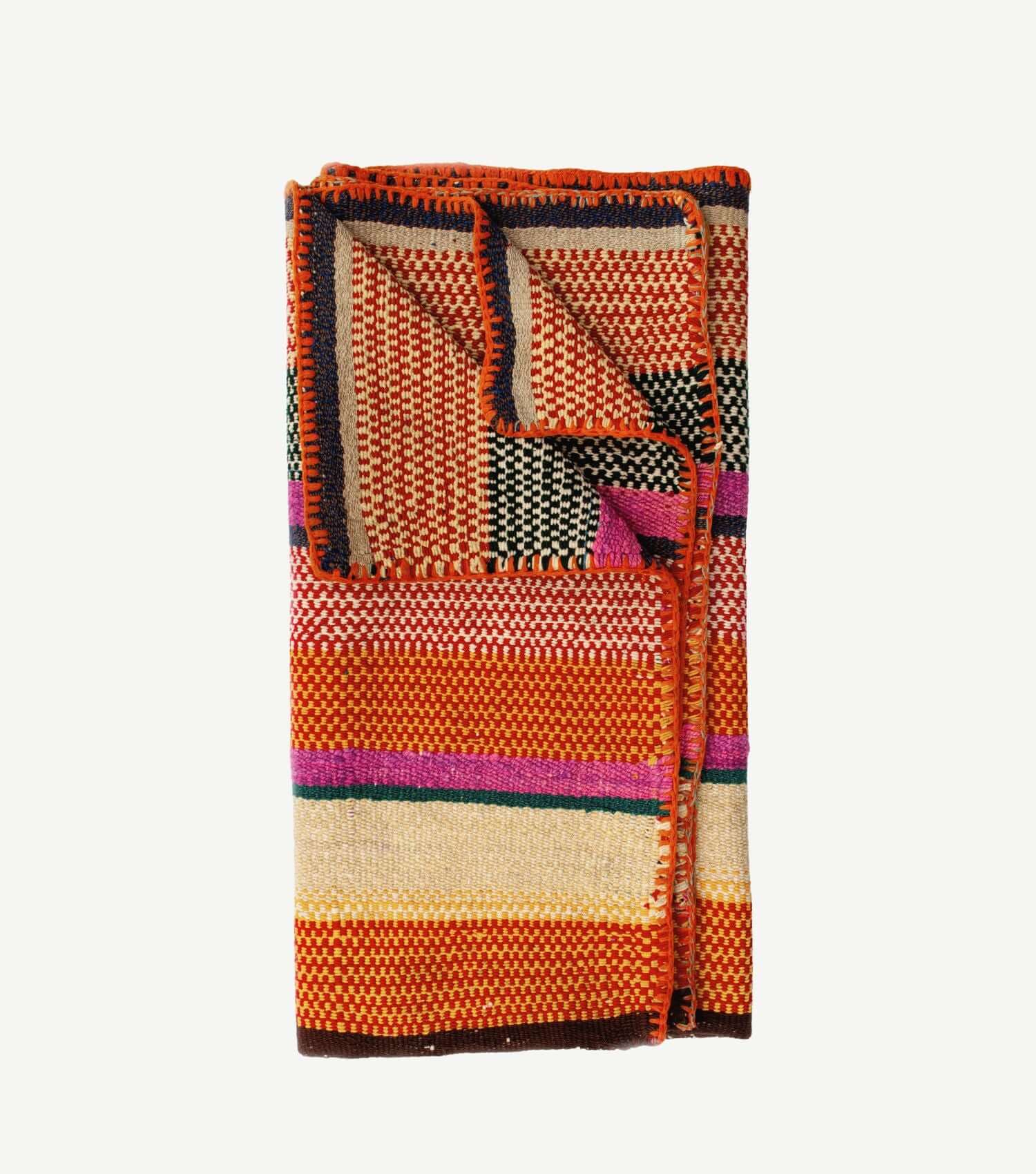
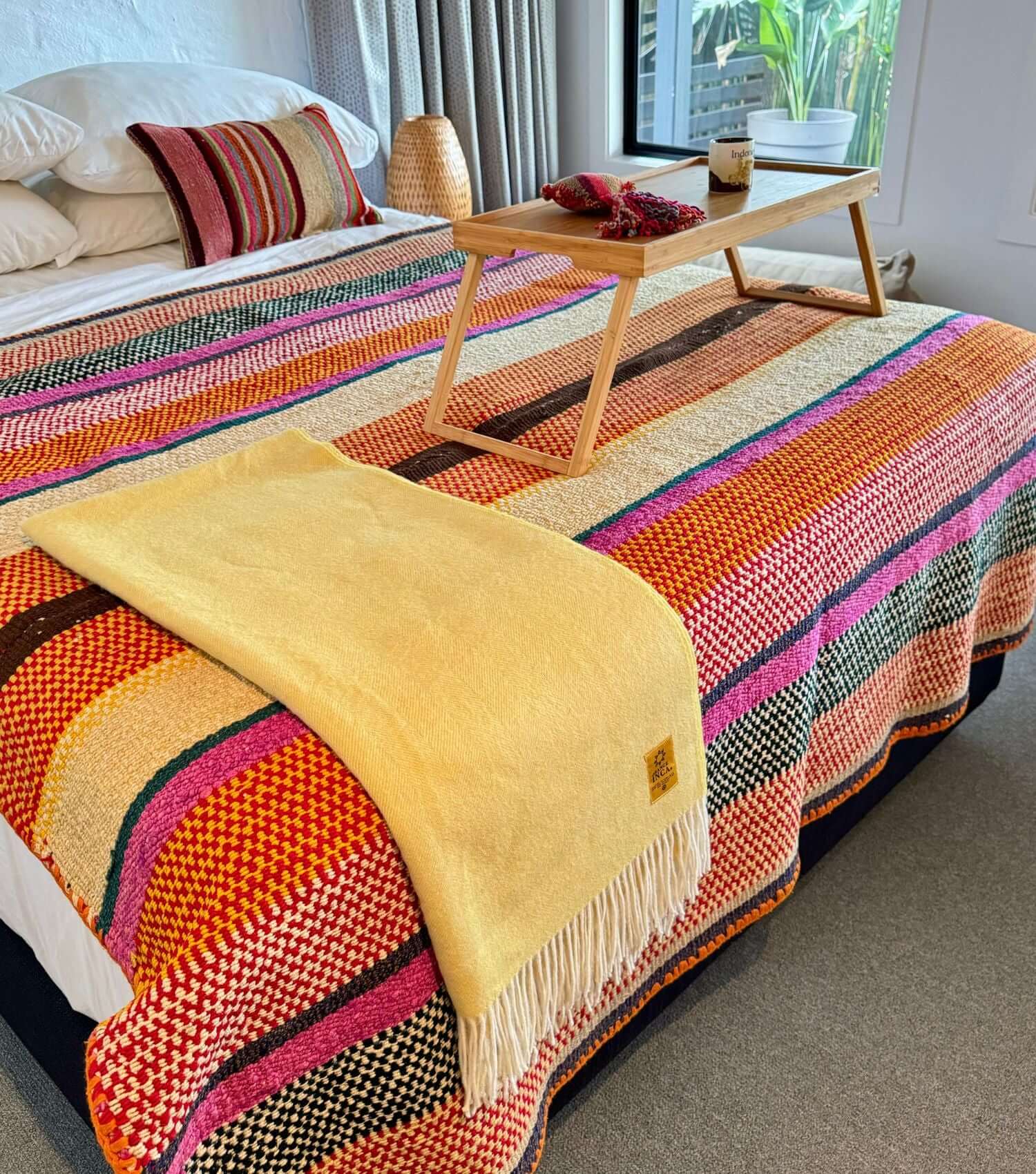
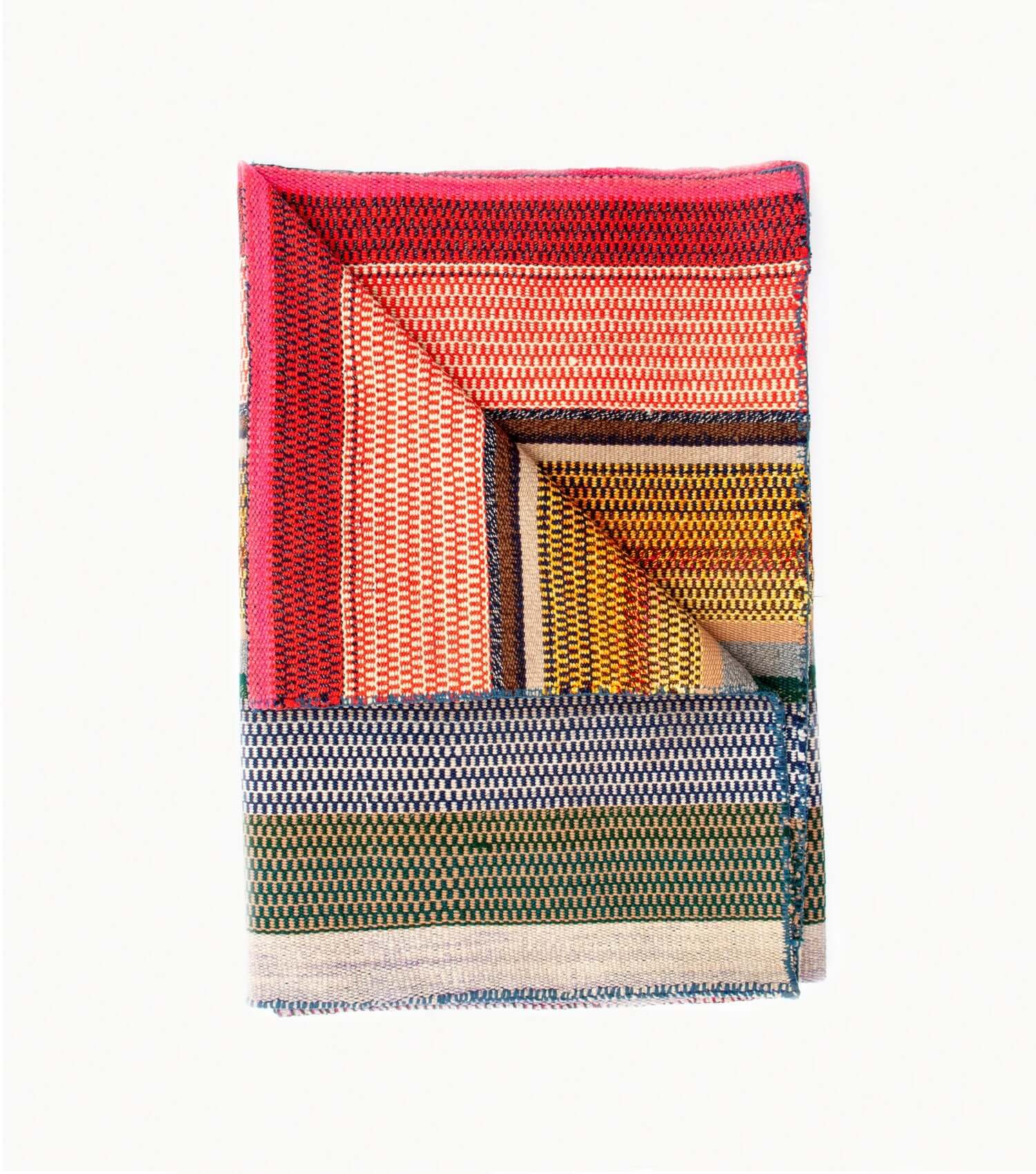
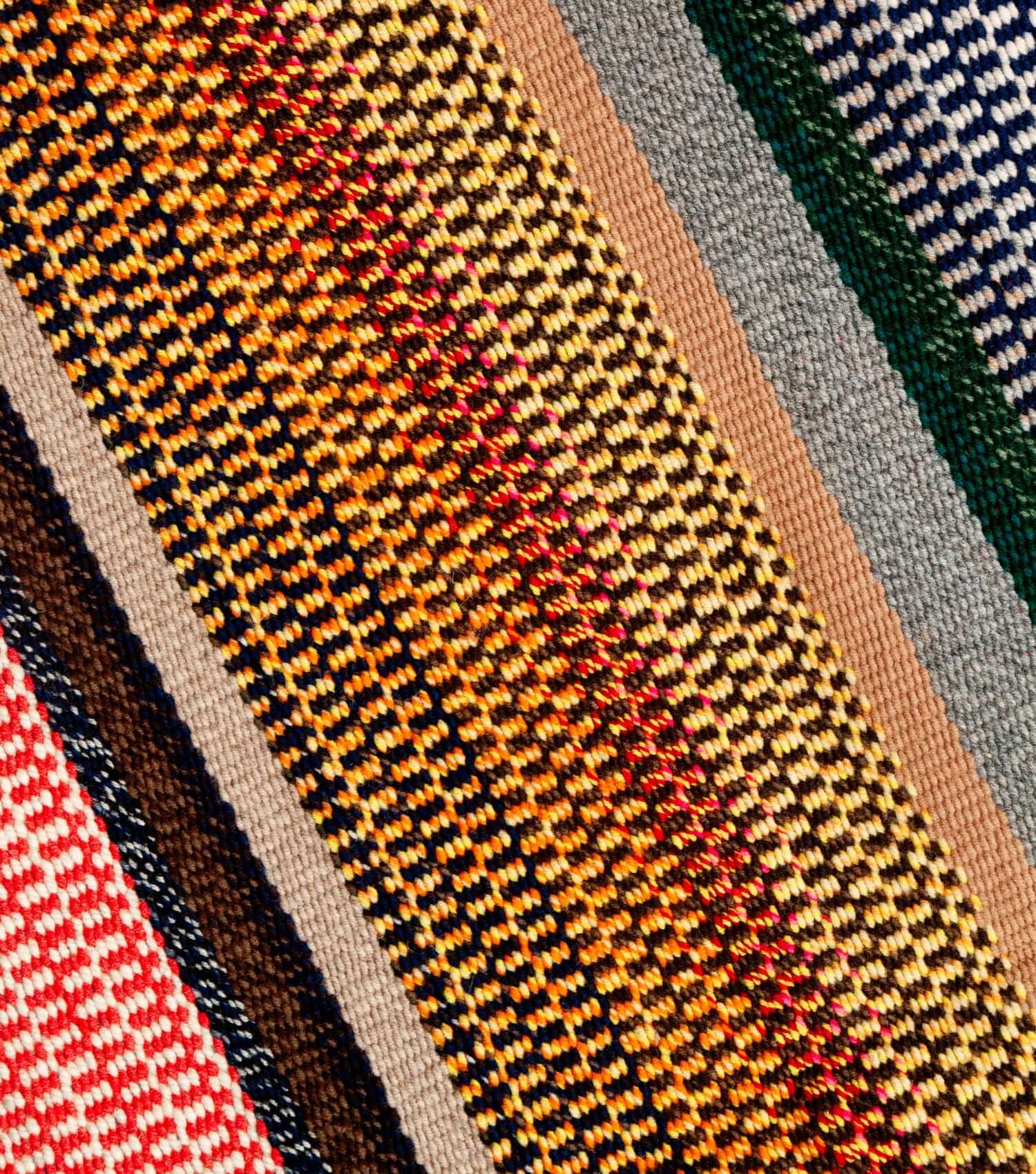
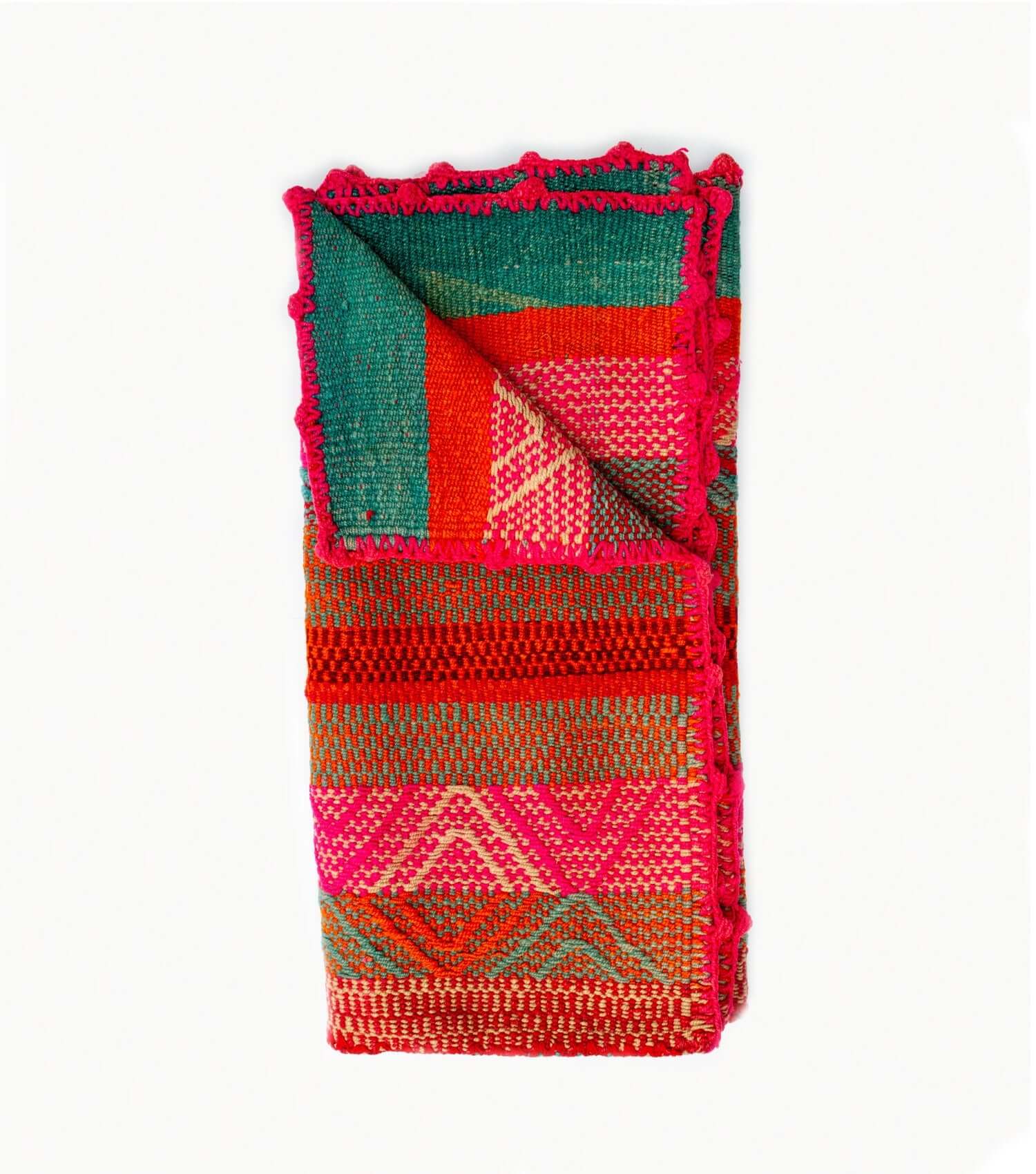
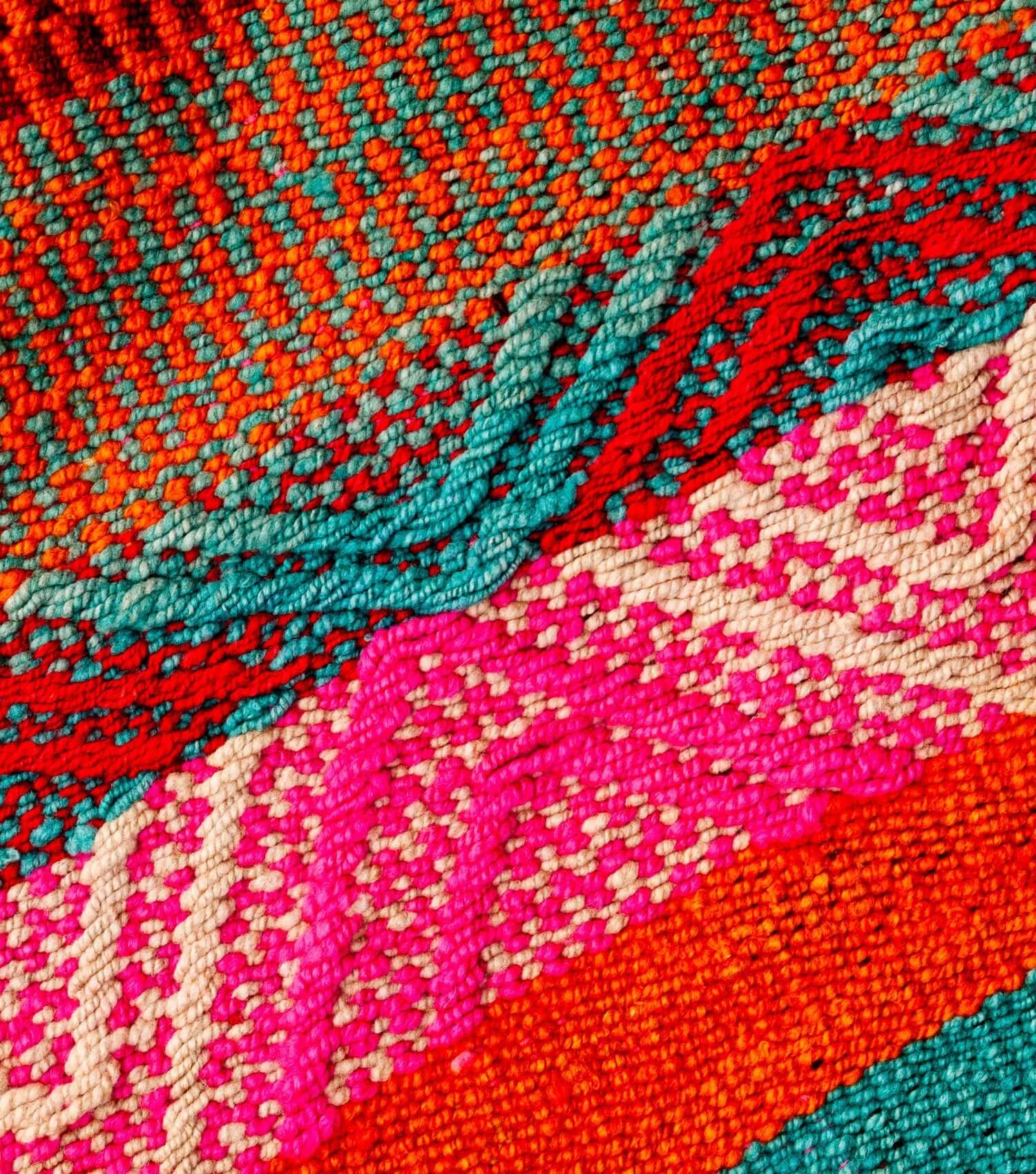
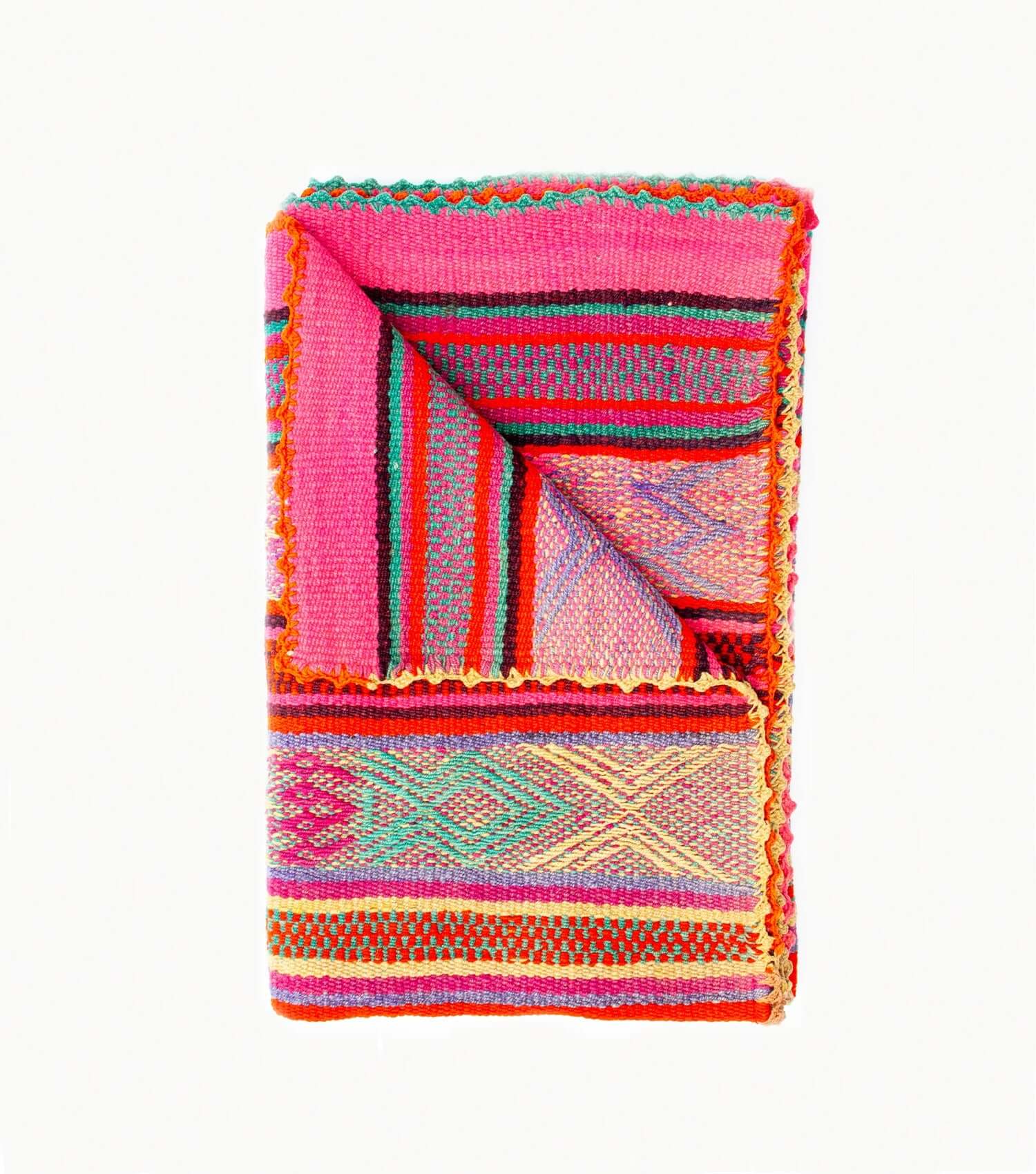
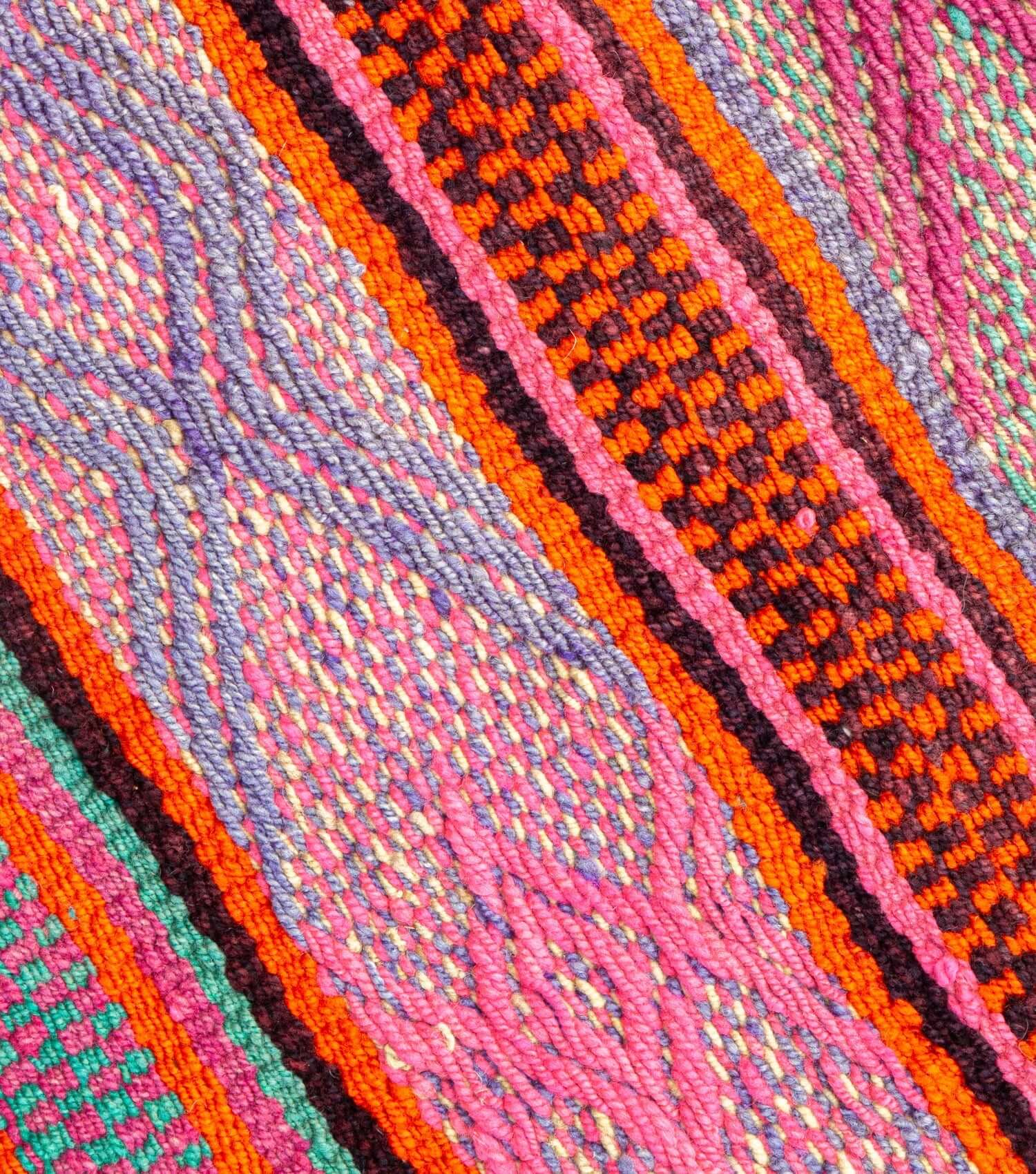
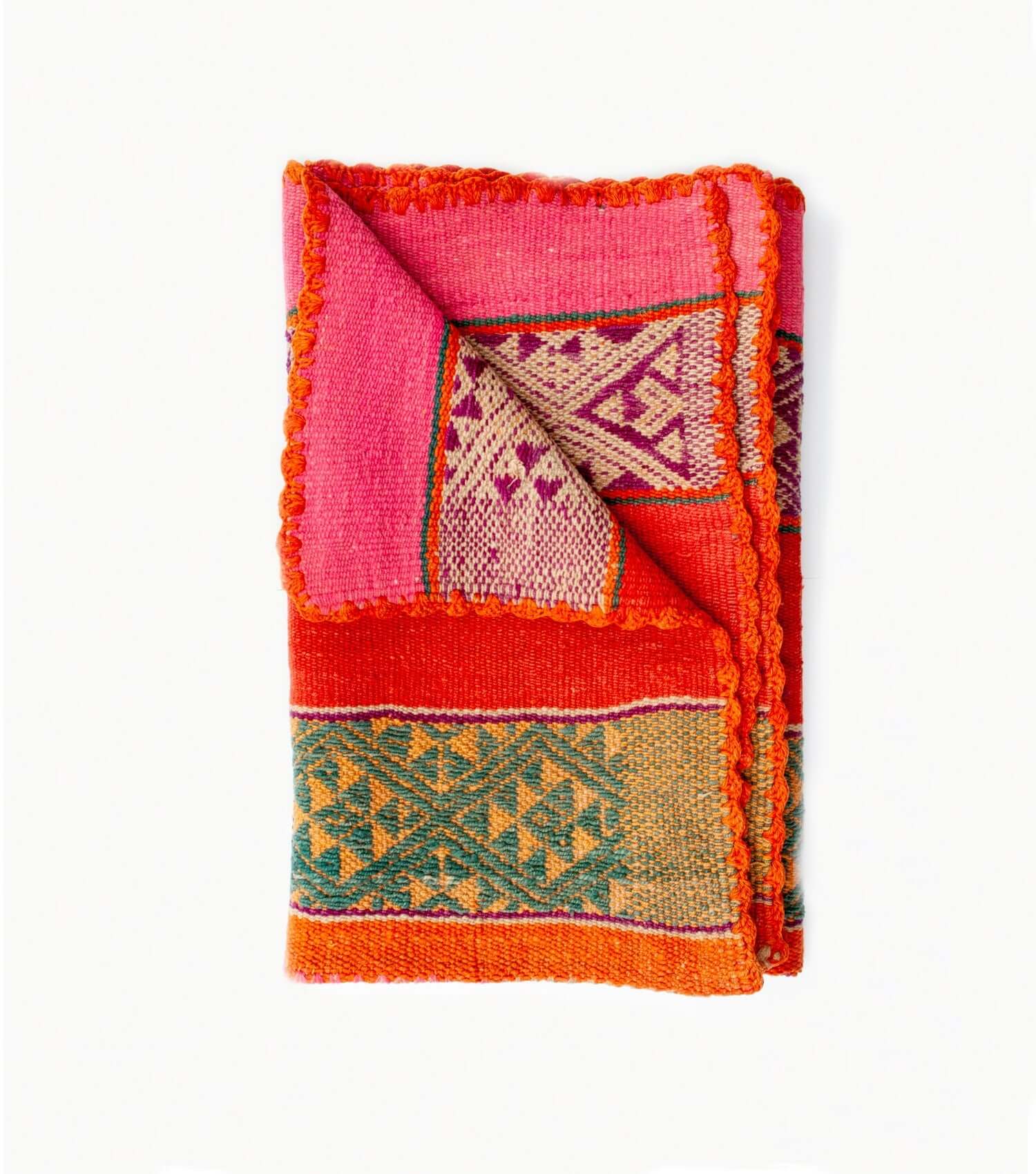
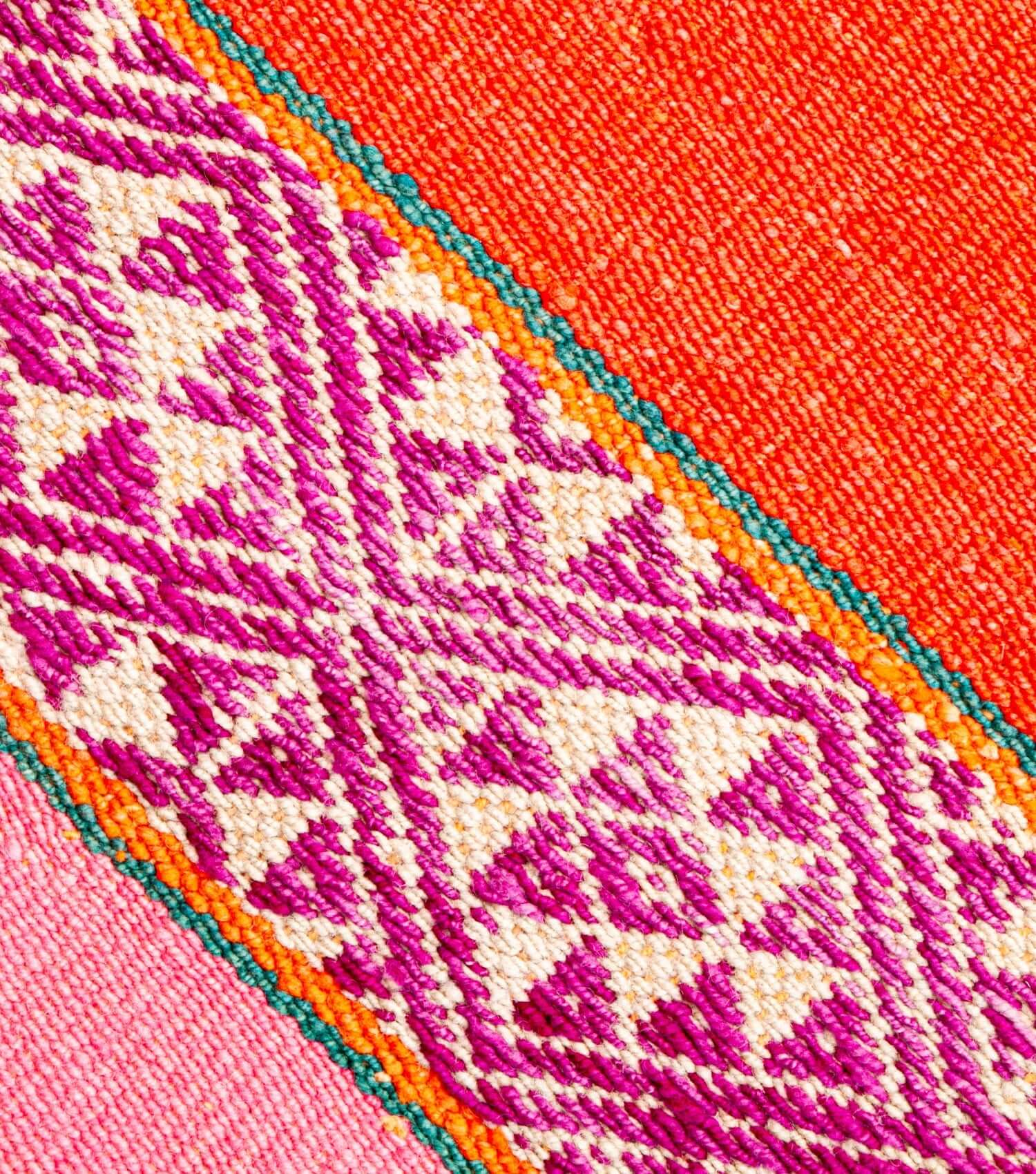
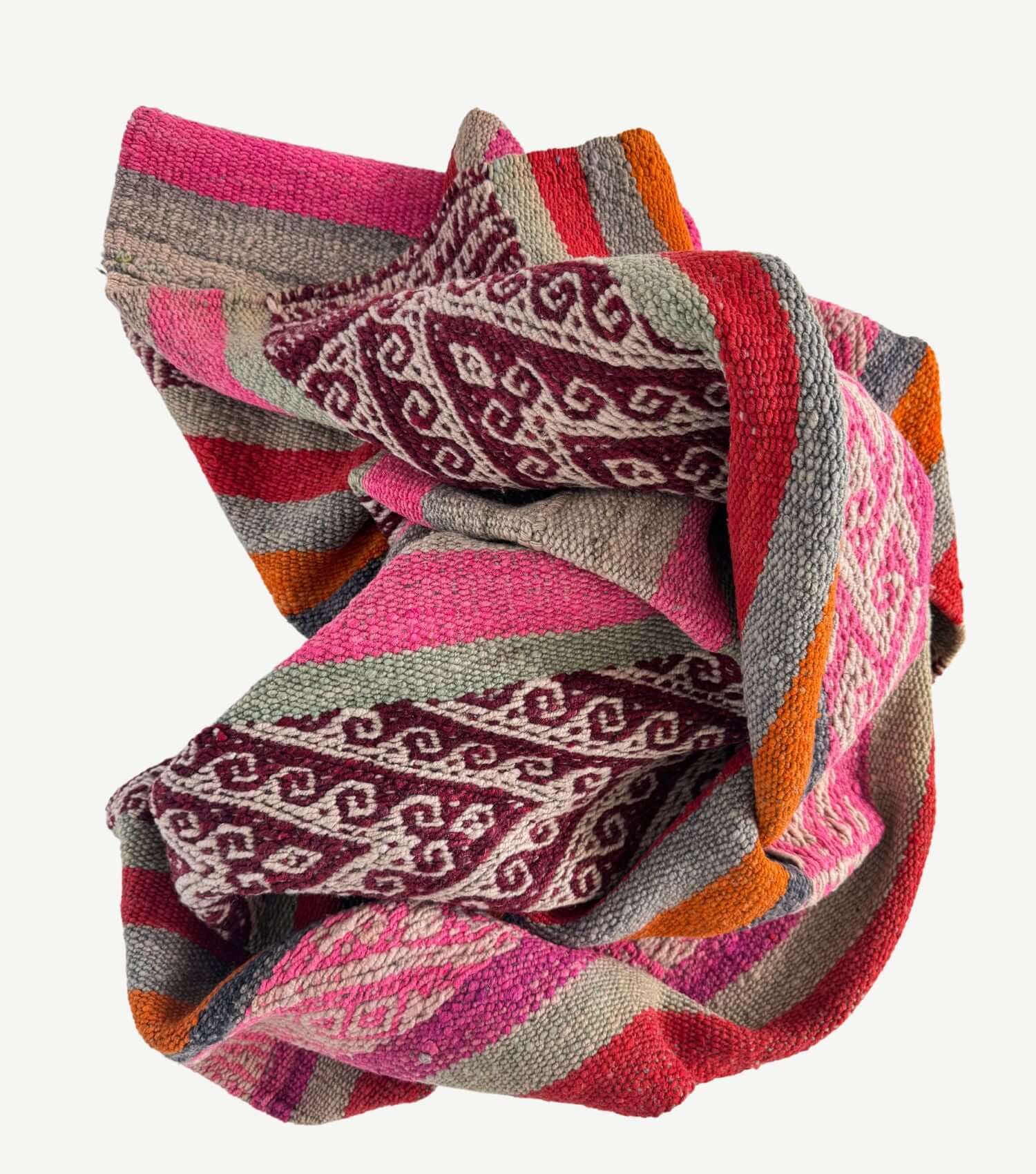
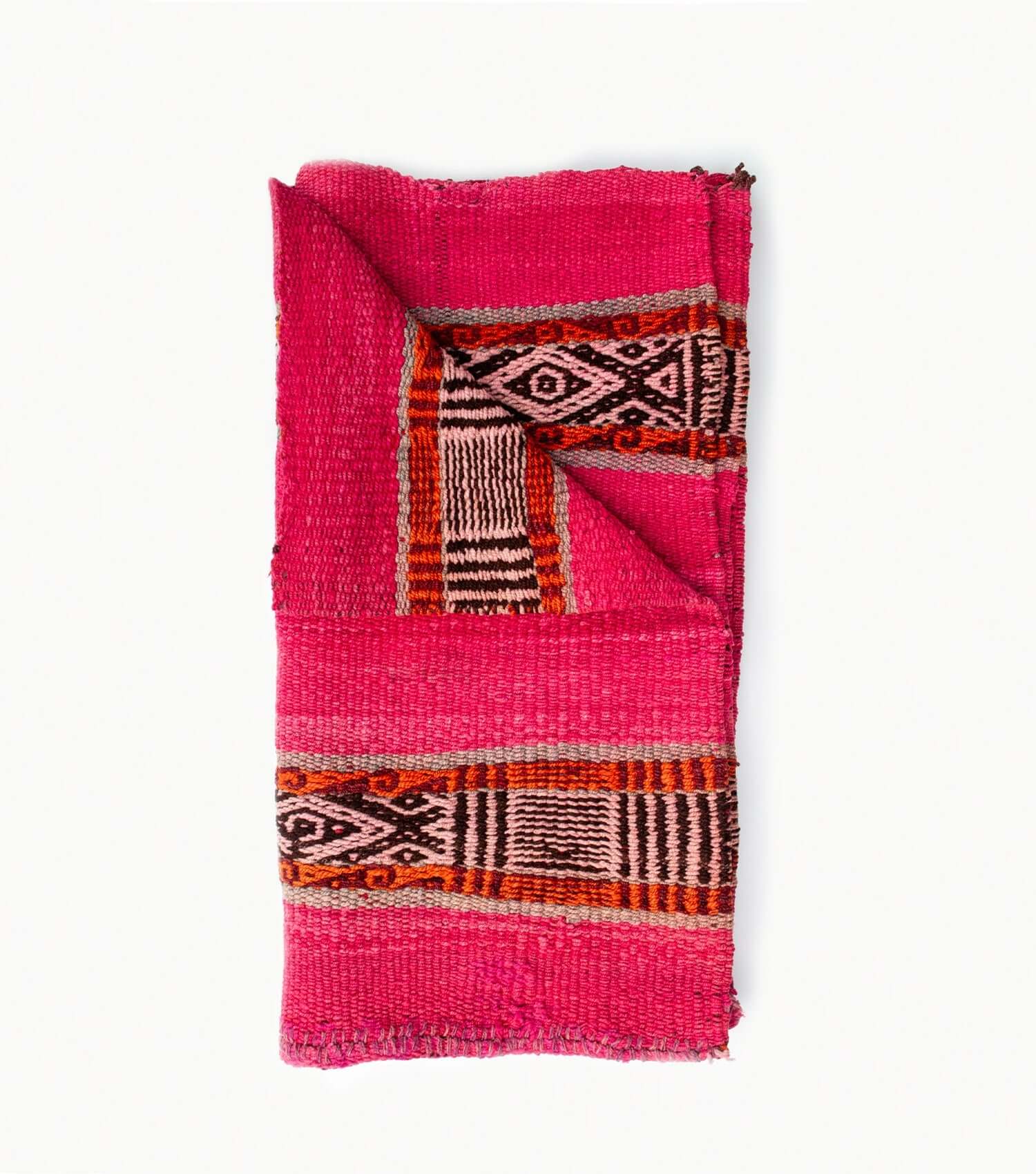
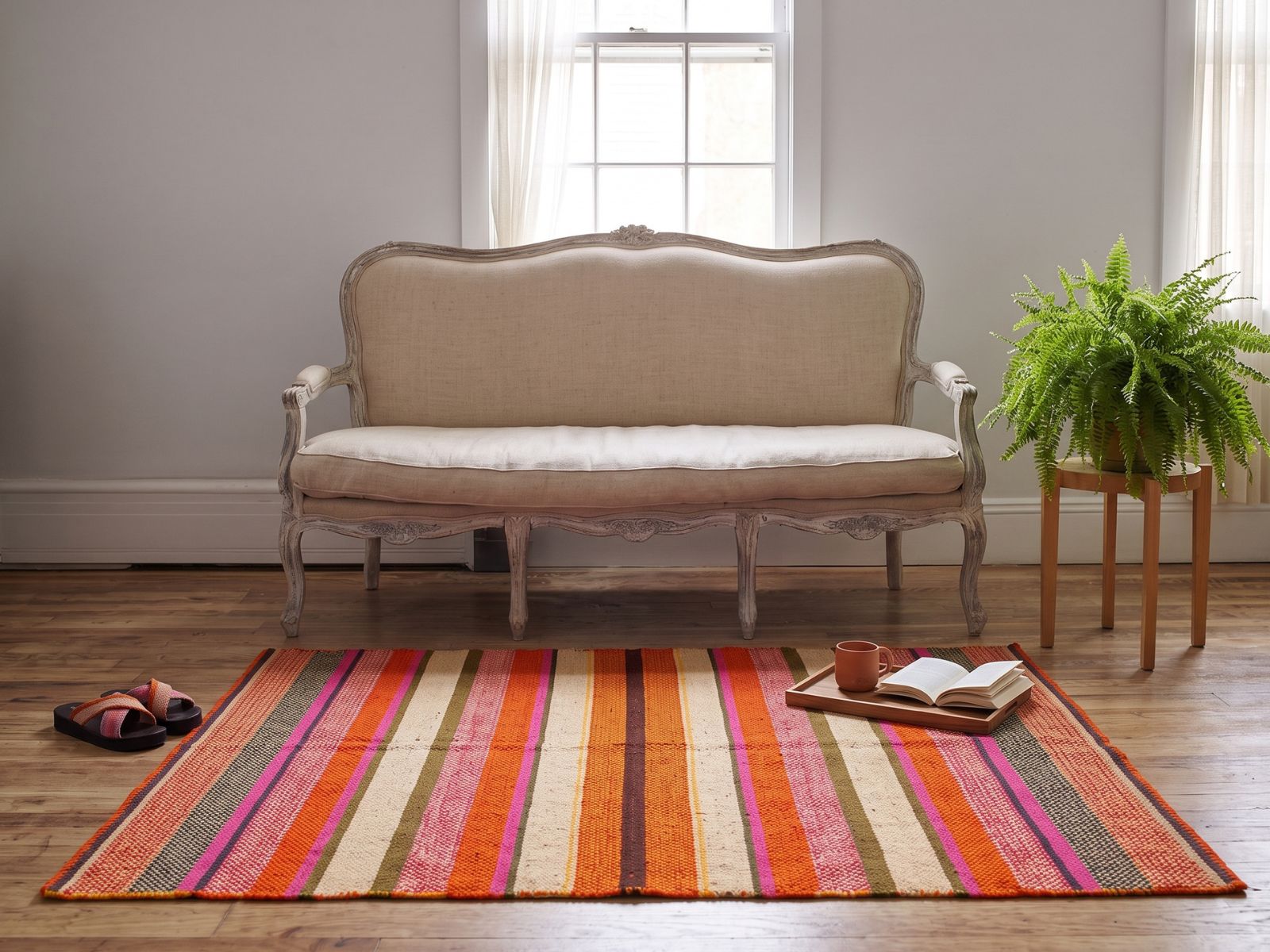
A frazada is a handwoven Andean blanket — made in the highlands of Peru from highland sheep wool, coloured with natural dyes, and woven on a backstrap loom in two panels that are joined at the centre by hand. When you use one as a floor rug, you are putting something genuinely one-of-a-kind on the ground. That is not a reason to be precious about it — frazadas were built for use, and they are more durable than they look. But it is a reason to care for it correctly, so it stays as it arrived for decades rather than years from now.
This guide covers everything: routine upkeep, spills, moths, sunlight, storage, and the particular quirks that come with naturally dyed handwoven wool.

The first thing to know: this is not a washable rug
Most care guides for wool rugs tell you to hand-wash. For a frazada, that advice does not apply.
Because frazadas are handwoven and coloured with natural dyes — cochineal for the reds, indigo for the blues, plant extracts for the earthy tones — they are sensitive to water saturation and agitation in a way that machine-dyed rugs are not. A home wash risks colour transfer between the dye lots, deformation of the flat weave under the weight of water, and stress on the hand-stitched centre seam.
The care rule for a frazada used as a floor rug is straightforward: spot-clean for everyday marks, and use a specialist dry cleaner once a year for a deeper clean. Between those two, keep the rug dry.
Routine care: beat it, don't vacuum it
The best way to maintain a frazada rug is to take it outside every few weeks and beat it or shake it firmly. This loosens and removes the grit that works its way into the weave from foot traffic — grit that, if left in, acts like sandpaper against the fibres over time.
If you do vacuum, use a flat suction attachment on a low setting — never a rotating brush or beater bar, which can pull the handwoven fibres loose. Always vacuum in the direction of the weave, not against it. Run the attachment over the front, then the back, then the front again once a month for a more thorough clean.
Some frazada owners avoid vacuuming altogether and rely entirely on outdoor beating, which is the traditional approach and puts less mechanical stress on the piece.
Use a rug pad
Always lay your frazada on a non-slip pad. This is not optional.
A rug pad does three things: it keeps the rug from shifting underfoot (important for a flat-woven textile that has no pile weight to anchor it), it cushions the fibres from direct friction against the floor, and it allows dust and grit to fall through the weave and settle on the floor beneath, where it can be swept up rather than grinding into the textile itself.
Choose a felt-and-rubber pad rather than a solid rubber one, which can trap moisture underneath. If your floor has recently been sealed, lacquered, or polished with a chemical treatment, wait until it is fully cured before laying any rug over it — some treatments react with wool fibres.
Rotate every three to four months
Rotate your frazada — flip it end to end or side to side — every three to four months, more often if it is in a high-traffic area.
This distributes wear evenly, so one end does not show foot-traffic marks while the other stays bright. It also gives every part of the rug equal exposure to light, which matters particularly for naturally dyed textiles.
Move any heavy furniture off the rug when rotating. Heavy legs sitting on the same spot for months can compress the weave; rotating prevents this from becoming permanent.
Spills: act immediately, and stay calm
Wool contains natural lanolin, which repels moisture. A spill on a frazada does not immediately soak in — it tends to sit on the surface for a few moments before absorbing. Those moments are yours to use.
For liquids: Blot — never rub — with a clean, colourless cloth or white paper towel. Work from the edges of the spill inward, so you are drawing the liquid toward the centre rather than spreading it out. Remove as much moisture as possible this way first.
If a mark remains once dry, dampen a clean cloth with cold water and a small amount of pH-neutral wool soap (the kind you would use for a cashmere jumper). Press gently onto the stain. Do not scrub. Rinse by pressing with a second cloth dampened with clean water. Leave flat to dry in a ventilated space away from direct heat.
For mud: Let it dry completely first. Dry mud can be shaken and brushed away without spreading. Treating wet mud will push it deeper into the weave.
What never to use: hot water, bleach, ammonia, stain-removal spray products, or any solvent. These interact unpredictably with natural dyes and can cause permanent colour change. If a stain will not respond to cold water and neutral soap, refer it to a professional who works with handmade wool textiles.

Deep cleaning: once a year, with a specialist
Professional dry cleaning once a year is enough for a frazada rug that is in regular household use. More frequent professional cleaning is rarely necessary.
When you take it in, specify to the cleaner that it is 100% handwoven wool with natural plant dyes. This matters because alkaline cleaning products — common in general dry cleaning — cause colour shift in naturally dyed textiles. A good cleaner who handles antique or oriental rugs will know to use pH-neutral products. If they do not, find one who does.
Sunlight and colour
Natural dyes are beautiful and they are also, over time, vulnerable to UV light. The same cochineal red that deepens with age in a dimly lit room will gradually soften in a south-facing window with direct afternoon sun.
This does not mean keeping the rug away from light — it means rotating it regularly so any change in colour is even across the surface, and filtering direct sun where you can. Sheer curtains, blinds, or UV-filtering window film all help. The difference between filtered natural light and direct sun exposure is significant over a decade.
A frazada that fades evenly and slowly is still a beautiful thing. One that bleaches in a stripe where the afternoon sun hits it is less so.
Moths: the main risk, and how to manage it
Wool attracts clothes moths. This is not specific to frazadas — it is true of any natural protein fibre, including alpaca, cashmere, and silk. Moths prefer dark, undisturbed, poorly-ventilated areas, and they are most active when the textile is dirty.
Regular use and maintenance — beating the rug, vacuuming underneath it, and moving it periodically — is the single most effective moth deterrent. A rug that is handled and aired regularly is a far less attractive target than one that sits undisturbed for months under a sofa.
Add natural repellents nearby: cedar blocks, lavender sachets, or small perforated bags of cloves or black pepper placed at the rug's edges or under it. These lose potency over time and should be replaced every few months.
Inspect the underside of the rug periodically, especially in the corners and along the edges under furniture. If you notice small amounts of wool debris or very fine webbing — signs of a moth problem — isolate the rug immediately and consult a professional.
If you bring second-hand wool items into your home from unknown storage, shake them outside and inspect them before laying them near the rug. If in doubt, seal them in a bag and freeze for 72 hours — this kills any larvae or eggs.
Loose threads and the centre seam
A frazada has a seam running down its centre. This is not a flaw — it is a structural feature of the backstrap loom technique, the join between two separately woven panels. Do not scrub or put mechanical pressure on this seam during cleaning.
If you notice a loose thread on the surface of the rug, do not pull it. Pulling removes wool from the weave's structure. Instead, use a blunt, pointed instrument — a large crochet hook works well — to push the thread back through from the front. If the thread is long and will not go back in, tie a small knot as close to the surface as possible and trim the excess carefully. Never cut across the weave itself.
Some initial shedding of short lint fibres is normal in the first weeks of use. It settles. Vacuum gently without the beater bar until it does.
Storage
If you ever need to store the rug for a period, clean it thoroughly first and make sure it is completely dry. Moths are far more attracted to a rug with organic residue — food, dust, skin oils — than to a clean one.
Roll the rug (do not fold it — folding creates permanent creases in flat-woven textiles over time). Wrap the roll in breathable cotton sheeting or an old cotton pillowcase. Tuck cedar blocks or lavender sachets into the roll. Do not use plastic bags or airtight containers, which trap moisture and can cause mould.
Store in a cool, dry, well-lit, ventilated space that you access regularly. The worse the storage environment — dark, damp, undisturbed — the higher the moth risk.
When you unroll it, fold marks will relax naturally within a few days of being laid flat.
What to expect as it ages
A frazada is already a vintage piece when it arrives. The wool has been spun, dyed, woven, and lived in before it came to you. What you are working with has been through more than most textiles.
With good care, the wool softens further and the colours deepen slightly in the parts away from direct light. The centre seam becomes almost invisible as the piece settles into itself. Small marks of use — the kind that come from being on a floor in a real home — become part of its character rather than defects.
A frazada does not depreciate with age in the way a factory rug does. It gets more itself. The care you put into it is, in that sense, an investment — not in the financial sense, but in the straightforward sense that the more attentively you treat it, the more it will give back.
Read more about the frazada tradition — where it comes from, how it is made, and what makes each one unique — in From Andean Blanket to Everyday Object: The Frazada Story.
Explore the full frazada collection at orangeinca.com.




Leave a comment
This site is protected by hCaptcha and the hCaptcha Privacy Policy and Terms of Service apply.