
How to Tell Good Leather: What We Look for Before We Make the Olivia
Most leather descriptions tell you very little. Full-grain, genuine, premium — these words appear across everything from a $30 wallet to a $3,000 handbag, and almost none of them help you tell the difference between a piece that will age into something irreplaceable and one that will start peeling in two years.
Here is what we actually look at.

The grades — and why "genuine leather" is not the compliment it sounds like
Leather is graded by which part of the hide it comes from and how much processing has been done to it. The outermost layer — the grain layer, where the hide is thickest and most tightly structured — is full-grain leather. It is the strongest part of the animal's skin. Its surface has not been sanded or buffed. It is imperfect in the way that natural things are imperfect, and those imperfections are what make it interesting.
Below that is top-grain leather: split slightly thinner, sanded to remove marks, then given a coating to create a uniform surface. More consistent to look at; less durable over time. The coating sits on the surface rather than being part of the leather, which means it has a lifespan.
"Genuine leather" is a legal and marketing term that can mean almost anything. It is often used for split leather — the inner layers of the hide, which are structurally weaker — with a polyurethane coating pressed onto it to look like grain. It is technically leather. It is not what most people are imagining when they buy it.
Bonded leather is at the bottom: scraps and fibres pressed together with a binding agent. It looks fine in a store. It peels within two years, usually starting at the corners.
Cut it open. What do you see?
There is a simple test for leather quality that most people will never think to apply. Take a piece of leather — a scrap, a strip, a sample — and cut through it cleanly. Look at the cross-section.
If you see a pale, almost white core in the middle of the cut, the dye has not gone all the way through. That leather was surface-treated: colour applied on top, or a thin pigment layer bonded to the surface. It looks good on a shelf. But when it scratches or wears at an edge, you will see that pale core. The colour does not belong to the leather — it was applied to it.
The leather we use for the Olivia shows colour all the way through. The dye has been worked into the full thickness of the hide. When it wears — and good leather does wear, that is the point — it wears honestly.

What good leather feels like before it has been broken in
Good leather feels soft without feeling thin. There is weight to it — structure — but it yields. When you fold it, it does not creak or resist. When you hold it, it has warmth. Run your fingers across it and you feel the grain, not a uniform surface.
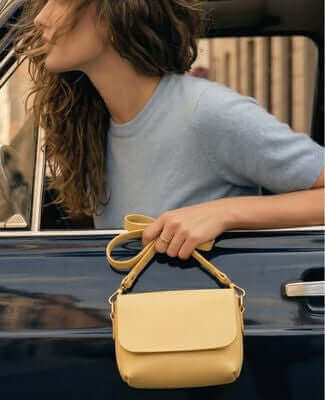
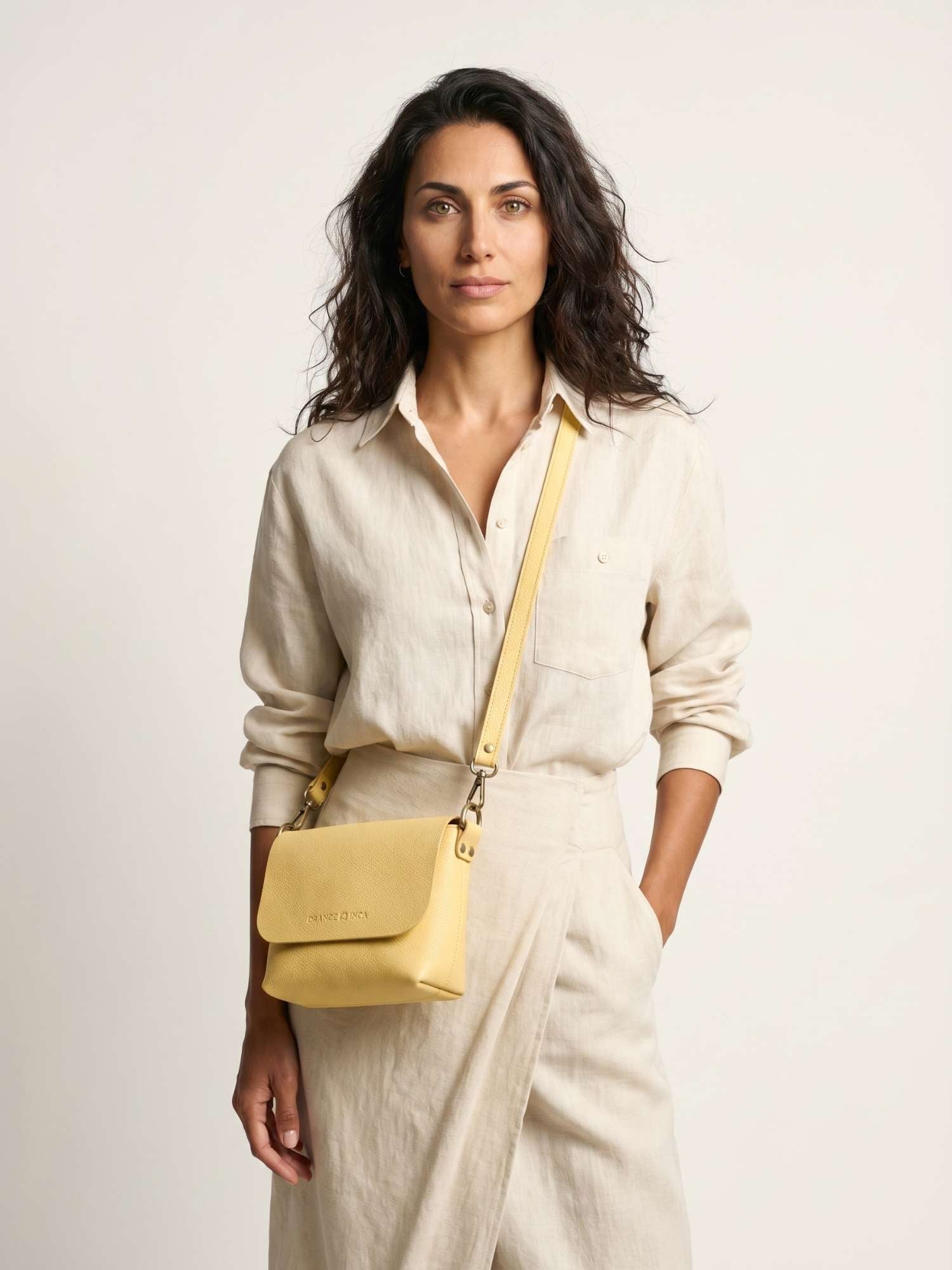
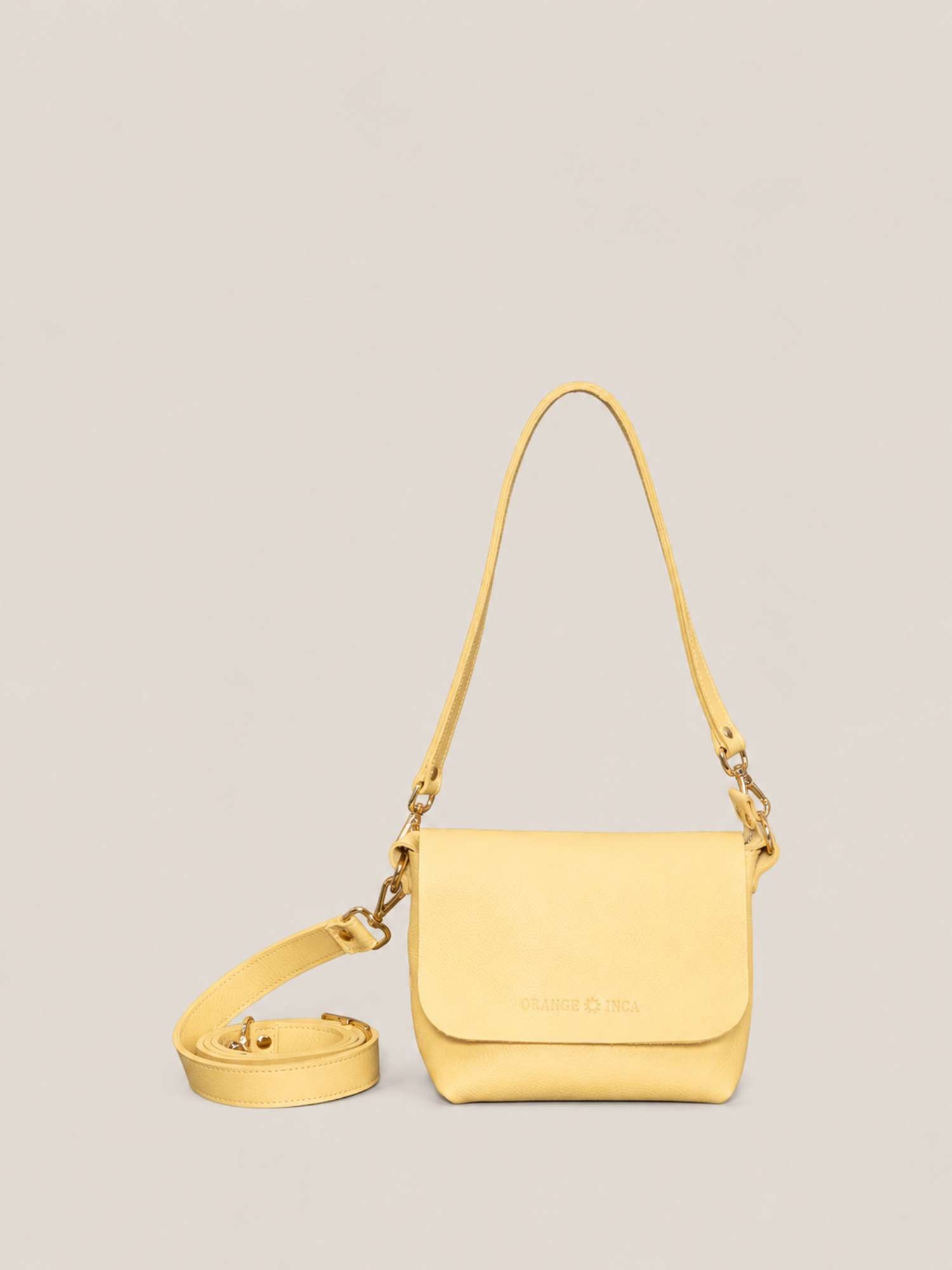
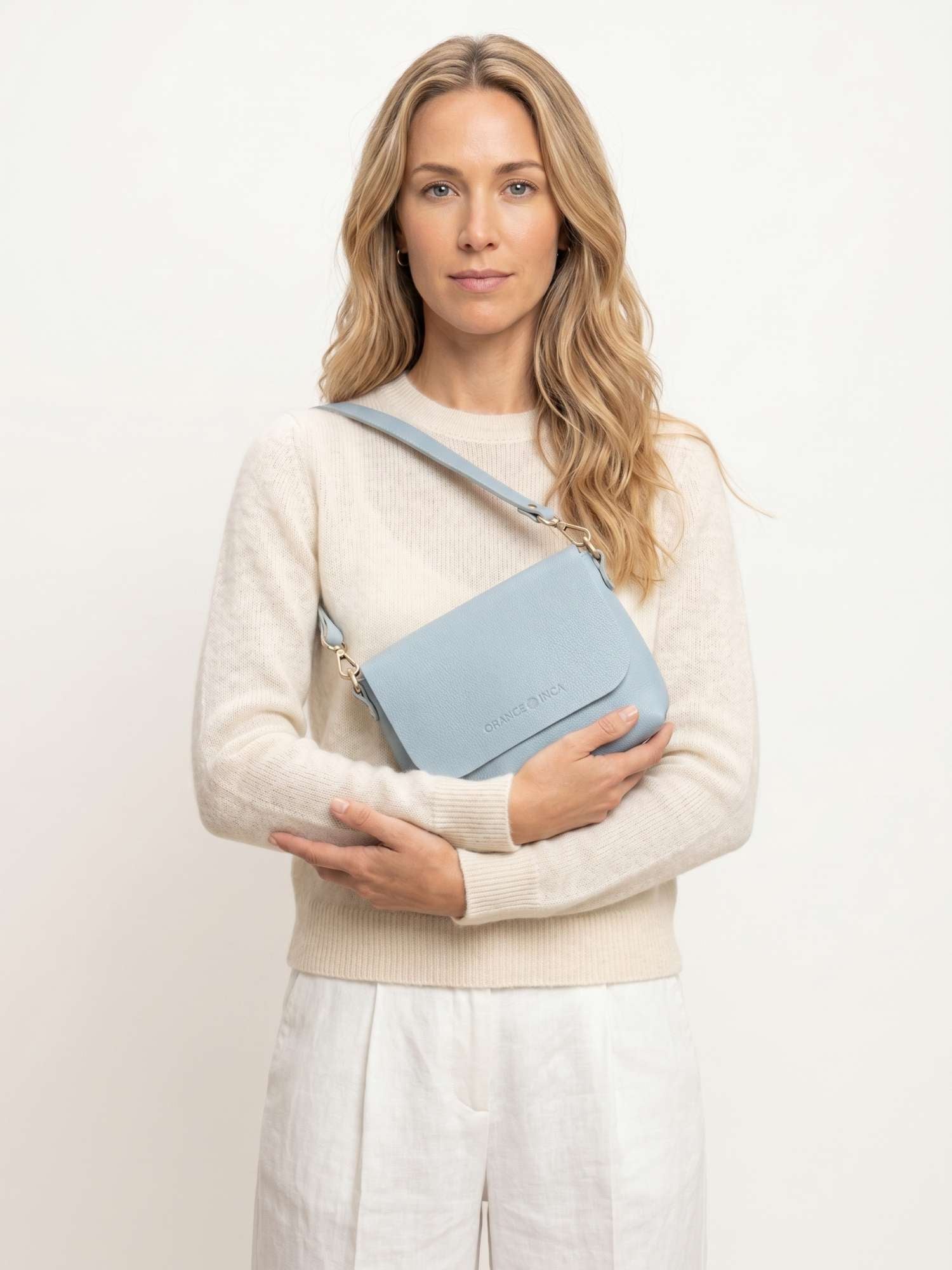
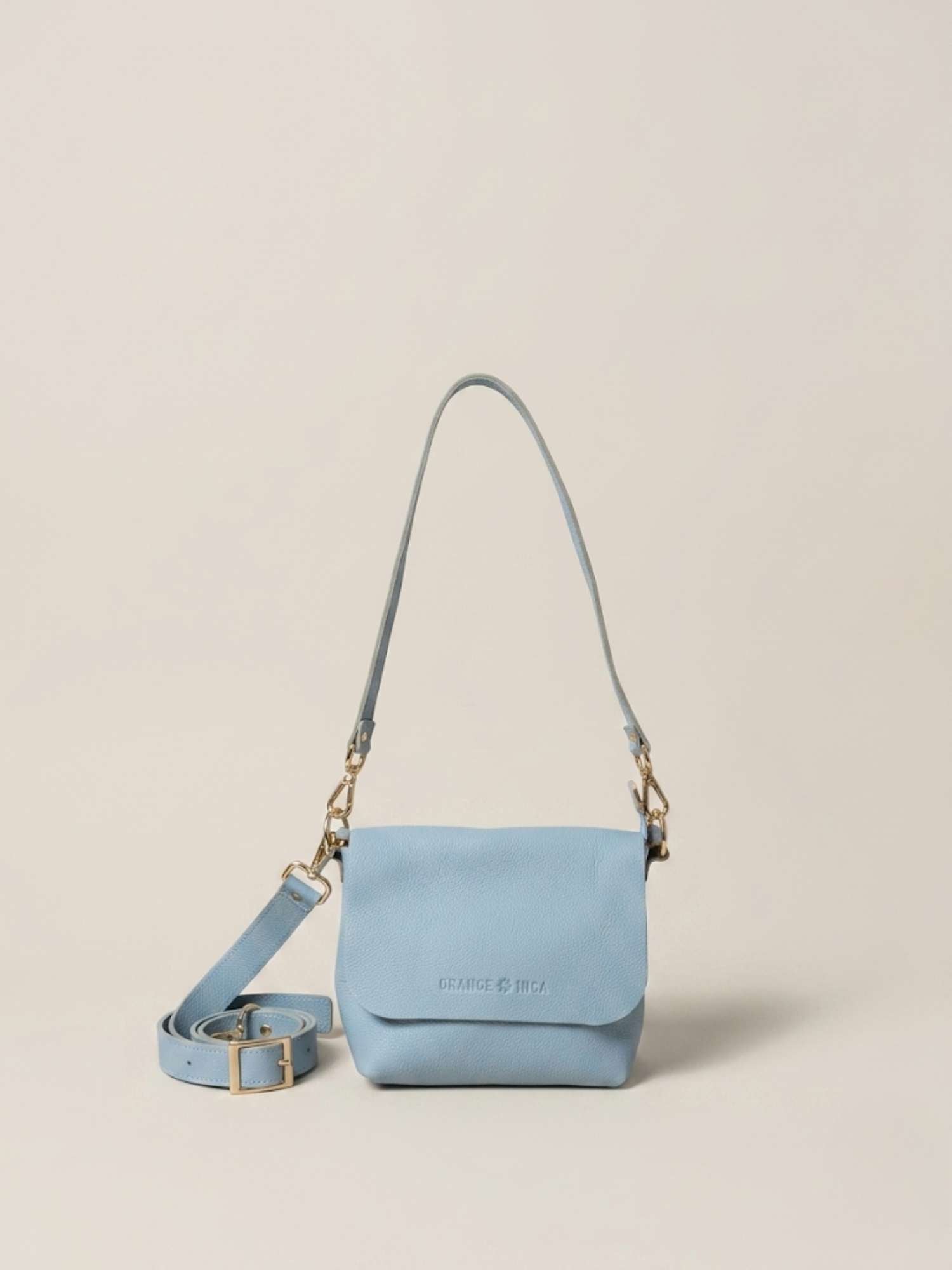
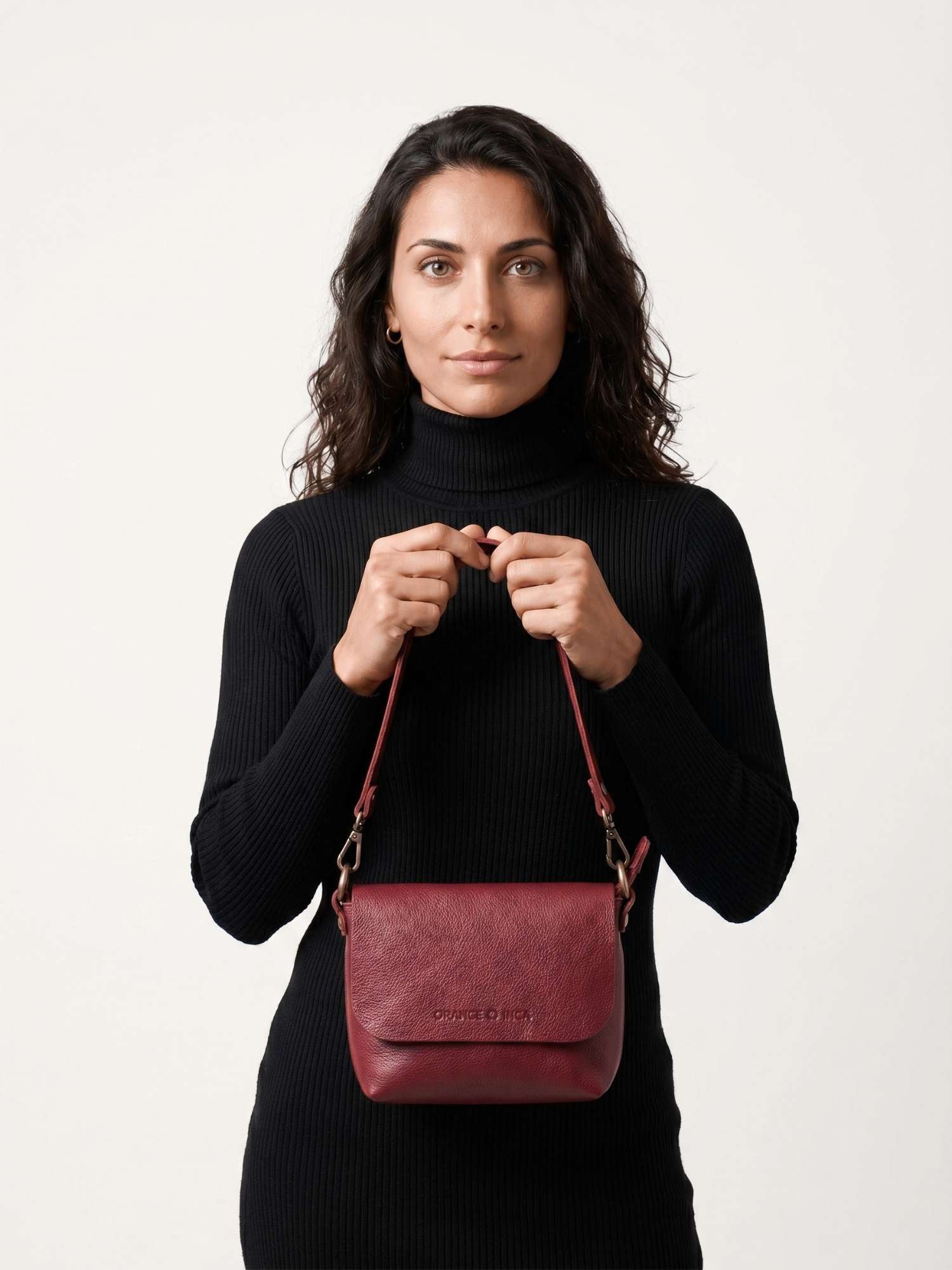
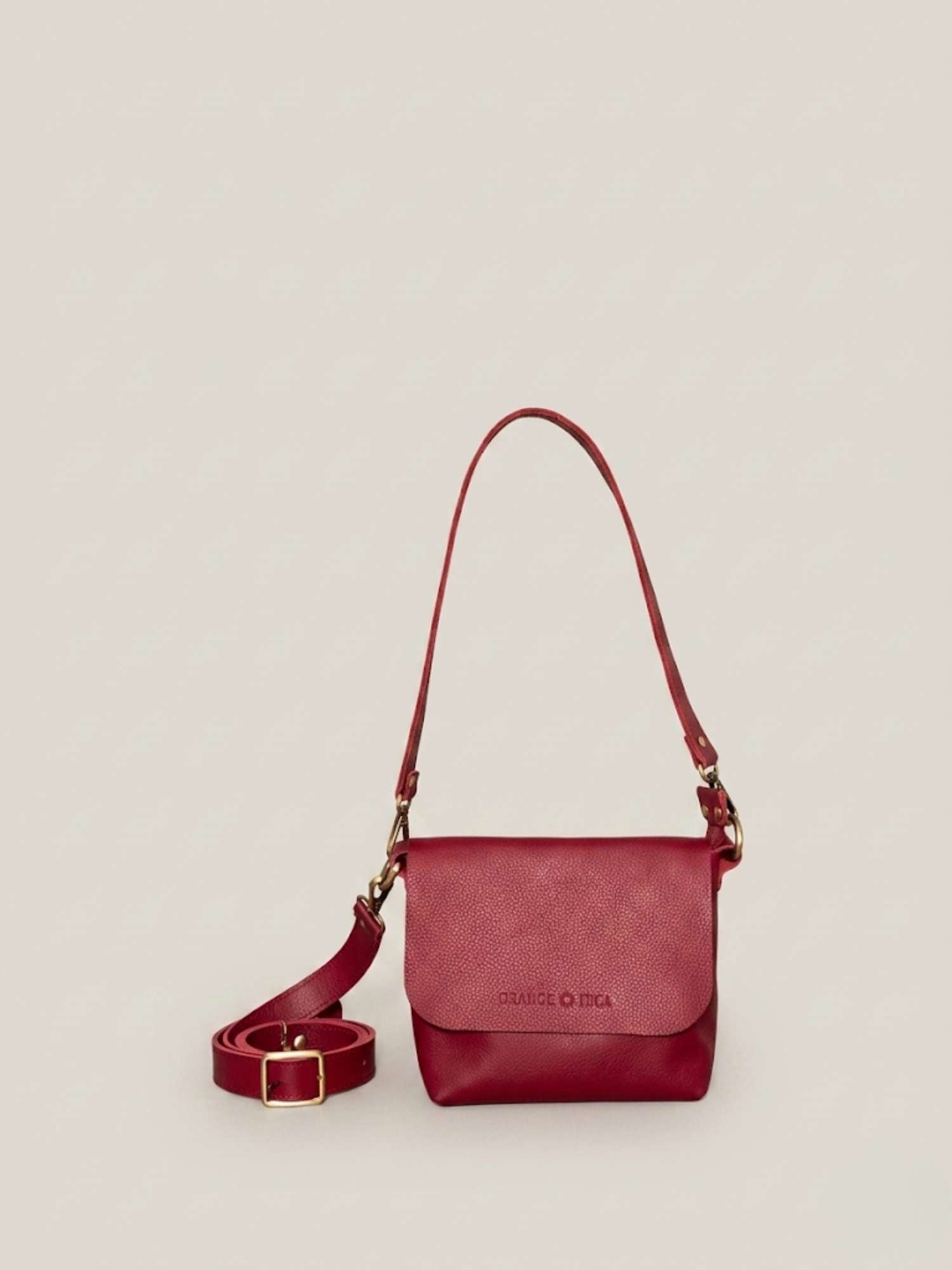
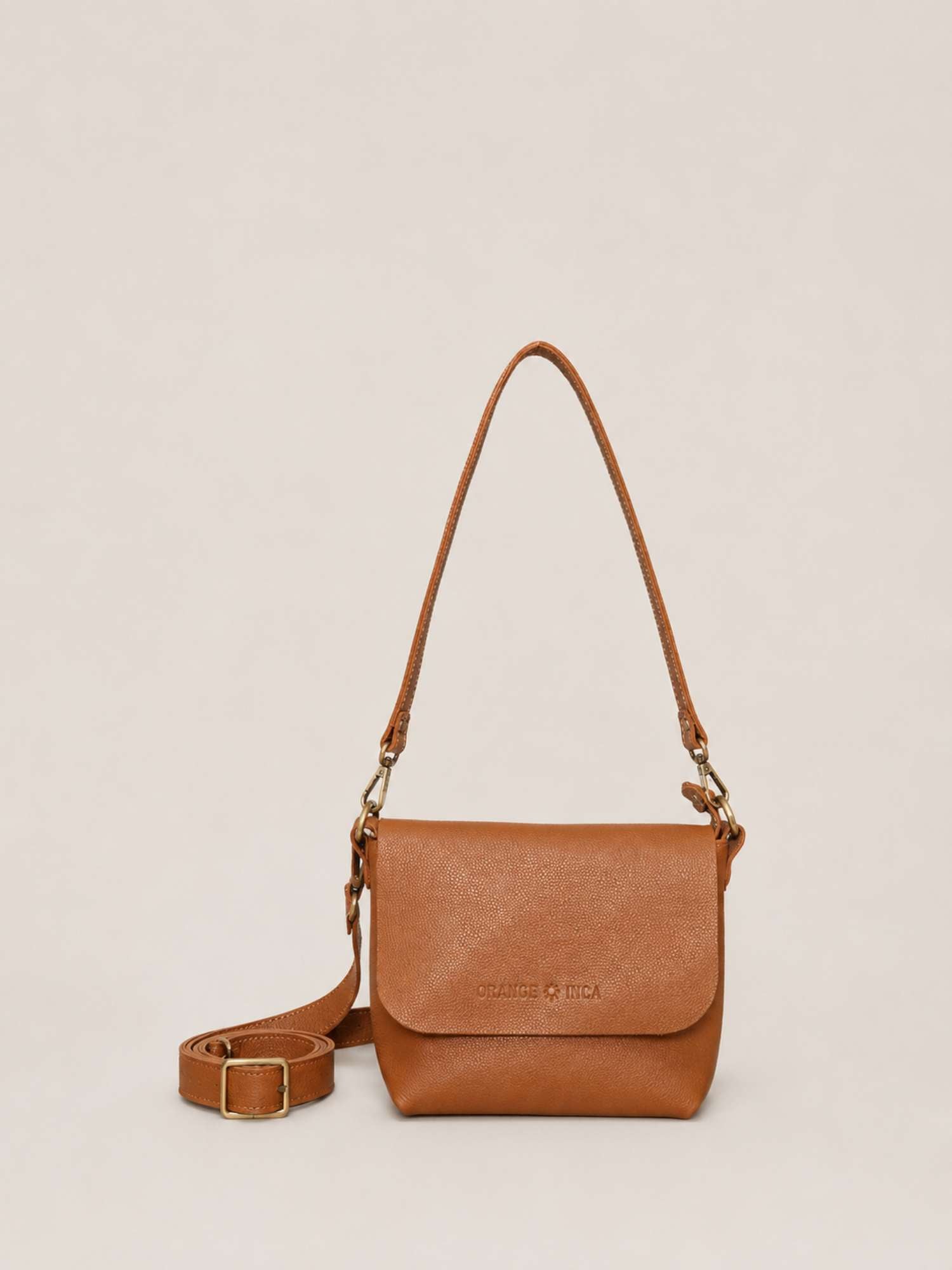
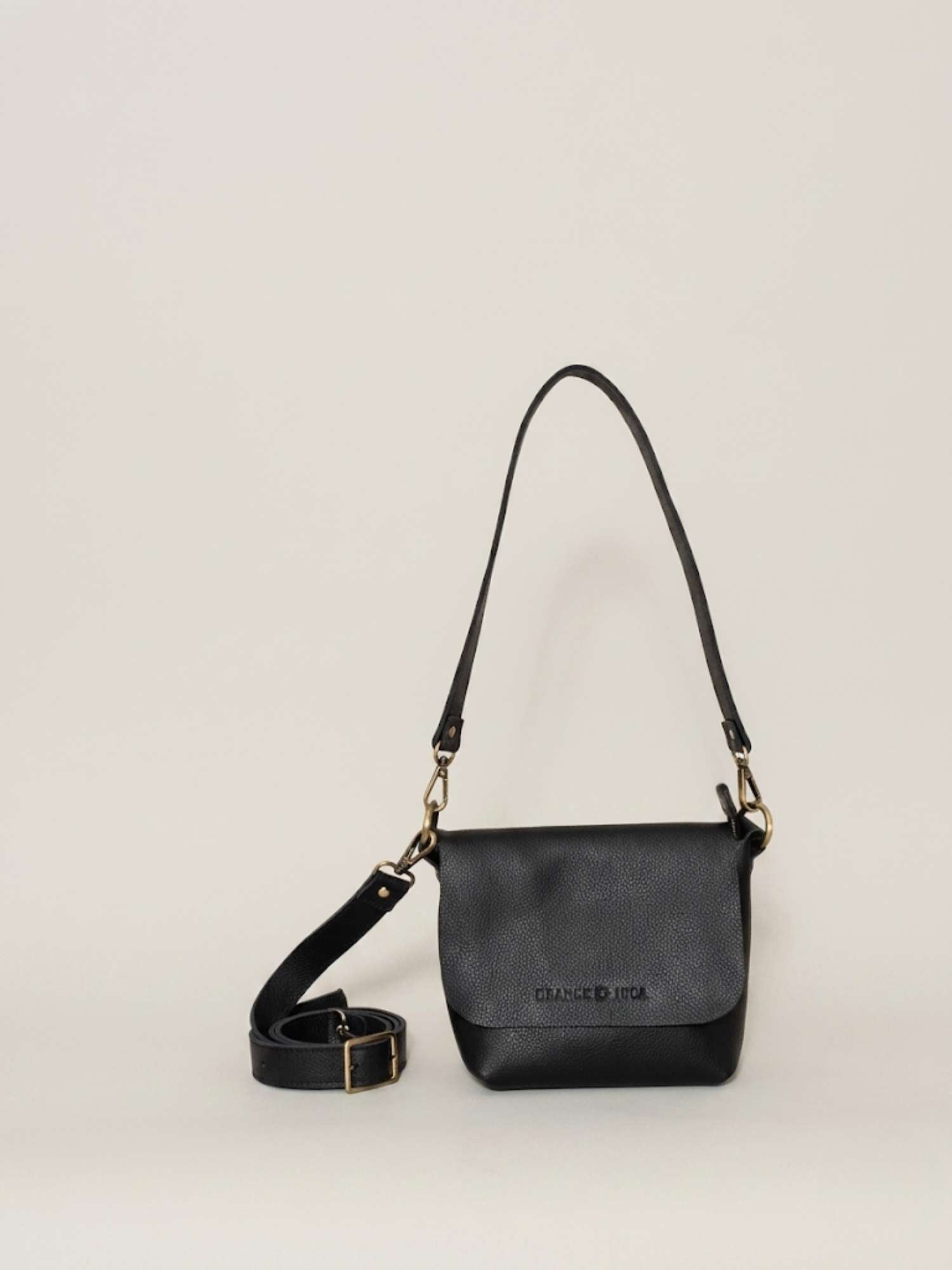
The Olivia is made from drum-tumbled leather: the hide is tumbled during processing to soften and relax the grain. The result is leather that is supple from the first time you pick it up. The surface has a slight pebbled texture and a soft matte quality — not the high gloss of a lacquered bag, not the dryness of untreated hide. Something in between, and it feels considered.
Leather that is stiff and plastic-smelling at the point of sale will not improve. It has been coated heavily to compensate for a thinner, weaker base. Real leather might need a month to fully settle — but from day one, it should feel like it has a life in it.

What happens after two years
This is the test that most leather never gets to take.
Good leather develops a patina — a shift in colour and sheen that comes from use, from handling, from the oils of your hand and the light hitting the surface differently over time. It becomes more itself. Dark areas where you grip the strap. A warmth on the flap where it catches light. None of it is damage; it is record.
Coated or surface-treated leather does not patina in this way. It fades, scuffs, and cracks because the surface layer was never truly bonded to the structure beneath it. You end up with a bag that looks worse for being used.
We chose a soft tumbled leather because the Olivia is designed to be used. Not displayed, not saved for occasions. Picked up every day. Worn with the same coat for a year. Used until it has a story.
Dyeing leather properly is harder than it looks
Getting colour to penetrate the full thickness of a hide — evenly, without compromising the suppleness or the grain — requires the right combination of process, timing, and quality of hide. Cheaper hides do not take dye the same way. The result is that white line in the cross-section: the dye stopped before it got all the way through.
After dyeing, the leather is sealed. We use a sellador — a fixative that locks the colour into the surface and prevents it from transferring to clothing or skin. This matters more than most people realise. If you have ever worn a dark-dyed leather bag and found the colour on a light jacket, you experienced leather that was not properly sealed.
The Olivia does not transfer. The colour is set.
How we work with our makers in Lima
The Olivia is made by a family business in Lima. We designed the bag together — drawing on their leather knowledge and our design — and we select the leather together. They know what we are looking for; we know what they are capable of. Samples are made before production begins, approved before any run starts.
This is not a large factory. It is a skilled workshop — the bags are stitched on sewing machines by people who know their craft, and the finish work is done by hand. The distinction matters: it is not an assembly line, and it does not produce the same result as one.

The hardware
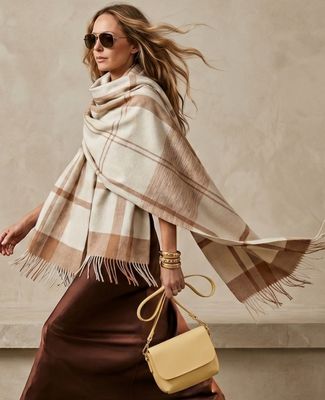
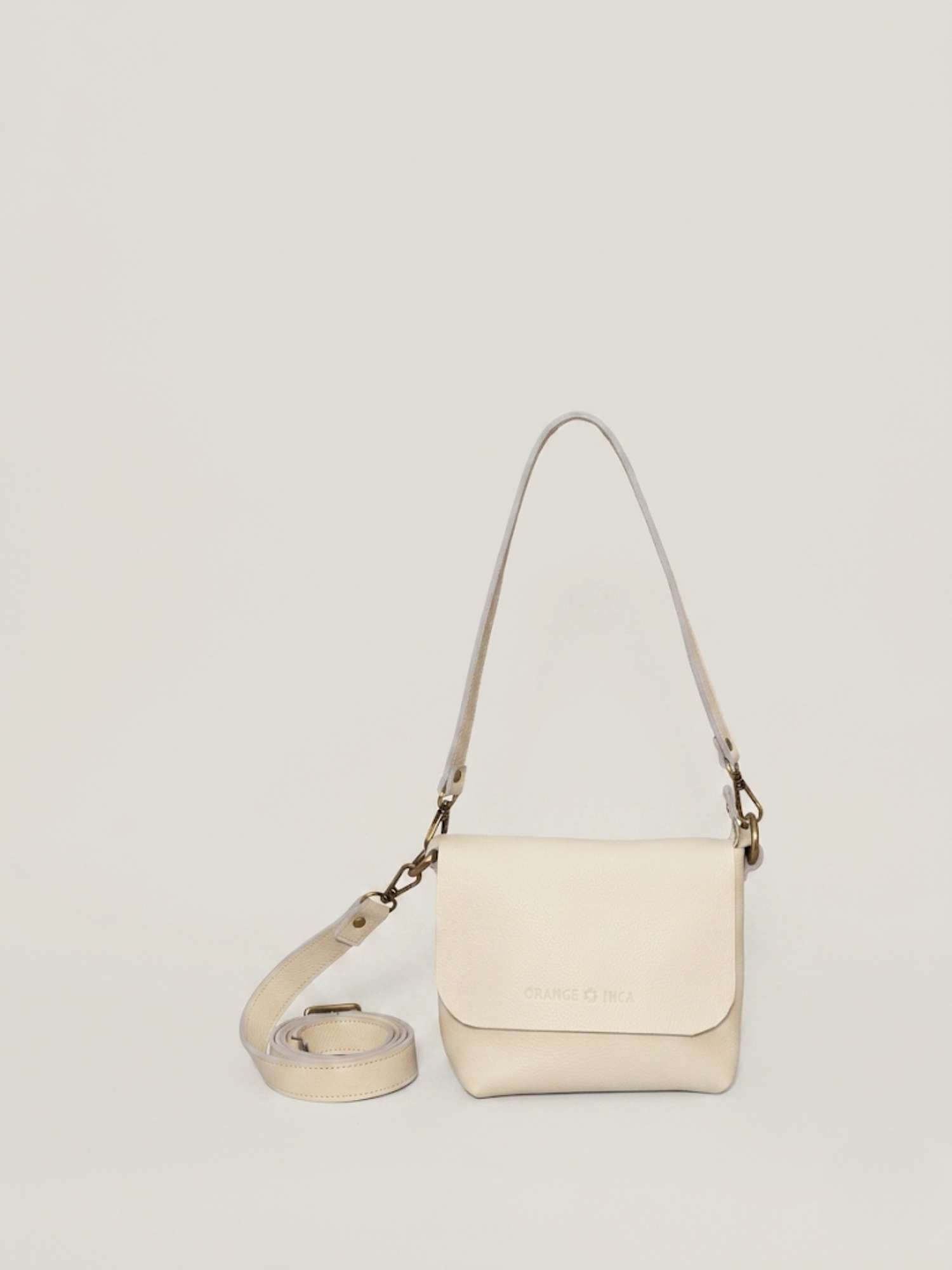
We choose the hardware for every model. The Olivia uses antique brass on some colourways and light gold on others — the decision comes from the leather itself. Warm, deep colours like cognac and tan pair with antique brass, which has its own depth and weight. Lighter, paler leathers sit better with light gold. The pairing is considered, not default.
Hardware chosen well is hardware you stop noticing — because it belongs. Over years of use, antique brass develops a subtle depth of its own. Light gold stays clean and precise. Both are made to outlast the bag if it is well looked after.

Colour that outlasts the season
We do not design for trends. Some colourways will feel particularly right for a moment — burgundy is a leather colour with real depth, and it reads beautifully in winter. But the reason we carry it is not because it appeared on a runway. It is because it is a colour worth wearing in five years.
The same thinking applies to every colourway we introduce: cognac, black, tan, stone. A bag for life needs a colour you are still drawn to when the season that made it fashionable is long past. More colourways and new models are in development — each one chosen by the same logic.
The Olivia
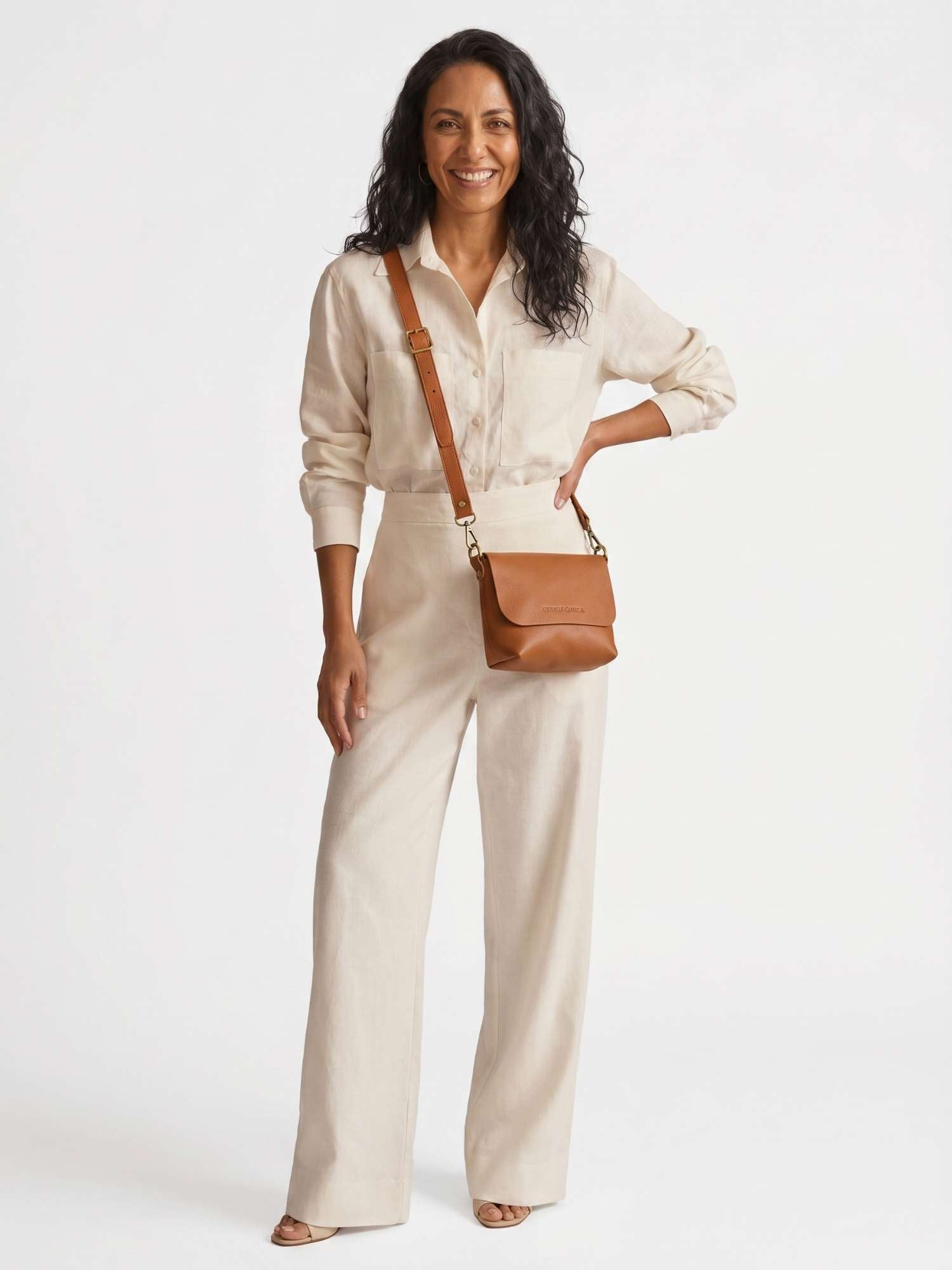
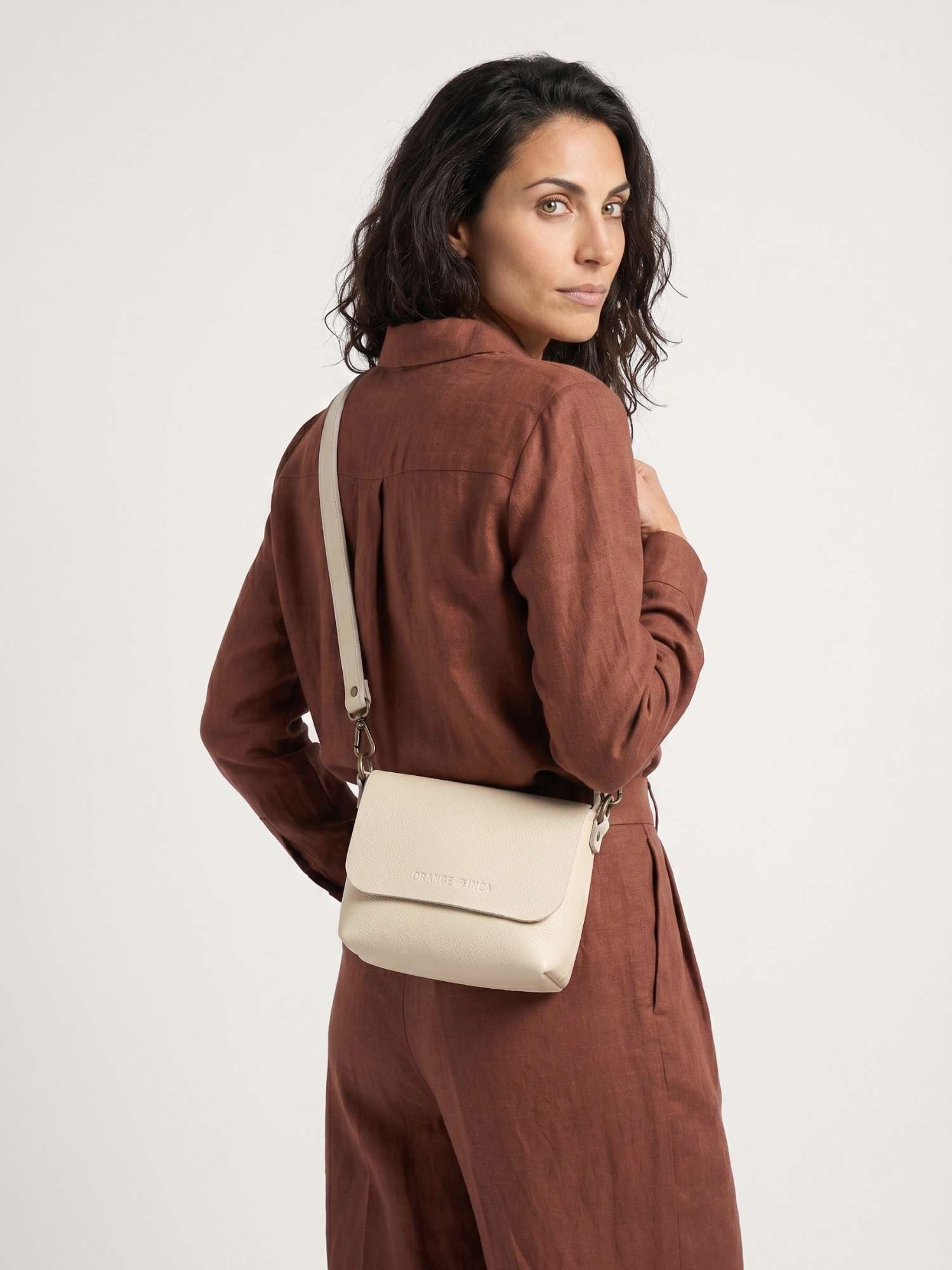
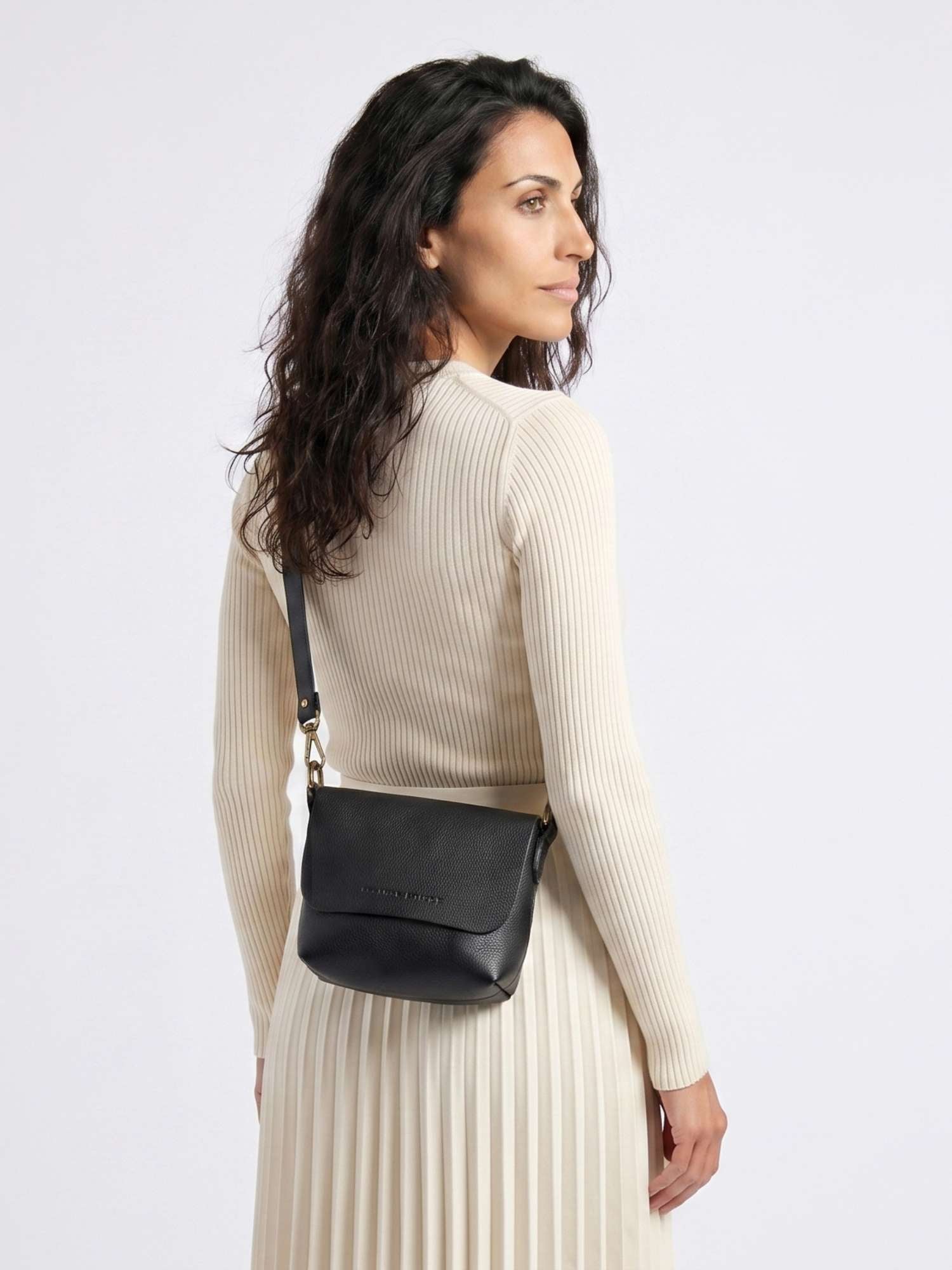
The result of these choices is a bag that starts well and only gets better. The leather is dyed through, not surface-coated. The colour is sealed. The hardware is solid.
If you are considering the Olivia, hold it. Feel the weight. Notice that the surface has texture — that it is not uniform, not lacquered, not dressed up to look like more than it is. That is the grain of the hide. That is the leather.
It will be yours for a long time.

Further reading: A Leather Crossbody Bag That Gets Better With Age


Leave a comment
This site is protected by hCaptcha and the hCaptcha Privacy Policy and Terms of Service apply.