



How Baby Alpaca Wool Is Harvested
Baby alpaca isn't about the animal's age. It's about the fibre.
"Baby alpaca" is a grade — the classification given to alpaca fleece that measures between 18 and 22 microns. Cashmere sits in a similar range; what sets baby alpaca apart is its fibre structure. Alpaca has no surface scales and no lanolin, which means it sits softly against skin rather than scratching it. The result is warmth that doesn't announce itself, and softness that doesn't fade with washing.
Here is where that fibre comes from, and how it gets to a finished piece.
The animals
Around 80% of the world's alpacas live in Peru — in the high Andes, in the Arequipa and Puno regions, where altitude and cold shape the fibre. The animals graze freely at altitude, their fleece growing slowly through the year. The families who raise them have often done so for generations.

Shearing
Alpacas are shorn once a year, usually in spring. The timing matters: shearing before the warmer months keeps the animals comfortable, and the fleece grows back before winter. The process is done by experienced shearers with specialised tools — careful, quick, and done without harming the animal.

Sorting and grading
Once shorn, the fleece is sorted by hand. Different grades are separated — coarser outer fibres from the finer undercoat. The fibres are measured in microns. Baby alpaca, at 18 to 22 microns, is identified and set aside. The sorting is meticulous: even small variations in fineness affect the final feel of the piece.
This grade can come from a young animal's first shearing — when the fibre tends to be at its finest — or from adult fleece that measures within the grade. The standard is the micron count, not the age of the animal.

Cleaning and dyeing
The sorted fleece is washed to remove dirt and lanolin. Alpaca contains very little lanolin compared to wool, which makes the cleaning process simpler and the resulting fibre gentler against the skin.
For pieces that are dyed, the process uses natural pigments — plants, seeds, minerals — methods developed over generations in the Andean highlands. Many colourways require no dye at all: alpaca grows naturally in tones of ivory, camel, light grey, and brown.

Spinning the yarn
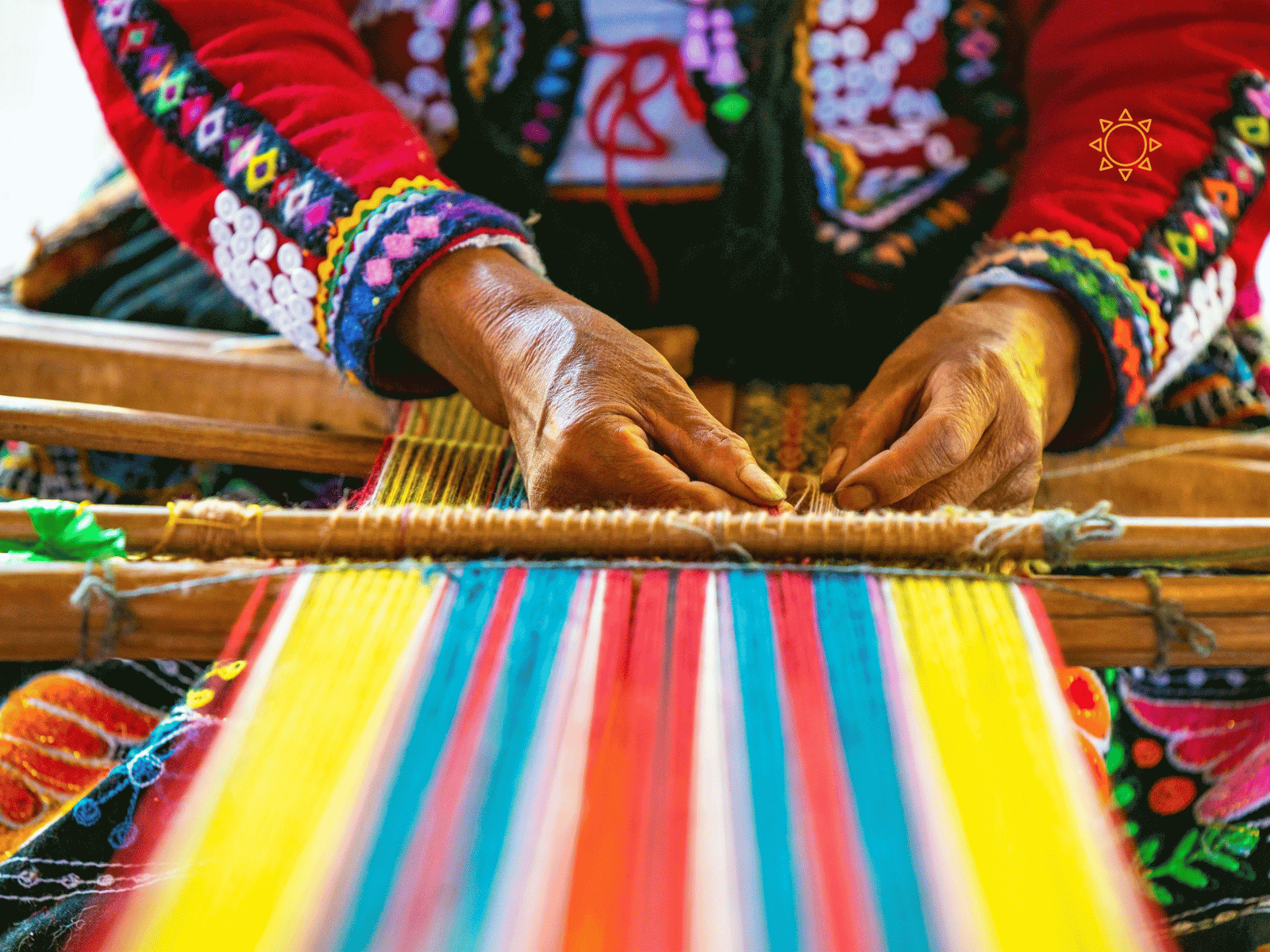
The cleaned fibre is spun into yarn — loose fleece transformed into a continuous thread that can be woven or knitted into fabric. The spinning process affects the weight, drape, and texture of the finished piece.

Weaving and knitting
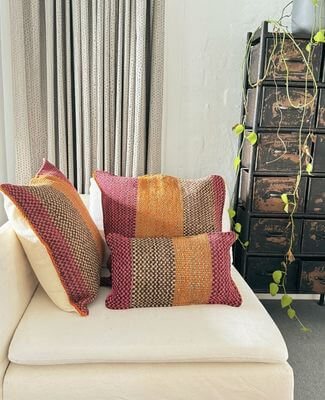
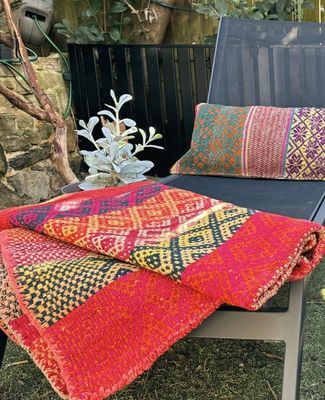
The spun yarn is woven or knitted into finished pieces — shawls, scarves, sweaters, throws. Orange Inca designs the pieces and chooses the colours. The making is done by a production centre in the Peruvian highlands, where the knowledge of working with alpaca at scale has been developed over decades.

The finished piece
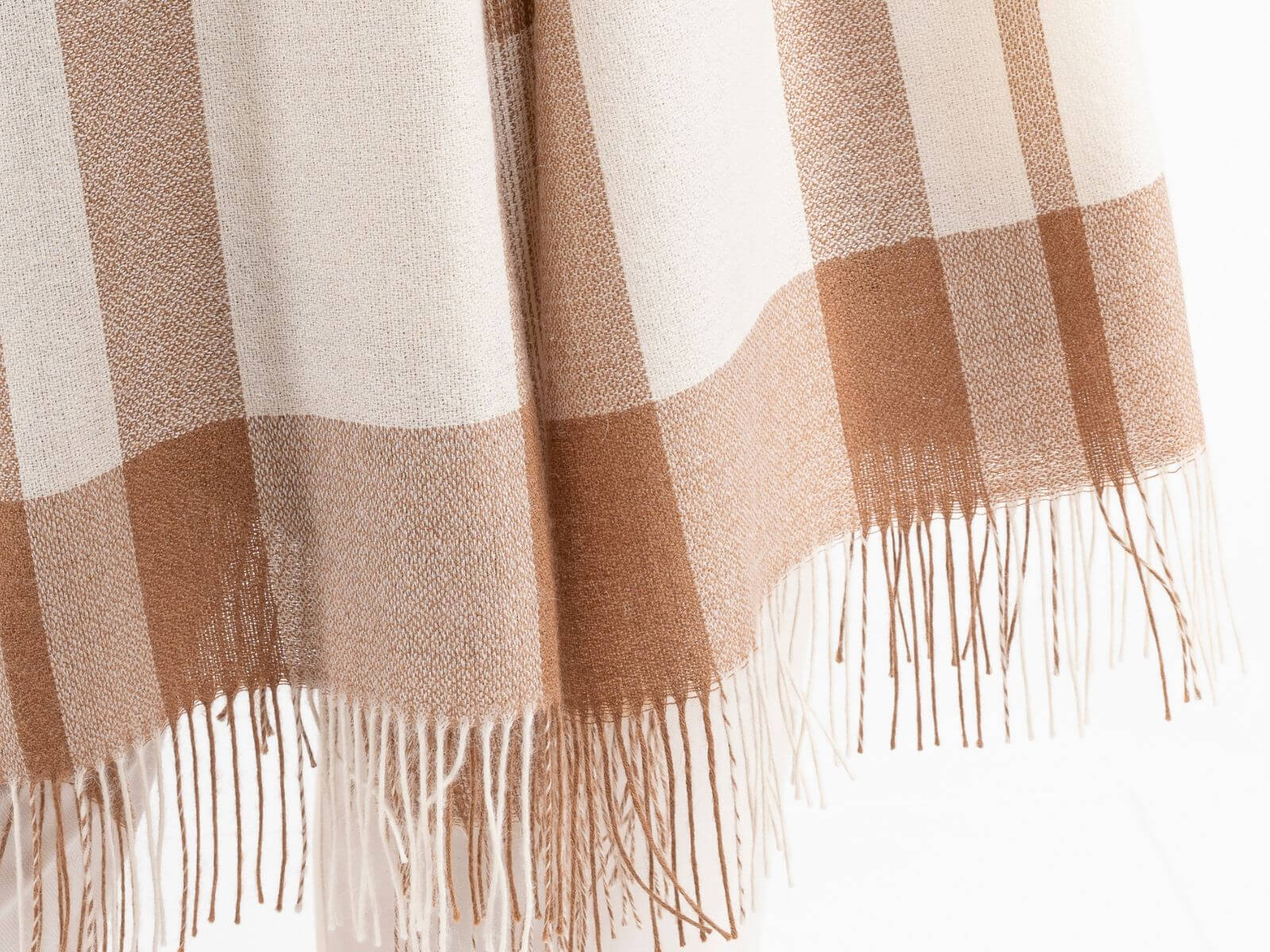
The result is a piece that carries the full journey of the fibre — from the highland families who raise the animals, through the careful hands that grade and spin it, to the makers who work with it every day. The softness isn't a claim. It's the consequence of the grade.

Further reading
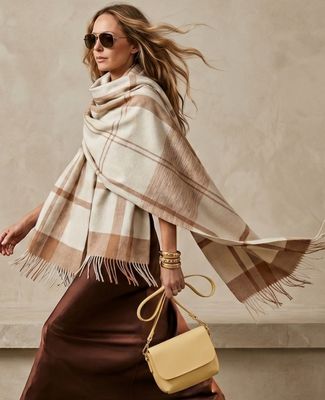
- The Ultimate Guide to Baby Alpaca Wool — everything you need to know about the fibre, its properties, and how to care for it.

Leave a comment
This site is protected by hCaptcha and the hCaptcha Privacy Policy and Terms of Service apply.