



Comparing Baby Alpaca Wool with Other Luxury Fibres
Not all luxury fibres behave the same way. Baby alpaca, cashmere, merino, and vicuña each have their own character — different in softness, warmth, durability, and what they ask of you. Understanding the differences helps you buy more deliberately.
Baby Alpaca: A Grade, Not an Age
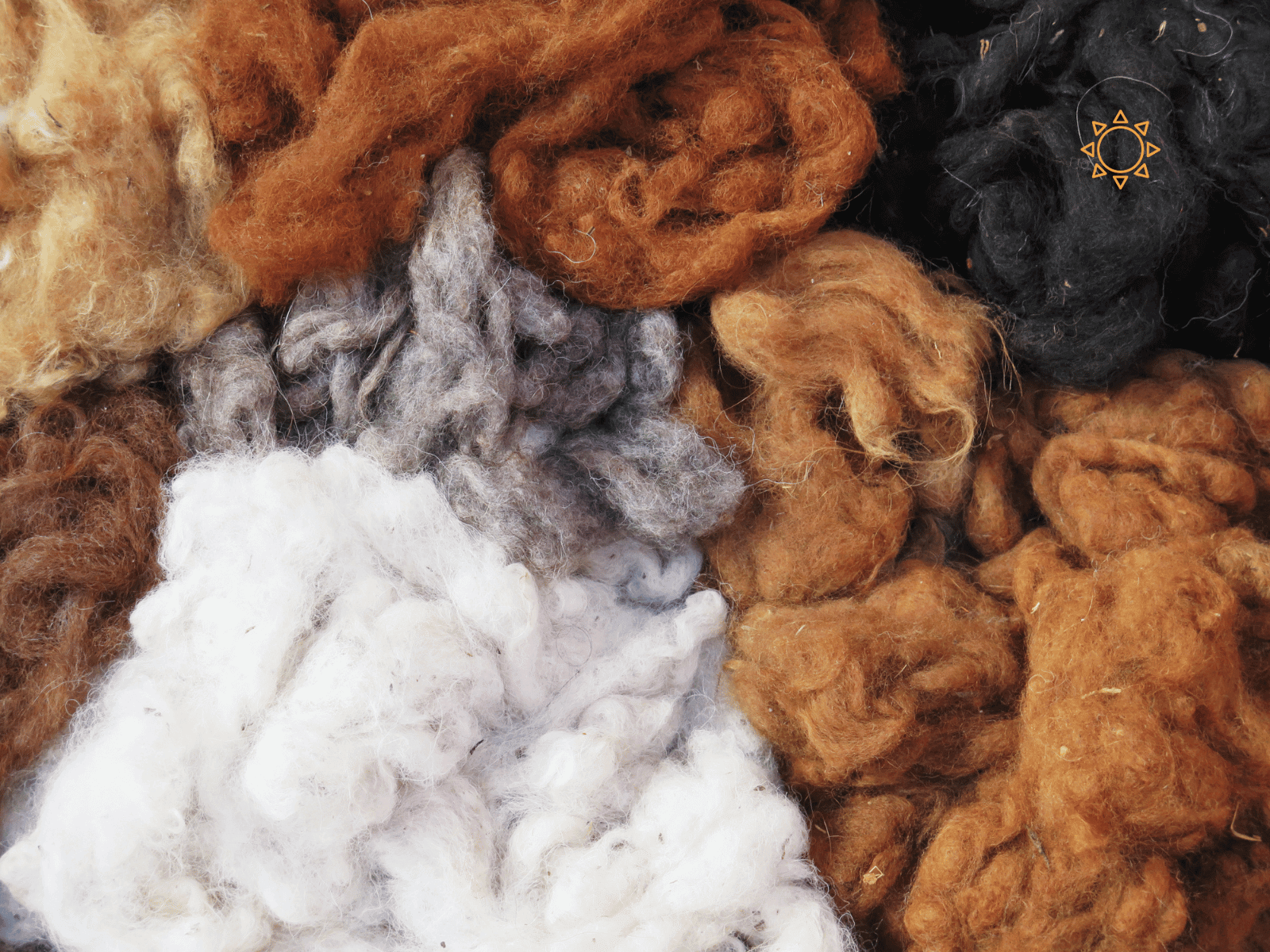
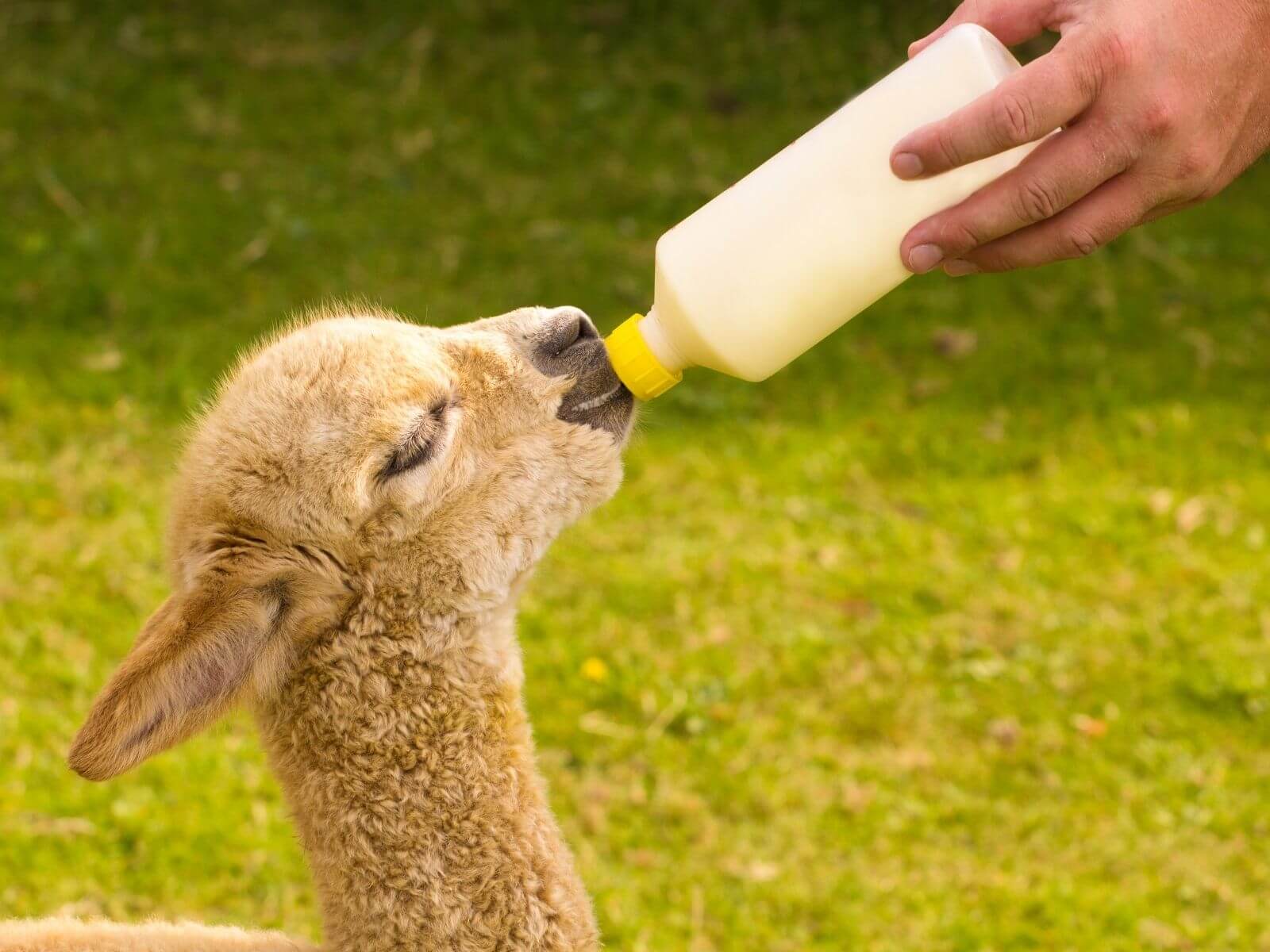
"Baby alpaca" describes fleece that measures between 18 and 22 microns in diameter — fine enough to wear against skin without irritation, warm enough to replace a heavier layer. The term refers to the quality of the fibre, not the age of the animal. It can come from a first shearing or from particularly fine fleece on an adult; the micron count is what qualifies it.
Peru holds around 80% of the world's alpaca population. The animals have been bred and herded in the Andes for centuries, and the country's altitude, climate, and accumulated knowledge make it the primary source of quality alpaca fibre globally.
What sets baby alpaca apart from other fine fibres is its structure. Alpaca fibre has no surface scales and no lanolin, which means it lies smooth against skin rather than catching at it. This is why baby alpaca doesn't irritate even sensitive skin, and why it holds its softness over time rather than flattening or felting with use.

Cashmere: The Classic Comparison
Cashmere is the fibre people reach for most often when comparing to baby alpaca, and it's a fair one. Sourced from the undercoat of cashmere goats, the fibres typically measure 14 to 19 microns — marginally finer than baby alpaca. The handle is distinctive: cashmere has a cloud-like quality that has made it the benchmark for luxury knitwear for decades.
The trade-off is durability. Cashmere pills — faster than most fibres, especially at lower grades — and it requires careful laundering to hold its shape and softness. A cashmere piece demands more from its owner than a baby alpaca one. For buyers choosing between the two, baby alpaca offers a better long-term return: it resists pilling, holds its form well, and doesn't require the same level of care from normal wear.

Merino: The Performance Fibre
Merino sits in a different part of the fibre world. It's a performance material — breathable, moisture-wicking, technically capable — and it's as useful in activewear and base layers as it is in knitwear. Fine merino (typically 15 to 19 microns) is genuinely soft and wears comfortably against skin.
The comparison with baby alpaca is less about softness than about purpose. Merino is the fibre you reach for when versatility and practicality matter — a layering piece, a travelling companion, something that does multiple jobs. Baby alpaca is the fibre you reach for when warmth and texture are the point. The two are sometimes blended, each filling in what the other lacks.

Vicuña: The Rarest Fibre in the Andes
Vicuña is in a category of its own. The animal is wild — it cannot be domesticated — and lives at altitude in the Peruvian highlands. Its fleece, at around 12 microns, is the finest natural fibre on the planet. The Incas called it "the fibre of the gods" and reserved it exclusively for royalty.
Harvesting vicuña requires a Chaccu — a ceremony with roots in the Inca era, in which communities gather the animals, shear them gently, and release them unharmed. Each animal can only be shorn once every two to three years, which limits supply dramatically. The result is a fibre that is extraordinarily rare — not due to any artificial scarcity, but because production genuinely cannot be scaled.
Vicuña is part of the same Andean tradition that produces baby alpaca. Both fibres come from the same landscape, shaped by the same altitude and centuries of careful husbandry.

Choosing Between Them
The practical question, for most buyers, comes down to baby alpaca or cashmere.
Both are genuinely luxurious. Cashmere is marginally finer in the hand; baby alpaca is noticeably more durable in wear. Cashmere requires careful handling and will pill with use; baby alpaca resists pilling and holds up well through regular wear. For a piece you plan to live in — a shawl, a wrap, a coat — baby alpaca makes the more forgiving choice over time.
Merino sits alongside both as a performance alternative, especially when breathability or practicality matters more than pure warmth. Vicuña is in a different conversation entirely — the rarest, most refined fibre that exists, and the one that puts the others in perspective.

For a closer look at baby alpaca — the fibre grade, where it comes from, how it's harvested, and what to look for when buying — read our Ultimate Guide to Baby Alpaca Wool.

Leave a comment
This site is protected by hCaptcha and the hCaptcha Privacy Policy and Terms of Service apply.