



Baby Alpaca and the Highland Families Who Raise It
In the high Andes — in the Arequipa and Puno regions of southern Peru, at altitudes where very little else survives — families raise alpacas. It is what they have always done.
The animals have been part of Andean life for over 6,000 years. Long before the Inca empire, alpaca fibre was woven into textiles for warmth, ceremony, and trade. The Incas considered it a luxury reserved for royalty. Contemporary Andean families continue working with the same animals, the same altitudes, and much of the same knowledge.
Around 80% of the world's alpacas live in Peru. The fibre that comes from them — and in particular the finest grade, baby alpaca — begins here, with these families and these animals.

The animals and the land
Alpacas are well suited to the high Andes. Their padded feet are gentle on the terrain; they graze without pulling up roots; their efficient digestion allows them to thrive on the sparse native grasses that grow at altitude. They live in the landscape rather than against it.
Shearing happens once a year, in spring. The timing keeps the animals comfortable through the warmer months, and the fleece grows back fully before winter. The process is done by experienced shearers — careful and quick, without distressing the animal.
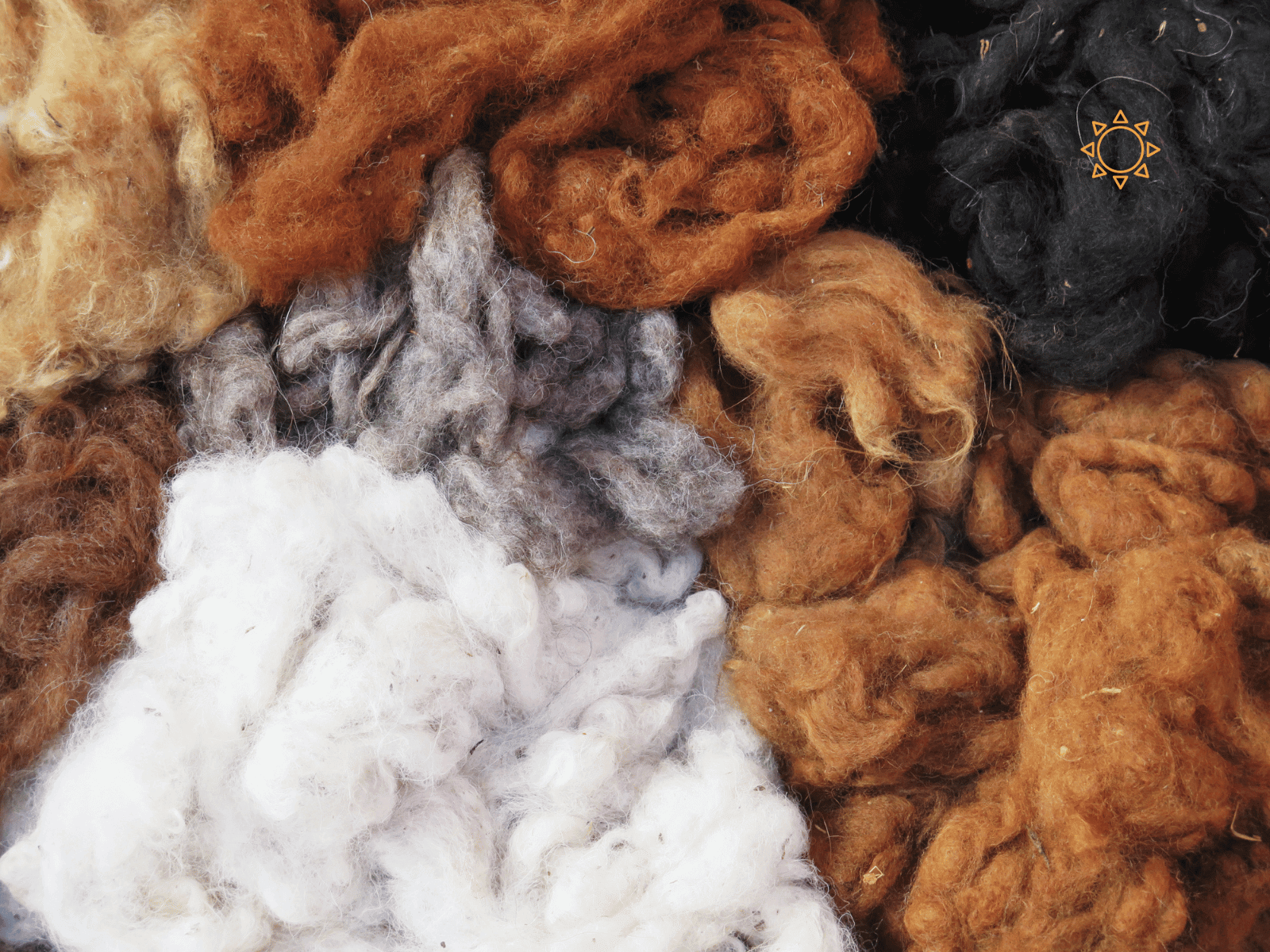
After shearing, the fleece is sorted by hand. The fibres are measured in microns. Baby alpaca — the finest grade, at 18 to 22 microns — is identified and separated. This grade can come from a young animal's first shearing, or from adult animals with particularly fine fleece. The standard is the micron count, not the age.
The families
The alpaca is the family's livelihood. Smallholders in the highland communities of Arequipa and Puno raise their animals, shear them, and send the fleece into the production chain. The quality of their care — the condition of the animals, the altitude they're raised at, the timing of the shearing — directly shapes the quality of the fibre.

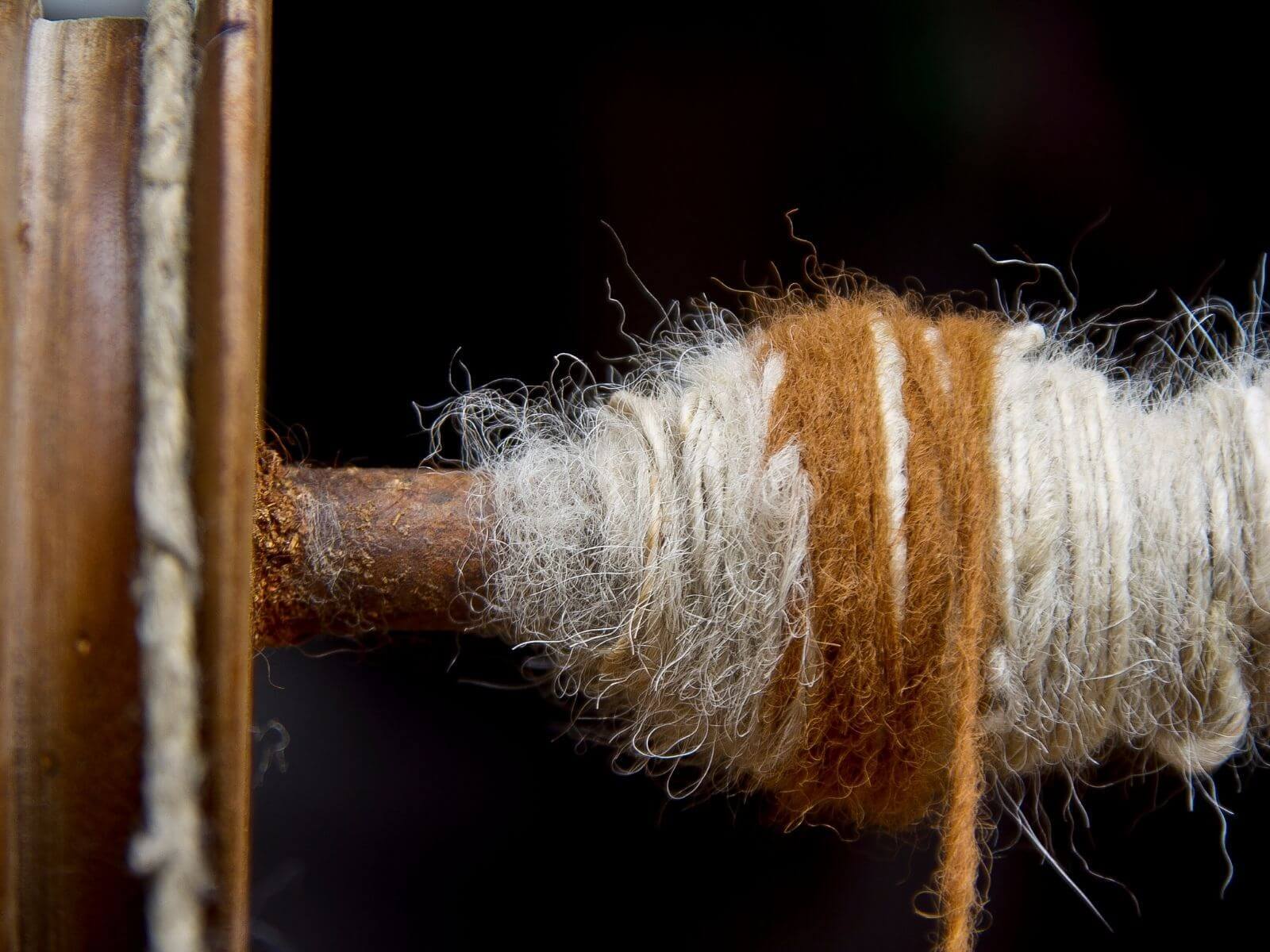
Once sorted and graded, the fleece is cleaned and spun into yarn. For pieces that are dyed, the process uses natural pigments — plants, minerals, and natural dyes developed over generations in the Andean highlands. Many colourways require no dye at all: camel, ivory, light grey, and brown are the alpaca's own colours, grown at altitude.
The finished piece
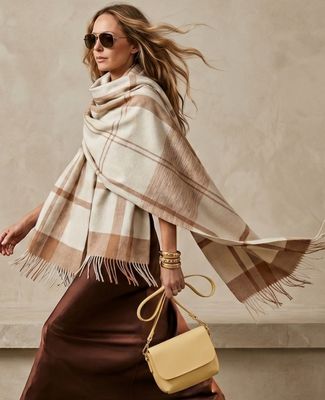
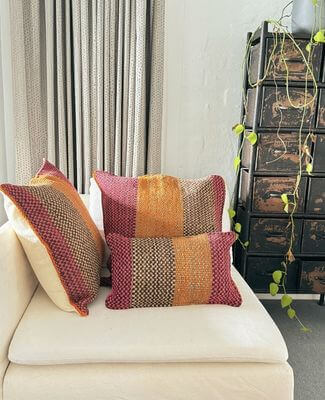
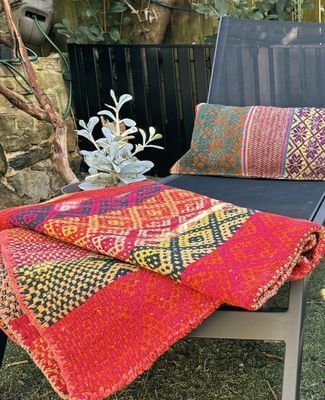
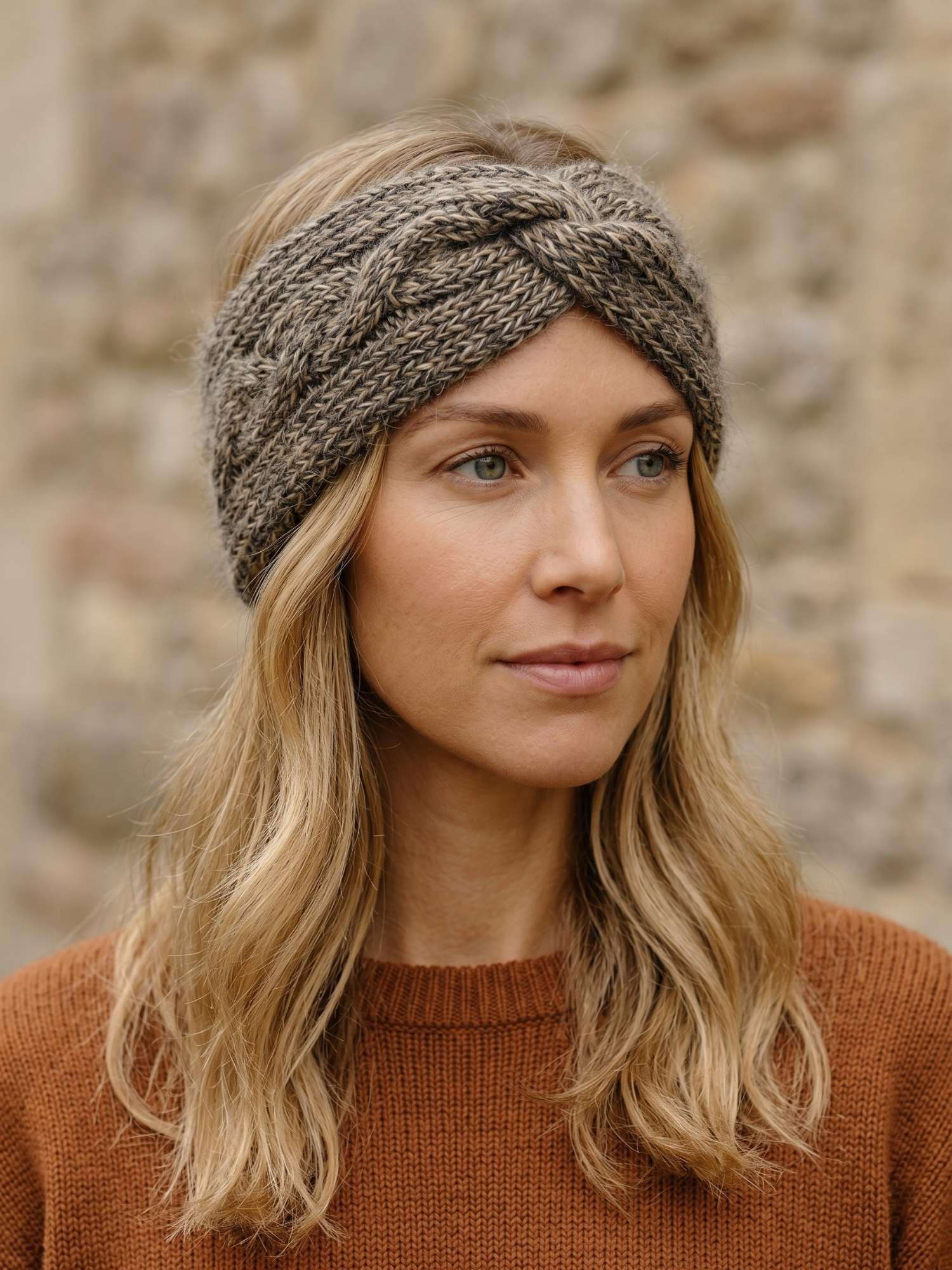
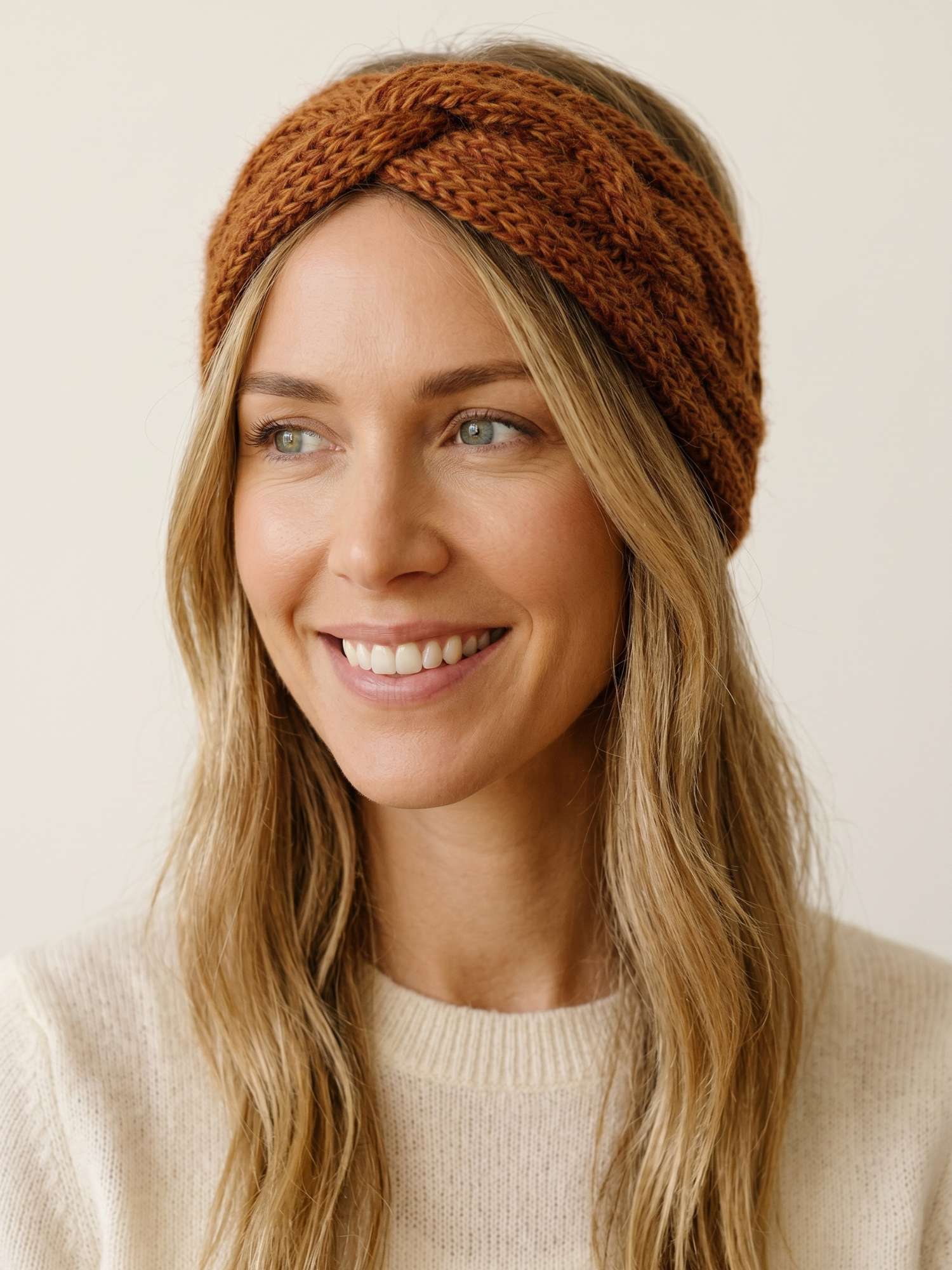
Orange Inca works with a production centre in the Peruvian highlands — a facility with deep knowledge of working with alpaca fibre. Orange Inca designs the pieces and chooses the colours; the centre makes them. The result is a shawl, scarf, throw, or coat that carries the full chain — highland families, highland animals, highland making.

Further reading
- The Ultimate Guide to Baby Alpaca Wool — what baby alpaca actually is, where it comes from, and how to care for it.







1 comment
You people have figured out how to protect the land and given a community a fair shake for living a better Life. Hats off to you people and don’t ever attempt to change thousands of years of experience.
\Bernard G., (Berni) Smith
Leave a comment
This site is protected by hCaptcha and the hCaptcha Privacy Policy and Terms of Service apply.