


Baby Alpaca in Winter: What Makes It Different
Winter is when fibre matters. Not aesthetically — though that too — but practically. When you’re wearing something all day across changing temperatures, the difference between a good fibre and a great one is felt rather than read about.
Baby alpaca is a winter fibre in the best sense: warm enough for the cold days, light enough to wear indoors, soft enough to sit against bare skin. Here’s what actually accounts for that.
It’s warmer for its weight
Alpaca fibre is hollow at its core. That structure traps warm air, which means a relatively thin baby alpaca jumper insulates more efficiently than a heavier wool knit. You get more warmth without more weight — which matters when you’re wearing something from morning through to the evening.
The same hollow structure helps regulate temperature as you move between environments. Baby alpaca doesn’t hold heat the way dense wool can; it adjusts more fluidly, which is why it doesn’t become stifling when you come inside.
It doesn’t itch
The usual culprit for wool irritation is lanolin — the natural grease present in sheep’s fleece. Alpaca contains no lanolin. There’s also no surface scale structure the way most wool fibres have, so the fibre lies smooth rather than catching against skin.
The result is a natural fibre that genuinely doesn’t irritate. For people who’ve spent years avoiding wool because of sensitivity, baby alpaca is often the exception — not because it’s marketed that way, but because of how the fibre is structurally made.
It holds up through a season
Cashmere pills. It’s a trade-off of a fibre that’s extremely fine: the shorter staple length means the surface breaks down faster with regular wear. Baby alpaca, with its longer fibre, stays smooth. After a full winter of use, a quality baby alpaca piece will look materially better than cashmere at the same price point.
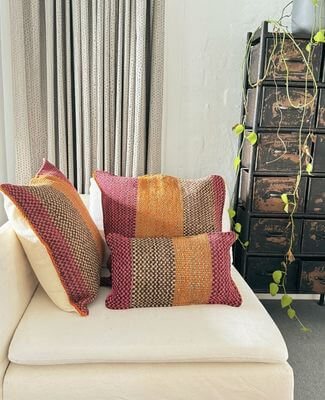
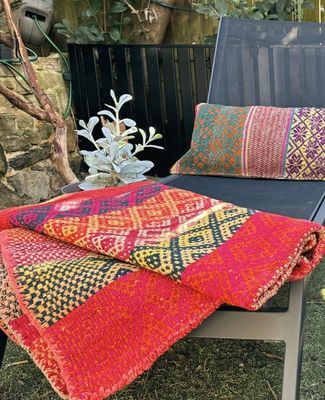
The colours hold too. Many of the pieces in the Orange Inca collection are either undyed — the camel, ivory, and grey tones are the alpaca’s own natural fibre colour — or dyed using traditional Andean methods. These don’t fade or bleed the way synthetic dyes can.
How it wears in winter
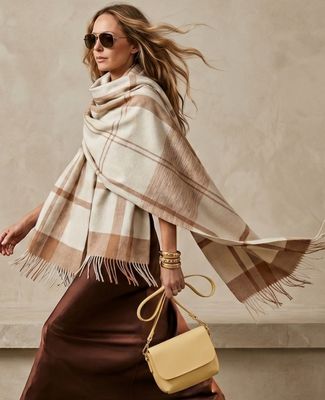
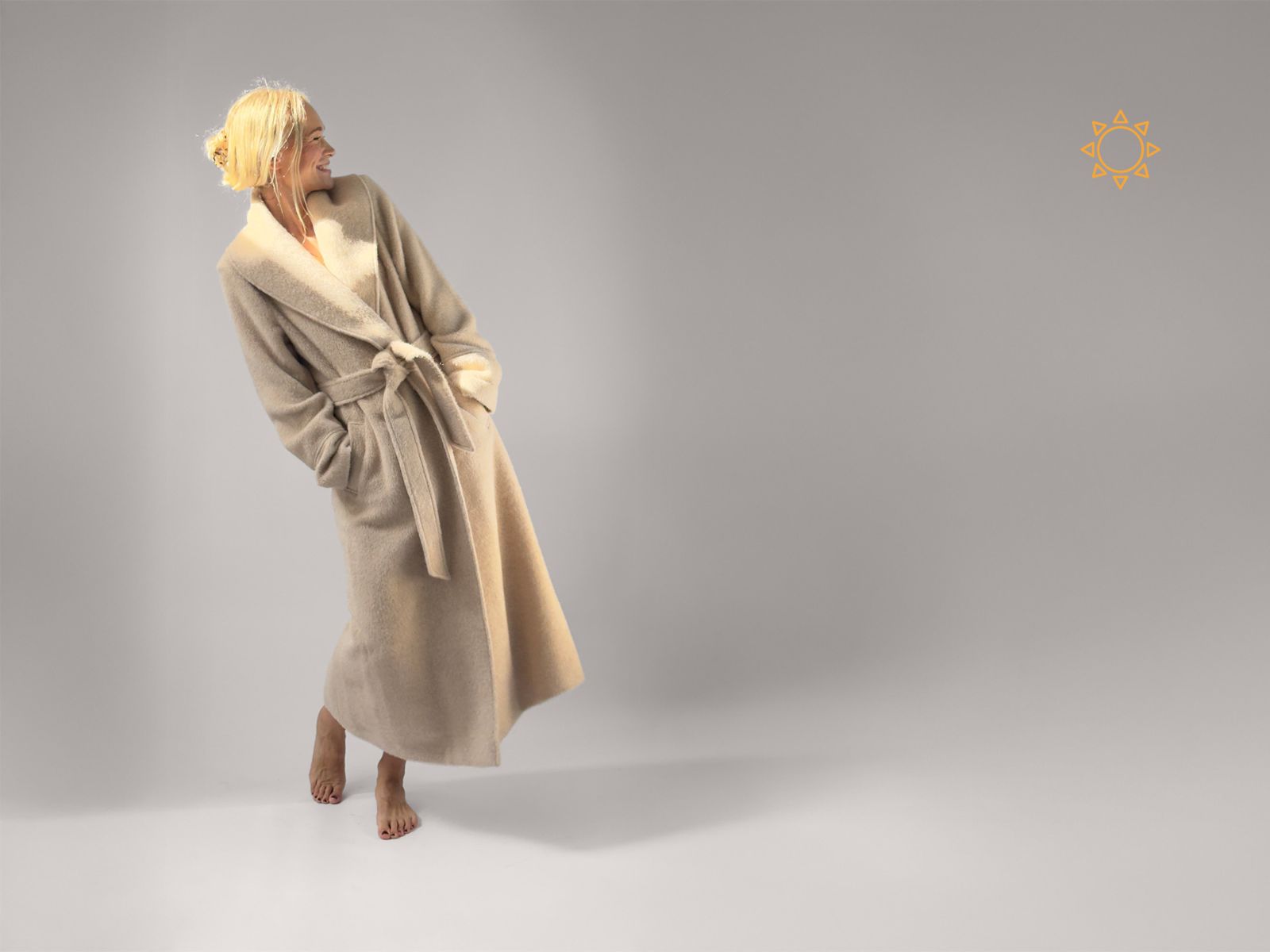
A baby alpaca shawl is the most versatile starting point: light enough to carry through a full day, warm enough as a layer into the evening. A fine-knit jumper at 100% baby alpaca works across most of winter without needing a second layer underneath. For the colder months, a heavier coat or cardigan takes it further.
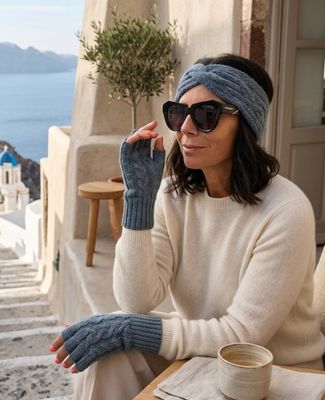
The pieces that get the most wear tend to be the quieter ones — a plain camel jumper, an undyed shawl in natural grey. The softness becomes the point.

Browse the baby alpaca knitwear collection →
Further reading
For a full guide to the fibre itself — what the grade means, where it comes from, and how to care for it — read our Ultimate Guide to Baby Alpaca Wool.

Leave a comment
This site is protected by hCaptcha and the hCaptcha Privacy Policy and Terms of Service apply.