
The Ultimate Guide to Baby Alpaca Wool
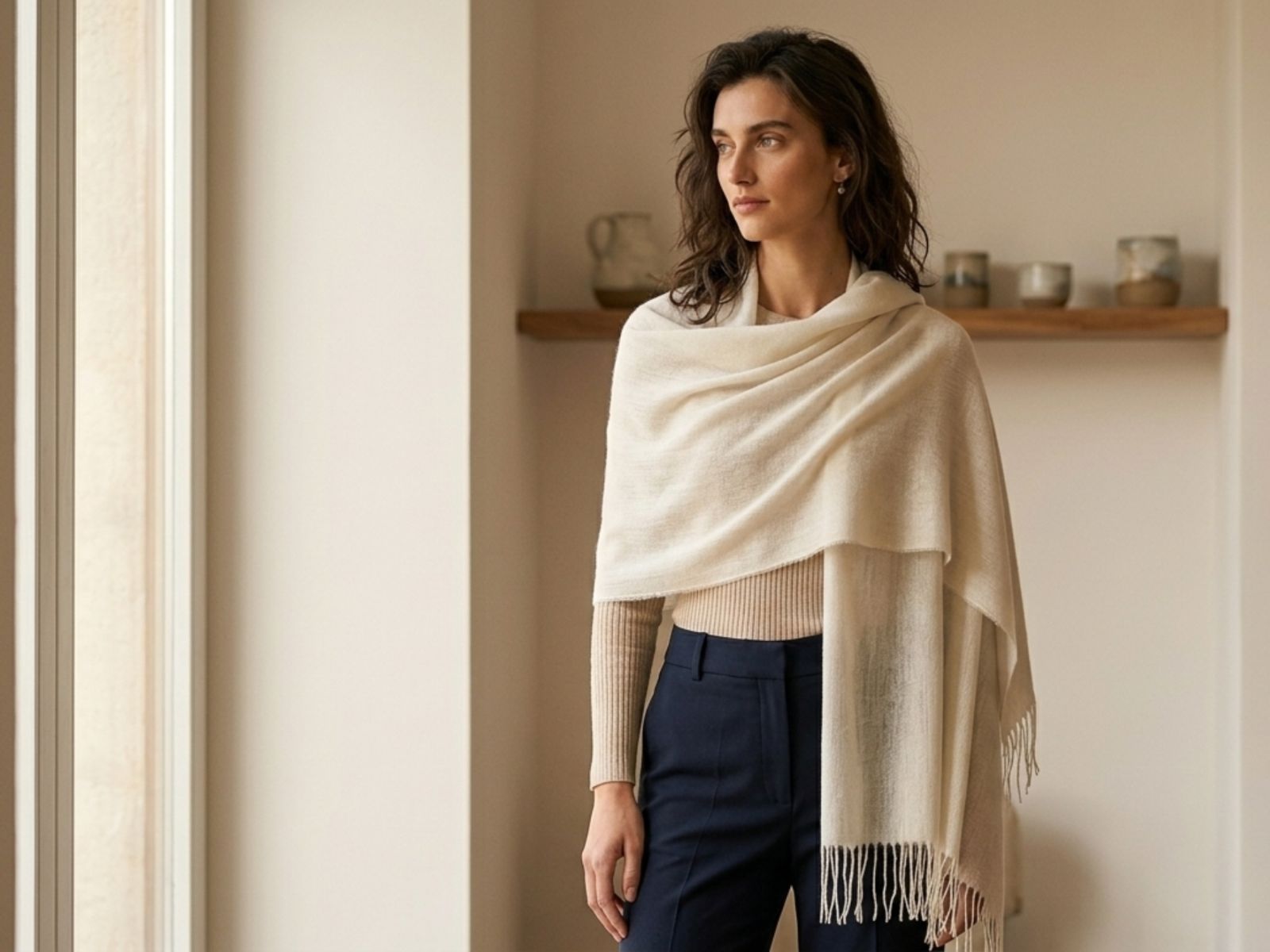
Something changes when you put baby alpaca against your skin for the first time. It's not just soft — it's soft in a way that surprises you. Lighter than wool, warmer than cotton, without the prickle that follows you home from a cashmere sweater. You notice it, and then you stop noticing it. That's the point.
Baby alpaca is one of the finest natural fibres in the world. This guide covers what it actually is, where it comes from, how it compares to other luxury fibres, and how to look after it.
What is baby alpaca, exactly?
The name is a little misleading. Baby alpaca doesn't mean the wool comes from a young animal. It refers to a fibre grade — the finest category of alpaca fleece, typically measuring between 18 and 22 microns in diameter.
Alpaca fibre is graded by micron count: the lower the number, the finer the fibre. Standard alpaca runs between 23 and 26 microns. Baby alpaca, at 18–22 microns, is noticeably softer and finer — fine enough to sit against skin without irritation, even for people who usually can't wear wool.
The finest grade often comes from a young alpaca's first shearing, before the fibre coarsens with age. But it can also come from adult animals with particularly fine fleece. What matters is the micron count, not the animal's age.
Where it comes from

Around 80% of the world's alpaca population lives in Peru, concentrated in the high Andes — the Arequipa and Puno regions, at altitudes where very little else survives. The animals are raised by highland families who have lived alongside alpacas for generations. The fibre is their livelihood and, in many communities, part of an unbroken tradition stretching back thousands of years.
The Andean peoples domesticated alpacas approximately 6,000 years ago. Long before the Inca empire, alpaca fibre was spun into textiles for warmth, ceremony, and trade. The Incas considered it a luxury reserved for nobility. Contemporary Andean families continue working with the same animals, the same altitudes, and much of the same knowledge.
Alpacas are sheared once a year in spring. The fibre is then cleaned, sorted, and spun into yarn. For naturally dyed pieces, the dyeing uses traditional Andean methods — plants, minerals, and natural pigments developed over centuries. Many baby alpaca pieces are never dyed at all: camel, ivory, light grey, and oatmeal are natural fibre tones, not colour added.
What makes it different

Warmth without weight. Alpaca fibre is hollow at its core. This traps warm air without adding bulk — which is why a thin baby alpaca shawl can be warmer than a much heavier wool knit. It also means the fibre regulates body temperature unusually well: warm in the cold, not stifling when you move inside.
No lanolin, no irritation. Unlike merino and most sheep's wool, alpaca contains no lanolin. Lanolin is the protein that causes sensitivity in many people. Baby alpaca is naturally hypoallergenic — not as a marketing claim, but as a structural property of the fibre. If you've avoided wool your whole life, baby alpaca is often the exception.
Moisture-wicking and odour-resistant. The fibre draws moisture away from the body and resists odour naturally. A baby alpaca garment worn for a full day rarely needs washing — it airs out overnight.
Softness that holds. Baby alpaca doesn't pill the way cashmere does. The longer, stronger fibre means the surface stays smooth over time rather than balling up after a few wears.
Baby alpaca vs cashmere
The comparison comes up constantly, so it's worth being direct about it.
Cashmere is fine — typically 14–19 microns — which is why it has such a strong reputation for softness. Baby alpaca runs slightly coarser on average, but the practical difference against skin is negligible. What you notice sooner is the difference in durability.
Cashmere pills. It's the honest reality of a fibre with short, fine staples. Baby alpaca, with longer staples, holds its surface much better. A well-made baby alpaca shawl worn regularly for five years will look materially better than a cashmere equivalent.
On warmth, baby alpaca has the edge. The hollow-core fibre insulates more efficiently at the same weight.
On price, quality baby alpaca and quality cashmere sit at similar points. If you're choosing between the two, baby alpaca is the quieter, longer option.
Natural colours and dyeing
Part of what makes baby alpaca unusual among luxury fibres is its natural colour range. Alpacas come in over twenty natural shades — white, ivory, camel, fawn, brown, grey, and black — which means many garments need no dye at all. If a piece is labelled camel or ivory, that's the alpaca's own colour. Nothing was added.
For saturated colours — a deep fuchsia, a clear blue, olive — the fibre is dyed using natural Andean methods: plants, roots, and minerals. The same traditions used for centuries in highland textile work.
Caring for baby alpaca
Baby alpaca is forgiving to wear but needs a little attention to wash. For full care instructions, visit our baby alpaca care guide.
- Hand wash in cold water with a gentle wool wash or mild soap. Never hot water — it will felt the fibre.
- Don't wring or twist. Press the water out gently, then lay flat to dry away from direct sunlight or heat.
- Dry cleaning is fine for coats and heavier pieces.
- Air between wears. Baby alpaca's natural odour-resistance means it often doesn't need washing after a single wear. Hang it out overnight — it will refresh on its own.
- Store flat or folded, not on a hanger. The weight of a knit can pull the shape over time. Add cedar or lavender to deter moths, which are drawn to natural fibres.
A baby alpaca piece that's looked after properly will last years. The softness deepens rather than fades.
From the collection

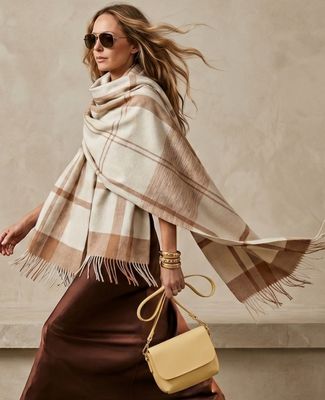
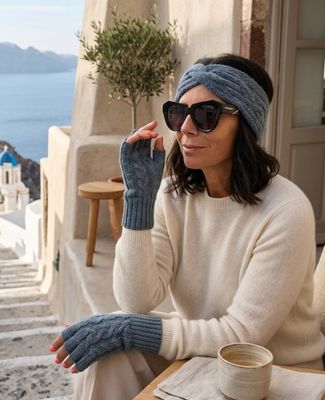
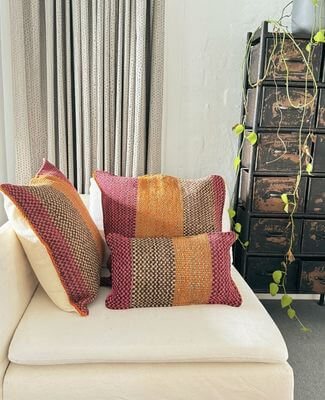
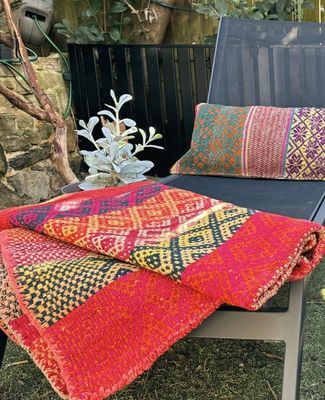
The baby alpaca pieces at Orange Inca are made in the southern Peruvian highlands — sourced from family farms in the Arequipa and Puno regions. The collection spans shawls and scarves, hats, knitwear, coats, and alpaca throws for the home. Most pieces are 100% baby alpaca; blends are noted.
Shop baby alpaca shawls and scarves →
Further reading
If you'd like to go deeper on any of the topics covered here:
- Winter gift guide: baby alpaca shawls — why a shawl is the one alpaca piece worth starting with.
- Wrapped in alpaca: a winter look in the Blue Mountains — how to actually wear it.

Leave a comment
This site is protected by hCaptcha and the hCaptcha Privacy Policy and Terms of Service apply.