

The Timeless Craft of Frazadas
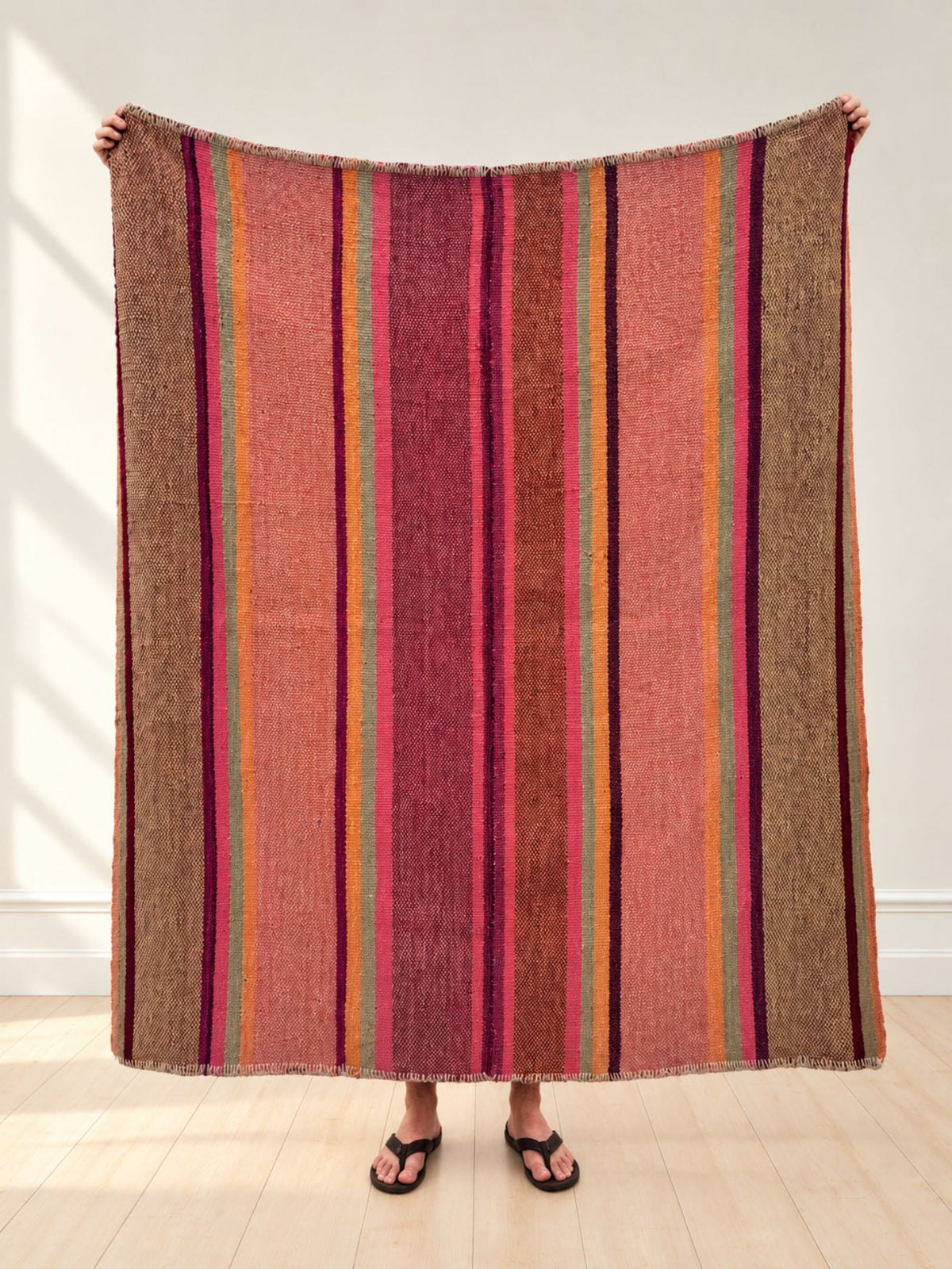
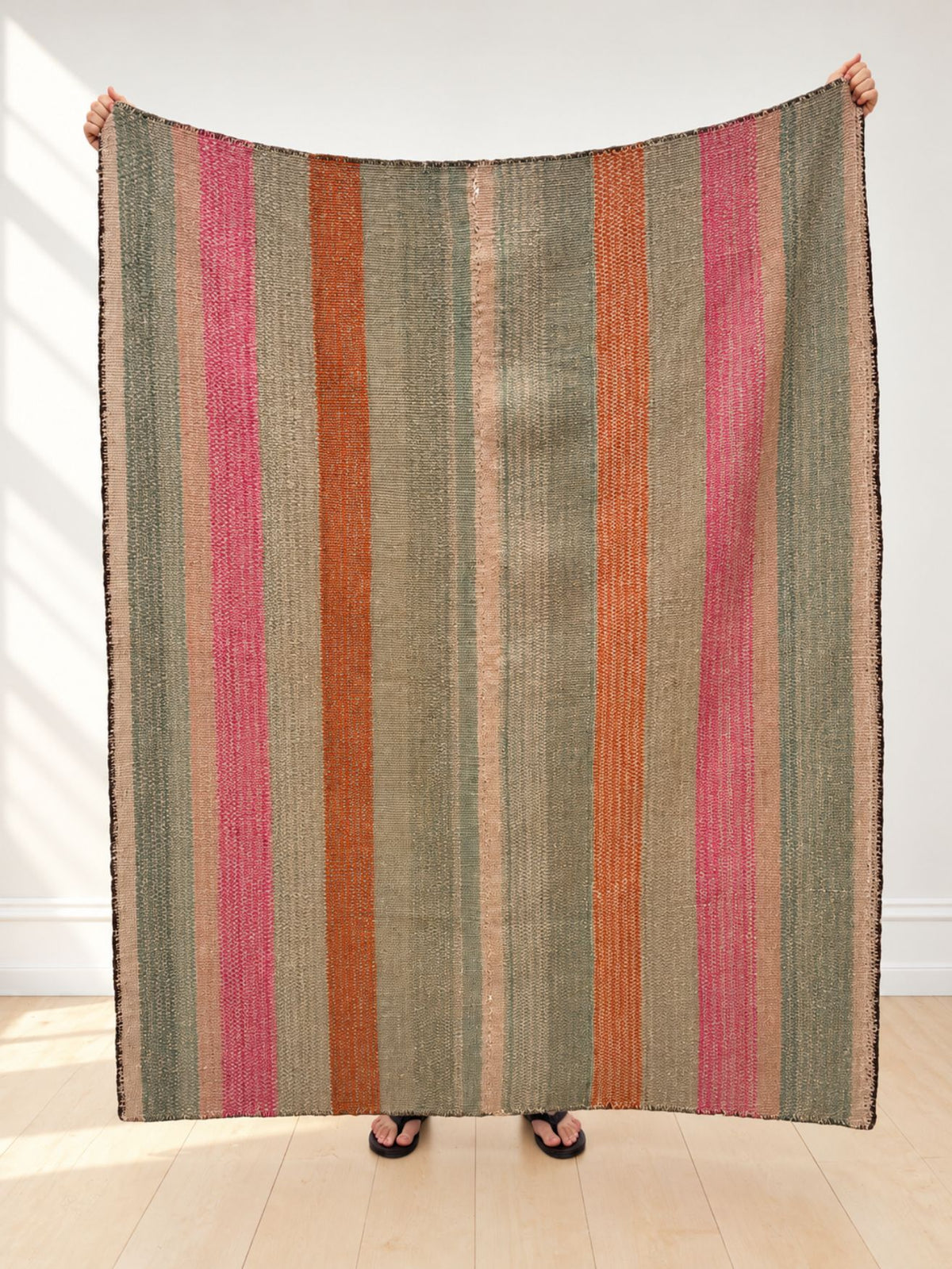
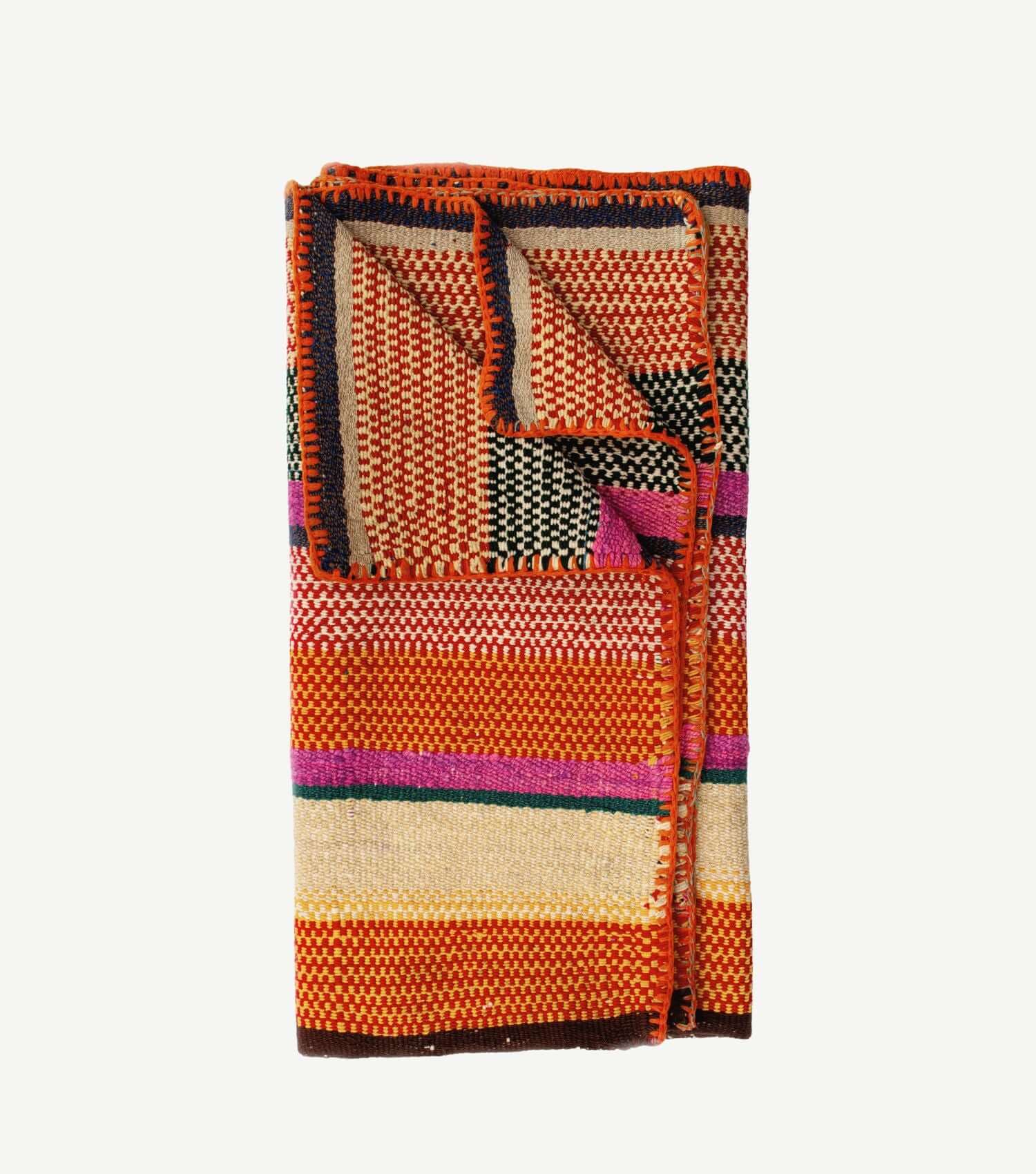
A frazada is a handwoven wool blanket from the Peruvian Andes — thick, warm, and built for actual use. In highland communities, frazadas were everyday objects: thrown over beds, used as wraps, stacked against the cold at altitude. The weave is tight, the wool is heavy, and the colours — drawn from natural dyes — don't fade with wear. That's the origin of every frazada in the Orange Inca collection.
Below are the questions people ask about frazadas most often, answered directly.

What is a frazada?
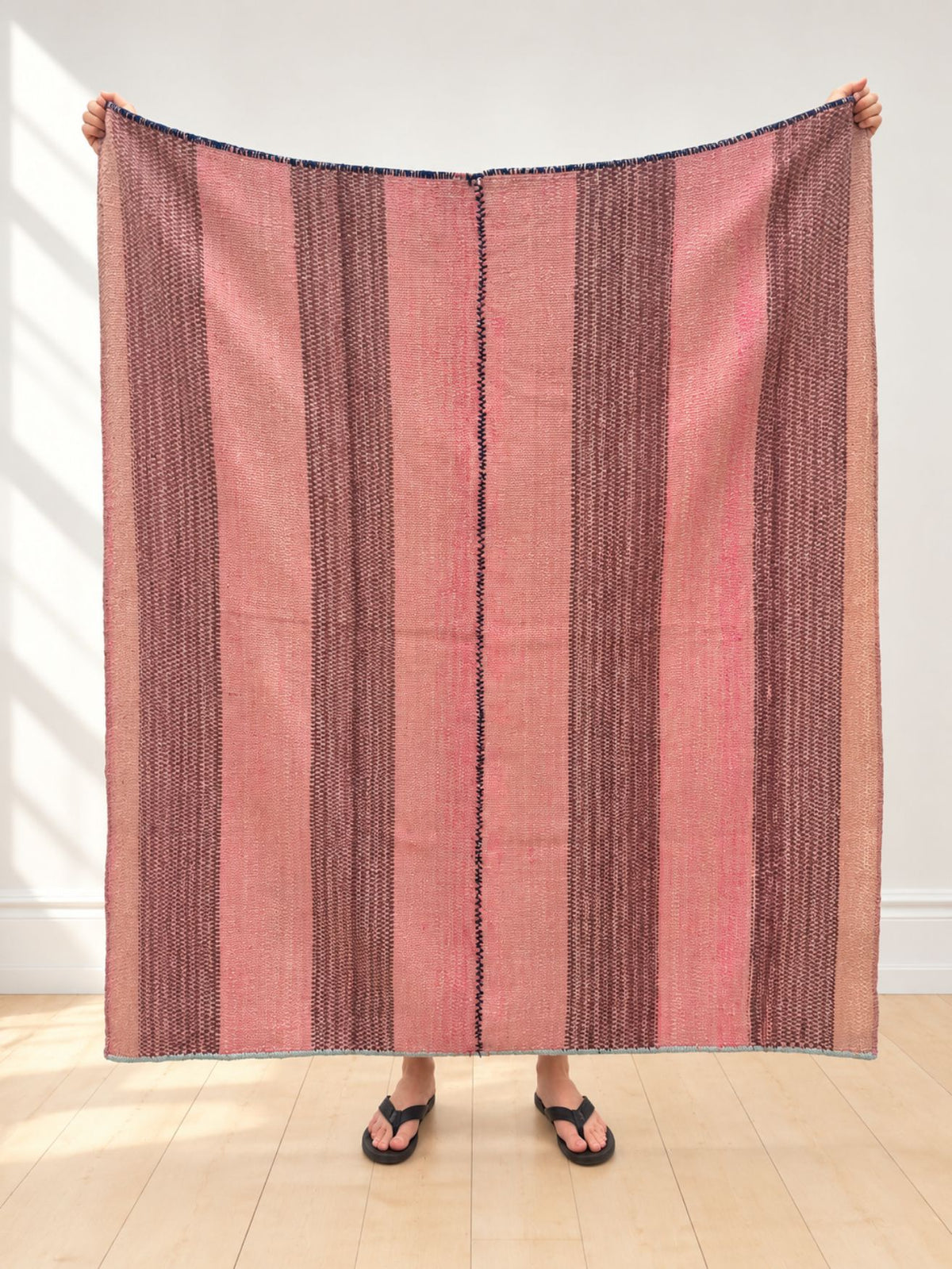
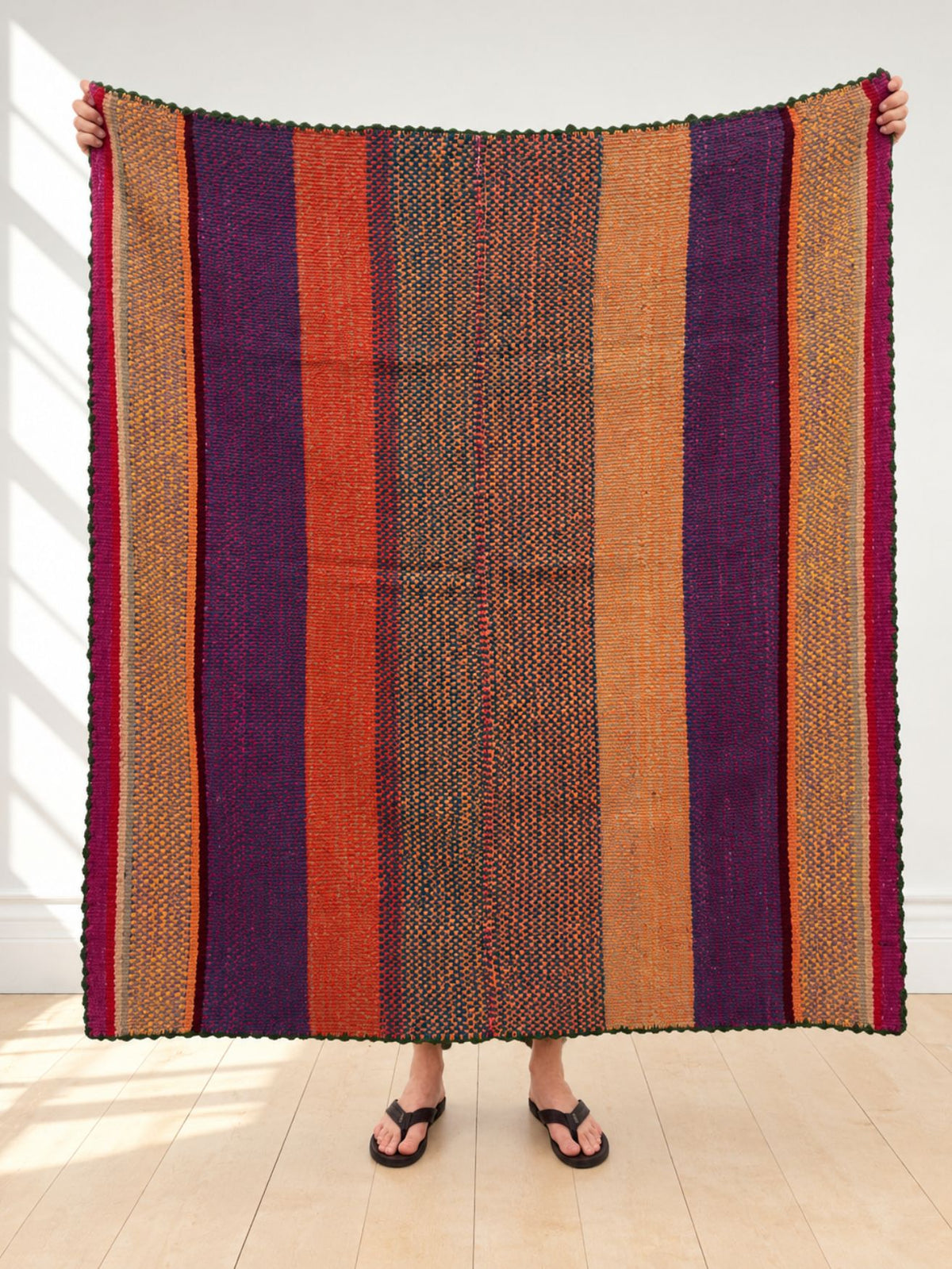
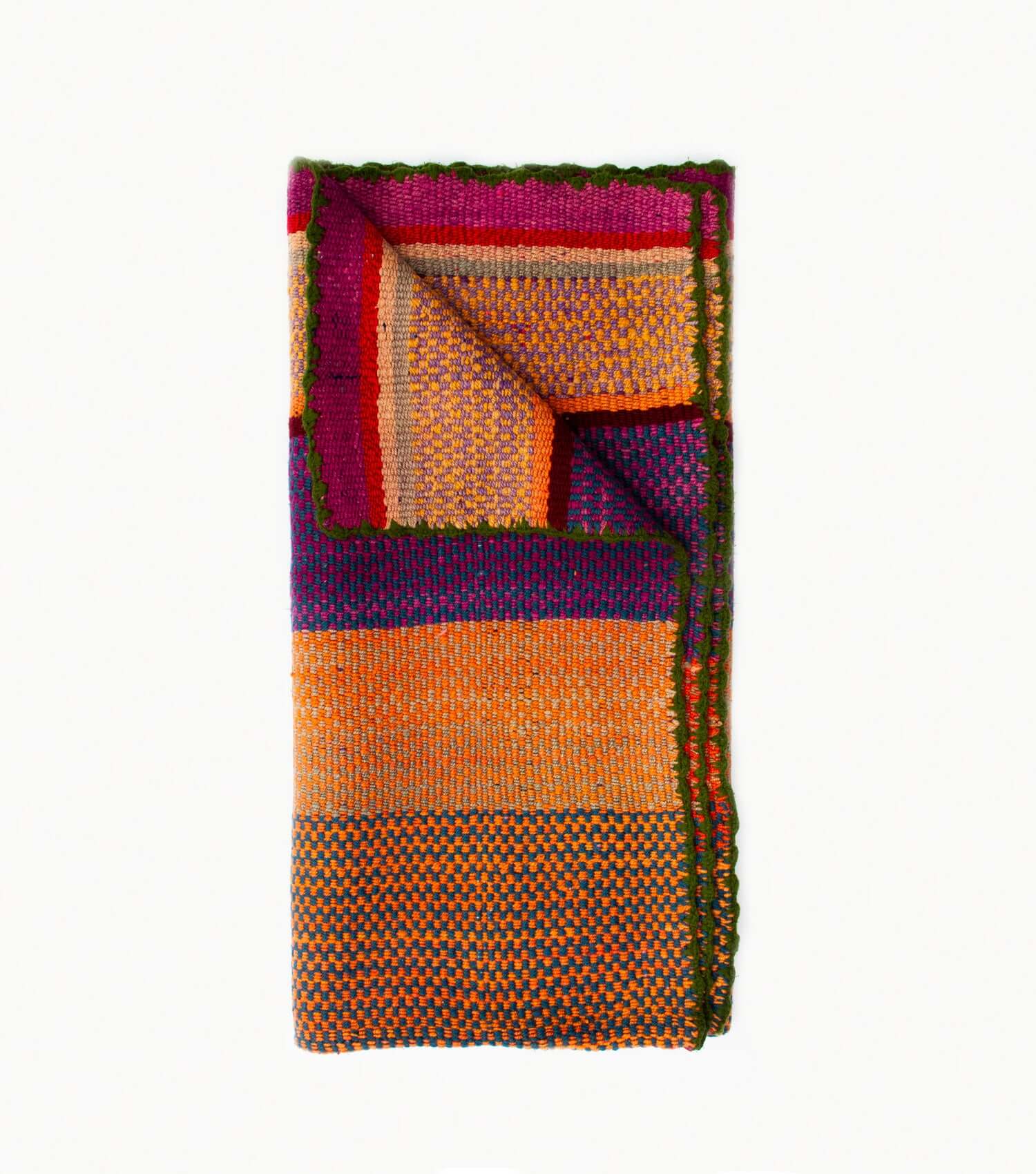
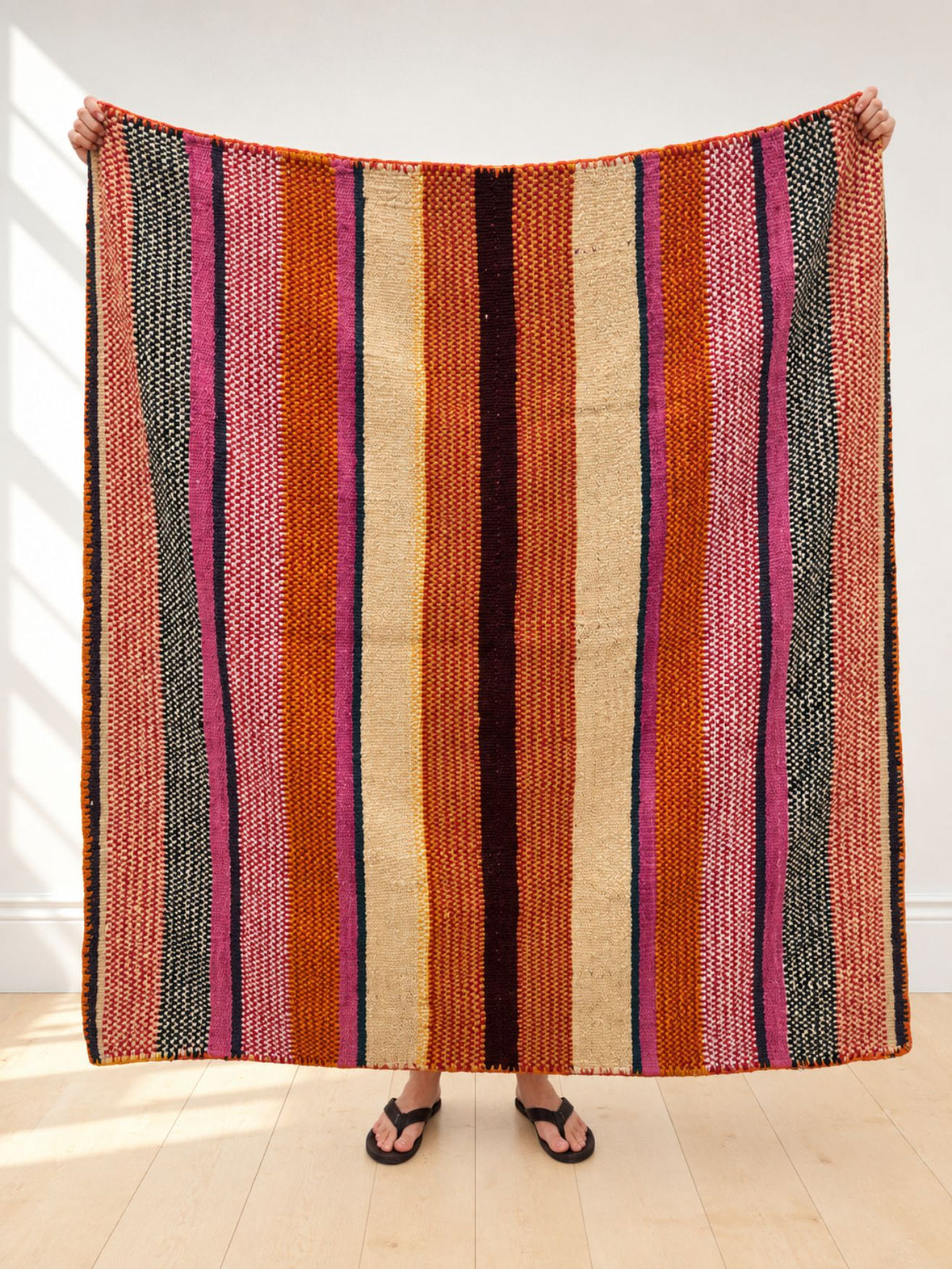
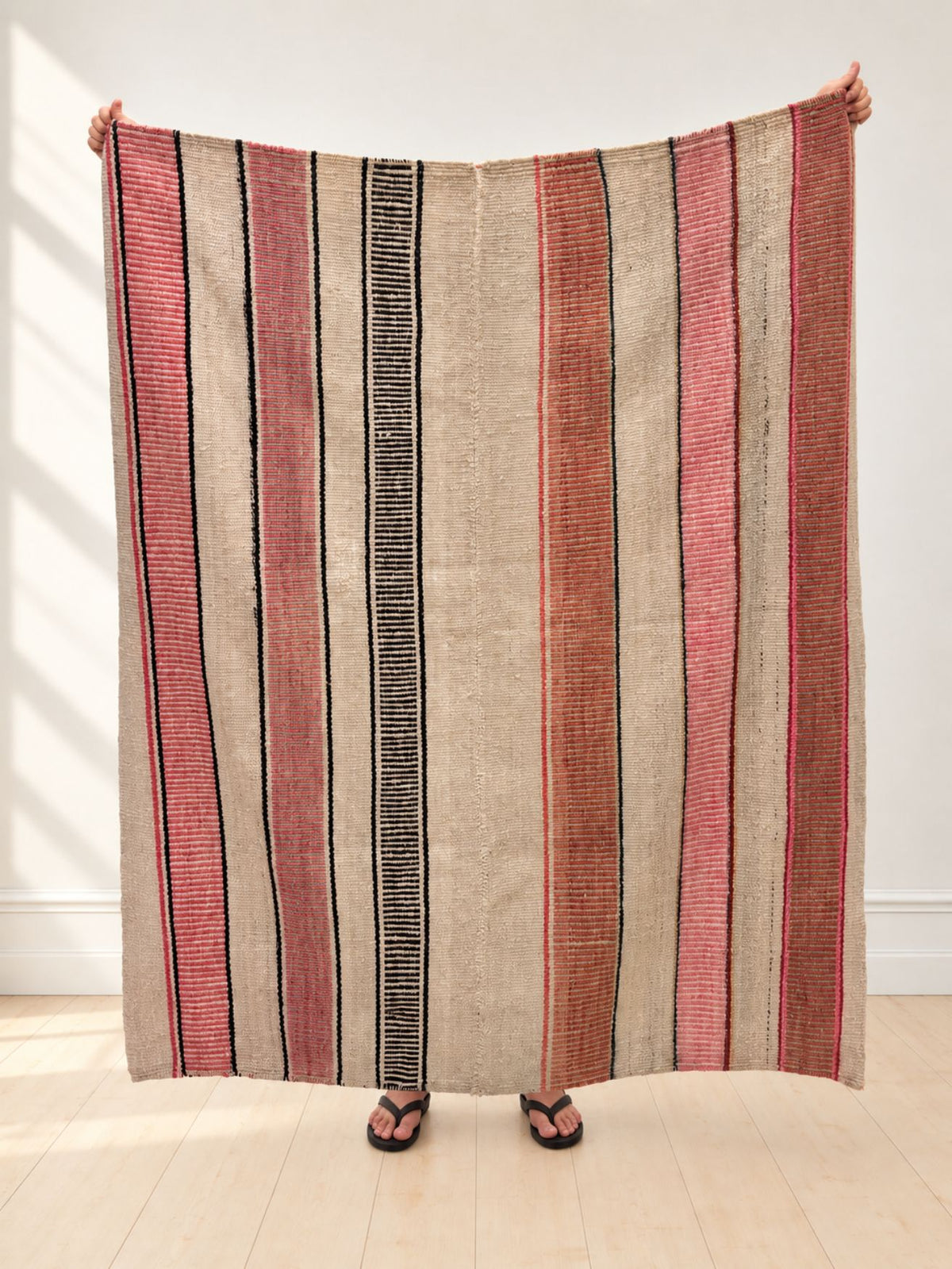
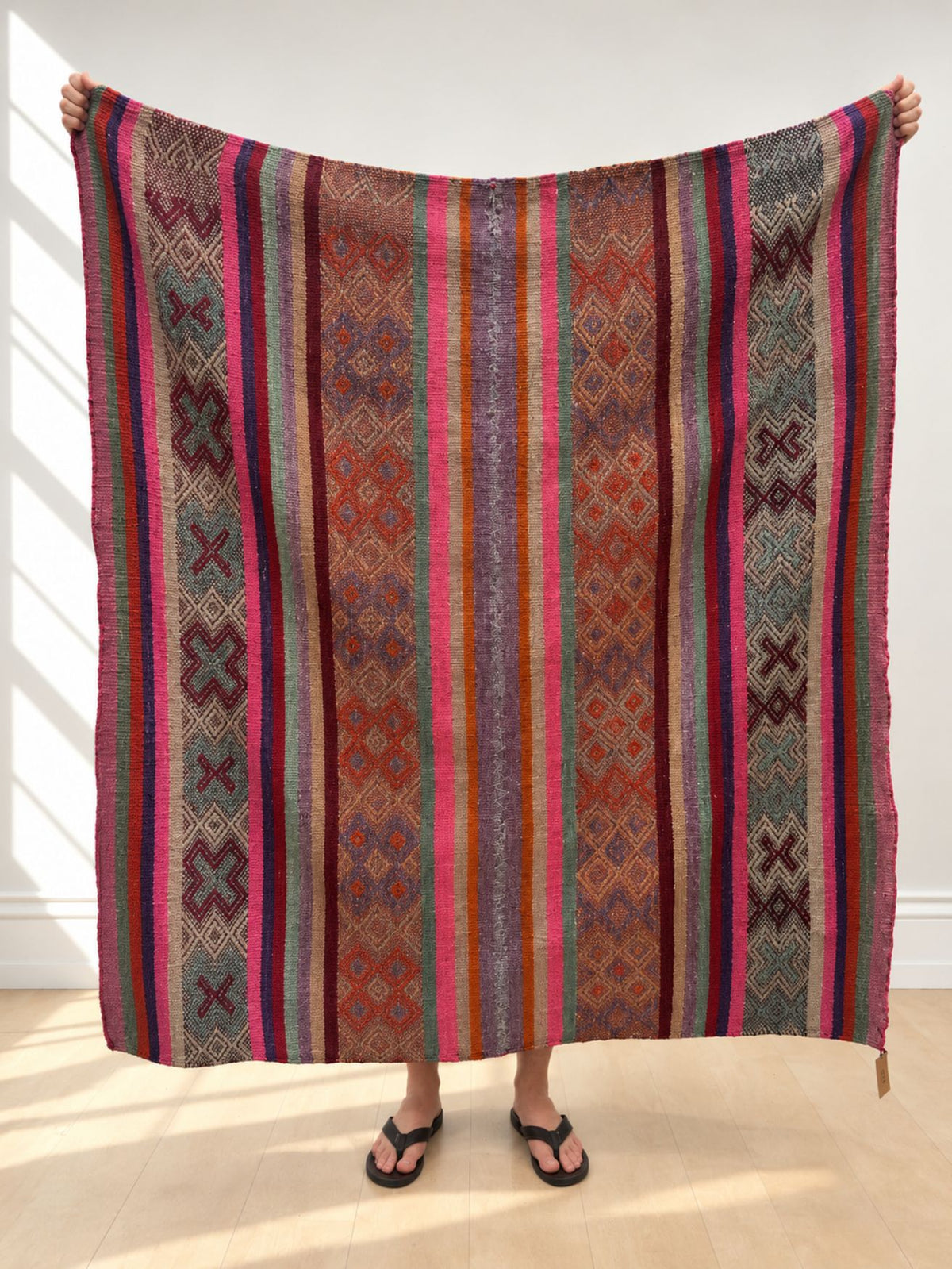
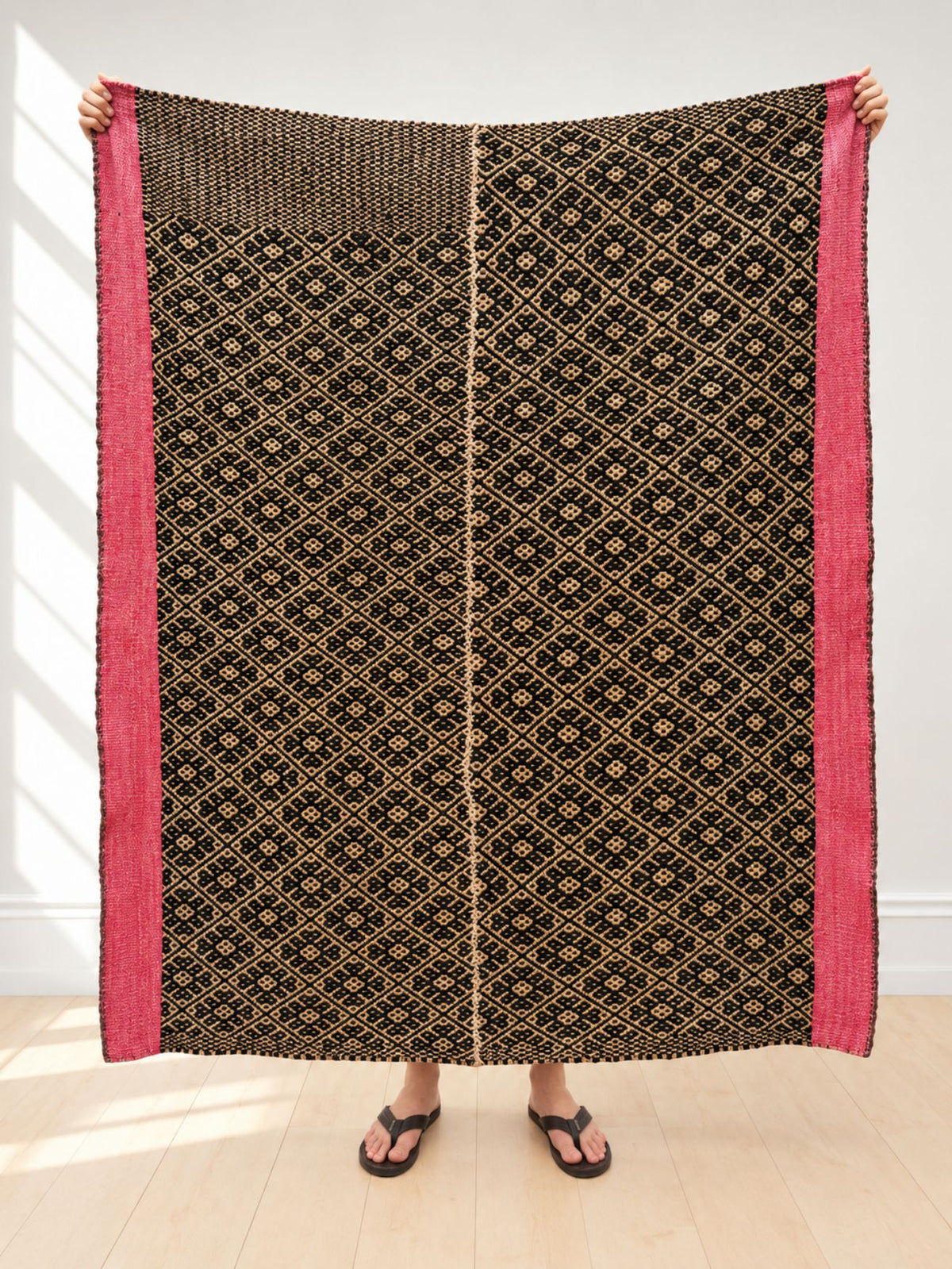
A frazada is a thick, handwoven blanket from the Andes, made from highland sheep wool and coloured with natural dyes. In Spanish the word simply means "blanket" — that is the whole translation. In Peru it names something more specific: a dense, heavy blanket woven on a backstrap loom in two long panels, then joined down the centre by hand. That seam is the signature of the form. It is how you know a frazada was made by a person and not a machine.
The women who make them live in remote Aymara and Quechua communities in the Peruvian Andes, at altitudes around 3,500 metres above sea level. A frazada was never a decorative object. It was the thing that kept a family warm through the highland night — which is why the weave is so tight and the wool so heavy, and why the ones that reach us have already lived a life.
What is a frazada made of?
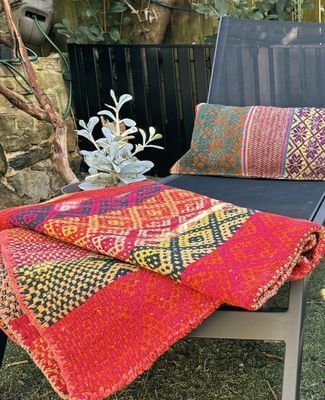
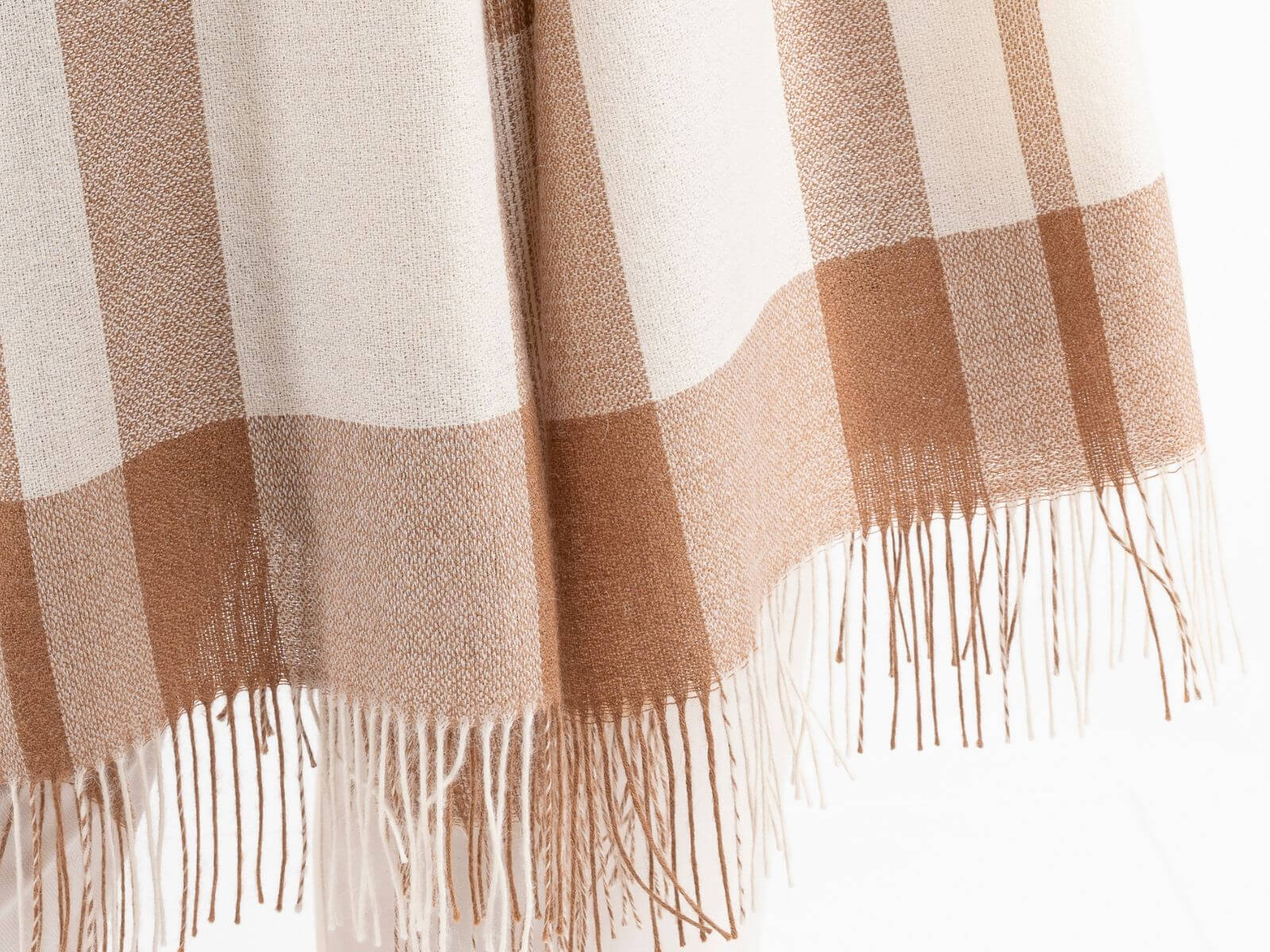
Highland sheep wool, hand-spun, and natural dyes. The process starts with shearing and spinning the wool by hand, then dyeing it with pigments from plants, seeds, minerals and insects — cochineal for the reds, indigo for the blues, plant extracts for the earthy tones — the same sources Andean weavers have used for centuries. The colours you see in each piece — the terracottas, soft pinks, deep greens, natural creams — come directly from the land around the weaver. Some frazadas carry a little alpaca in the blend; most are pure sheep wool, which is what gives them their weight.

How long does it take to weave a frazada?
Between four and six weeks, from dyed wool to finished blanket. Once the wool is dyed, it is woven on a traditional backstrap loom — a technique unchanged for centuries, in which one end of the loom is tied to a post and the other to a strap around the weaver's own waist. Because the loom is only as wide as the weaver's reach, a frazada is woven as two panels and stitched together at the centre. The patterns are the weaver's own: passed down through family lines, refined through years of practice, held in memory rather than drawn on paper. No two frazadas are identical, and the variation in pattern and colour is part of what makes them worth keeping.

What is the difference between a frazada and a cobija?
A frazada is Peruvian and Andean: handwoven sheep wool, two panels, a backstrap loom, natural dye. A cobija is the everyday Mexican word for a blanket, and the cobijas most people picture — the soft, printed, often quilted or fleece blankets sold across Mexico and the American Southwest — are machine-made, not woven by hand. Manta is the broader Spanish word for a cloth or wrap; in the Andes it also names the carrying cloth a woman ties across her shoulders. If it is thick, wool, two-panelled and joined down the middle, it is a frazada.
Living with a frazada
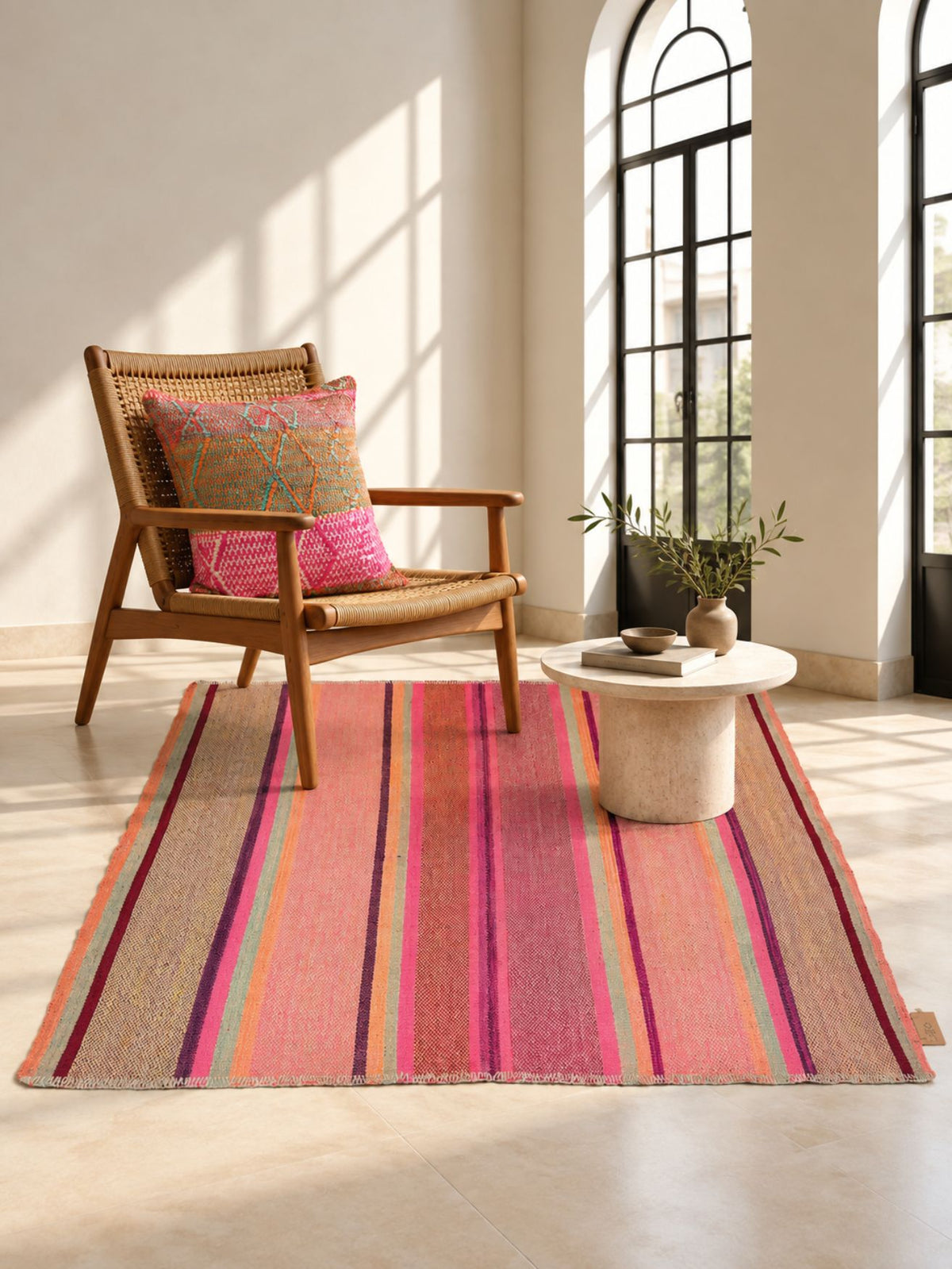
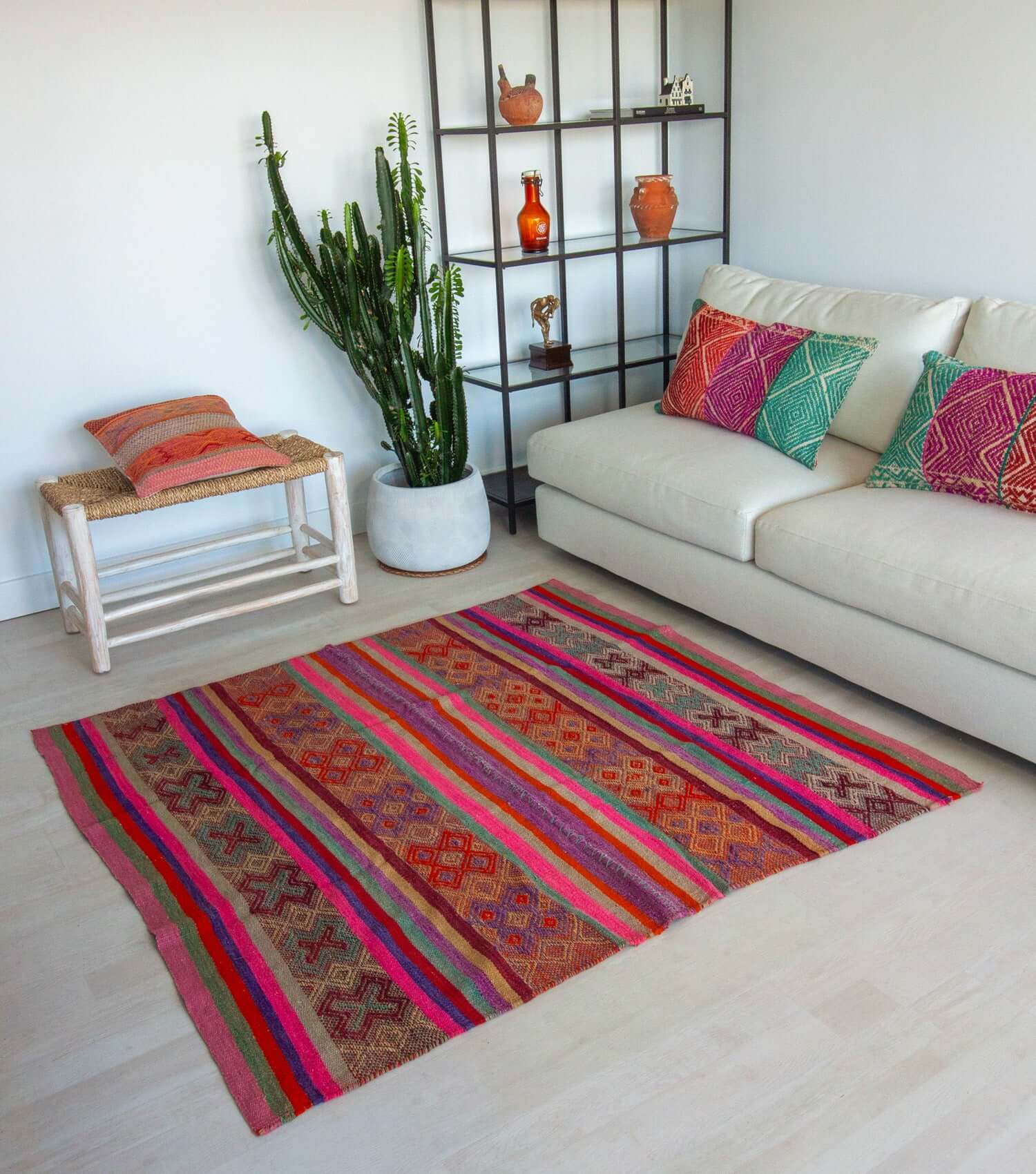
Frazadas are built to be used. In an Australian home, they work as throws over a sofa or bed, as rugs in a living area or on a deck, as wall hangings, and as tablecloths for gatherings where the setting matters. The weave is heavy enough to lie flat as a rug without slipping, and warm enough to be useful through autumn and winter rather than decorative only. For rug-specific advice, read How to Care for Your Frazada Rug; for ideas, Five Ways to Style a Frazada in Your Home. If you are weighing a frazada against a kilim, Frazada vs Kilim sets the two side by side.

How do you clean a frazada?
Spot-clean everyday marks, and have it dry cleaned once a year by a specialist who works with naturally dyed wool. Do not hand wash it. You will read elsewhere that a frazada can be washed in cold water and dried in direct sun; for a naturally dyed, hand-stitched textile that advice does not hold. Saturating it in water risks colour moving between dye lots, the flat weave stretching under its own wet weight, and stress on the centre seam — and direct sun is what softens natural dyes over time, so filter it rather than court it. For a spill, blot with a clean colourless cloth from the edges inward; if a mark stays, press it with cold water and a little pH-neutral wool soap, then leave it flat to dry away from heat. Between cleans, shake it outside now and then and keep it dry. The full routine — rug pads, rotation, moths, storage — is in the frazada rug care guide.
The Orange Inca frazada collection
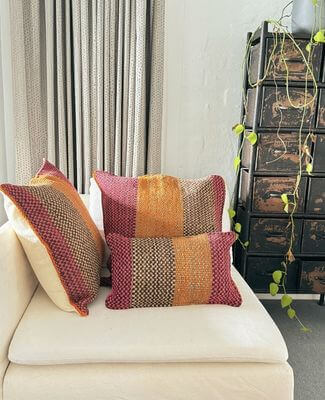
Every frazada in the collection is sourced directly from Andean weavers. The range includes full-size throws and rugs, smaller accent pieces, and frazada cushion covers — each one handwoven, naturally dyed, and finished with the pom-pom fringe that's become the signature of the style. Explore the full frazada collection.

The full frazada story
This article is part of the Orange Inca frazada series. For the complete origin story, a closer look at the making process, and a guide to living with a frazada at home, read From Andean Blanket to Everyday Object: The Frazada Story.

Leave a comment
This site is protected by hCaptcha and the hCaptcha Privacy Policy and Terms of Service apply.