





Zo verzorg je je trui van babyalpaca
Er bestaat een hardnekkig misverstand over breigoed van babyalpaca, en het kost mensen geld: dat het regelmatig gewassen moet worden. Dat hoeft niet. Draag het vaak, was het zelden. Alpaca bevat geen lanoline, dus het houdt minder vuil en geur vast dan schapenwol, en na het dragen hoeft het meestal alleen gelucht te worden. Een trui die je twee keer per week draagt gedurende een hele Australische winter, gaat in dat hele seizoen misschien één keer naar de stomerij. Het nuttigste wat je kunt doen, is hem mínder laten reinigen.
Maar als hij wel gereinigd moet worden — en dat gebeurt — dan doet de methode ertoe. Deze gids gaat over truien, vesten en jassen. Heb je een omslagdoek of sjaal, dan hebben we daar apart over geschreven.
Hoe vaak moet een trui van babyalpaca naar de stomerij?
Ongeveer eens per seizoen bij regelmatig dragen — dat is het eerlijke antwoord. Als je hem twaalf weken lang twee keer per week hebt gedragen, is één stoombeurt aan het eind van het seizoen, vlak voordat je hem opbergt, meestal ruim voldoende.
De belangrijkste gewoonte is luchten tussen het dragen. Hang hem na het uittrekken even bij de schouders op bij een open raam of buiten in de schaduw. Laat hem een uur luchten voordat je hem opvouwt. Frisse lucht haalt het meeste weg wat zich met dragen ophoopt — lichaamswarmte, omgevingsgeur, vocht — zonder dat er water of chemie aan de vezel komt. Doe je dit consequent, dan hoef je hem zelden vaker dan eens per seizoen te laten reinigen.
Kun je een trui van babyalpaca met de hand wassen? Nee — en dit is waarom
Volg het wasvoorschrift op het label van jouw stuk: op onze labels staat stomen, en dat geldt voor elk alpacastuk dat we maken. Een trui laat zien waarom. De ribboorden aan manchetten en zoom staan onder spanning. De schouders en zijnaden zijn dragend. Als een kledingstuk van deze dichtheid volledig doordrenkt raakt met water, trekt de zwaartekracht aan de natte vezel en kan de constructie vervormen — schouders zakken, de taille zakt, ribboorden rekken uit. Een volledig doorweekte trui plat drogen duurt uren, en eiwitvezels die lang nat blijven zijn kwetsbaar.
Laat je trui, vest of jas stomen. Onze volledige verzorgingsadviezen staan op de verzorgingspagina voor babyalpaca. Kort gezegd, bij het kiezen van een stomerij: elke stomerij die kasjmier aankan, behandelt ook alpaca goed.

Kun je een trui van babyalpaca in de wasmachine wassen?
Nee. Warmte en beweging veroorzaken vervilting — de schubben van de vezel haken permanent in elkaar en het kledingstuk wordt dicht en vormeloos. Dit is onomkeerbaar. Zelfs een koud fijnwasprogramma brengt genoeg beweging met zich mee om het te veroorzaken. Was geen enkel alpacakledingstuk in de machine.
Wat je doet tussen twee stoombeurten
Lucht hem na elke draagbeurt. Hang de trui kort te luchten voordat je hem opvouwt (alleen om te luchten, niet als manier van opbergen — zie hieronder). Een uur bij een open raam is genoeg.
Dep kleine vlekjes meteen. Een schone, vochtige doek en lichte druk halen de meeste oppervlakkige vlekken weg voordat ze intrekken. Werk van de randen van de vlek naar binnen, zodat je hem niet uitsmeert, en wrijf niet. Leg het stuk daarna plat en laat het volledig drogen voordat je het opvouwt.
Uitschudden en gladstrijken. Vouw hem elke keer op dezelfde manier, zodat er geen permanente vouwen ontstaan op steeds andere lijnen.
Wat als mijn alpacatrui nat wordt?
Trek hem voorzichtig uit en leg hem meteen plat op een schone, droge handdoek. Breng hem terug in zijn oorspronkelijke vorm zolang hij nog nat is — dan heb je de meeste controle. Vervang de handdoek eronder zodra die het vocht heeft opgenomen.
Houd hem uit de buurt van radiatoren, droogrekken met verwarming en föhns. Directe warmte laat alpacavezels krimpen. Direct zonlicht veroorzaakt verkleuring en kan het oppervlak bovendien ongelijkmatig laten drogen. Kamertemperatuur, binnen, uit direct zonlicht — dat is wat je wilt. Afhankelijk van het gewicht kan een trui of jas een volle dag of langer nodig hebben om helemaal droog te zijn. Vouw of berg hem niet op voordat hij door en door droog is.
Zo berg je breigoed van babyalpaca op

Laat hem eerst reinigen. Motten komen af op stukken die gedragen zijn en niet gereinigd, dus de stoombeurt aan het eind van het seizoen doe je het liefst vlak voordat de trui wordt opgeborgen.
Opvouwen — nooit ophangen. Het gewicht van babyalpacavezel rekt de schouders van een kledingstuk na verloop van tijd uit als het hangt. Vouw hem in drieën over de lengte en leg hem plat op een plank, of stapel de stukken voorzichtig.
Gebruik een ademende katoenen hoes of kussensloop, nooit plastic. Afgesloten plastic zakken houden vocht vast en laten de vezel niet ademen — is er nog wat vocht aanwezig, dan kan er schimmel ontstaan.
Leg er cederhout of gedroogde lavendel bij. Cederhoutblokjes of zakjes met gedroogde lavendel helpen motten weg te houden zonder chemie. Vervang het cederhout om de paar maanden, als de geur vervaagt.
Controleer opgeborgen stukken maandelijks. Vijf seconden kijken is genoeg. Mottenactiviteit vroeg opmerken beperkt de schade tot één stuk in plaats van meerdere.
En pilling?
Pilling is normaal bij elke eiwitvezel — alpaca, kasjmier, merino. Het ontstaat waar stof over stof schuurt, op wrijvingspunten: onder de armen, bij de manchetten en aan de zoom waar een tashengsel of jas ligt. Babyalpaca pilt minder dan gewone alpaca of wol, omdat de fijnere vezel minder snel in de knoop raakt, maar wat pilling is bij regelmatig dragen onvermijdelijk.
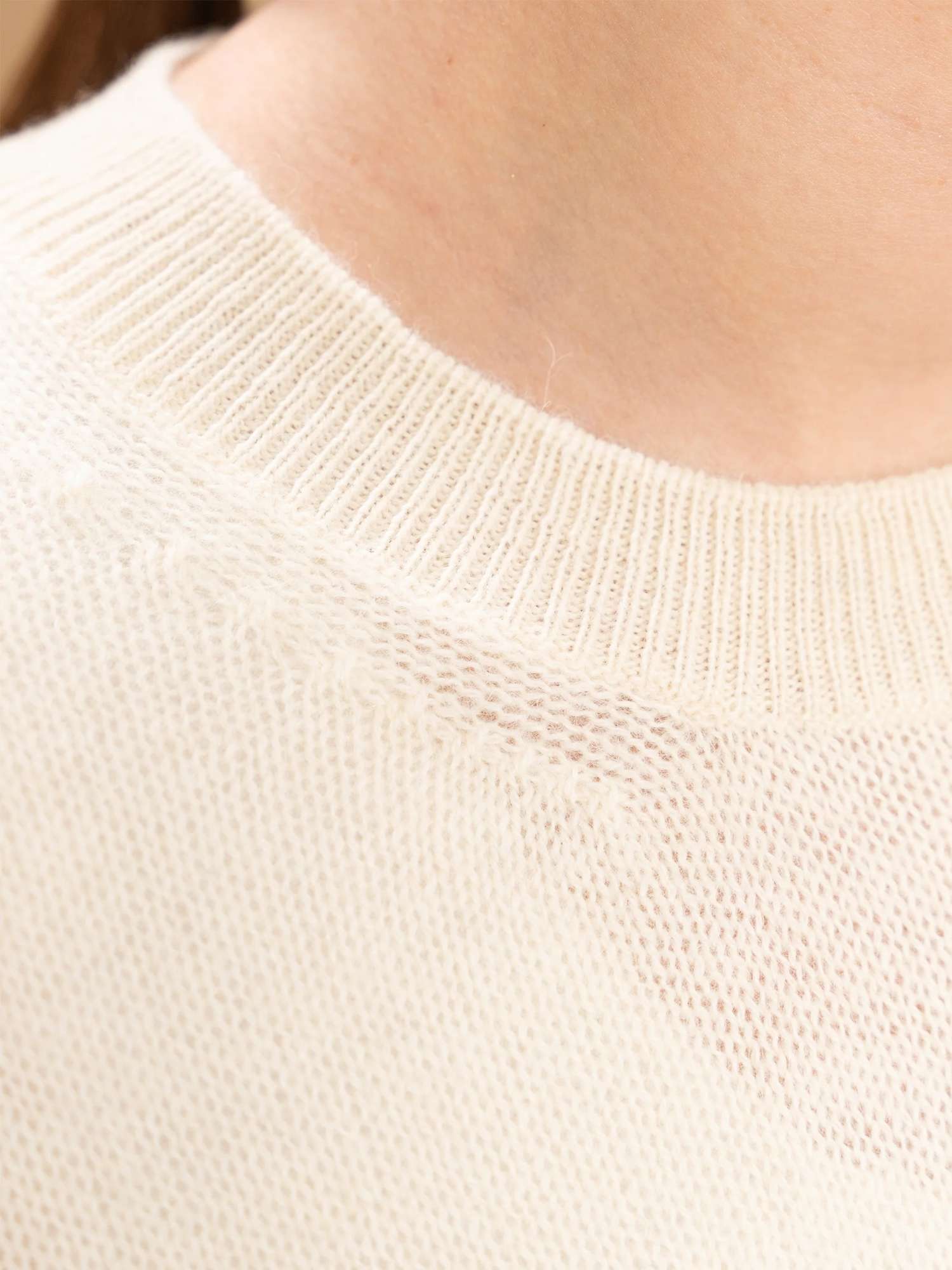
Een stofkam — ook wel kasjmierkam of ontpluiskam genoemd — haalt de pluisjes er netjes af zonder aan de onderliggende vezel te trekken. Gebruik lichte, korte halen. Niet hard drukken en niet over de stof slepen. Vijf minuten met een kam en het kledingstuk ziet er weer als nieuw uit. Gebruik geen scheermesje of plakband — beide beschadigen het oppervlak.
Over de samenstelling: check altijd je wasetiket
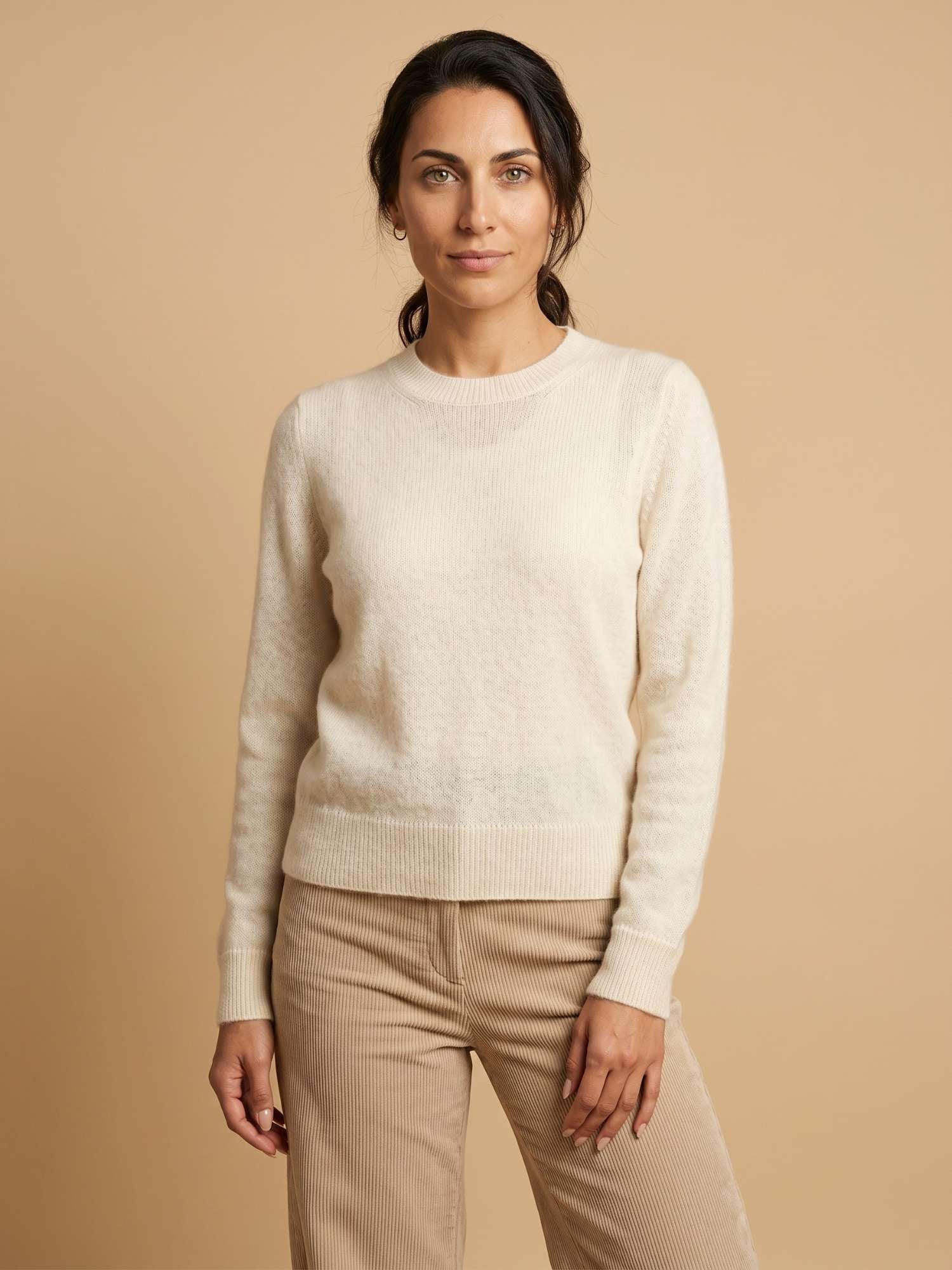
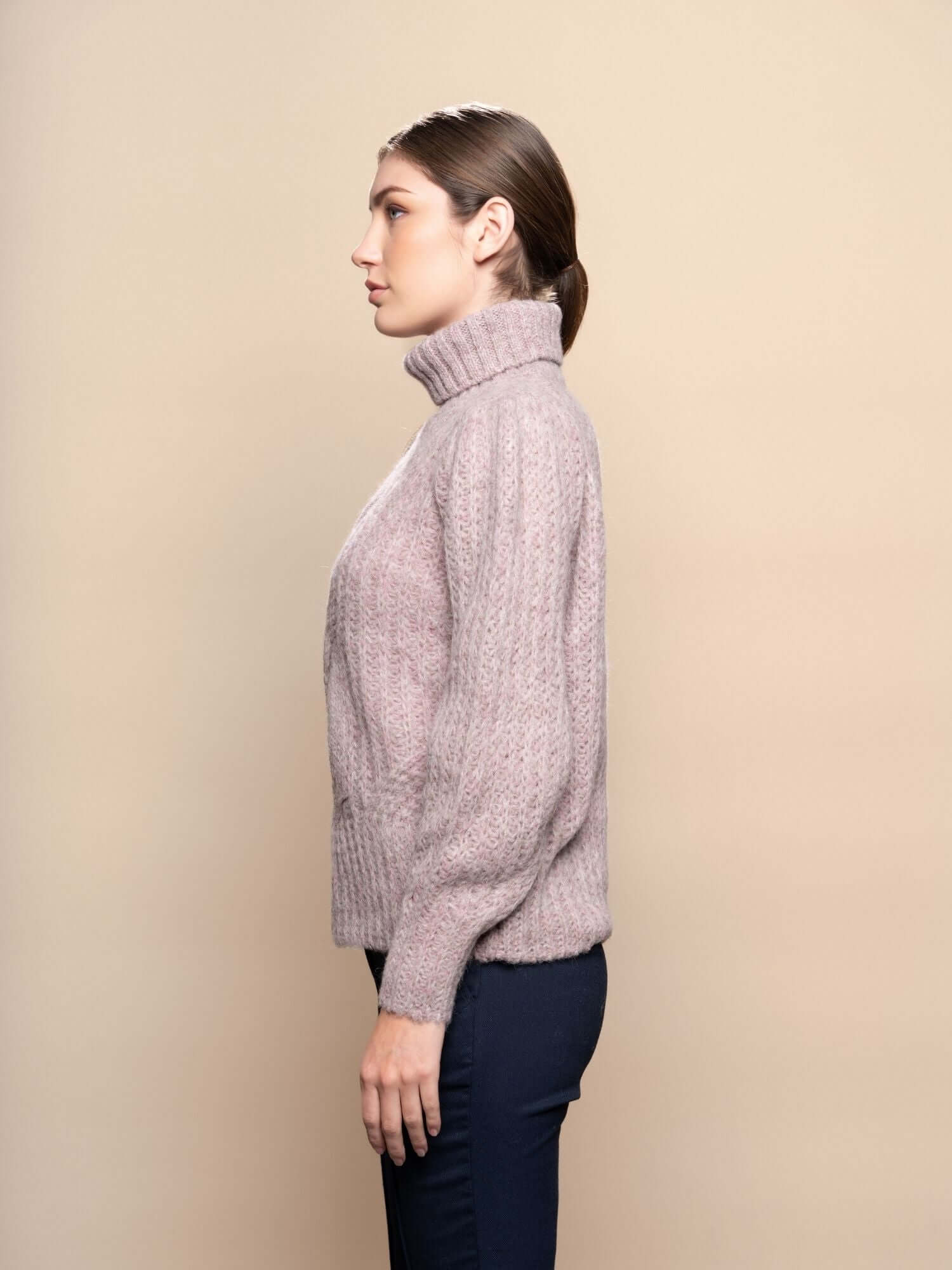
Niet al het breigoed van Orange Inca is hetzelfde. De coltrui is 89% alpaca / 11% nylon — het nylon geeft de rib structuur en stevigheid. De verzorgingsregel voor kledingstukken verandert daar niet door (stomen), maar het is goed om te weten waar jouw specifieke stuk van gemaakt is. Je wasetiket heeft het laatste woord over jouw stuk — het weerspiegelt precies het garen dat in dat kledingstuk is gebruikt.
Twijfel je, volg dan het label, houd het uit de buurt van warmte en vraag het ons.
De korte versie
Lucht je truien, vesten en jassen tussen het dragen. Dep kleine vlekjes. Laat ze ongeveer eens per seizoen stomen, voordat je ze opbergt. Berg ze opgevouwen op. Gebruik een stofkam tegen pilling. Meer is er echt niet nodig om een goed gemaakt alpacakledingstuk jarenlang in goede staat te houden.
Meer over de verzorging van babyalpaca — inclusief kleine accessoires en omslagdoeken — vind je op de verzorgingspagina voor babyalpaca. En heb je een omslagdoek in plaats van een kledingstuk, lees dan de verzorgingsgids voor omslagdoeken.
Veelgestelde vragen
Kun je een trui van babyalpaca in de wasmachine wassen?
Nee. De warmte en beweging veroorzaken vervilting, waardoor de vezels permanent in elkaar haken en het kledingstuk vervormt. Dat is niet meer terug te draaien. Laat breigoed van alpaca altijd stomen.
Hoe vaak moet een trui van babyalpaca naar de stomerij?
Ongeveer eens per seizoen bij regelmatig dragen. Lucht je hem na elke draagbeurt en dep je kleine vlekjes meteen, dan is één keer aan het eind van het seizoen, voordat je hem opbergt, meestal genoeg.
Wat doe je als een alpacatrui nat regent?
Leg hem plat op een schone handdoek en breng hem weer in vorm zolang hij nog nat is. Houd hem uit de buurt van warmtebronnen en laat hem op kamertemperatuur drogen. Er gebeurt niets mee.
Mag breigoed van babyalpaca in de droger?
Nee. Doe alpaca nooit in de droger — de warmte en het tuimelen veroorzaken onomkeerbare vervilting en krimp.
Waarom pilt mijn trui van babyalpaca?
Pilling is normaal. Het ontstaat op wrijvingspunten waar stof over stof schuurt. Een stof- of kasjmierkam haalt de pluisjes weg zonder de onderliggende vezel te beschadigen.
Hoe berg ik breigoed van babyalpaca op aan het eind van het seizoen?
Laat het eerst stomen — motten komen af op stukken die gedragen zijn en niet gereinigd. Vouw het daarna op en berg het plat op, nooit hangend, in een ademende katoenen hoes of kussensloop, nooit in plastic. Leg er cederhout of lavendel bij tegen motten.









Laat een reactie achter
Deze site wordt beschermd door hCaptcha en het privacybeleid en de servicevoorwaarden van hCaptcha zijn van toepassing.