





How to Care for Your Baby Alpaca Jumper
There is a persistent myth about baby alpaca knitwear, and it costs people money: that it needs to be washed regularly. It does not. Wear it often, wash it rarely. Alpaca has no lanolin, so it holds less dirt and smell than sheep's wool, and after wearing it usually just needs airing. A jumper worn twice a week through a full Australian winter might go to the dry cleaner once in that whole season. The single most useful thing you can do is clean it less.
But when it does need cleaning — and it will — the method matters. This guide covers jumpers, cardigans and coats. If you have a shawl or wrap, we’ve written about it separately.
How often should you dry clean a baby alpaca jumper?
About once a season for regular wear — that is the honest answer. If you wore it twice a week for twelve weeks, one dry clean at the end of the season, just before you put it away, is usually plenty.
The single most important habit is airing between wears. When you take it off, hang it briefly by the shoulders near an open window or outside in the shade. Let it breathe for an hour before folding it away. Fresh air removes most of what accumulates with wear — body warmth, ambient smell, moisture — without water or chemicals touching the fibre. If you do this consistently, you will rarely need to clean it more than once a season.
Can you hand wash a baby alpaca jumper? No — here’s why.
Follow the care label on your piece: our labels say dry clean, and that goes for every alpaca piece we make. A jumper shows why. The ribbing at the cuffs and hem is under tension. The shoulders and side seams are load-bearing. When a garment this dense is fully saturated with water, gravity pulls on the wet fibre and the construction can distort — shoulders drop, waists drop, ribbing stretches. Drying a fully soaked jumper flat takes hours, and protein fibres held wet for a long time are vulnerable.
Dry clean your jumper, cardigan or coat. Our full care guidance is on the baby alpaca care page. When choosing a dry cleaner, the short version is that any cleaner that handles cashmere will handle alpaca correctly.

Can you machine wash a baby alpaca jumper?
No. Heat and agitation cause felting — the fibre scales lock together permanently and the garment becomes dense and misshapen. This is irreversible. Even a cold delicate cycle carries enough agitation to cause it. Do not machine wash any alpaca garment.
What to do between dry cleans
Air it after every wear. Hang the jumper briefly to air before folding (just to breathe, not as a storage method — see below). An hour near an open window is enough.
Blot small marks straight away. A clean, damp cloth and light pressure lifts most surface marks before they set. Work from the edges of the mark in to avoid spreading it, and don't rub. Then lay the piece flat and let it dry completely before folding.
Shake and smooth. Fold it with the same orientation each time to prevent permanent creases forming along unfamiliar lines.
What if my alpaca jumper gets wet?
Take it off carefully and lay it flat on a clean, dry towel immediately. Smooth it back into its original shape while it is still wet — this is when you have the most control. Replace the towel underneath once it has absorbed the moisture.
Keep it away from radiators, heated airers and hair dryers. Direct heat shrinks alpaca fibres. Direct sun causes fading and can also dry the surface unevenly. Room temperature, indoors, out of direct sunlight, is what you want. Depending on the weight, a jumper or coat may take a full day or more to dry completely. Do not fold or store it until it is dry all the way through.
How to store baby alpaca knitwear

Have it cleaned first. Moths are drawn to pieces that have been worn and not cleaned, so the end-of-season dry clean is best done just before the jumper goes into storage.
Fold it — never hang it. The weight of baby alpaca fibre will stretch the shoulders of a garment over time if it hangs. Fold it in thirds along the body and store it flat on a shelf, or stack pieces carefully.
Use a breathable cotton bag or pillowcase, never plastic. Sealed plastic bags trap moisture and prevent the fibre from breathing — if any residual dampness is present, it can cause mildew.
Add cedar or dried lavender. Cedar blocks or dried lavender sachets help deter moths without chemicals. Replace cedar every few months as the scent fades.
Check on stored pieces monthly. A five-second inspection is enough. Catching moth activity early limits damage to one piece rather than several.
What about pilling?
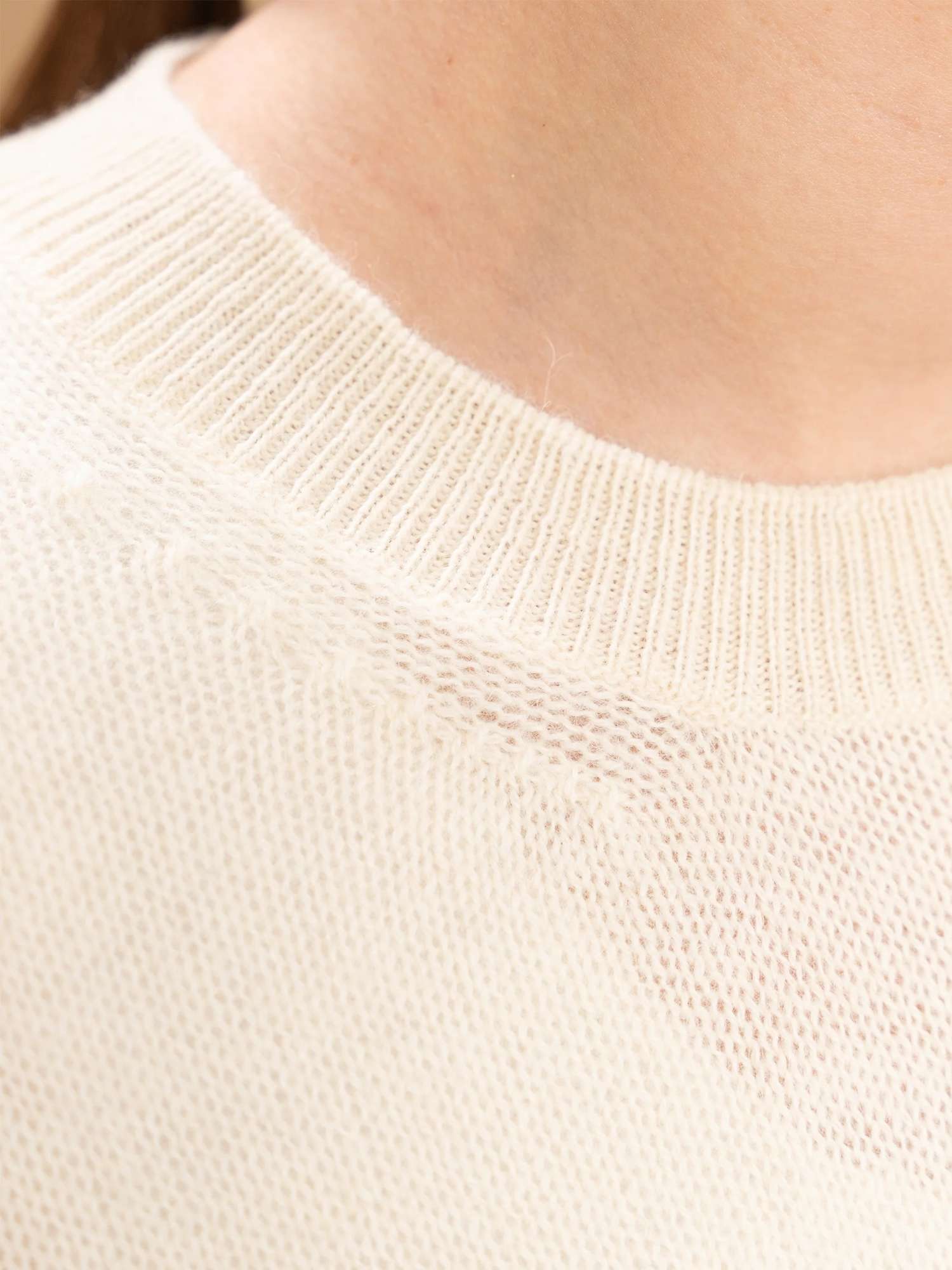
Pilling is normal on any protein fibre — alpaca, cashmere, merino. It happens where fabric rubs against fabric at friction points: under the arms, at the cuffs and at the hem where a bag strap or jacket sits. Baby alpaca pills less than standard alpaca or wool because the finer fibre is less likely to tangle, but some pilling is inevitable with regular wear.
A fabric comb — also called a cashmere comb or de-pilling comb — removes pills cleanly without pulling the underlying fibre. Use light, short strokes. Do not press hard or drag across the fabric. Five minutes with a comb leaves the garment looking new again. Do not use a razor or tape — both damage the surface.
A note on composition: always check your care label
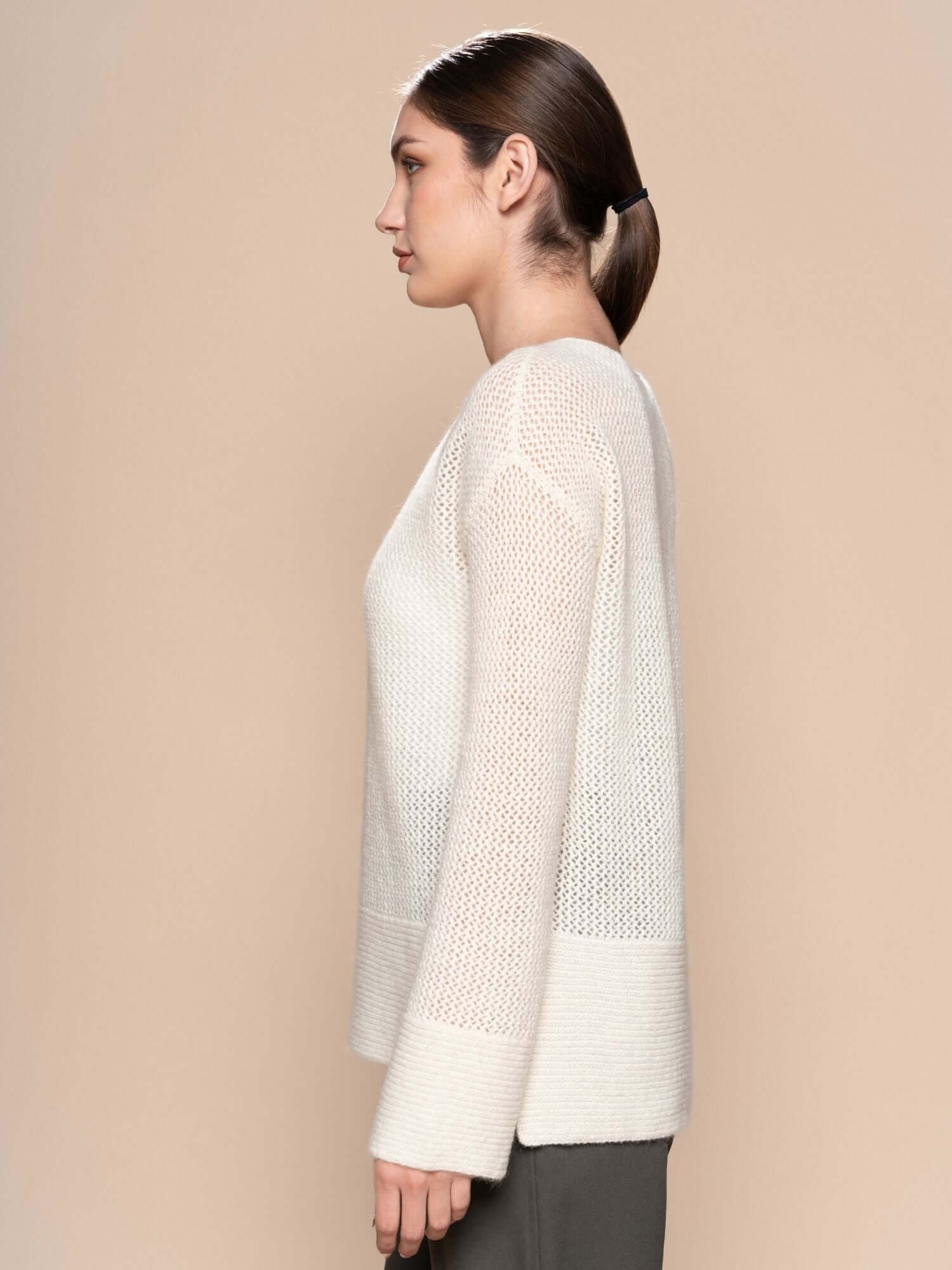
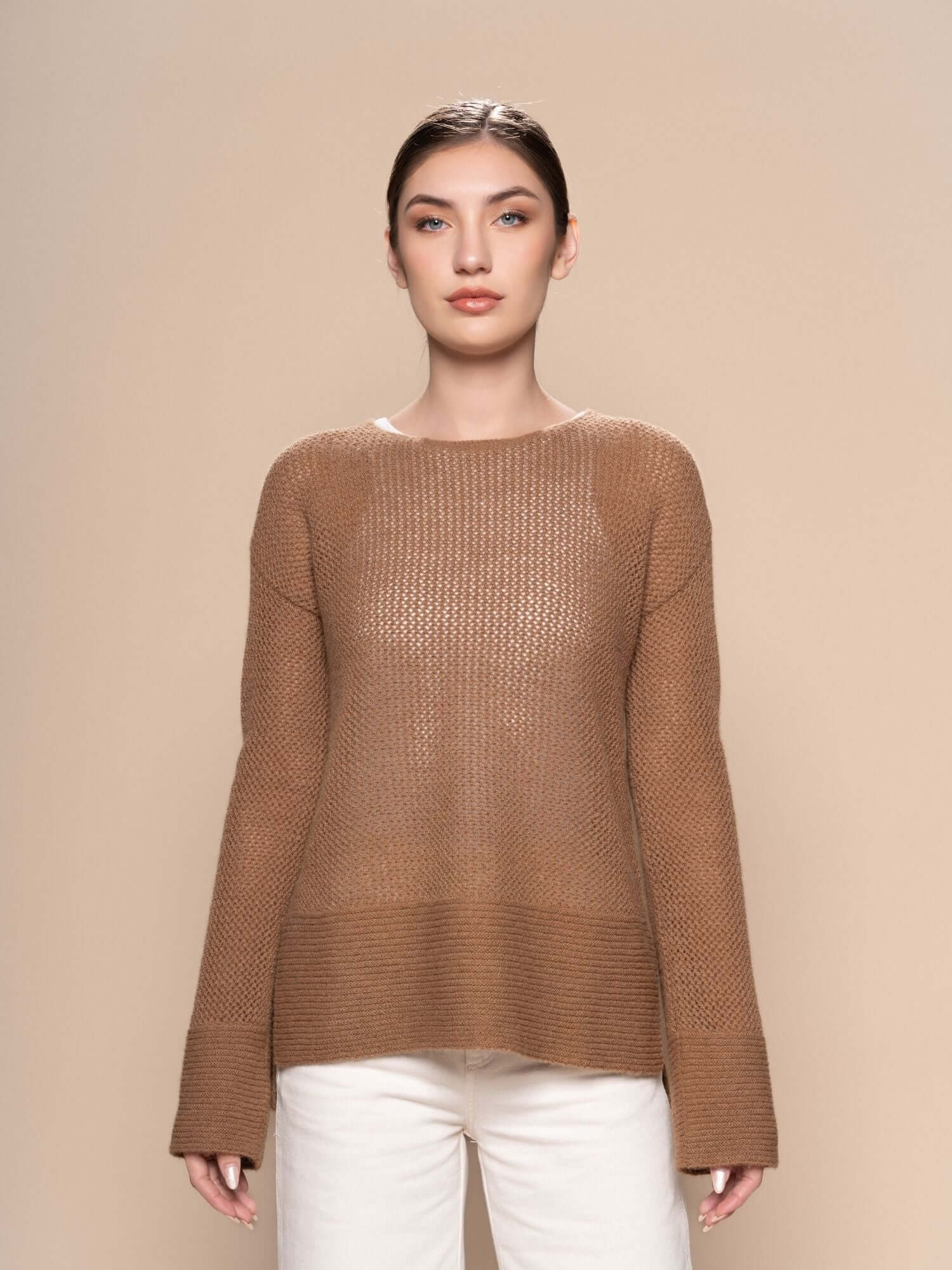
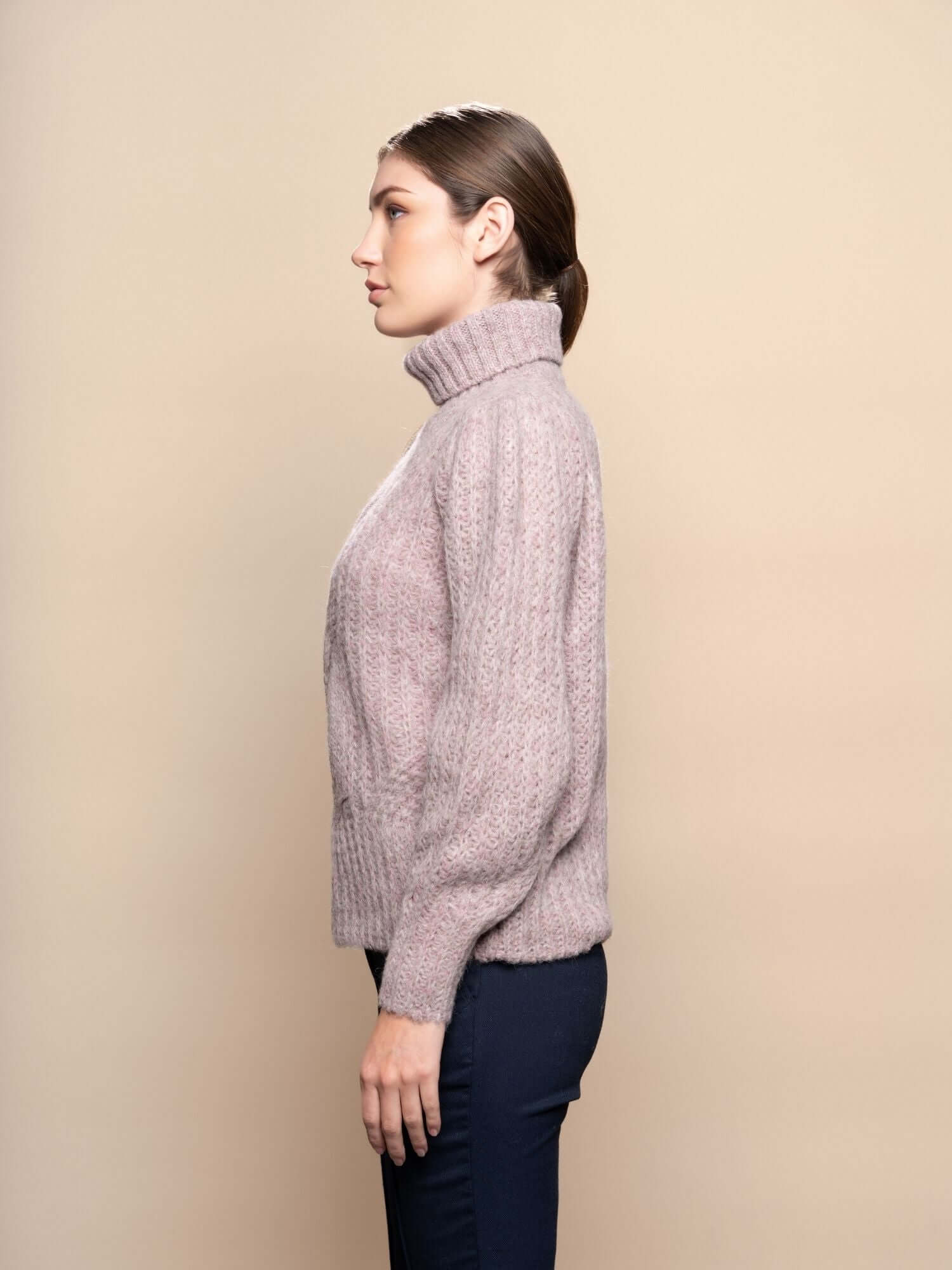
Not all Orange Inca knitwear is identical. The Turtleneck Jumper is 89% alpaca / 11% nylon — the nylon adds structure and durability to the rib. The care rule for garments does not change (dry clean), but it is worth knowing what your specific piece is made from. Your care label is the final word on your piece — it reflects the exact yarn used in that garment.
If you are ever unsure, follow the label, keep it away from heat, and ask us.
The short version
Air your jumpers, cardigans and coats between wears. Blot small marks. Dry clean about once a season, before you store them. Store them folded. Use a fabric comb for pilling. That is genuinely all it takes to keep a well-made alpaca garment in good condition for years.
For more on baby alpaca care — including small accessories and shawls — visit the baby alpaca care page. And if you have a shawl rather than a garment, read the shawl care guide.
Frequently asked questions
Can you wash a baby alpaca jumper in the washing machine?
No. The heat and agitation cause felting, which permanently locks the fibres together and distorts the garment. This cannot be undone. Always dry clean alpaca knitwear.
How often should you dry clean a baby alpaca jumper?
About once a season for regular wear. If you air it after every wear and blot small marks as they happen, once at the end of the season, before you store it, is usually enough.
What happens if an alpaca jumper gets rained on?
Lay it flat on a clean towel and reshape it while it is still wet. Keep it away from heat sources and let it air dry at room temperature. It will be fine.
Can baby alpaca knitwear go in the dryer?
No. Never tumble dry alpaca — the heat and tumbling will cause irreversible felting and shrinkage.
Why is my baby alpaca jumper pilling?
Pilling is normal. It happens at friction points where fabric rubs against fabric. A fabric or cashmere comb removes pills without damaging the underlying fibre.
How should I store baby alpaca knitwear at the end of the season?
Have it dry cleaned first — moths are drawn to pieces that have been worn and not cleaned. Then fold it and store flat, never hanging, in a breathable cotton bag or pillowcase, never plastic. Add cedar or lavender to deter moths.





Leave a comment
This site is protected by hCaptcha and the hCaptcha Privacy Policy and Terms of Service apply.