



How to Care for Your Baby Alpaca Shawl (and Why It Only Gets Better)

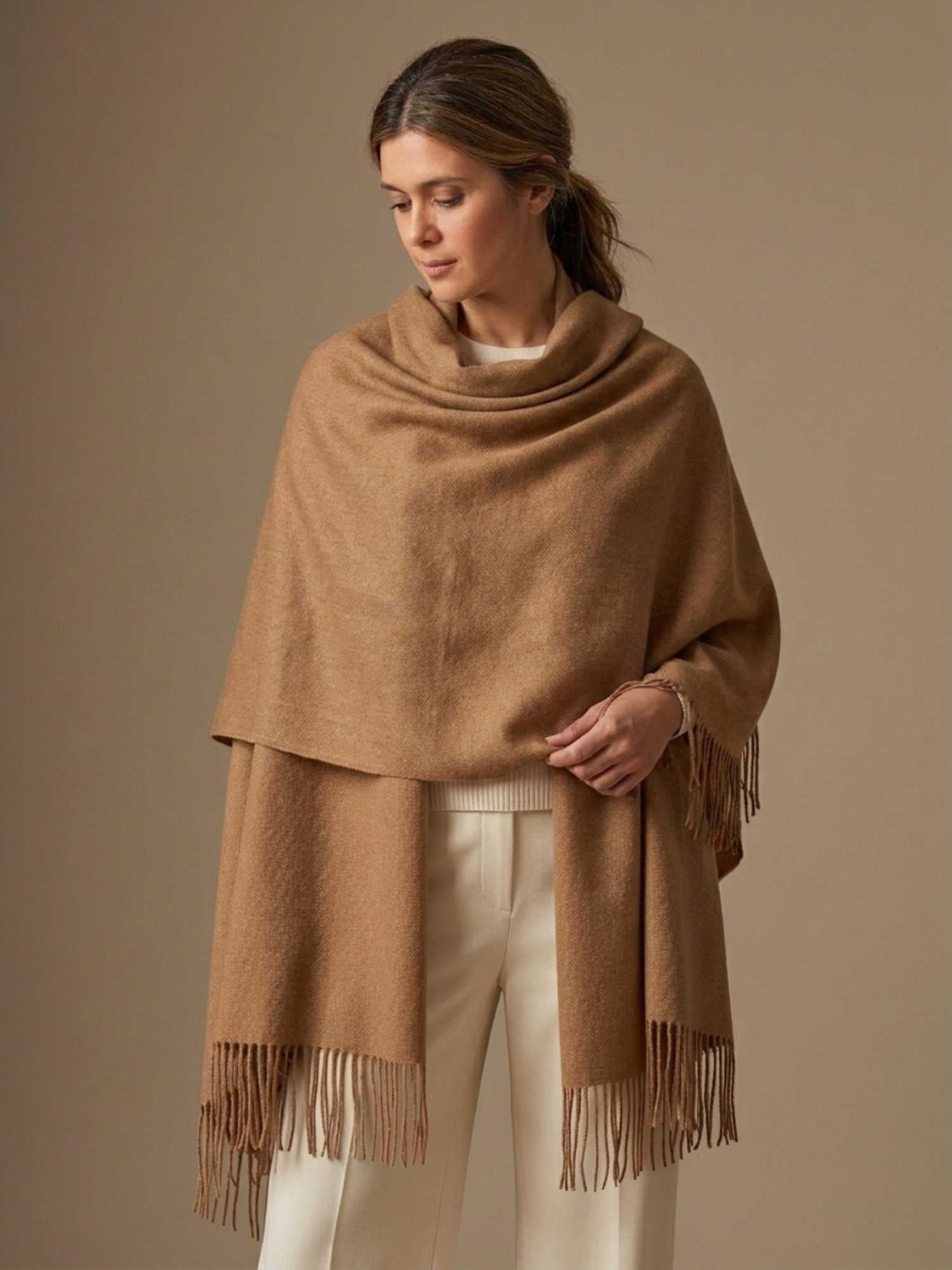
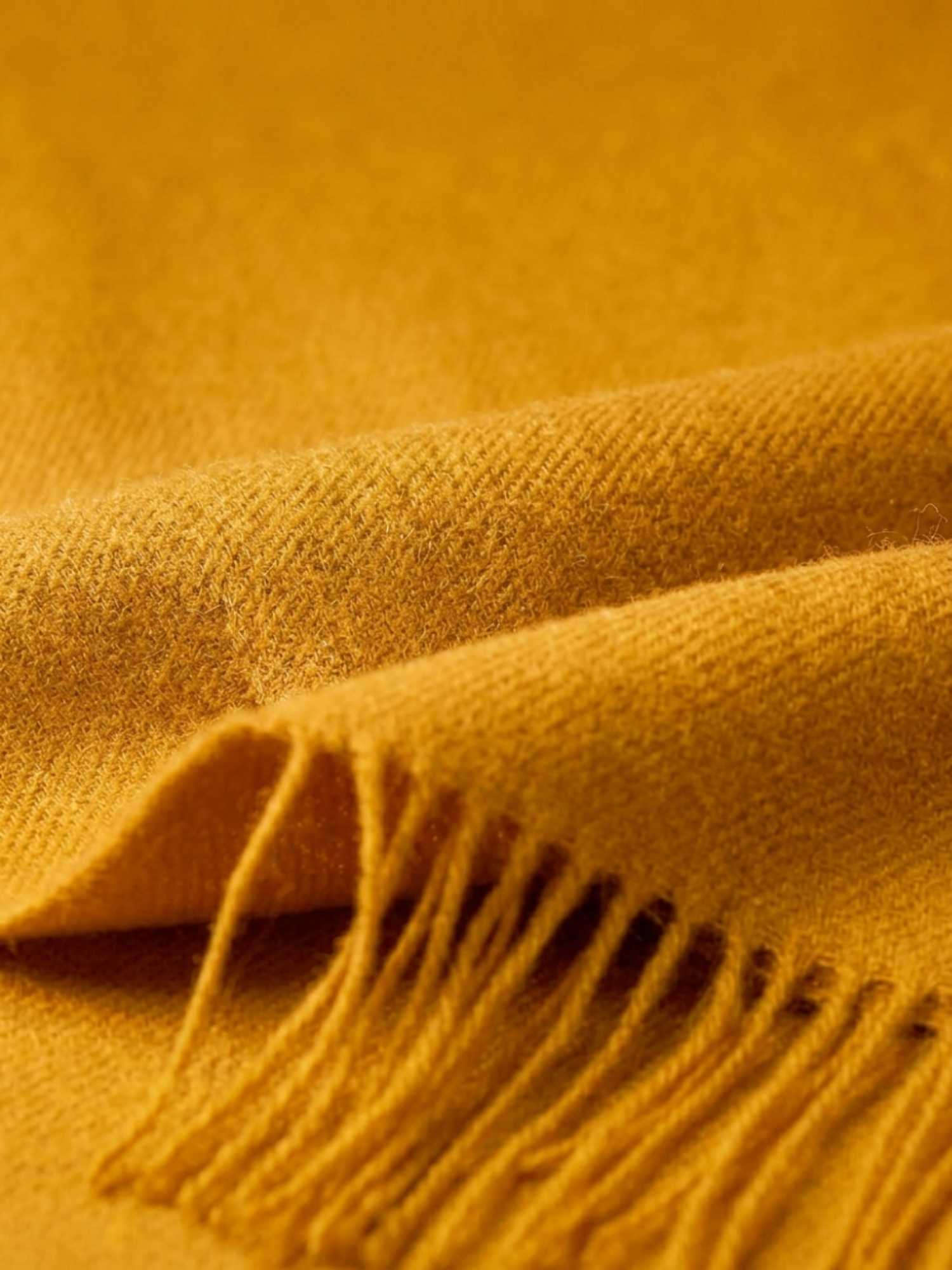
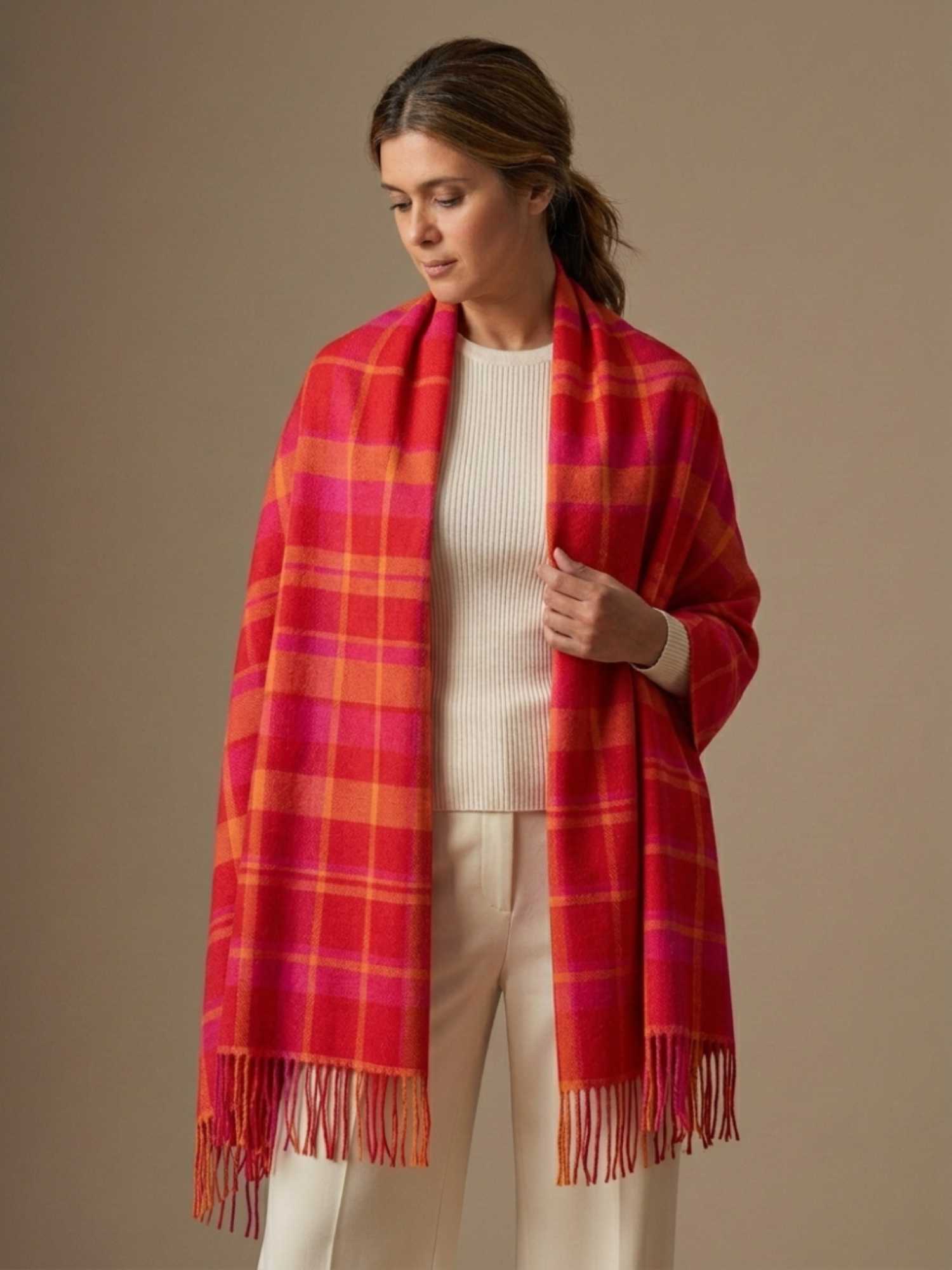
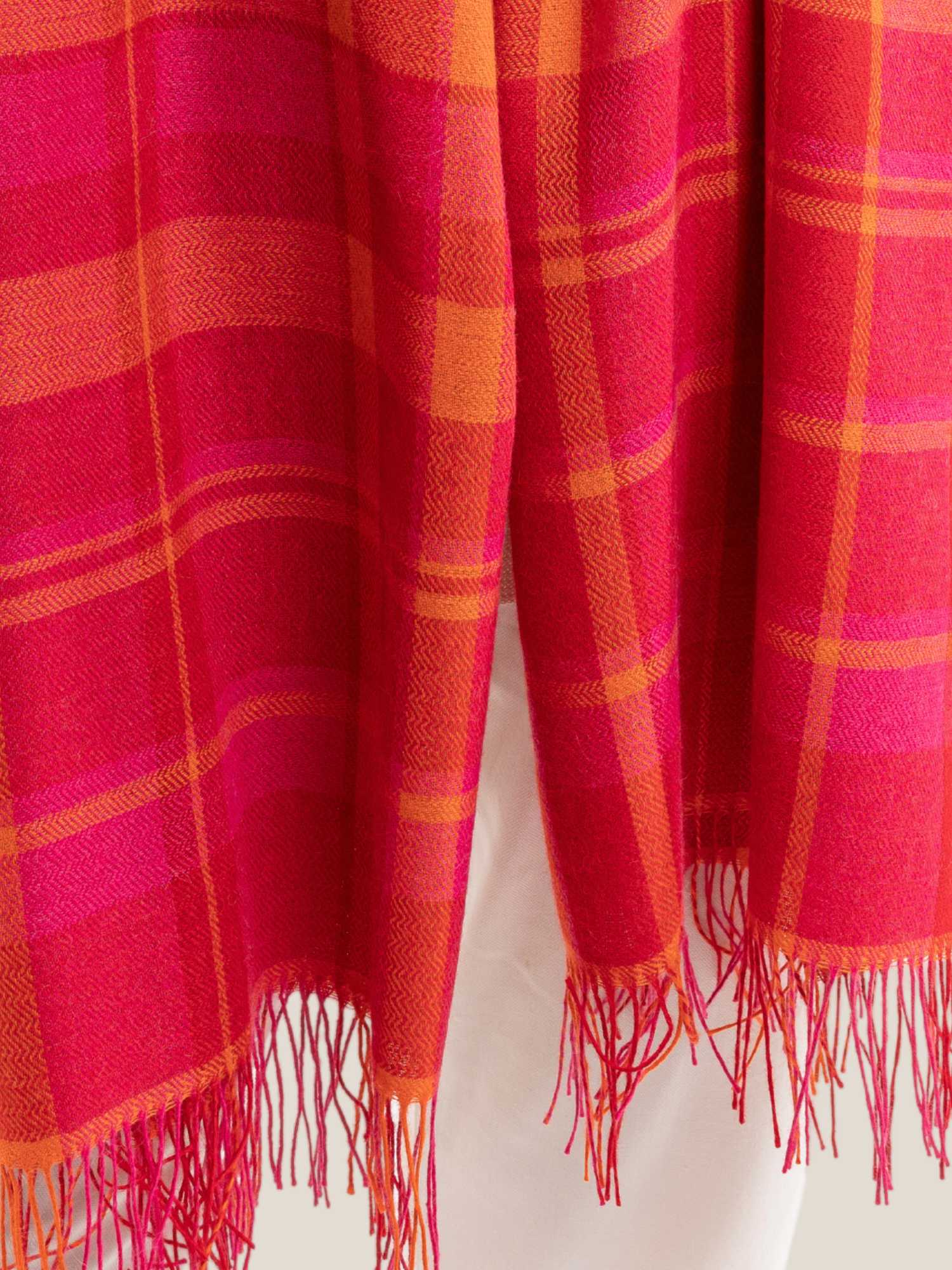
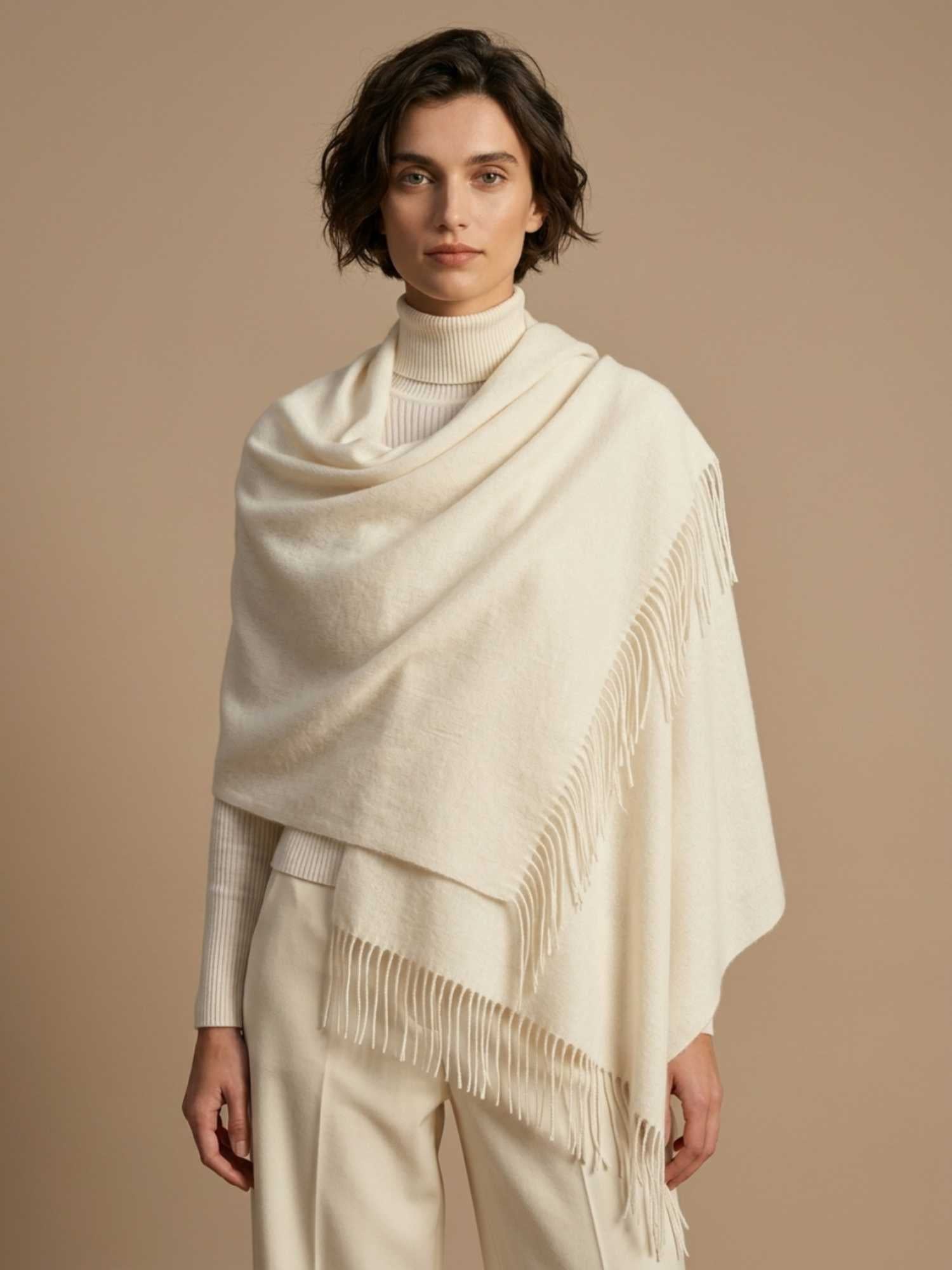
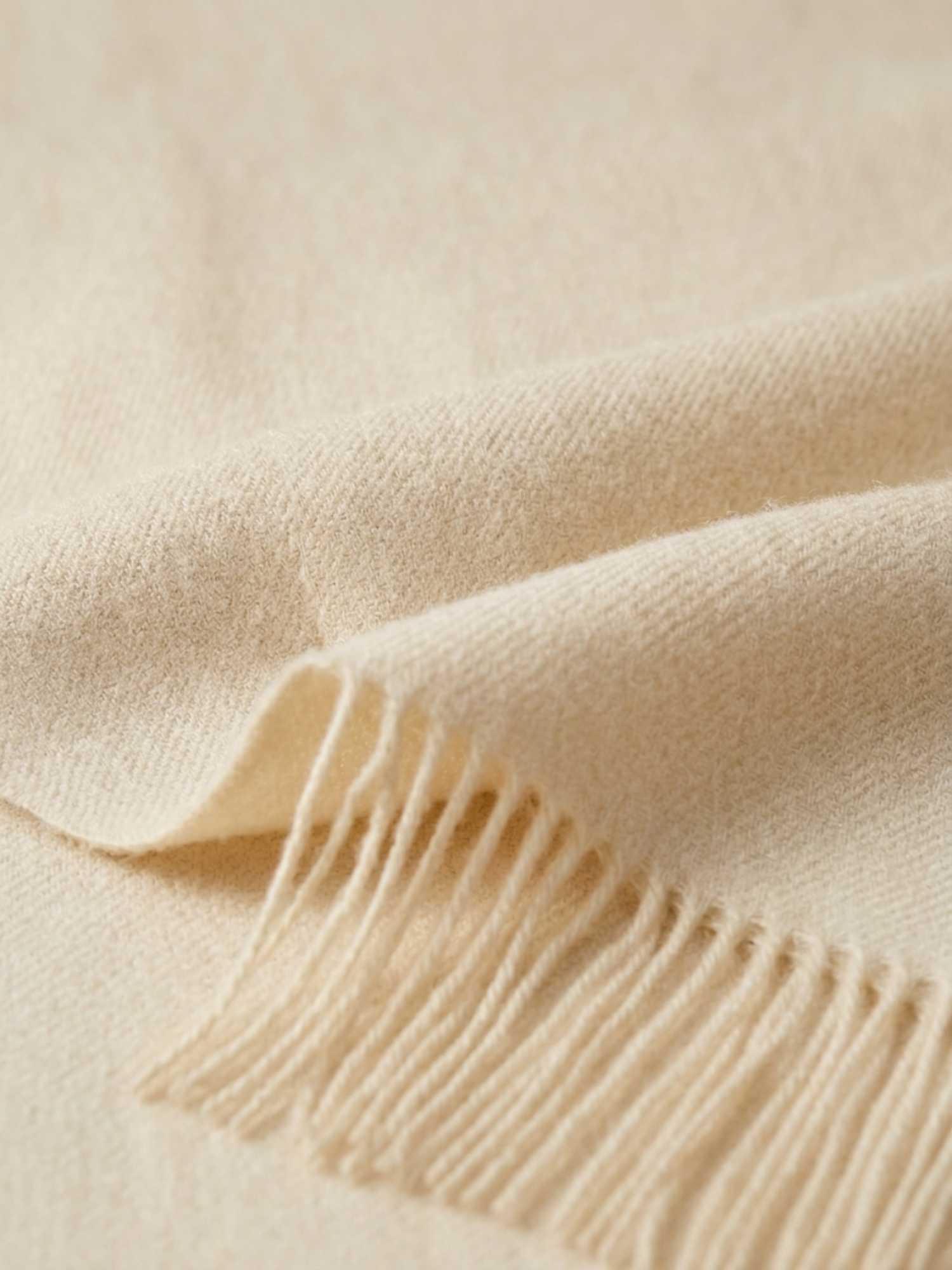
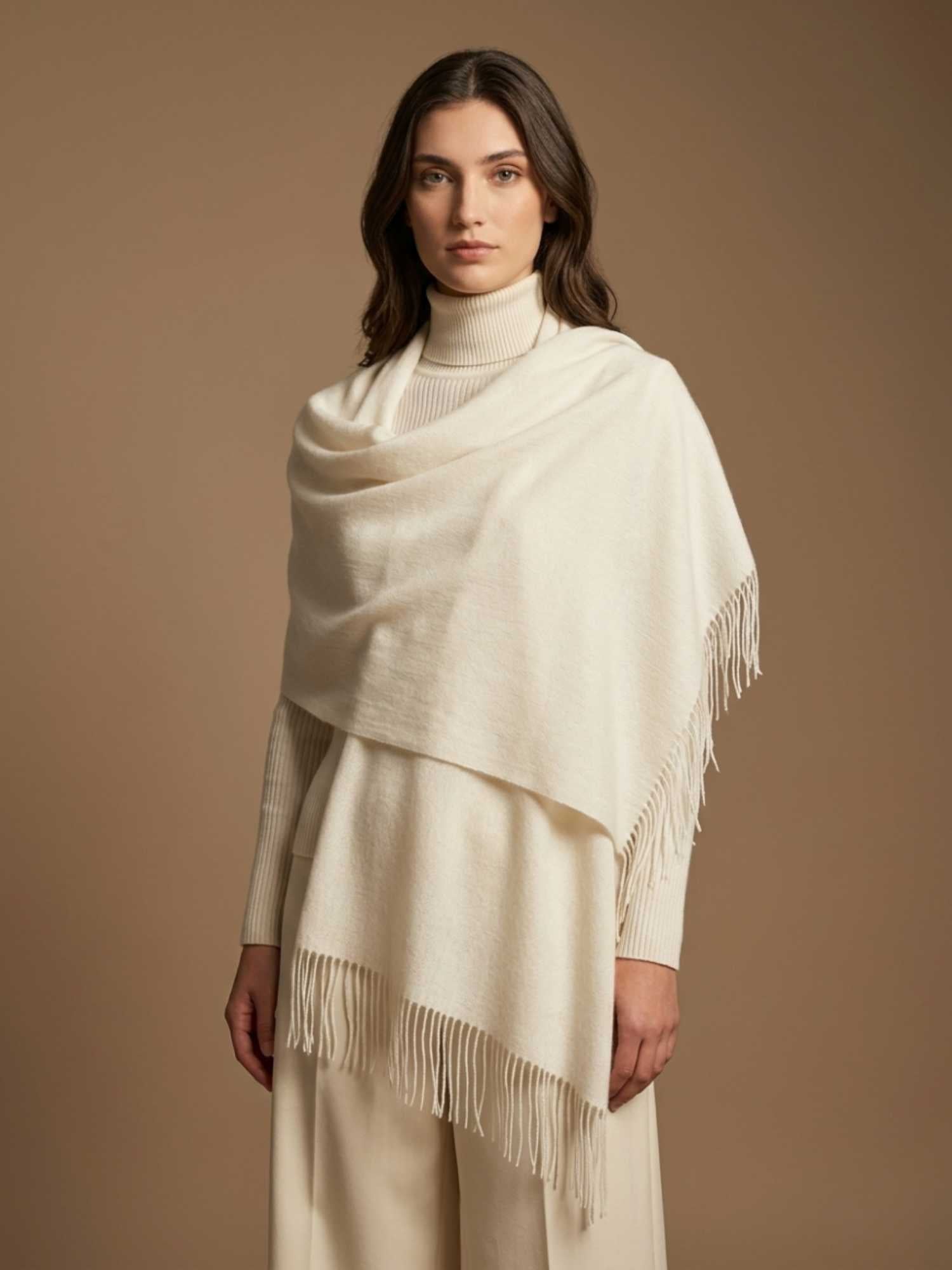
The first time it needs a clean, there's a moment of hesitation. It feels too good to risk. Softer than cashmere, lighter than you expect something this warm to be. You've had it for a week and it already feels like something you've owned for years.
Here's the reassuring part: baby alpaca is more forgiving than its reputation suggests. Wear it often, wash it rarely. Most of the time, airing it after you wear it is all it needs, and a proper clean comes round about once a season.
The goal isn't to protect it from use. The goal is to know what you're doing so you can wear it without thinking.
How often does it actually need washing?
Less often than you think. Alpaca has no lanolin, so it holds less dirt and smell than sheep's wool, and it doesn't need cleaning after every wear. After wearing, lay the shawl flat somewhere with airflow for a few hours, and give it a gentle brush with a soft clothing brush if it has picked up dust. That is usually all it needs.
When it does need a proper clean, follow the label and take it to a dry cleaner. For most people that's about once a season, ideally just before you put it away for the warmer months.
Small marks: blot, don't rub
For a small mark or a spill, act straight away, while it's still fresh. Blot it with a clean, damp cloth, working from the edges of the mark in so you don't spread it. Press and lift. Don't rub: rubbing spreads the mark and roughens the fibre.
Then let the shawl dry naturally, lying flat. Leave household stain removers in the cupboard. If a mark won't lift, take the shawl to a dry cleaner and show them exactly where it is.
When it really needs a clean: follow the label
The care label sewn into your shawl says dry clean, and that's what we recommend. A dry cleaner who handles fine knitwear will treat it well, and you hand over the whole job.
It sounds like more of a commitment than it is. You'll rarely need it. Air it, blot the odd mark, and plan one trip to the dry cleaner a season, ideally before you store it. That timing matters: moths are drawn to pieces that have been worn and not cleaned, so a clean shawl goes into storage safer.
Some of our pieces are blends, so whatever you own, the label on your piece is the one to follow.
Why never the machine
A washing machine is the one thing that reliably ruins alpaca. Heat, water and movement together make the fibres felt: they lock together, the weave tightens, the piece shrinks, and the surface goes from soft and slightly napped to dense and matted. It won't recover. It isn't always a dramatic one-cycle disaster, but it is irreversible, and it can happen faster than you'd expect. Cool, gentle settings reduce the heat but keep the movement, and movement is what does the damage.
The tumble dryer does the same thing faster. Never machine wash your shawl, and never tumble dry it.
What to avoid
Three things that actually damage baby alpaca:
Heat and movement. The washing machine and the tumble dryer. Together they felt the fibre, and the damage is permanent.
Rubbing a mark. It spreads the mark and roughens the surface. Blot instead.
Household stain removers. Many are made for cotton and synthetics and can mark or weaken a protein fibre. For anything a damp cloth won't lift, let a dry cleaner deal with it.
If it gets damp

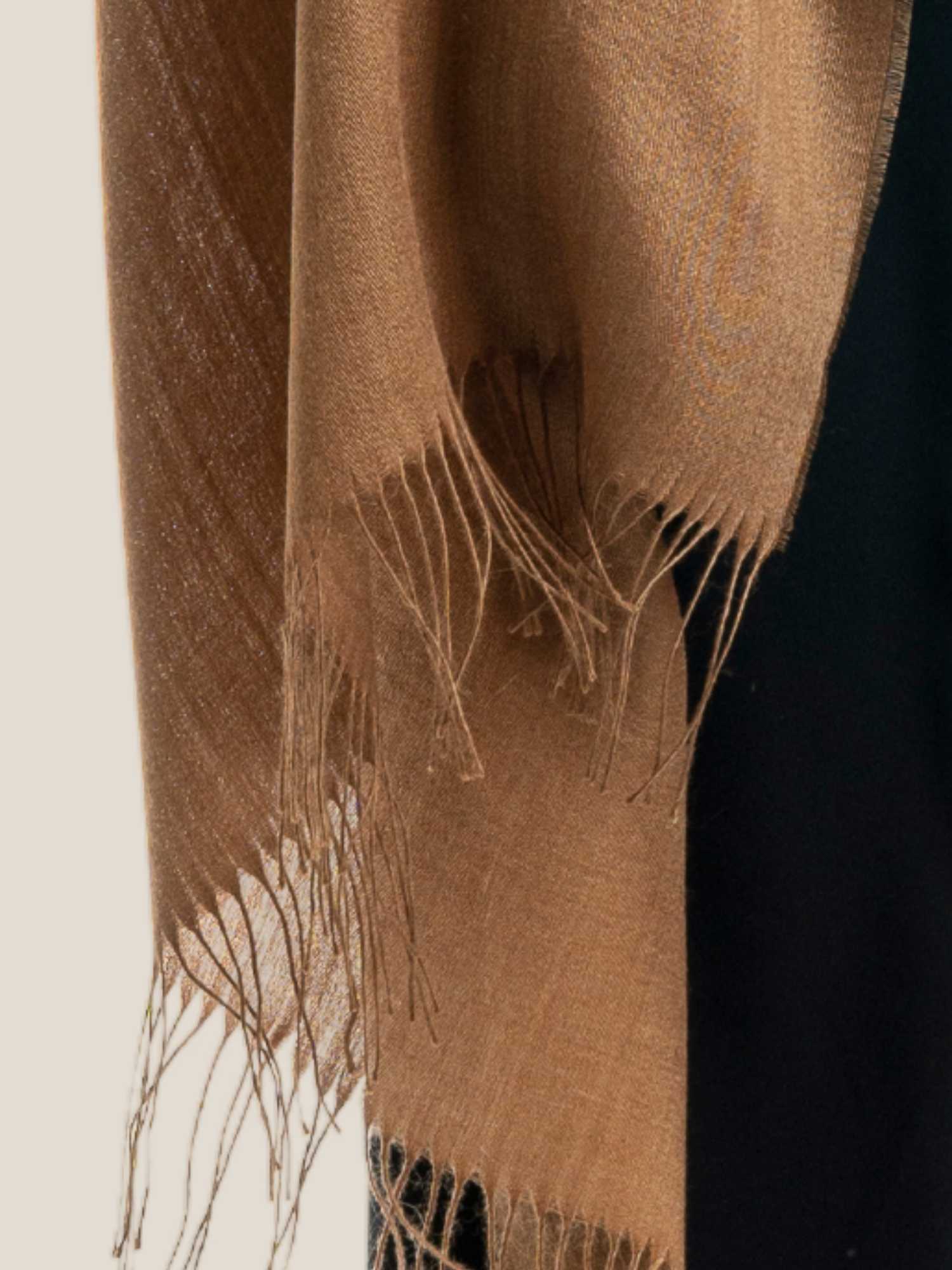
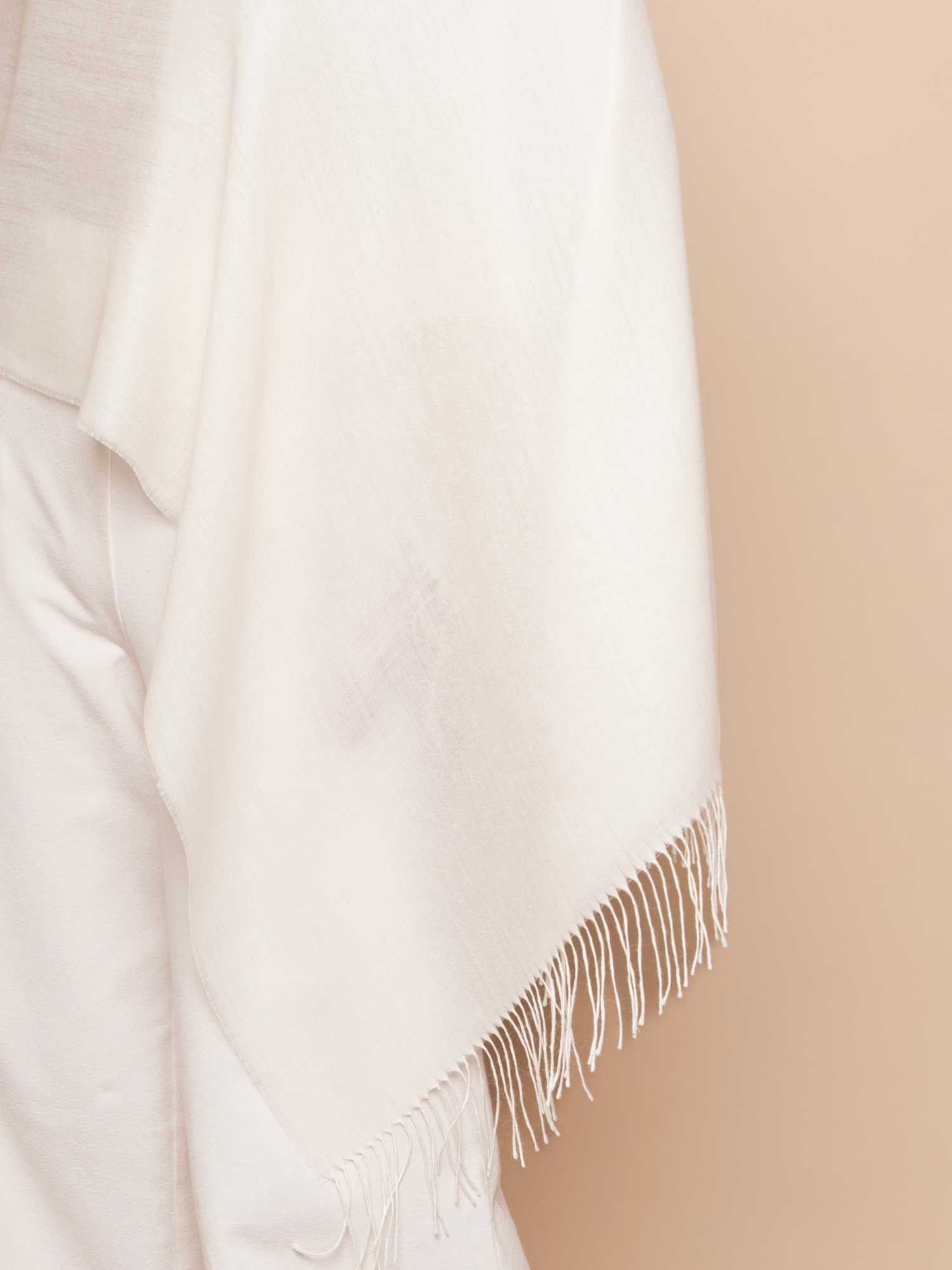
Caught in the rain, or a little damp after blotting a mark? Lay the shawl flat on a clean, dry towel. Ease the corners back into place and straighten the fringe while it's damp, when it's most cooperative. Then leave it somewhere with airflow, away from direct sun or heat. A cool room, not a radiator, not a sunny windowsill.
Don't hang it while it's damp. Wet alpaca is heavier than it looks, and its own weight can pull it out of shape.
How to store it so it stays good

Fold it rather than hang it. Hanging a heavy knit or woven piece on a peg puts strain on one point of the fabric; over time it stretches. Fold it loosely and store it flat.
If you're storing it for the season, have it cleaned first, then keep it in a cotton bag or pillowcase. Never in plastic: plastic traps moisture against the fibre, which can lead to mould. Add a cedar block or lavender sachet nearby; moths are drawn to natural fibres, and baby alpaca is exactly what they're looking for.
If a small area of pilling does develop with wear — usually at points of friction, like under a bag strap — a fabric comb or cashmere comb used lightly will take care of it. This is normal and doesn't indicate anything is wrong with the quality.
Why it gets better

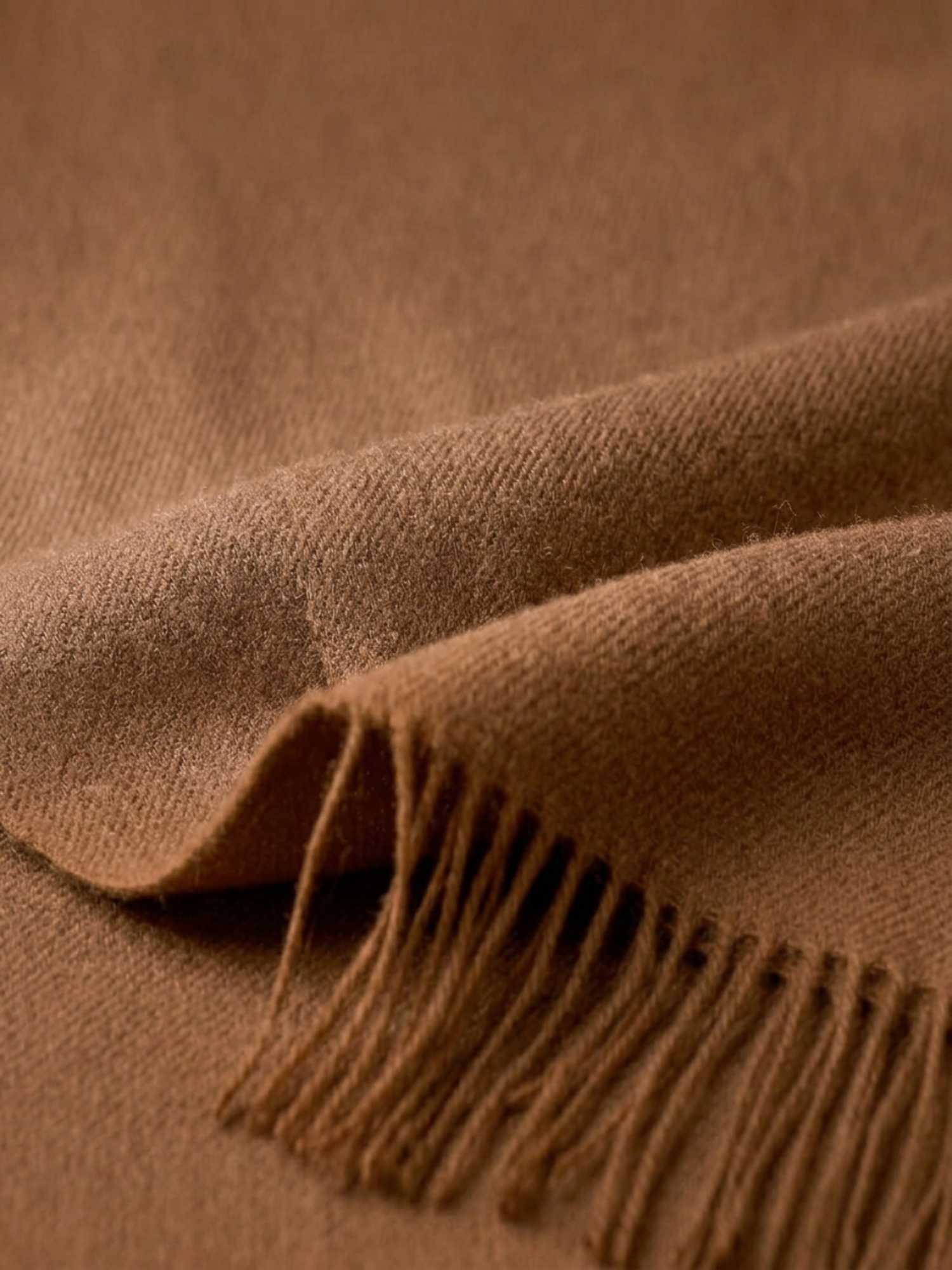
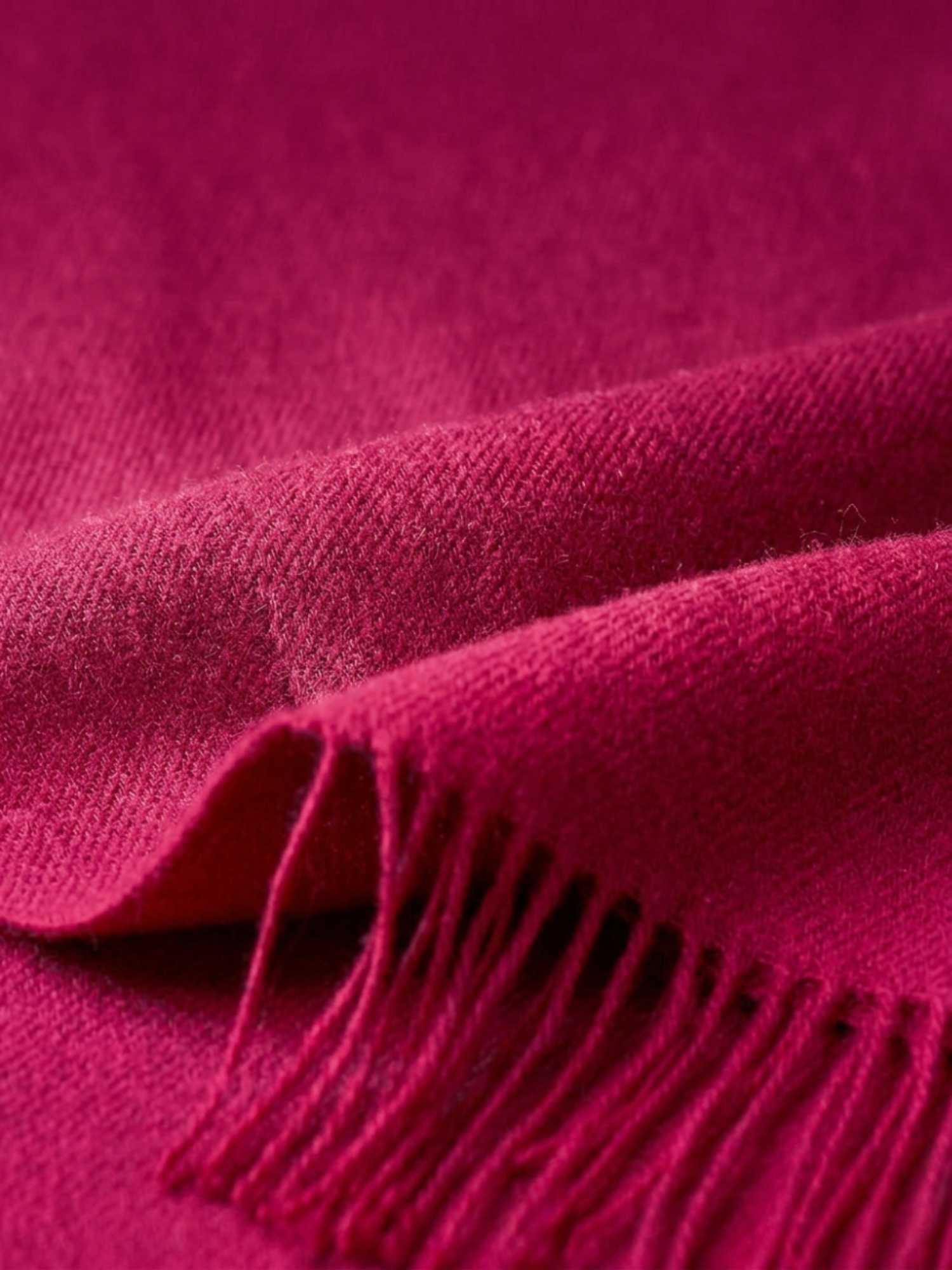
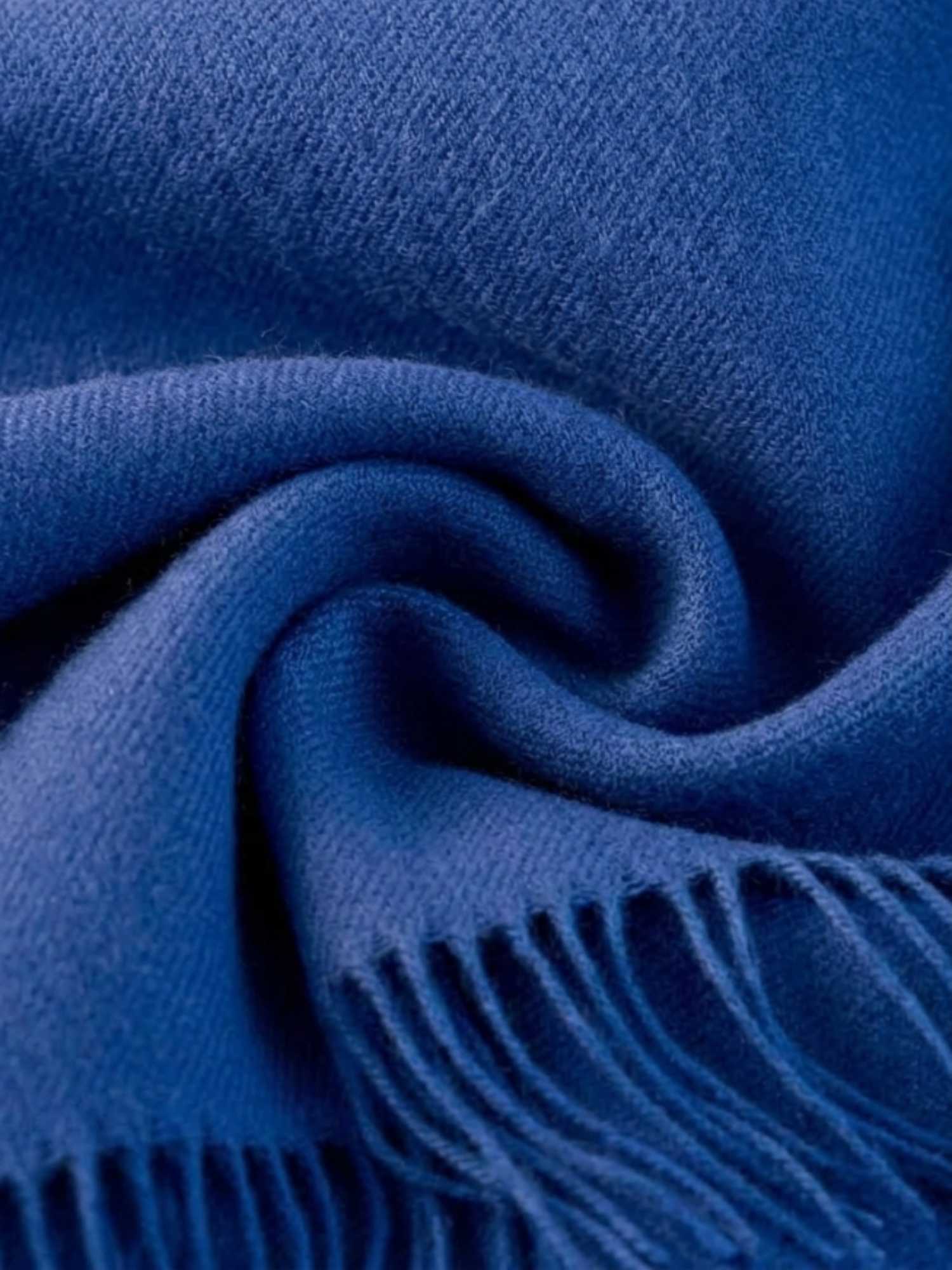
The thing about baby alpaca that takes people by surprise is that it doesn't wear out the way other fibres do. It softens. The fibres are naturally fine — finer than adult alpaca, and in a different category from regular wool entirely — and gentle, regular wear encourages that softness rather than diminishing it.
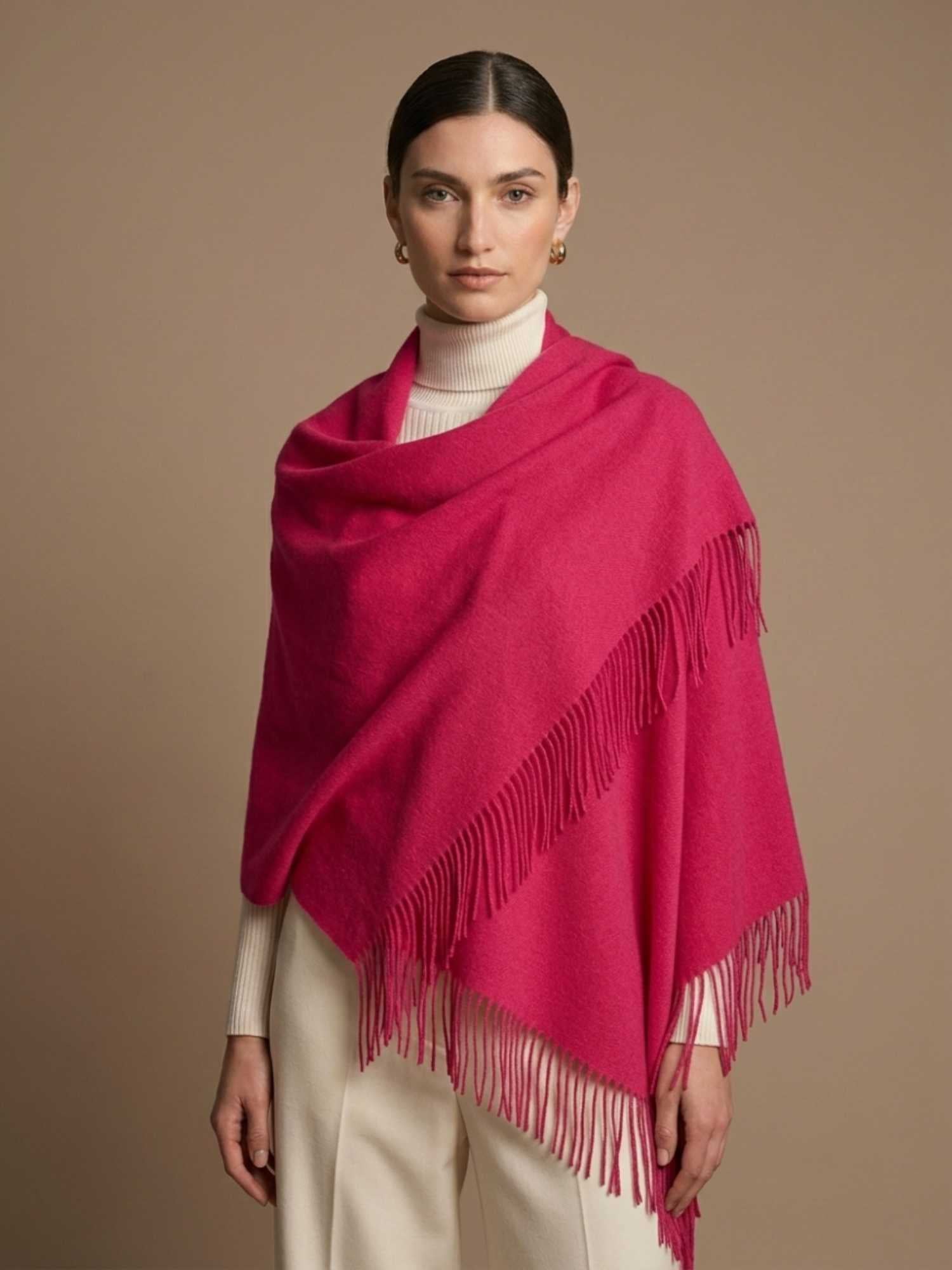
A shawl that's been worn and looked after for two winters looks more beautiful than a new one. The colour settles. The hand deepens. It becomes the kind of thing that gets noticed — not because it looks new, but because it looks right.
That's not marketing. It's just what happens to baby alpaca when you treat it well.
For a deeper look at what makes baby alpaca different from other fibres, including how it's harvested and why the first shearing matters, read The Ultimate Guide to Baby Alpaca Wool.
The quick-reference care instructions for all our alpaca pieces are also on the baby alpaca care page.




Leave a comment
This site is protected by hCaptcha and the hCaptcha Privacy Policy and Terms of Service apply.