



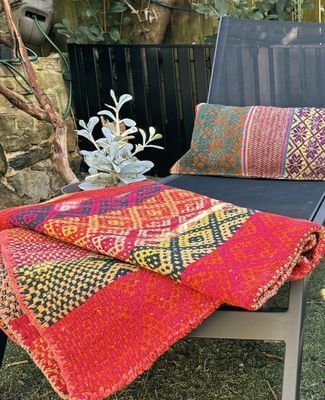


Natural Fibres & Humidity Care
How to Care for Natural Fibres in Humid Environments
Many Orange Inca pieces are made using natural materials such as junco reed, alpaca, wool and other plant or animal fibres.
Natural fibres are breathable, durable and beautiful, but they can also react to environmental conditions such as humidity.
Understanding how natural fibres behave will help you protect your pieces and keep them looking their best for many years.
Why Natural Fibres React to Humidity
Unlike synthetic materials, natural fibres can absorb small amounts of moisture from the air.
In humid environments, this is completely normal. However, when moisture is trapped for long periods without airflow, natural fibres may develop odours or, in rare cases, surface mould.
This does not mean the product is defective — it simply reflects the natural behaviour of organic materials.
How to Prevent Moisture Issues
The best way to care for natural fibre products is to allow them to breathe.
Store items in ventilated spaces rather than sealed plastic containers, and avoid placing them in damp areas such as basements or poorly ventilated wardrobes.
Occasionally airing your pieces in fresh air helps maintain the fibres and prevents moisture build-up.
Many Orange Inca products include small silica gel sachets. These help absorb excess moisture during storage and transport, particularly in humid climates.
Storage Tips for Humid Climates
If you live in a humid environment, a few simple precautions can make a significant difference.
Use breathable cotton dust bags rather than plastic storage bags.
Keep items in spaces with airflow and avoid compressing them tightly for long periods.
Silica gel sachets, cedar wood blocks or lavender sachets can help create a healthier storage environment for natural fibres.
If Surface Mould Appears
Occasionally, natural fibres may develop small surface mould spots if exposed to prolonged humidity without ventilation.
On junco reed bags, this can usually be addressed by gently brushing the affected area and wiping with a soft cloth lightly dampened with white vinegar. Vinegar is for junco only: for alpaca, wool and frazada pieces, air the piece, brush it gently and take it to a specialist dry cleaner. For leather, see the leather care guide. After cleaning, allow the item to dry completely in fresh air before storing.
Frazadas: do not use vinegar or water to treat mould on a naturally dyed frazada. The natural plant dyes can react unpredictably with acidic solutions, and the flat weave structure absorbs moisture readily. If mould appears on a frazada, air it out in a dry, well-ventilated space and then take it to a specialist dry cleaner who works with naturally dyed wool textiles — specify that it is a handwoven piece with natural plant dyes. Do not attempt to treat it at home.
Regular airflow and dry storage usually prevent the issue from returning in all cases.
Frazadas and Humidity
Frazadas are flat-woven wool textiles. If a frazada feels slightly damp after use in a humid room, lay it flat in a dry, ventilated space and allow it to air out completely before rolling or putting it away. Do not roll or store a frazada that has absorbed moisture — rolling a damp textile traps the moisture inside the layers, which can lead to mould development over time.
For full care guidance on frazadas, including cleaning, spill treatment, and storage, see How to Care for Your Frazada.
Frequently Asked Questions
Are natural fibre products more sensitive to humidity?
Natural fibres can absorb moisture from the air, which is a normal characteristic of organic materials. Proper airflow and storage help maintain their condition.
What are the silica gel sachets included with my product?
Silica gel sachets help absorb moisture and protect natural fibres from excess humidity during storage and transport.
Is mould a product defect?
No. Mould occurs when natural fibres are exposed to prolonged humidity without ventilation. With proper care and airflow, natural fibre products remain durable and long-lasting.
Can humidity damage my product permanently?
In most cases, no. When addressed early, surface moisture or mould can usually be resolved with simple cleaning and proper drying. For frazadas, take to a professional wool cleaner rather than treating at home.
My frazada feels damp — what do I do?
Lay it flat in a dry, ventilated space and let it air out completely. Do not roll or fold it while damp. Once fully dry, it can be stored or put back in use. If mould has appeared, take it to a specialist dry cleaner and specify that it has natural plant dyes.
Still Have Questions?
If you ever have questions about caring for your Orange Inca pieces, feel free to contact us. We are always happy to help you keep your natural fibre products looking beautiful for many years.