




How to Care for Your Leather Bag
Seven sources. Seven different answers on how often to condition a leather bag. One month. Three months. Six months. Twelve months. Nobody explains why, and nobody resolves the spread — they just pick a number and move on.
The actual answer isn't a number. It's a test.
What is soft tumbled leather, and what does it change?
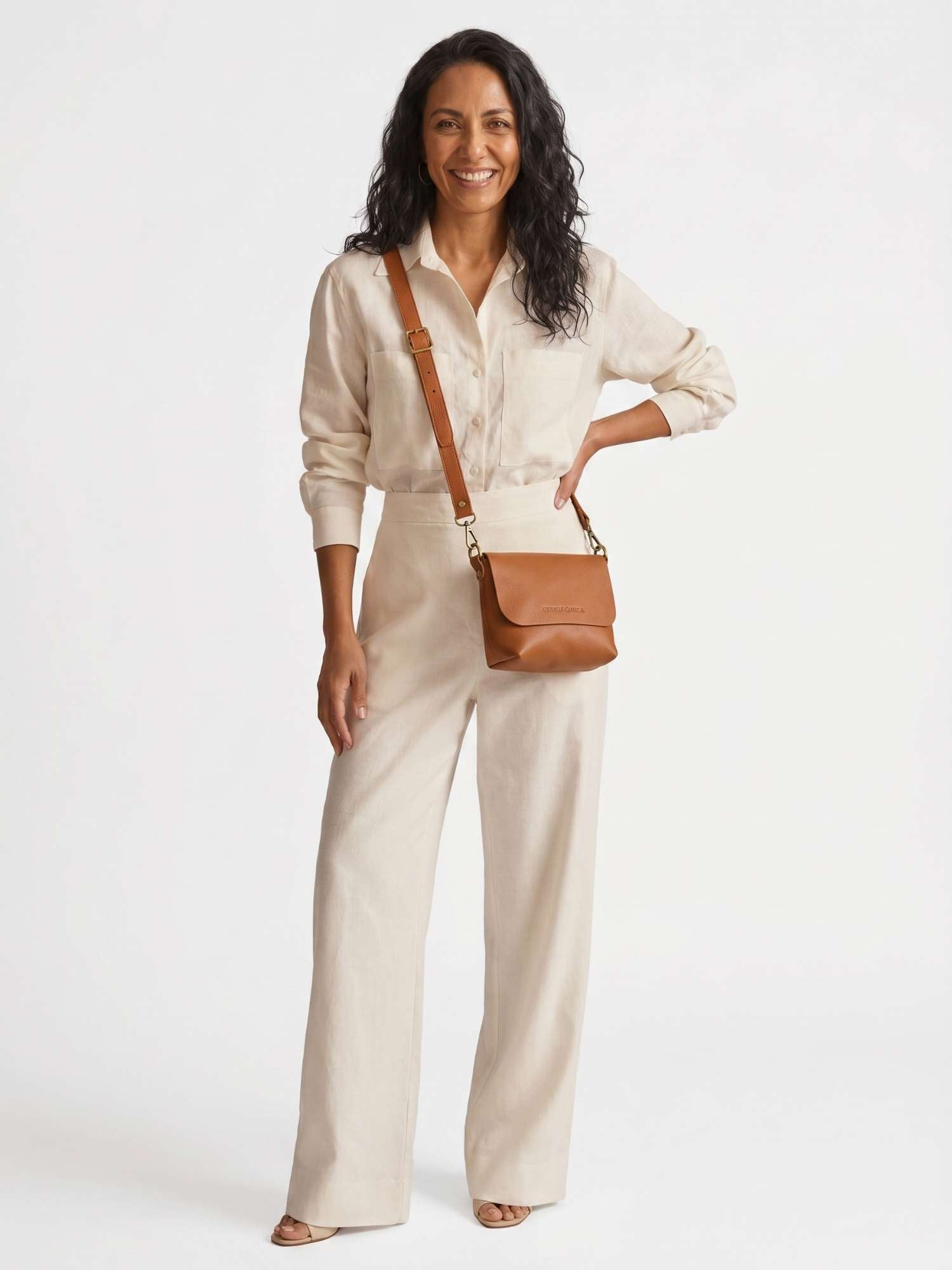
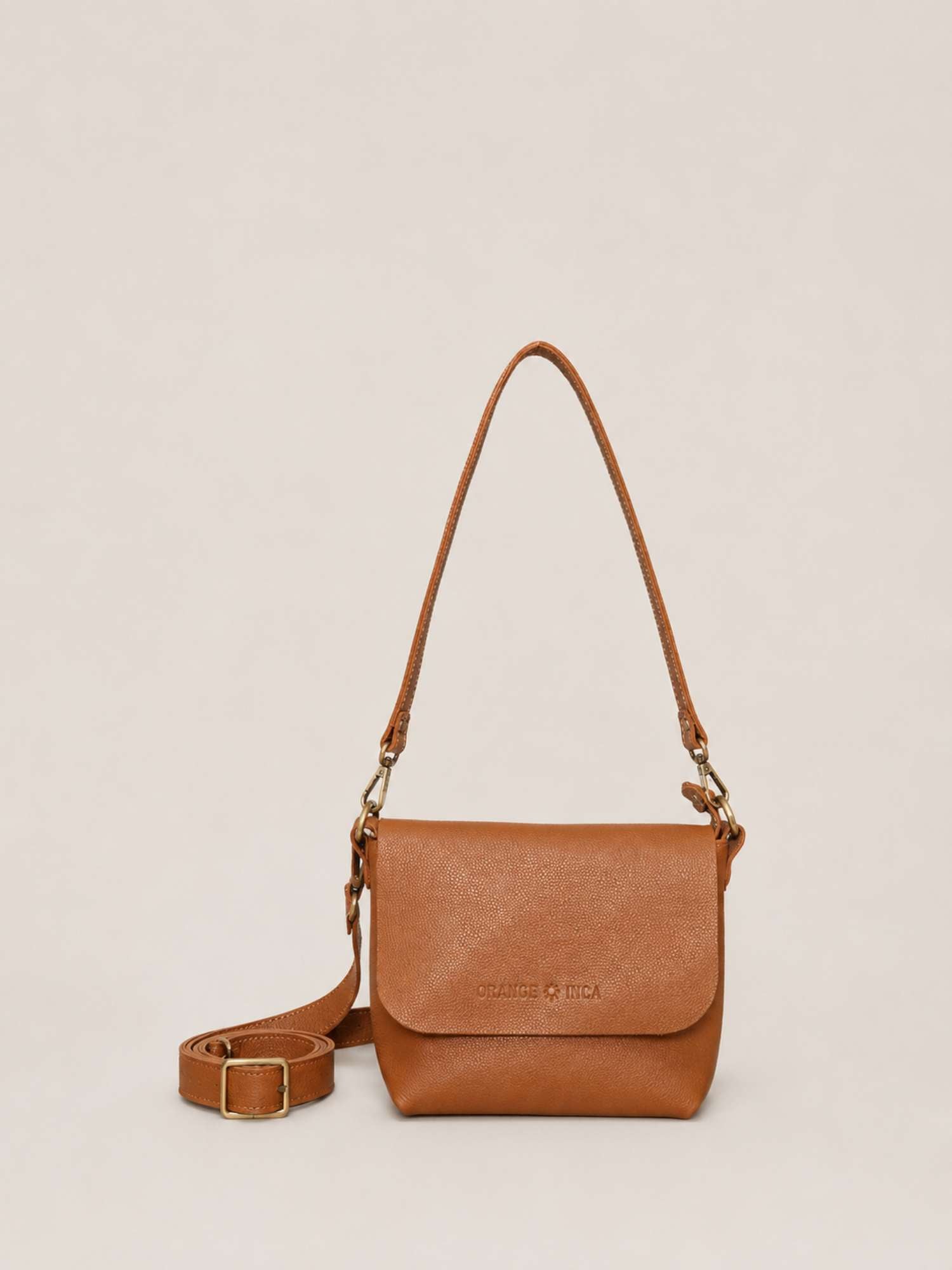
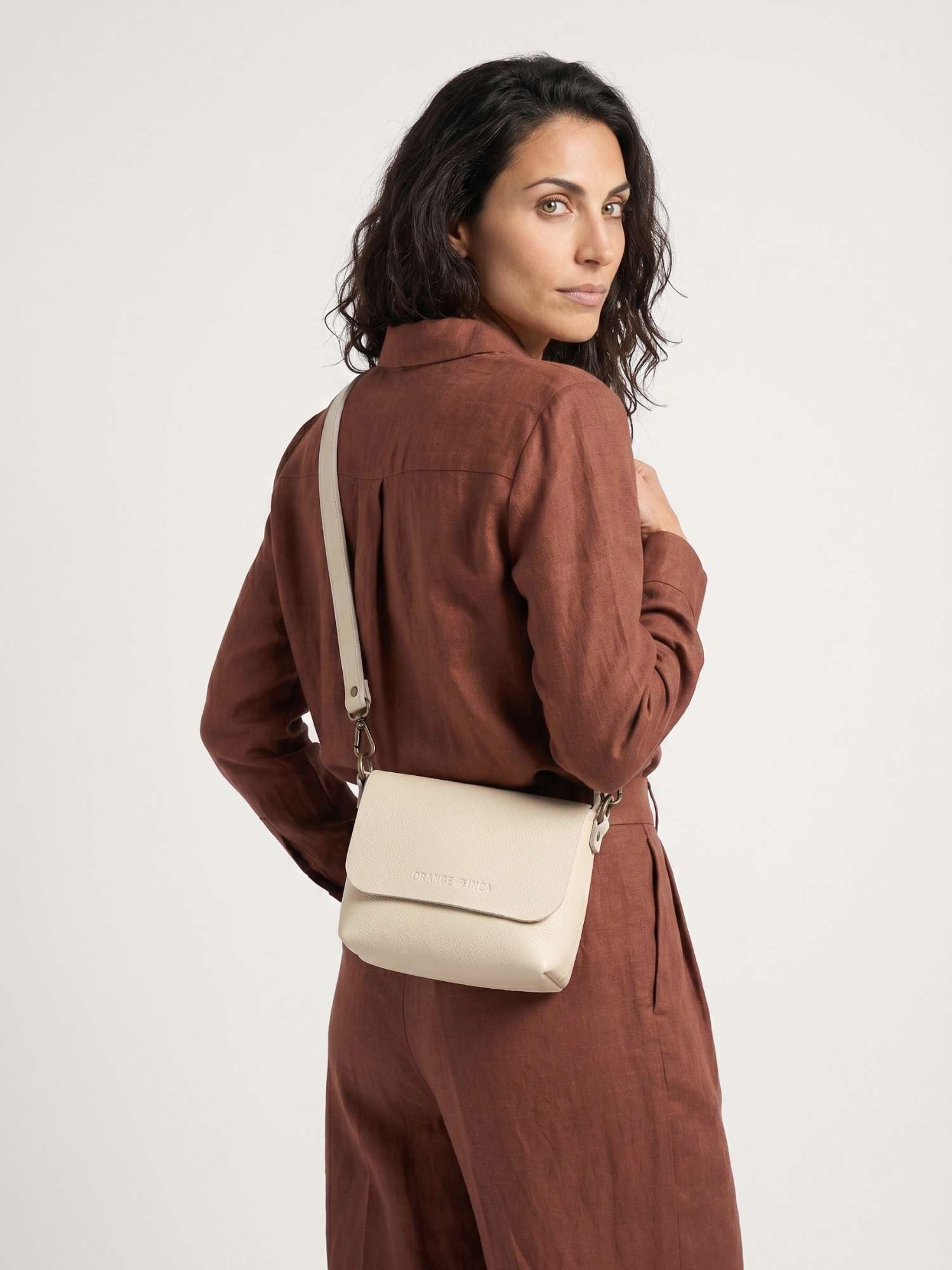
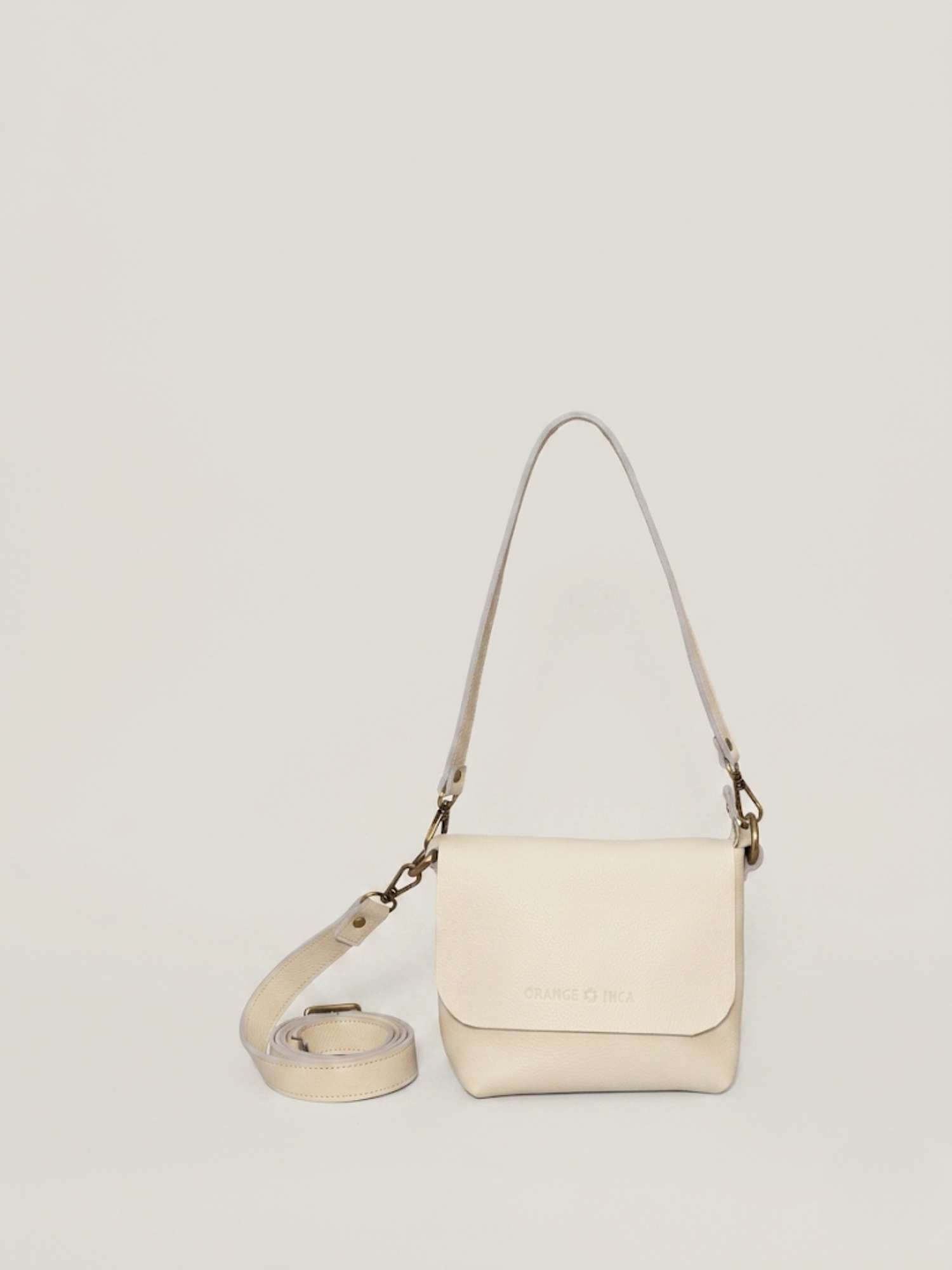
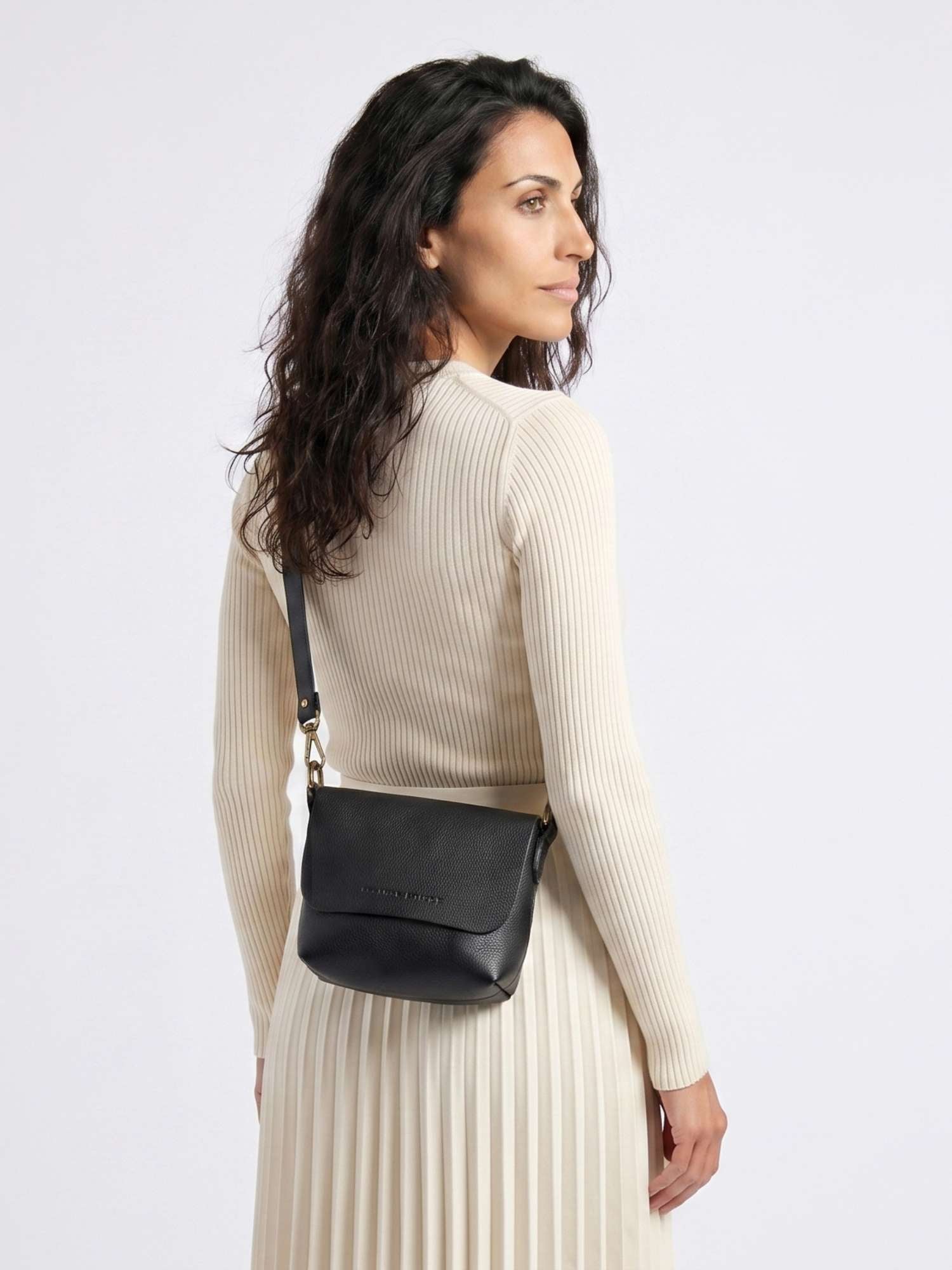
Soft tumbled leather — the type used in the Olivia — has been drum-tumbled during tanning to make it supple from the start. Most leather bags arrive stiff and soften with use; soft tumbled starts soft and gets better. It will also absorb conditioner quickly, which is one reason the most common mistake with this type is applying too much.
The grain structure is what makes good leather develop a patina rather than just wear. A scuff on most leathers looks like damage. On good leather, the same area deepens in tone over time. The corners of a well-carried leather bag look considered, not damaged. That's the material doing what it's designed to do.
How often should you condition a leather bag?
Most guides are wrong, and they're wrong for an understandable reason: they give you an interval when they should give you a test.
Condition the leather when it needs it — not because a calendar says to. A leather bag in regular use, in a typical climate, will need conditioning somewhere between two and four times a year. In drier conditions, during central-heated winters, or under heavy use — more often. In humid climates or light use — less.
The test takes ten seconds: flex the leather gently at a natural stress point — a base corner, the area around the strap hardware, the fold of the flap. If it moves easily and feels supple, it doesn't need conditioning. If it offers slightly more resistance than it used to, looks a little flat in diffuse light, or feels like it has less give at those points — that's the signal.
When you do condition, use a product formulated for smooth leather: colourless, no silicone, no heavy wax. Apply a small amount with a soft cloth, work it in gently, and remove any excess. Less is more.
Can you condition leather too often?
Yes. This is the more common mistake, and the guides recommending monthly conditioning are, for most bags in most climates, getting it wrong.
Leather conditioner replaces the natural oils the leather loses over time. Apply too much, too often, and the excess oil sits in the grain rather than being absorbed. It makes the surface slightly tacky, attracts dust, and — over time — softens the fibre structure the leather is built around. The result is leather that feels different from how it should: heavier, slightly sticky in warm weather, less structured. A good patina develops slowly; over-conditioning pushes it in the wrong direction.
The sign that a bag has been over-conditioned: a greasy feel to the surface, a tendency to pick up marks more readily than before, slight tackiness in warm weather. If this has happened, don't condition again for several months and allow the leather to rebalance naturally.
How do you tell if leather needs conditioner?
Three things to check, in order.
Look at it in diffuse light. Leather that needs conditioning looks slightly flatter, slightly dull — it loses the quiet depth of a well-maintained surface. Areas of heavy wear show it first: base corners, around the strap hardware, the fold of the flap.
Touch a stress point and flex gently. Leather that needs conditioning will feel stiffer than the rest of the bag, slightly resistant where it should move easily.
Check the colour at areas of friction. Leather that is genuinely drying out starts to look faded at the corners and base edges — the tone is noticeably lighter than the rest of the bag. That's a later-stage signal. Act on the first two before it gets there.

What happens if you don't condition leather?
Leather that isn't conditioned loses its suppleness gradually. It stiffens at flex points — the base corners first, then around the hardware attachments, then wherever the strap clips against the bag body. Eventually, if left unconditioned for years, it begins to crack at those stress points. The cracks start small and almost invisible, and they become permanent.
This process takes time. A well-made leather bag won't deteriorate in a season of neglect. But left without conditioning for years, it will dry out where it flexes most — and that's where it cracks before anywhere else.
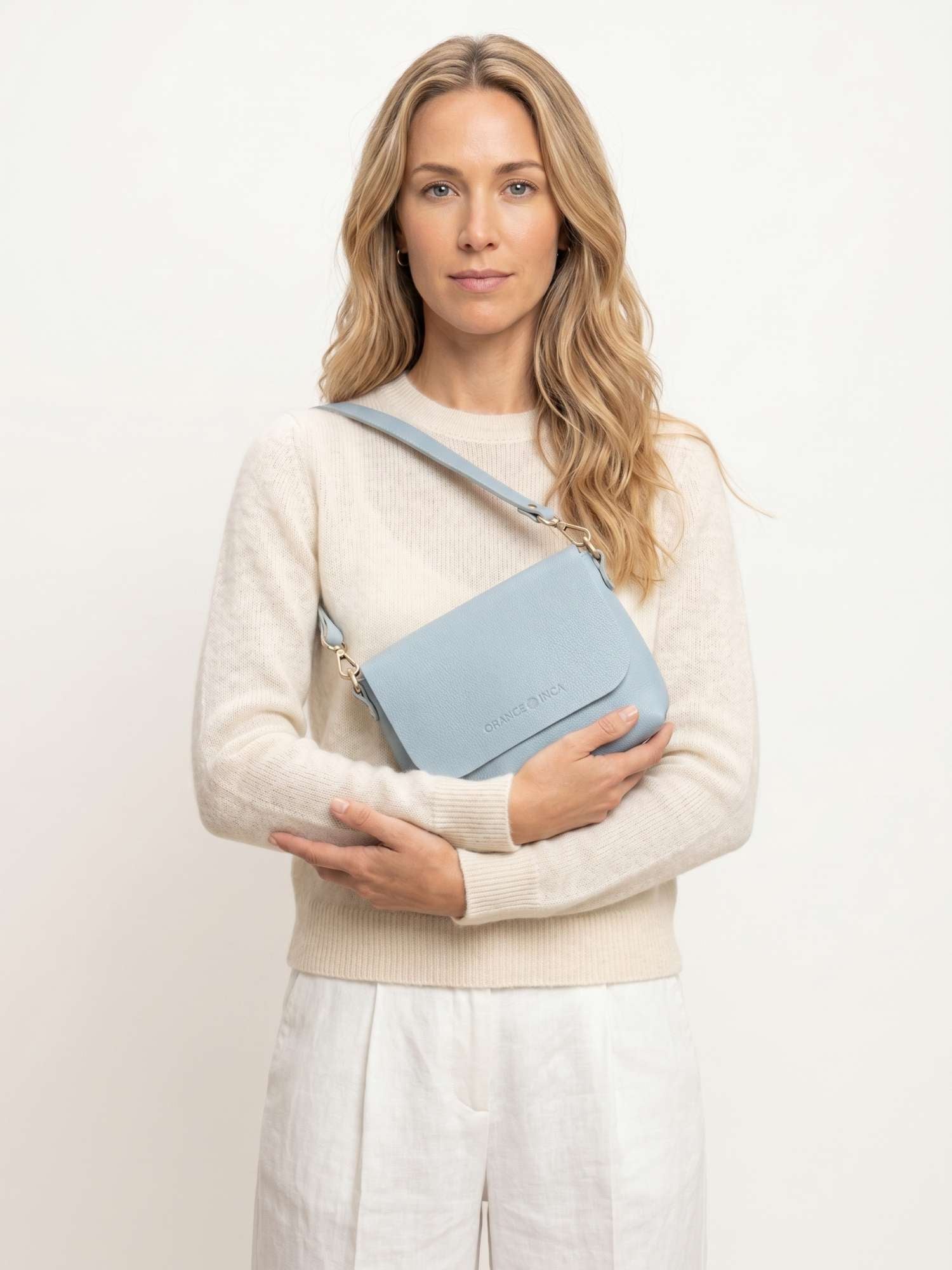
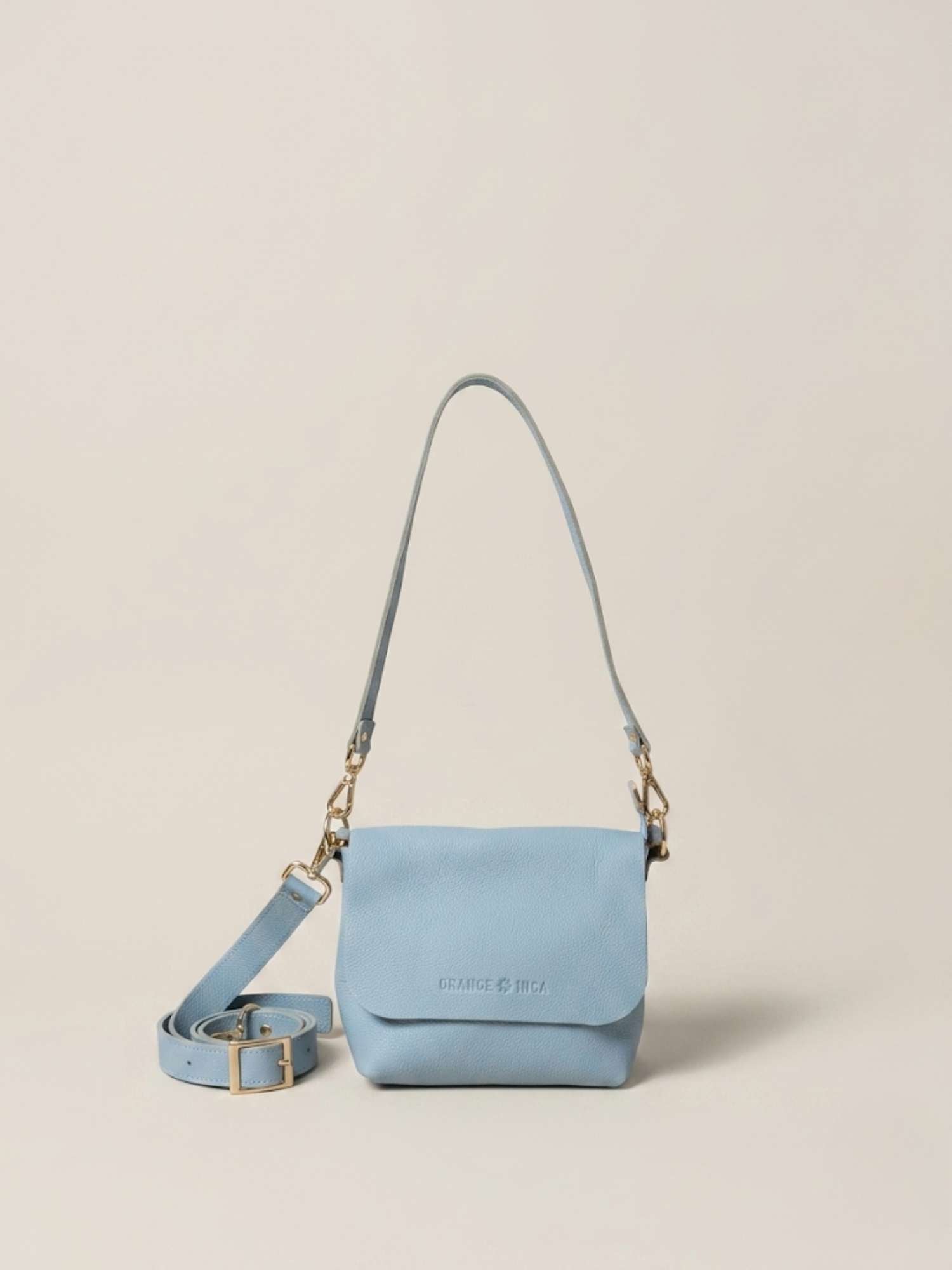
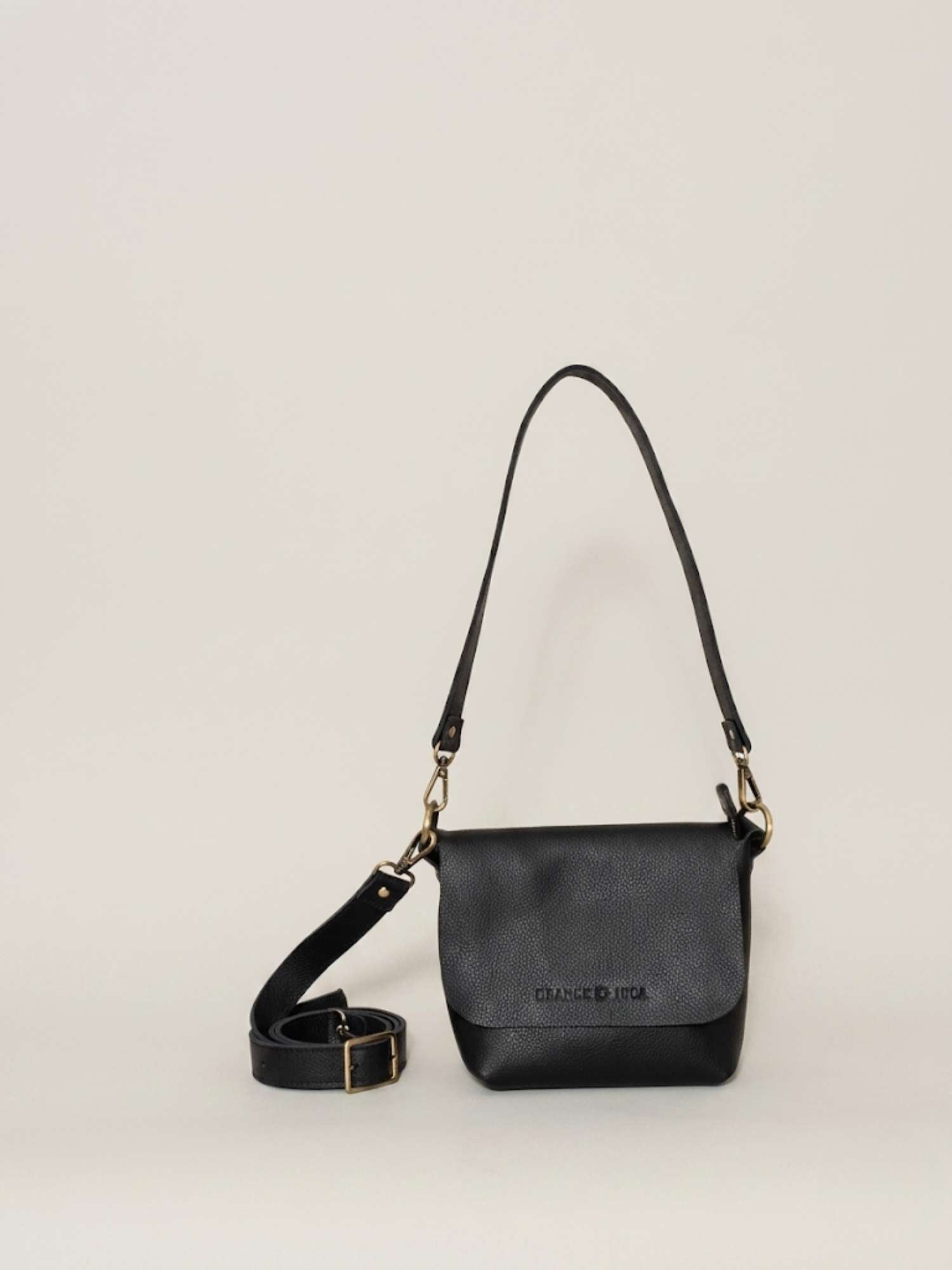
One note on hardware: the Olivia uses antique brass on most colourways, and polished gold on Powder Blue and Butter Yellow. Neither needs conditioning. If the brass dulls with time, a dry soft cloth is usually enough. Keep conditioner off the hardware.
How do you get water marks out of a leather bag?
Water marks are caused by uneven drying — the water evaporates faster at the edges and leaves a ring. The fix is counterintuitive.
Let the leather dry fully first. Trying to remove a water mark while the leather is still damp usually makes it worse. Once dry, dampen a clean, soft cloth very lightly and wipe the entire affected panel — not just the mark. You're evening out the moisture across the surface so it dries uniformly this time. Allow to air dry naturally, away from heat.
Once dry, apply a small amount of conditioner to the area — buffed in gently and off with a clean cloth.
This works for light marks. If the bag has been thoroughly soaked, allow it to dry at room temperature. No hairdryer, no radiator, no sunny windowsill. Heat causes leather to stiffen and crack as it dries, and the damage is permanent.
What should you never put on a leather bag?
WD-40. It comes up often in online advice and it doesn't belong on leather. It oils the surface temporarily but it's not a conditioner — it contains nothing that replenishes the leather's structure. It attracts dust, can go rancid over time, and degrades the professional sealant on dyed leather. There are leather conditioners that cost less and actually do the job.
Alcohol-based products. Hand sanitiser, rubbing alcohol, and many car-leather cleaners contain alcohol that strips the sealant protecting the leather's colour. The Olivia's leather is professionally sealed to fix the colour and prevent transfer to clothing — alcohol removes that sealant.
Baby wipes and household cleaners. They're formulated for skin and surfaces, not for the grain structure of leather. Most contain detergents or chemicals that dry the leather out or affect the finish over time.
Silicone or heavy-wax products. These coat the surface rather than penetrating it, blocking the leather from breathing and building up with repeated use. Use a conditioner formulated for smooth leather: colourless, no silicone, no heavy wax — it should absorb into the grain rather than coat the surface.

How should you store a leather bag?
In its dust bag, away from direct sunlight and heat. Not in plastic — leather needs to breathe, and a sealed plastic environment creates the conditions for mould and surface deterioration over time.
Store it upright or resting on its base, not hung by its strap for extended periods. Hanging puts sustained strain on one attachment point — over months, the leather around the D-ring can begin to distort.
The Olivia's interior is unlined — there is no fabric lining between the contents and the leather. If something leaks inside, wipe the interior with a slightly damp cloth and allow to dry with the bag open. Don't condition the interior; conditioner on the inside of an unlined bag will transfer to whatever is stored in it.
For long storage — more than a few months — stuff the bag lightly with tissue paper to hold its structure. Not newspaper; the ink transfers. Breathable tissue, dust bag, cool dry place with airflow.

Frequently Asked Questions
How often should I condition the Olivia?
There is no fixed interval. Condition it when the leather tells you it needs it — slight dullness in diffuse light, or a little stiffness when you flex the corners or the flap. In practice, two to four times a year for regular use in a temperate climate. Less in humid conditions. More in dry heat or heavy use.
Can you condition leather too often?
Yes. Over-conditioning is more common than under-conditioning with soft tumbled leather. Excess oil sits in the grain, makes the surface slightly tacky, and softens the fibre structure over time. Wait for the bag to show it needs conditioning before applying more.
How do I know if leather needs conditioner?
Look at it in diffuse light — dullness or slight flatness in the surface is the first sign. Then flex a stress point gently; the leather should give easily. If it's noticeably stiffer at the corners or around the hardware, it needs conditioning.
What happens if I don't condition the leather at all?
Over years, the leather dries out and begins to crack at stress points — base corners and hardware attachments first. A season of neglect won't cause this, but prolonged inattention will. The damage is permanent once cracking begins.
What should I never put on the leather?
WD-40, alcohol-based products (including hand sanitiser), baby wipes, household cleaners, and silicone or heavy-wax conditioners. All of these damage either the leather itself or the sealant that protects it.
How do I remove a water mark?
Let the leather dry completely, then dampen a soft cloth very lightly and wipe the entire panel — not just the mark — to even out the moisture. Allow to dry naturally, then condition lightly once dry.
Can the Olivia get wet?
Light rain or splashing is fine — pat it dry with a soft cloth and allow it to air dry away from heat. Don't leave it soaked, and never use heat to speed drying. Heat causes the leather to stiffen and crack as the moisture leaves.
Will the colour transfer to my clothes?
The leather is professionally sealed with a fixative specifically to prevent colour transfer. With a new bag, a few outings allow any surface residue to settle fully. If you're concerned, rubbing a clean dry cloth gently over the surface first will pick up any excess.
The strap has scuffed — can I fix it?
Light scuffs on the leather strap can often be buffed gently with a soft cloth or a small amount of conditioner. The strap is designed to develop character with wear — minor marks become part of the surface rather than damage to it.
How should I store the bag long-term?
In the dust bag provided, stuffed lightly with acid-free tissue paper to hold its shape, in a cool dry place with airflow. Not in plastic, not in direct sunlight.
For the quick-reference version — including conditioner type and frequency — visit the leather handbags care page.
For the story of how the Olivia is made — the family workshop in Lima, the leather they use, and why it's designed to age — read A Leather Crossbody Bag That Gets Better With Age.

Leave a comment
This site is protected by hCaptcha and the hCaptcha Privacy Policy and Terms of Service apply.