



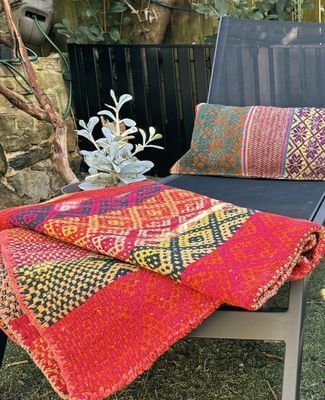


How to Care for Your Junco Reed Bag
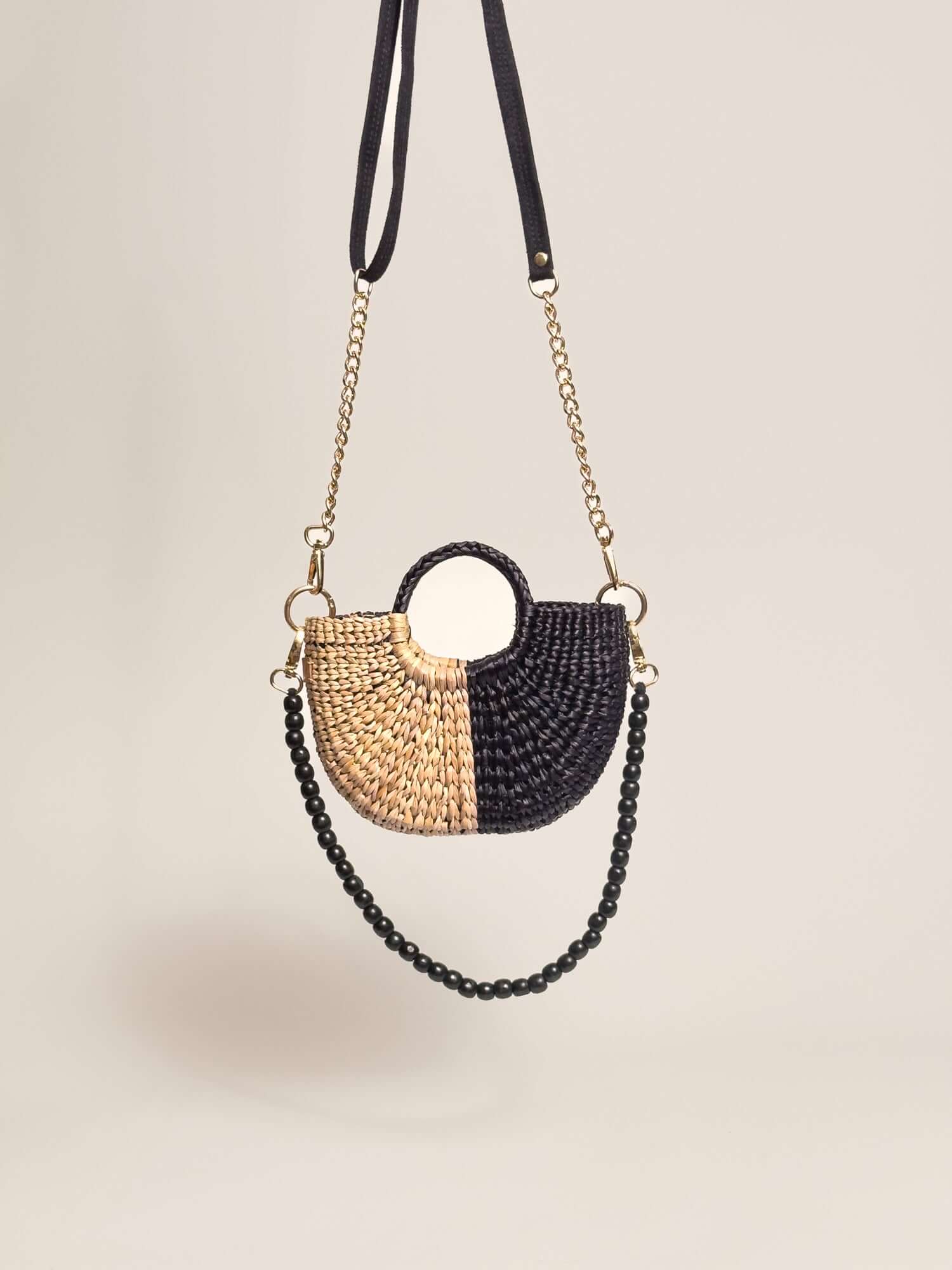
We have all bought something that looked wonderful and was tired within a season. It is a small disappointment, and it stays with you. A junco bag is the opposite. It is made to stay with you for many years, and it asks for very little in return. Most of what goes wrong is too much fuss: too much scrubbing, too little drying, too much time shut in a damp cupboard. This guide is how we look after ours, in the order people ask.
How do you clean a junco reed bag?
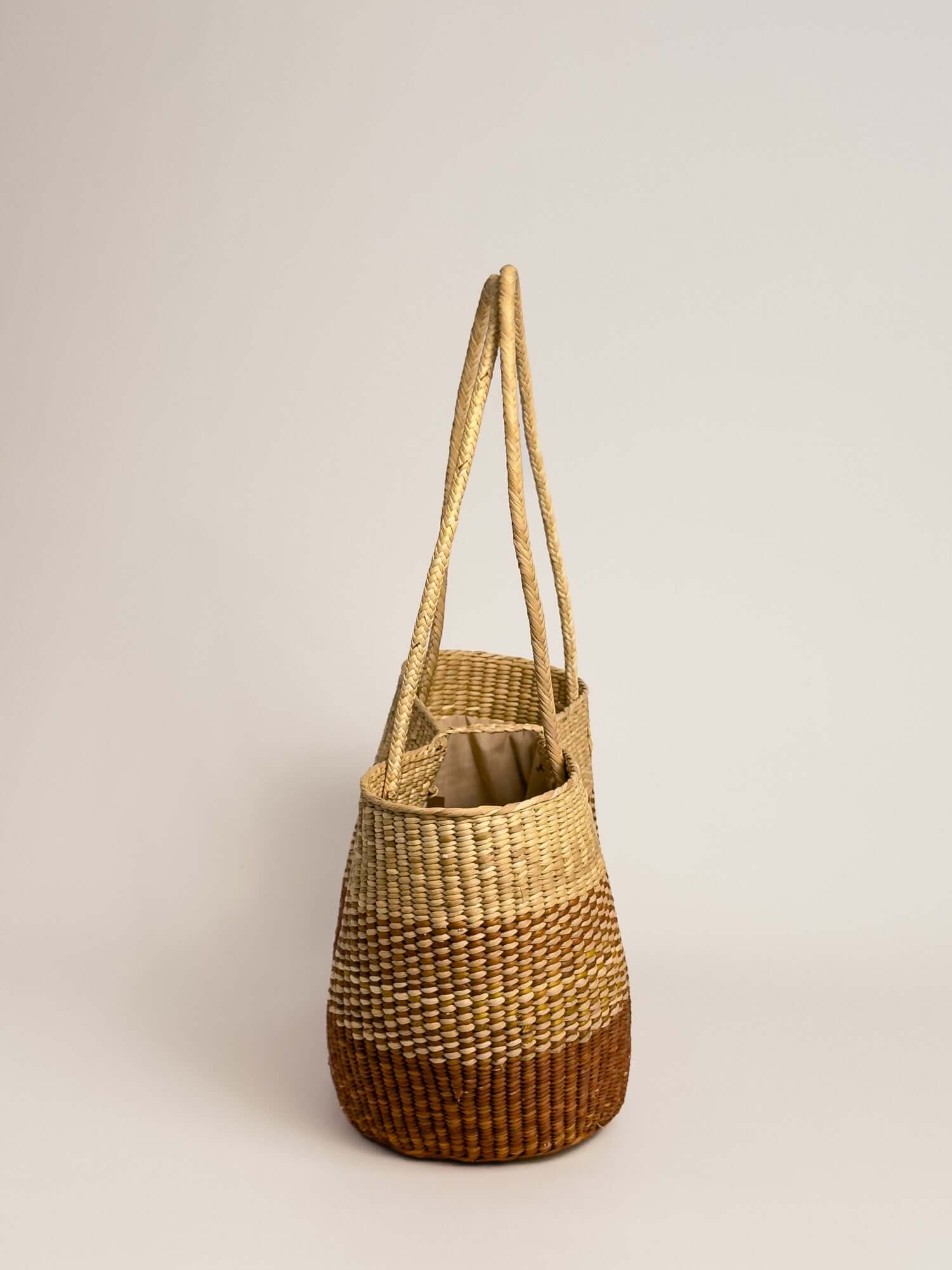
Start dry. Brush the weave with a soft brush to lift dust, working along the direction of the reed. For a mark that will not brush off, wipe it with a soft cloth that is barely damp, then leave the bag to air dry. Go gently: the reed does not need scrubbing, and it does not need cleaners. Junco is a durable reed, and gentle is the whole method.
What happens if a junco bag gets wet?
Very little. The reed is soaked in water as the bags are made, so a splash, a shower or a proper soaking will not hurt it. What matters is drying. Shake off the excess water, reshape the bag by hand while it is damp, and let it dry fully in open air, in shade or indirect light, before you put it away. Do not leave it to dry in strong sun. Pat the strap dry rather than rubbing it.
How do you fix a junco bag that has lost its shape?
Junco fibres are pliable when damp and firm when dry, so you can coax the shape back. Wet the areas that have slumped, with a damp cloth or more water if you like, reshape the bag with your hands, and fill it with a rolled towel or loosely crumpled tissue paper. Leave it to dry fully with the shape held. This will not repair a split seam or a broken base, but it works well for normal wear.
Will the colour of a junco bag fade?
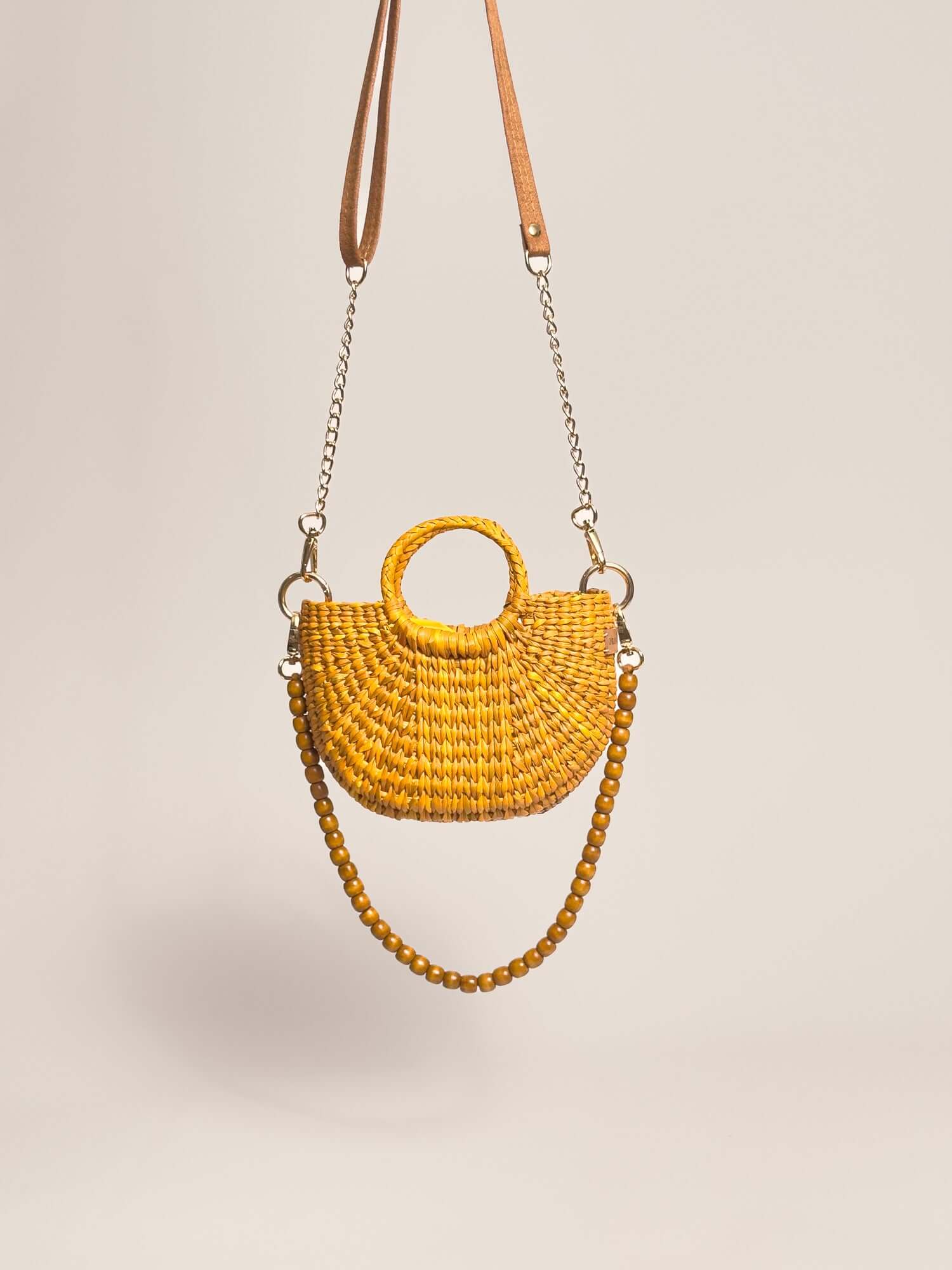
Everyday use does not change the colour much. Hours in the sun at the beach are not a problem. What can change it is long, strong sun, such as a bag forgotten on the deck for days. If it sits in the sun for around eight hours every day, the colour may fade a little, and it will still last many years. Colours can soften slightly over time, which is a natural characteristic of plant fibres and of the primarily naturally dyed colours on junco. Dry and store your bag out of direct sun and it will keep its colour well.

How do you get mould out of a junco bag?
Mould shows up when a natural fibre sits in damp, closed air. Even inside a calico bag, a humid room will do it. Brush the weave gently with a soft or medium brush to loosen it. Then wipe the area with a soft cloth made a little damp with vinegar, undiluted, brush again if needed, and let the bag dry completely in fresh air. There is no need to worry, it happens to even the best-loved bags. Just check yours every now and then, and do not leave it shut away for a year. Use vinegar on the weave and the hardware only, never on the strap. Silica gel sachets come with many of our bags; keep them inside the bag or dust bag, especially in humid weather.
How do you look after the hardware?
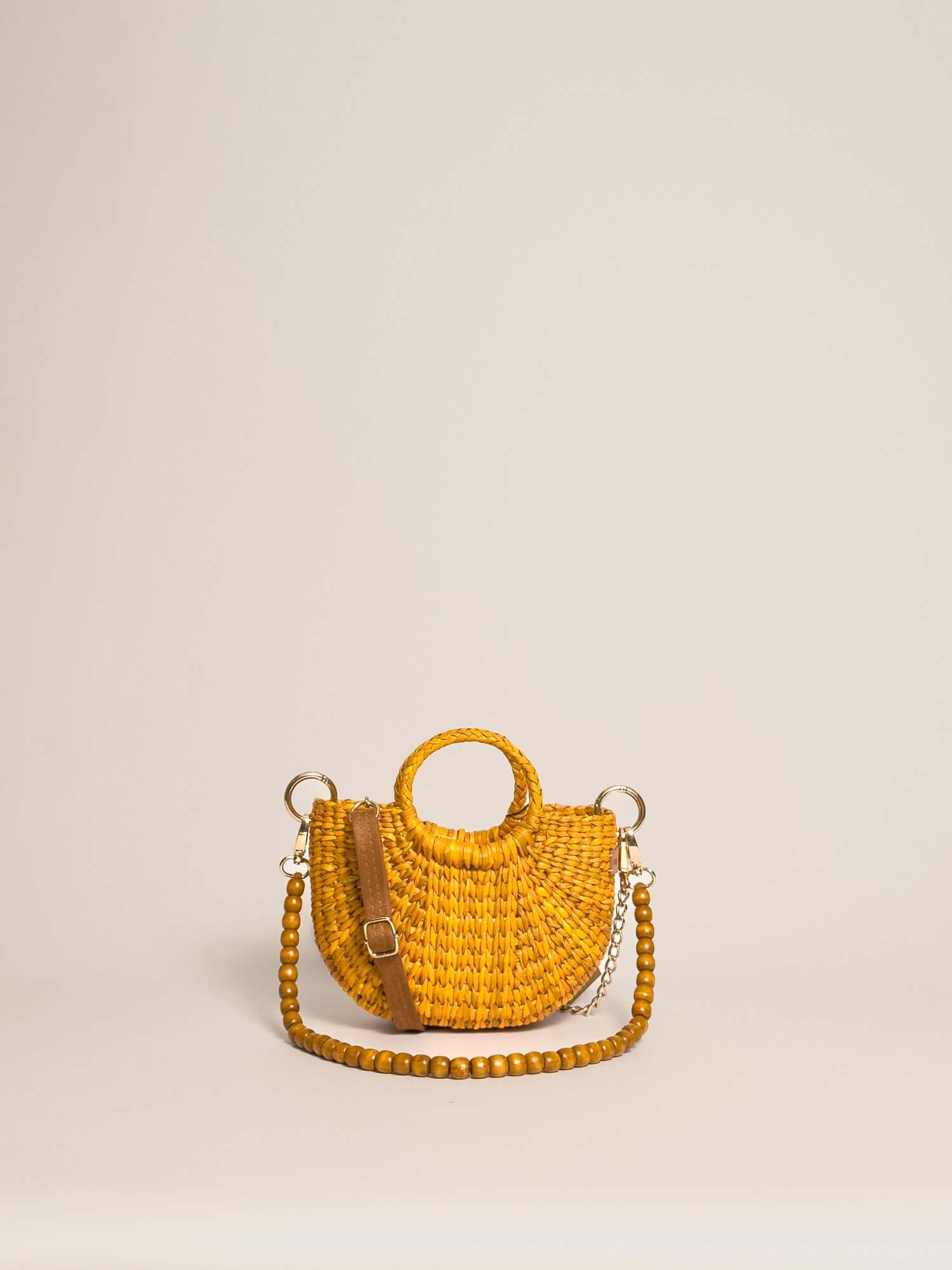
The hardware is metal, and metal can rust when the air is humid. Wipe it now and then with a cloth made a little damp with vinegar, and dry it. The best protection is to store your bag somewhere dry.
How should you store a junco bag?
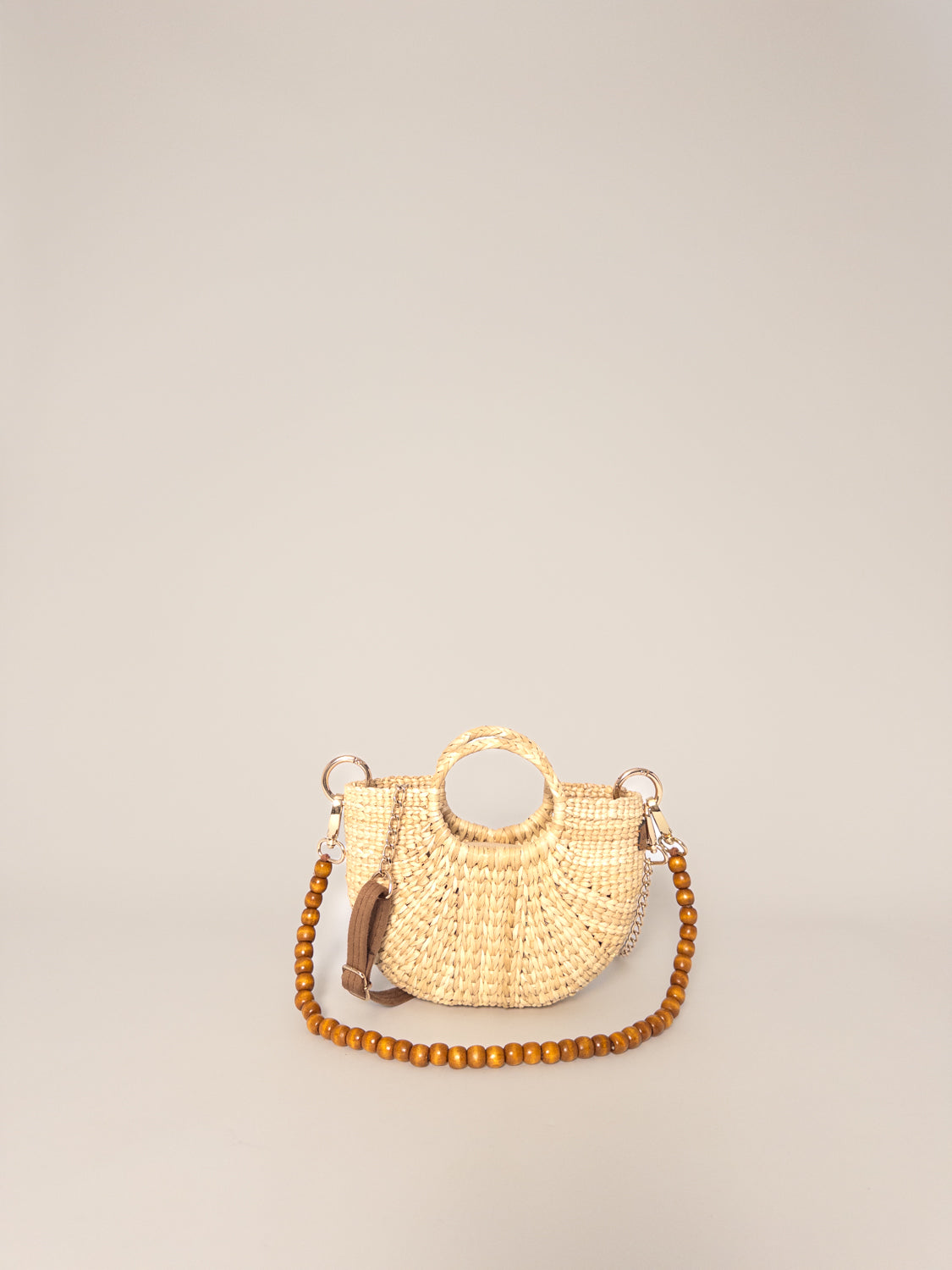
Somewhere dry, away from a humid room, in a breathable cotton dust bag. Stand it upright and put soft things inside, such as tissue or a folded cloth, so it keeps its shape. Do not put anything on top of it, and do not lay it on its side with things on it. It would lose the shape you love. Check it now and then, the way you would look in on something you are fond of.
What do you do if the colour gets scraped?
A sharp knock against a table corner, a zip or a door frame can scrape the colour from a few fibres and leave a small patch of natural reed showing. It is surface colour, not structure. Colour in the patch with a fine-tip permanent marker in a shade close to your bag. The reed takes the ink readily and the touch-up blends in well.
How long does a junco bag last?
With ordinary care, many years. After a couple of years of regular use the weave settles, the strap softens at the grip, and the bag takes on your shape. It starts to feel like yours. That is the bag we hope you end up with. For more on what two years looks like, read What Happens to a Junco Bag After Two Years.

A short routine
- Brush the weave now and then.
- Let it dry fully after it gets wet, in shade.
- Store it dry, upright, with soft things inside to hold its shape, in a breathable cotton dust bag.
- Do not put things on top of it or lay it on its side with weight on it.
- Check it, and its hardware, every now and then. Wipe mould or rust spots with a cloth made a little damp with vinegar.
- The strap is faux suede. Brush it softly and spot clean with a damp cloth. No conditioner or polish.
Further reading
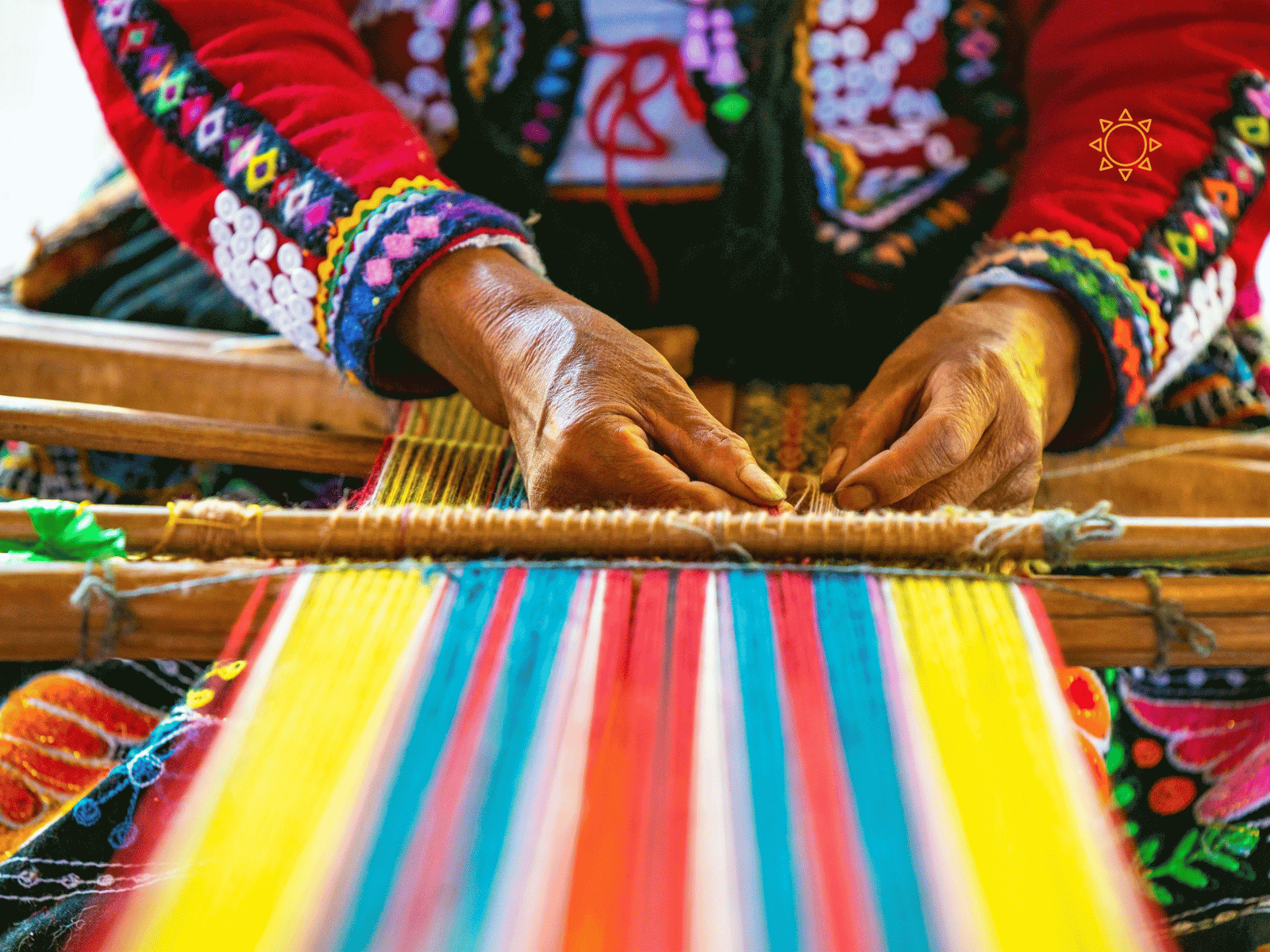
- Junco Reed: The Peruvian Material Behind Every Orange Inca Bag — where junco comes from and why it holds up.
- What Happens to a Junco Bag After Two Years — how a junco bag ages with real use.
- Are Raffia Bags Durable? Junco vs Raffia, and What Actually Lasts — how junco compares with raffia.
Shop the junco collection:
Handwoven Junco Handbags · Junco Crossbody & Shoulder Bags · Junco Tote Bags

Leave a comment
This site is protected by hCaptcha and the hCaptcha Privacy Policy and Terms of Service apply.